
A slider piece (often called a slide piece or damper) is a small plastic or composite guide that sits on the ramp plate inside your scooter’s Continuously Variable Transmission (CVT). It acts as a buffer and guide between the moving ramp plate and the variator pulley face. In tropical climates like the Philippines, where daily commutes involve heavy stop-and-go traffic, sudden downpours, and high humidity, keeping this tiny component in top shape is crucial for maintaining smooth acceleration and preventing costly transmission damage.
How the Slider Piece Controls Your Scooter's Acceleration
As your scooter’s engine speeds up, centrifugal force pushes the roller weights outward inside the variator. This movement forces the ramp plate and the variator drive face closer together, which pushes the CVT belt outward to change the gear ratio. The slider pieces sit on the edges of the ramp plate, sliding smoothly along the metal tracks of the variator housing.
This continuous sliding action allows the ramp plate to move back and forth without metal-on-metal contact. By minimizing friction and absorbing vibrations, these small guides ensure that the transition between low and high gear ratios remains seamless. Without them, the metal parts would grind against each other, causing severe mechanical drag and rapid wear.
Products mentioned in this guide
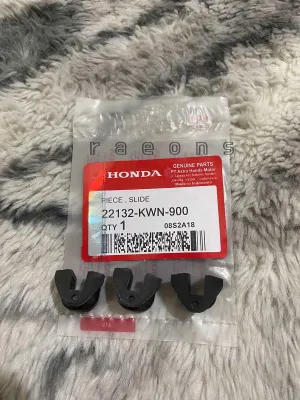

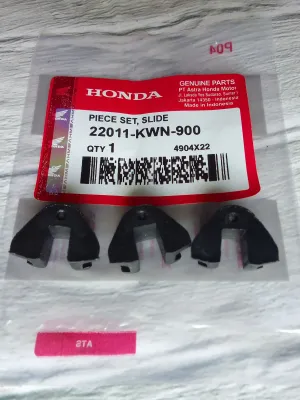
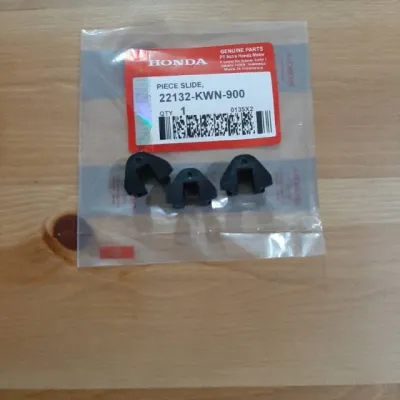
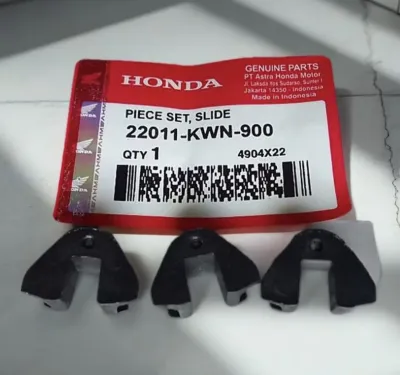
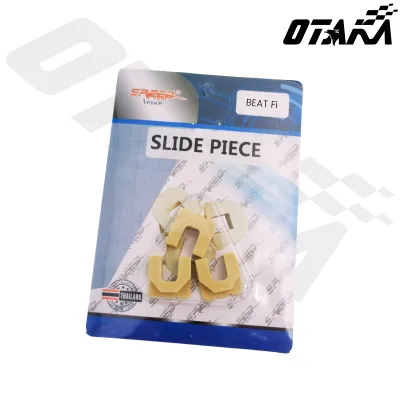
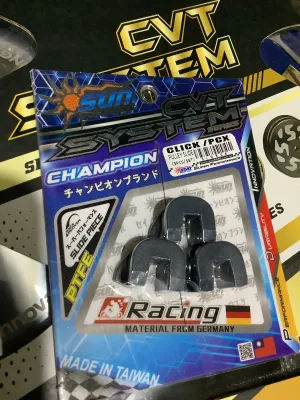

Prices are valid at publication and may change. Please refer to the product page for the latest price.
When slider pieces begin to wear down or harden, you will notice distinct changes in how your scooter rides. Common symptoms include a noticeable hesitation when you twist the throttle, unusual vibrations coming from the transmission case, or jerky, uneven acceleration. In stop-and-go city traffic, these symptoms can make your daily commute highly uncomfortable and unpredictable.
Essential Specifications to Verify Before Buying Replacements
Because the CVT operates under tight tolerances, choosing the correct replacement slider pieces requires careful verification. You must match the exact physical dimensions—including thickness, curvature, and overall length—of your original equipment manufacturer (OEM) parts. Even a fraction of a millimeter of difference can cause the ramp plate to bind or wobble, leading to premature wear of both the sliders and the variator housing. Always cross-reference these dimensions with your scooter’s official service manual or OEM part number before purchasing.

Material composition is another critical specification to check. Manufacturers design slider pieces using specific self-lubricating plastics or composite resins engineered to withstand high temperatures and constant friction. While aftermarket brands may advertise performance upgrades or exotic materials, you should verify that any alternative material is explicitly rated for your specific scooter model and operating conditions. Unverified materials may degrade rapidly under the intense heat generated inside a sealed CVT casing.
Additionally, pay close attention to the shape and design of the sliders. Some models feature asymmetrical shapes or specific directional markings that dictate how they must sit on the ramp plate. Installing a slider backward or using a generic symmetrical piece in an asymmetrical slot will prevent the ramp plate from moving freely. Always inspect the product specifications to confirm if the parts have a designated mounting orientation.
How to Inspect Your Current Slider Pieces for Wear
Regular inspection of your CVT system is the best way to catch worn slider pieces before they cause a complete transmission failure. When you open the variator assembly, remove the slider pieces and inspect them under good lighting. Look closely for deep grooves worn into the plastic, visible cracks, chipping along the edges, or excessive thinning of the walls. If the plastic feels brittle or shows signs of heat discoloration, the pieces have reached the end of their service life.
Next, shift your attention to the metal tracks on the variator housing where the sliders travel. Run your finger along these tracks to check for scoring, deep ridges, or structural damage. The smooth operation of new sliders depends entirely on the condition of these metal surfaces.
If you find that the variator tracks are heavily scored or have developed sharp ridges, simply installing new slider pieces will not solve the problem. The rough metal will quickly shave down the new plastic guides, leading to rapid failure within a few hundred kilometers. In such cases, you must replace the ramp plate or the entire variator assembly alongside the new sliders to restore proper operation.
Safe Installation Practices and When to Seek Professional Help
Before installing your new slider pieces, clean the variator assembly thoroughly to remove accumulated belt dust and road grime. Use only manufacturer-approved cleaners, such as dedicated brake cleaners or mild degreasers, and avoid harsh solvents that can degrade plastic or rubber components. Ensure all parts are completely dry before reassembly, as trapped moisture or chemical residue can damage the new sliders.
When reassembling the CVT, you must adhere strictly to the torque specifications listed in your scooter’s service manual for the variator nut. Under-tightening can cause the assembly to come loose while riding, which poses a severe safety risk and can destroy your engine’s crankshaft. Conversely, over-tightening can strip the threads or crush the internal components. Always use a calibrated torque wrench rather than guessing or relying solely on an impact wrench.
If you encounter any resistance, binding, or sticking when sliding the ramp plate back onto the variator shaft, stop immediately. Forcing the components together can cause permanent damage to the transmission. If the parts do not slide smoothly with light hand pressure, disassemble them to recheck your alignment, or take your scooter to a qualified professional mechanic to ensure a safe and proper installation.
Frequently Asked Questions (FAQ)
Can I mix different slider materials in the same variator?
No, you should never mix different slider materials or brands within the same variator assembly. Different materials have distinct friction coefficients and wear rates, which will cause the ramp plate to slide unevenly. This imbalance leads to rapid wear on one side of the variator, increased vibration, and potential damage to the belt and roller weights. Always replace slider pieces as a complete, uniform set matching the specifications in your service manual.
How often should CVT slider pieces be replaced?
There is no universal time-based interval for replacing slider pieces, as wear depends heavily on your riding style, typical passenger load, and local road conditions. For instance, navigating steep hills or enduring daily stop-and-go traffic in hot, humid climates accelerates wear. You should consult your scooter’s official maintenance schedule for recommended inspection intervals, but a good rule of thumb is to inspect them during every drive belt check and replace them immediately if you observe any physical wear or thinning.

Community discussion
Share your experience or ask a question. Comments are reviewed before publication.