
Selecting a paint-safe commercial adhesive remover requires matching the chemical strength of the solvent to the specific type of residue while ensuring the formula is explicitly rated for automotive clear coats. Because automotive paint consists of a delicate clear coat layered over a base color, using the wrong chemical can lead to permanent hazing, swelling, or peeling of the paint finish. A successful removal process relies on choosing between citrus-based or specialized petroleum solvents, selecting the right application medium, and following a strict protocol of spot testing, controlled dwell time, and immediate neutralization.
The challenge of adhesive removal on vehicles is a common hurdle for car owners and professional detailers alike. Whether dealing with dealership decals, old registration stickers, aftermarket vinyl wraps, or stubborn road tar, the bonding agents used are designed to withstand harsh weather and car washes. This durability means that simply washing the car with standard shampoo will not dissolve the sticky residue, necessitating a specialized chemical solution that can break the adhesive bonds without compromising the underlying paint.
In the Philippines, the tropical climate adds an extra layer of difficulty to this task. High ambient temperatures and intense ultraviolet radiation accelerate the degradation of sticker backings and adhesives, essentially baking them into the clear coat over time. This environmental exposure causes the adhesive to harden, cross-link, and bond more aggressively to the paint surface, making a specialized, paint-safe commercial remover absolutely necessary to dissolve the residue safely without resorting to destructive mechanical scraping.
Products mentioned in this guide
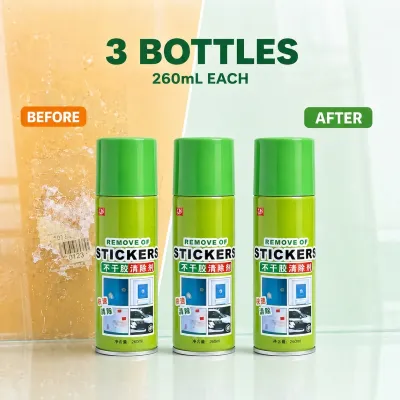
29 Lazada user ratings
This my second order salamat seller rider effective takaga sya pang tanggal ng addisive pati nga Yung mga stain kaya nya tanggalin.
It effectively removed the stickers and shellac stuck on my car. Thanks to the seller.
perfextly received but not yet tested.
89 Lazada user ratings
ok naman pero hindi masyadong effective..... hindi natanggal nang husto... huhu pero atleast nakbabawas sa tape residue...
Effective 90%. Great product for a great price. It helps me remove all adhesive residues of my car's garnish
Nice item. Excellent quality. Item shipped immediately. Will order again. Thanks seller and rider.
ayos kakfjkslakdbskkaksos dkekskdkd ekwjskskskfje ejskskskdjdjr sjwkke sjd d snskd fd s

20 Lazada user ratings
hoping to make this go a lot further than my staff did last time I bought this. let's see if it's useful or not.
💪Effectiveness: not that strong
3,776 Lazada user ratings
I recently purchased this online and I’m happy to report it’s been a good experience so far. The product arrived quickly and was packaged se…Read full reviewShow less
I recently purchased this online and I’m happy to report it’s been a good experience so far. The product arrived quickly and was packaged securely. Overall, I’m satisfied with this purchase. It’s a good value for the price and I would recommend it to others.
Quickly removes sticky residue, Leaves surfaces clean and smooth, orders complete and well packed po Thank you Seller and Courier
Great for removing stickers, Effective adhesive remover, Leaves no marks or residue, High-quality adhesive remover,
Performance: I am not sure how effective this is when removing adhesives. i will just edit my review upon use. ty!
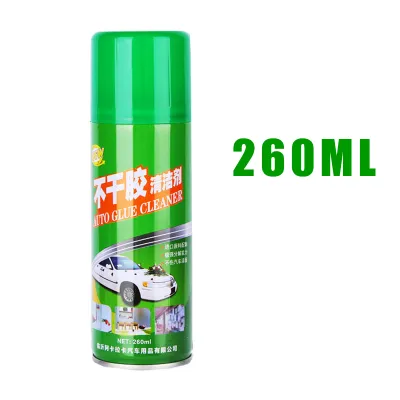
2,386 Lazada user ratings
Works well on car windows and surfaces, Efficient sticker remover, High-quality adhesive remover, Leaves surfaces clean and glossy, Leaves n…Read full reviewShow less
Works well on car windows and surfaces, Efficient sticker remover, High-quality adhesive remover, Leaves surfaces clean and glossy, Leaves no residue behind, Perfect for removing stubborn stickers, Convenient spray bottle design, Quick and effective cleaning solution,
Quality:ok Appearance:ok Performance:goods nakaka alis nga di kp na kinunan, pero 2 yrs na ang stain ng sticker sa car di ko maalis now tuma…Read full reviewShow less
Quality:ok Appearance:ok Performance:goods nakaka alis nga di kp na kinunan, pero 2 yrs na ang stain ng sticker sa car di ko maalis now tumalab ito. thanks
👌Ease of Use:ok ✨Effectiveness:ok 💰Value for Money:ok Cleans adhesive dirt effectively, Works well on car windows and surfaces,
Efficient sticker remover, Works well on car windows and surfaces, 👌Ease of Use:good ✨Effectiveness:good 💰Value for Money:good
Convenient spray bottle design, Efficient sticker remover,
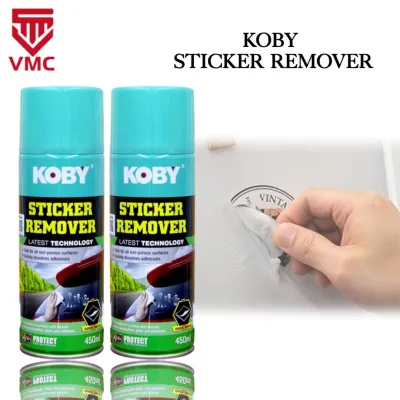
478 Lazada user ratings
nicely packed and complete items. sana magtagal at matibay. nicely packed and complete items. sana magtagal at matibay. di bagay sa plastic …Read full reviewShow less
nicely packed and complete items. sana magtagal at matibay. nicely packed and complete items. sana magtagal at matibay. di bagay sa plastic windshield ng motor ko namuti after matanggalbyung sticker.
maayos naman yun pagpack nila . sana din talaga nakakatangal ng sticker . salamat at godbless
Quality:Slightly Good Appearance:Slightly Good Performance:Slightly Good
Thank you so much seller At salamat kay pareng lex na nagdeliver
Package received in good condition
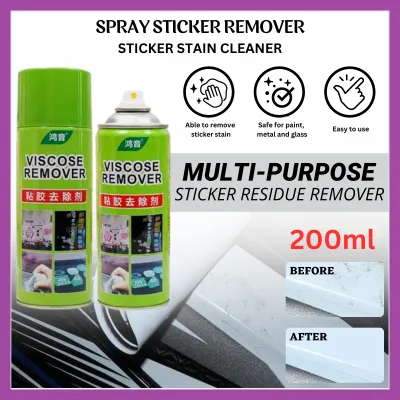
239 Lazada user ratings
Great for DIY projects, Multipurpose cleaner, Efficient adhesive remover, Efficient adhesive remover, Saves time and effort, Removes sticker…Read full reviewShow less
Great for DIY projects, Multipurpose cleaner, Efficient adhesive remover, Efficient adhesive remover, Saves time and effort, Removes stickers effortlessly, Works on various surfaces, A must-have for crafters,
Saves time and effort, Easy to use and effective, A must-have for crafters, Removes stickers effortlessly, Multipurpose cleaner, No residue …Read full reviewShow less
Saves time and effort, Easy to use and effective, A must-have for crafters, Removes stickers effortlessly, Multipurpose cleaner, No residue left behind, Great for DIY projects,
Convenient spray bottle, A must-have for crafters, Removes stickers effortlessly, Multipurpose cleaner, No residue left behind, Efficient ad…Read full reviewShow less
Convenient spray bottle, A must-have for crafters, Removes stickers effortlessly, Multipurpose cleaner, No residue left behind, Efficient adhesive remover,
Multipurpose cleaner, A must-have for crafters, Works on various surfaces, Convenient spray bottle,
Prices are valid at publication and may change. Please refer to the product page for the latest price.
Key Criteria for Selecting a Paint-Safe Adhesive Remover
The primary objective when using any commercial adhesive remover on a vehicle is to break down the polymer bonds of the adhesive without disrupting the cross-linked polymer structure of the automotive clear coat. Modern vehicles are finished with a multi-stage paint system, where the topmost layer is a clear, protective polyurethane or acrylic resin. This clear coat is designed to withstand environmental hazards like UV radiation, acid rain, and minor abrasions, but it remains susceptible to strong chemical solvents that can penetrate and soften the cured resin.
When shopping for a commercial adhesive remover, the most critical step is verifying that the product label explicitly states it is safe for automotive clear coats or intended for automotive use. General-purpose industrial solvents found in hardware stores are often formulated for bare metals, concrete, or glass, and their chemical strength is far too aggressive for automotive finishes. Using a non-automotive solvent can quickly strip away the clear coat, leaving the underlying base coat exposed to rapid oxidation and color fading.
Harsh industrial solvents such as acetone, lacquer thinners, and paint thinners must be strictly avoided during car detailing. These chemicals are highly polar and volatile, meaning they can rapidly dissolve the binders in automotive paint, causing immediate swelling, wrinkling, or permanent hazing of the finish. Even if a solvent does not immediately peel the paint, it can strip away the essential plasticizers within the clear coat, rendering it brittle and highly prone to cracking or peeling under sun exposure over time.
Understanding the delicate balance of dwell time is also essential when selecting a product. A safe commercial adhesive remover must remain active long enough to soften the adhesive but evaporate or wash away before it begins to affect the paint layers. Products formulated specifically for automotive use are engineered with this balance in mind, often incorporating mild lubricants that help suspend the dissolved adhesive and protect the paint during the wiping process.
Types of Commercial Adhesive Removers for Car Exteriors
Commercial adhesive removers designed for automotive detailing generally fall into distinct chemical categories, each formulated to address different types of bonding agents and surface conditions. Understanding these categories allows detailers to select a product that provides sufficient chemical action to dissolve the adhesive while minimizing the risk of chemical damage to the vehicle’s exterior surfaces.

The effectiveness of these removers depends heavily on the age of the adhesive, the material of the sticker or decal, and how long the residue has been exposed to the elements. By categorizing these products by their active ingredients and physical delivery methods, you can make an informed decision that balances cleaning power with paint safety.
Citrus-Based and Natural Solvents
Citrus-based commercial adhesive removers utilize organic solvents, primarily d-limonene, which is extracted from the rinds of citrus fruits. This naturally occurring terpene is highly effective at penetrating and dissolving tackifiers and rubber-based adhesives, breaking down their sticky structure so they can be wiped away easily.
One of the primary advantages of citrus-based formulas is their user-friendly nature, characterized by a pleasant citrus aroma rather than the harsh, suffocating fumes associated with petroleum distillates. This makes them highly suitable for use in enclosed garage spaces or detailing bays where ventilation might be limited, providing a more comfortable working environment for the detailer.
However, it is a common misconception that because a product is labeled as “natural” or citrus-based, it is universally safe for all automotive surfaces. Highly concentrated d-limonene is a potent solvent that can still swell certain types of plastics, degrade rubber weatherstripping, or dull aftermarket paint finishes if left to dwell for too long. Detailers must still verify that the specific citrus formula is rated for automotive clear coats and avoid letting the product dry on any surface.
These organic formulas are best suited for light-duty detailing tasks, such as removing fresh sticker residue, adhesive left behind by temporary protective films, light tree sap, and mild adhesive residues from dealership decals. They offer a gentle yet effective first line of defense before resorting to stronger chemical alternatives.
Heavy-Duty Solvent-Based Formulas
For stubborn, aged, or highly resilient adhesives, heavy-duty solvent-based commercial removers are often required. These products typically rely on refined petroleum distillates, hydrocarbons, or specialized esters engineered to rapidly penetrate thick, cured adhesive layers that citrus-based formulas cannot easily break down.
These specialized automotive solvents are specifically formulated to target the tough acrylic adhesives used in heavy-duty double-sided mounting tapes, vinyl wraps, and long-term vehicle graphics. Unlike generic hardware solvents, automotive-grade petroleum distillates are balanced to provide maximum adhesive breakdown while remaining chemically compatible with fully cured factory clear coats when used as directed.
Despite their compatibility, these heavy-duty formulas carry a higher risk of paint damage if used improperly. They evaporate quickly but can penetrate the clear coat if allowed to pool or dwell beyond the manufacturer’s recommended time frame, leading to localized swelling or hazing. Immediate neutralization and washing of the treated area are mandatory steps to ensure that no solvent residue remains active on the paint.
These robust formulations are highly recommended for challenging detailing projects, such as removing baked-on registration stickers, thick foam tape residue from wind deflectors or emblems, heavy road tar accumulation, and commercial fleet graphics that have spent years under the sun.
Gel vs. Spray Formulations
The physical delivery method of a commercial adhesive remover plays a significant role in its safety and efficacy, particularly depending on where the residue is located on the vehicle. Manufacturers offer these products in both liquid sprays and viscous gels, each serving a distinct operational purpose during the detailing process.
Spray formulations are highly efficient for treating large, flat, horizontal surfaces such as the hood, roof, or trunk lid. The fine mist provides rapid, even coverage over wide areas, allowing the solvent to quickly wet the surface and begin breaking down the adhesive. However, sprays are highly prone to running off vertical panels, which can lead to wasted product and accidental contact with sensitive plastic trim, headlights, or rubber seals below the work area.
Gel and thick liquid formulations are specifically engineered to address vertical panels, such as doors, fenders, and bumpers. The increased viscosity of a gel allows it to cling to the vertical surface without running off, keeping the active solvents directly in contact with the adhesive residue. This prolonged contact time is crucial for softening thick or hardened adhesives that require extended dwell times to dissolve completely.
Managing dwell time is a delicate balance; if a solvent evaporates or runs off too quickly, the adhesive will remain hard, tempting the detailer to apply excessive physical pressure or use sharp scraping tools. Conversely, if a product dwells too long, it increases the risk of chemical penetration into the clear coat. Choosing a gel for vertical surfaces and a spray for horizontal areas helps maintain the precise dwell time needed for safe removal.
Matching the Remover to Common Automotive Residues
Selecting the right commercial adhesive remover requires a clear diagnosis of the specific residue you are trying to clear from the vehicle’s paint. Different types of stickers, films, and environmental contaminants utilize distinct adhesive chemistries, and matching the remover to the residue ensures a faster, safer detailing process.
Paper stickers and price tags are among the easiest residues to address because the paper backing is porous. This porosity allows mild citrus-based removers or light solvent sprays to easily saturate the paper, migrating down to the adhesive layer beneath. Once the paper is thoroughly soaked, the adhesive softens rapidly, allowing the sticker and the glue to be wiped away in a single, gentle motion.
Vinyl decals and Paint Protection Film (PPF) present a greater challenge because the vinyl or polyurethane face is completely non-porous, preventing the adhesive remover from penetrating from the top. To remove these, the face of the film must first be carefully peeled back—often aided by controlled heat from a heat gun—leaving the tough, acrylic-based adhesive residue behind on the paint. This stubborn residue requires specialized automotive solvent-based removers that can dissolve the cross-linked acrylic bonds without softening the surrounding clear coat.
Road tar and asphalt grime are petroleum-based contaminants that accumulate along the lower rocker panels and wheel wells. While general-purpose adhesive removers can dissolve tar, dedicated tar and sap removers are often formulated with specific lubricants that help suspend the abrasive tar particles, preventing them from scratching the paint during the wiping process. Using a product optimized for tar ensures that the heavy grime is lifted safely without stripping the paint’s finish unnecessarily.
Tree sap and bug splatter are biological residues that behave differently than synthetic adhesives. Tree sap is a natural resin that hardens into a glass-like state, while bug splatter consists of acidic proteins that can etch into the clear coat if left untreated. While mild adhesive removers can help soften fresh tree sap, hardened sap and bug residues often require specialized enzymatic cleaners, dedicated sap removers, or mild isopropyl alcohol solutions, as standard adhesive solvents may not effectively break down the organic proteins.
Safe Application Steps to Protect Car Paint
Executing the adhesive removal process safely requires a systematic workflow designed to minimize chemical exposure to the paint and eliminate the risk of mechanical scratching. Following a structured, step-by-step method ensures that the adhesive is completely dissolved while the vehicle’s clear coat remains perfectly intact.
The first step in any detailing procedure is thorough preparation. The target area and surrounding panels must be washed with a dedicated car shampoo and dried completely to remove all loose dirt, dust, and road grit. If you attempt to apply an adhesive remover and wipe the surface while dirt particles are still present, those particles will act as an abrasive under your microfiber towel, leading to severe swirl marks and scratches in the clear coat.
Before applying the commercial remover to a highly visible panel, performing a spot test is an essential safety precaution. Apply a small drop of the product to an inconspicuous area of the vehicle, such as the lower edge of a bumper, the inside of a door jamb, or a painted panel under the hood. Allow the product to dwell for the recommended time, wipe it off, and inspect the area for any signs of clear coat softening, color transfer onto the towel, or hazing, which would indicate that the paint is not compatible with that specific solvent.
Once compatibility is confirmed, apply the adhesive remover directly to the residue, ensuring you follow the manufacturer’s instructions regarding dwell time. Monitor the product closely during this phase; do not allow the solvent to dry on the paint surface, especially when working in warm environments. If the solvent begins to dry before the adhesive has softened, apply a light mist of additional product to keep the area wet and active.
When the adhesive has visibly softened or turned into a gel-like consistency, use a clean, high-pile microfiber towel to gently wipe away the residue. Avoid applying heavy downward pressure or using aggressive scrubbing motions, as this can grind remaining adhesive particles back into the paint. Immediately after wiping, wash the treated area with a fresh mixture of car shampoo and water to neutralize the solvents and rinse away any remaining chemical residue from the surface.
Because commercial adhesive removers are formulated to dissolve polymers and oils, they will completely strip away any pre-existing paint protection, including waxes, polymer sealants, and consumer-grade ceramic spray coatings. Once the area is clean, dry, and neutralized, it is critical to reapply your preferred paint protection to seal the clear coat and protect it from UV damage, oxidation, and future contamination.
During the process, you must be prepared to stop immediately if you observe any adverse reactions. If the clear coat begins to haze, feel tacky, show signs of discoloration, or if paint color transfers onto your microfiber towel, cease application immediately, flush the area with copious amounts of water and car shampoo to neutralize the chemicals, and consult a professional automotive detailer to assess and correct the surface.
Frequently Asked Questions (FAQ)
Can I use household items like rubbing alcohol or nail polish remover on car paint?
Using household solvents like rubbing alcohol or nail polish remover on automotive paint carries significant risks and is generally discouraged by professional detailers. Rubbing alcohol (isopropyl alcohol) can be used safely in diluted concentrations (typically 10% to 25% in water) to clean light residues, but highly concentrated isopropyl alcohol can soften certain clear coats if allowed to dwell. Nail polish remover, which typically contains acetone, is extremely destructive to automotive finishes; acetone rapidly dissolves polyurethane and acrylic clear coats, leading to immediate hazing, swelling, and permanent paint failure. It is always safest to use commercial products specifically formulated, tested, and labeled for automotive paint surfaces.
Will an adhesive remover damage my car's wax or ceramic coating?
Yes, commercial adhesive removers will inevitably strip away traditional waxes and polymer sealants, as these protective layers are composed of organic compounds and polymers that the solvents are designed to dissolve. Professional-grade ceramic coatings that have fully cured are highly resistant to chemical degradation and will generally withstand a brief application of a paint-safe adhesive remover, but consumer-grade ceramic sprays and detailers will likely be degraded or removed entirely. Regardless of the type of protection installed on your vehicle, it is highly recommended to plan for reapplying a fresh layer of wax, sealant, or ceramic booster to the treated area immediately after the adhesive removal process is complete.

Community discussion
Share your experience or ask a question. Comments are reviewed before publication.