
Commuting on a motorcycle during the Philippine rainy season presents unique challenges, from sudden afternoon downpours to prolonged monsoon rains. A reliable heavy-duty raincoat is an essential piece of safety gear for any daily rider navigating busy streets. It must not only keep water out but also withstand high winds, resist tearing at cruising speeds, and handle the intense tropical humidity. Selecting the right gear requires a careful evaluation of material construction, design styles, and safety features to ensure your daily commute remains secure, dry, and comfortable.
Essential Features for Heavy-Duty Motorcycle Rain Gear
Waterproofing starts with the material and how the seams are constructed. When evaluating heavy-duty rain gear, look for manufacturer specifications that detail the waterproof rating, often measured in millimeters. For motorcycle commuting, a higher rating is necessary because the wind pressure at riding speeds forces water against the fabric with much greater intensity than standard walking.
Seams are the most common failure points in cheap rain gear. High-quality heavy-duty raincoats feature fully taped or heat-sealed seams. This construction method bonds a waterproof tape over the stitched areas, preventing water from seeping through the needle holes during prolonged exposure to tropical storms.
Products mentioned in this guide
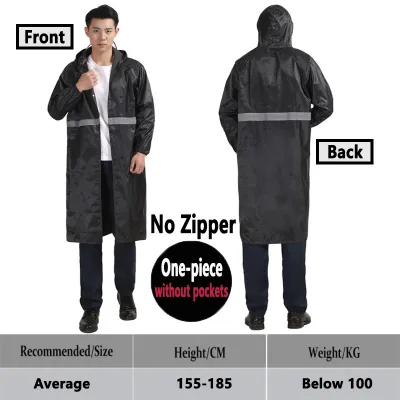
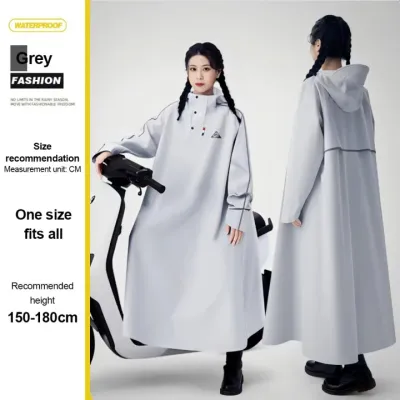
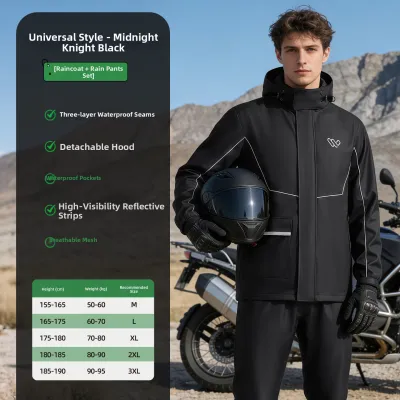
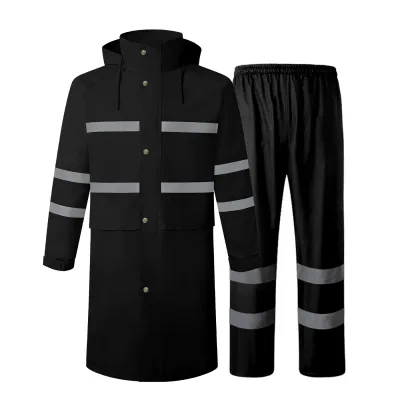
Prices are valid at publication and may change. Please refer to the product page for the latest price.
Material choice directly impacts durability and weight. Polyvinyl chloride (PVC) is highly waterproof and exceptionally durable, making it excellent for resisting tears, though it can be heavy and stiff. Polyester coated with polyurethane (PU) offers a lighter, more flexible alternative that still provides robust tear resistance and reliable water protection.
Visibility drops drastically during heavy downpours, especially during early morning or late evening commutes. Ensure any raincoat you choose features prominent reflective strips or high-visibility panels on the back, chest, and sleeves. These elements catch the headlights of other vehicles, making you visible in low-light conditions.
The tropical climate of the Philippines means high humidity is a constant challenge. A completely sealed raincoat can trap body heat, leading to heavy condensation inside the suit. Look for garments with integrated ventilation mechanisms, such as covered back vents or underarm mesh panels, which allow hot air to escape without letting rain in.
Choosing the Right Style for Your Daily Ride
The design of your rain gear affects both your safety and your comfort on the road. Two-piece suits, consisting of a separate jacket and pants, are widely considered the standard for daily motorcycle commuting. This style provides complete coverage, excellent wind resistance, and prevents water from pooling in your lap while riding.

Two-piece suits also keep the fabric close to your body, minimizing wind drag and preventing the material from flapping violently at higher speeds. This close fit reduces rider fatigue and ensures that your legs remain fully protected from water spraying up from the road and passing vehicles.
In contrast, motorcycle ponchos or rain capes offer quick deployment and can easily drape over a backpack. However, they present significant safety risks for daily commuters. The loose, excess fabric of a poncho can flap violently in the wind, obscure your mirrors, or worse, snag on moving parts of the motorcycle or nearby vehicles.
When choosing between these styles, consider your daily storage constraints and commute length. While two-piece heavy-duty suits take up more space in a top box or under-seat compartment, their safety and protection advantages far outweigh the compact packability of a lightweight poncho.
Sizing and Fit for Riding Safety and Comfort
A heavy-duty raincoat must fit correctly over your standard riding apparel. When selecting a size, you generally need to size up to accommodate your helmet, armored riding jacket, and knee protectors. Trying on the rain gear while wearing your full protective setup is the most reliable method to ensure a proper fit.
Pay close attention to how the raincoat fits when you are in your active riding posture. The sleeves should be long enough to cover your wrists when reaching for the handlebars, and the pants must not pull tight across your thighs or expose your ankles when your feet are on the pegs.
Adjustable closures are essential for sealing out water and wind. Look for raincoats with hook-and-loop straps or elastic adjusters at the cuffs, ankles, and collar. Tightening these points prevents water from blowing up your sleeves or down your neck while riding at speed.
Avoid choosing a raincoat that is excessively baggy. Excess fabric not only catches the wind and creates drag, but it can also hook onto motorcycle controls, footpegs, or gear shifters. A snug but comfortable fit ensures you maintain full control of your motorcycle at all times.
Maintenance and Storage for Long-Term Reliability
Proper maintenance is key to preserving the waterproof integrity of your heavy-duty rain gear over multiple wet seasons. Always check the manufacturer’s care label before cleaning. Avoid using harsh detergents, fabric softeners, or bleach, as these chemicals can strip away the specialized waterproof coatings.
To clean off road grime, mud, and oil splatters, gently wipe the exterior with a damp cloth or rinse it with cool water. If a deeper clean is necessary, use a mild soap specifically formulated for technical outdoor gear, and hand wash the raincoat gently without wringing or twisting the fabric.
Drying your rain gear correctly prevents mold growth and material degradation. Hang the jacket and pants to air-dry completely in a well-ventilated area, away from direct sunlight and artificial heat sources like engines or heaters. Prolonged exposure to extreme heat or ultraviolet rays can crack PVC and melt PU coatings.
Once dry, store your raincoat properly to avoid damaging the waterproof barrier. Instead of folding it tightly, which creates sharp creases that can weaken the material over time, roll the gear loosely and place it in a breathable storage bag. Keep it in a cool, dry place when not in use.
Frequently Asked Questions (FAQ)
Can I use a standard heavy-duty raincoat instead of a motorcycle-specific one?
While a standard heavy-duty utility raincoat provides excellent water protection, it is generally not designed for the unique demands of motorcycle riding. General-purpose raincoats often lack the aerodynamic fit required to handle high winds, leading to severe flapping that can distract you or destabilize your balance. Additionally, they rarely feature the reinforced seams, heat-resistant panels, or strategically placed reflective elements necessary for safe road commuting.
How do I prevent my visor and glasses from fogging up in heavy rain?
Fogging occurs when warm, humid air from your breath hits the cold surface of your visor or glasses. To combat this, ensure your helmet’s ventilation ports are open to promote airflow. Installing an anti-fog insert on your visor is highly effective, or you can apply a manufacturer-approved anti-fog spray to both your visor and glasses. Additionally, make sure your raincoat’s collar or hood is secured in a way that does not block the exhaust vents at the bottom or back of your helmet.
Community discussion
Share your experience or ask a question. Comments are reviewed before publication.