
The best coolant for a gasoline engine in a tropical climate is not a single universal brand, but rather the specific chemical formulation (IAT, OAT, or HOAT) designated by your vehicle’s manufacturer, maintained at the correct dilution ratio to maximize boil-over protection. In the Philippines, where ambient temperatures regularly exceed 30°C and heavy traffic intensifies engine heat, the primary job of your coolant shifts from preventing freezing to elevating the boiling point and preventing internal corrosion. Selecting a coolant that matches your vehicle’s original equipment manufacturer (OEM) specifications ensures the fluid can safely dissipate heat without damaging sensitive cooling system components.
To keep your vehicle running reliably on hot highways and during congested city commutes, you must understand how tropical conditions affect your engine’s thermal dynamics. Choosing the wrong fluid or using an incorrect mixture ratio can lead to cooling system failure, accelerated wear, and costly mechanical repairs. By focusing on manufacturer specifications and proper maintenance practices, you can protect your engine from the severe thermal stress of tropical driving.
How Tropical Heat Affects Engine Cooling Needs
An engine cooling system relies on a continuous cycle where the fluid absorbs intense heat from the engine block and carries it to the radiator to be dissipated by oncoming airflow and cooling fans. Under normal operating conditions, this process keeps the engine within its optimal temperature range, preventing critical components from warping or seizing under extreme thermal stress.
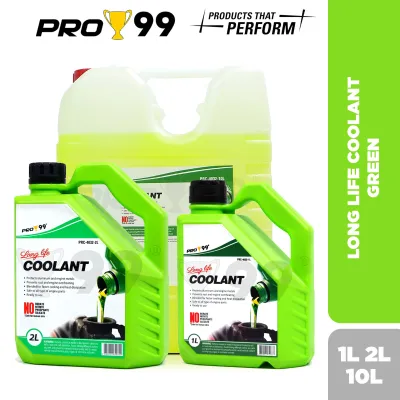
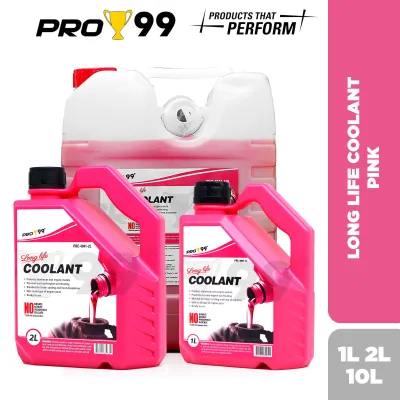
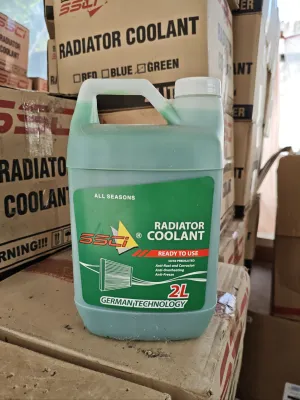
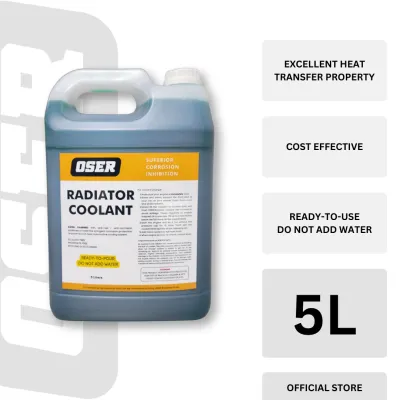
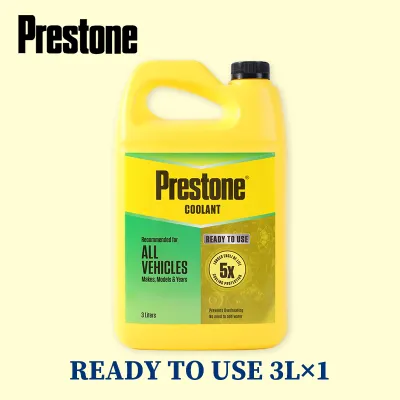
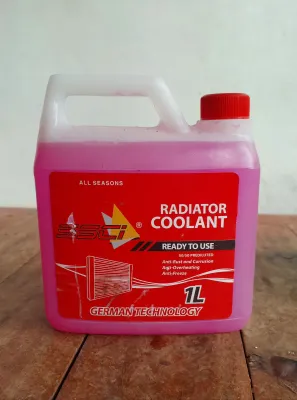
Products mentioned in this guide
![[Iwas Overheat] Premium TOPBEST Radiator Coolant Anti-Boil Anti-Rust Iwas Kalawang Heavy Duty Engine Protection For Motorcycle Scooter Car Motor Accessories Maintenance Upgrade (Choose 1L 2L 4L 5L in Variation) COD](https://img.lazcdn.com/g/p/8957f2857326cac6c6710935c79bed88.jpg_400x400q80.jpg_.webp)
![[LASTDAY Shop]TopBest Premium Coolant High-Performance Engine Coolant for Cars Trucks & Motorcycles](https://img.lazcdn.com/g/p/875d19d6f0269bf19d71e018a24917a3.jpg_400x400q80.jpg_.webp)
Prices are valid at publication and may change. Please refer to the product page for the latest price.
In tropical environments like the Philippines, where daily ambient temperatures frequently exceed 30°C, the cooling system operates under a significantly higher thermal load. The temperature difference between the hot engine fluid and the surrounding air is smaller than in colder climates, which reduces the efficiency of heat transfer at the radiator. This means the cooling system must work harder, relying heavily on the chemical properties of the coolant to prevent the liquid from boiling.
While these fluids are often labeled as “antifreeze” in colder regions where preventing winter freezing is the primary concern, tropical climates require the opposite physical property: boiling point elevation. A high-quality coolant increases the boiling threshold of the liquid, preventing it from turning into steam under extreme heat and high-pressure conditions. If the fluid boils, it can no longer effectively absorb heat, leading to rapid engine overheating.
Relying solely on plain water in your radiator compromises this entire system. Water boils at a lower temperature than a proper coolant mixture, which can lead to localized boiling inside the engine block, steam pockets, and rapid overheating. Furthermore, water lacks the essential chemical inhibitors needed to prevent rust, scale buildup, and cavitation erosion on metal surfaces, which can permanently damage the water pump and radiator core.
Key Specifications to Verify on the Coolant Label
When shopping for engine coolant, reading the product label carefully is the most reliable way to ensure the fluid can withstand tropical driving conditions. Look for the specific boiling point and freezing point thresholds printed on the packaging, which indicate the thermal limits of the fluid under standard operating pressures. A higher boiling point provides a larger safety margin during prolonged idling in heavy traffic or when climbing steep mountain roads.

You will typically find two main product formats on the shelf: pre-mixed (often labeled as “ready-to-use” or “50/50”) and concentrated formulations. Pre-mixed fluids are already diluted with demineralized water and can be poured directly into the system, while concentrates must be mixed manually. The dilution ratio directly dictates the boiling point; deviating from the manufacturer’s recommended ratio can lower the fluid’s thermal performance and reduce its corrosion protection. For example, adding too much water dilutes the protective additives, while adding too much concentrate can actually reduce the fluid’s ability to transfer heat efficiently.
Avoid choosing a product based solely on generic marketing claims such as “universal,” “all-makes,” or “all-season.” Instead, look for explicit manufacturer approval codes or OEM specifications that match the requirements listed in your vehicle’s owner’s manual. These codes confirm that the fluid has undergone testing to verify compatibility with the specific metals and elastomers used in your engine.
Additionally, verify the base chemistry explicitly stated on the label. Most modern automotive coolants use ethylene glycol as the primary base fluid due to its excellent heat transfer properties and ability to raise the boiling point when mixed with water. Checking these details ensures you are purchasing a product designed for modern automotive cooling systems rather than light-duty or industrial applications, protecting your investment from premature wear.
Matching Coolant Technology to Your Gasoline Engine
Coolants are formulated using different chemical additive packages designed to protect the specific metals and seals inside your engine. The three primary technologies are Inorganic Additive Technology (IAT), Organic Acid Technology (OAT), and Hybrid Organic Acid Technology (HOAT). IAT is traditionally used in older vehicles and relies on silicates and phosphates to provide immediate protection, while OAT and HOAT are common in modern vehicles, utilizing organic acids to provide longer-lasting protection without abrasive inorganic salts.
Matching the coolant technology to your vehicle’s original specification is critical because different engines use different materials, such as aluminum, copper, brass, or cast iron, alongside various rubber and plastic seals. Using the wrong chemical technology can lead to rapid corrosion of metal parts, accelerated scale buildup that blocks narrow radiator passages, or chemical degradation of water pump seals. For instance, an OAT coolant used in an older system designed for IAT can cause rapid seal failure and leaks.
Mixing different coolant technologies or topping up your reservoir with an unverified “universal” fluid poses significant mechanical risks. When incompatible chemical packages mix, they can react to form a thick, gel-like sludge. This sludge restricts fluid flow, clogs the radiator core, and can cause catastrophic engine overheating within a short period, leading to expensive repairs.
To identify the exact chemical technology your engine requires, always refer to your vehicle’s official documentation. The owner’s manual will specify the required coolant type, often referencing a specific industry standard or proprietary manufacturer code. If the manual is unavailable, consult an authorized dealership or a qualified professional to verify the correct formulation before purchasing any fluid, ensuring you maintain the integrity of your cooling system.
Step-by-Step Selection and Verification Process
Selecting the right fluid requires a methodical approach to ensure compatibility and product quality. Follow this step-by-step process before making a purchase:
Step 1: Consult the vehicle owner’s manual. Locate the section on engine maintenance to find the exact OEM specification code, the recommended coolant technology, and the required concentration ratio for your vehicle. This is your primary source of truth.
Step 2: Inspect the product label. Carefully read the back of the coolant bottle to confirm it explicitly lists the matching OEM specification code and provides clear data regarding its boiling point under pressure. Do not rely on color or generic claims.
Step 3: Choose between pre-diluted and concentrate. If you select a pre-diluted 50/50 formula, you can add it directly to your system. If you choose a concentrate, ensure you have access to clean distilled or deionized water for mixing, as tap water contains minerals that will cause scale buildup inside your radiator.
Step 4: Physically verify the product’s condition. Inspect the bottle to ensure the safety seal is completely intact and has not been tampered with. If the container is translucent, check that the fluid is uniform in color with no signs of chemical separation, cloudiness, or floating particles. If purchasing from an online marketplace, verify that the seller is reputable and the packaging matches official manufacturer designs.
Safe Maintenance and Inspection Boundaries
Working on an engine cooling system carries inherent safety risks, especially in hot tropical climates where engines run at high operating temperatures. The most critical safety rule is to never attempt to open the radiator cap or the pressurized coolant reservoir cap while the engine is hot or warm. The system operates under high pressure, and opening it prematurely can cause boiling liquid and steam to spray out violently, resulting in severe burns. Always allow the engine to cool completely—typically for several hours—before performing any inspection or maintenance.
Routine maintenance should include regular visual checks of the coolant reservoir. Verify that the fluid level sits between the minimum and maximum markings on the tank. Additionally, observe the condition of the fluid; it should remain clear and vibrant. If you notice a milky appearance, dark discoloration, or oil floating on the surface, this indicates internal contamination, such as a failing head gasket, which requires immediate professional attention.
Know when to stop troubleshooting and consult a qualified mechanic. If your vehicle experiences persistent overheating, if you find yourself constantly topping up the fluid due to an unidentified leak, or if you are unsure of the vehicle’s service history, DIY measures are no longer sufficient. A professional technician can perform a pressure test to locate leaks and safely flush the system using specialized equipment.
Finally, handle and dispose of used coolant with extreme care. Ethylene glycol is highly toxic to humans, pets, and the environment, yet its sweet smell can attract animals. Always drain used fluid into a sealed, leak-proof container and transport it to a designated recycling center or hazardous waste disposal facility. Never pour coolant down household drains, storm sewers, or directly onto the ground, as this can contaminate local water supplies.
Frequently Asked Questions (FAQ)
Can I use distilled water instead of coolant in an emergency?
Distilled water can be used strictly as a temporary emergency measure to top up a low system and prevent immediate engine seizure from overheating. However, water lacks the necessary corrosion inhibitors to protect internal metal surfaces and has a lower boiling point than a proper coolant mixture. If you must use water in an emergency, have the cooling system drained, flushed, and refilled with the correct coolant mixture as soon as safely possible to prevent long-term damage.
Does the color of the coolant indicate its quality or type?
No, coolant color is not a reliable indicator of its chemical technology or quality. Manufacturers add dyes to their products for visibility and leak detection, but there is no universal industry standard linking specific colors to IAT, OAT, or HOAT formulations. Relying on color alone can lead to mixing incompatible fluids, which can damage your cooling system. Always verify the OEM specification code on the product label rather than matching by color.
How often should I flush and replace the coolant in a hot climate?
You should follow the specific mileage or time-based replacement intervals defined by your vehicle manufacturer, which are detailed in the owner’s manual. While operating in severe conditions—such as daily stop-and-go traffic in high tropical heat—may require more frequent inspections, the baseline service interval remains tied to OEM guidelines. If a visual inspection reveals discoloration, rust particles, or contamination, the system must be flushed and refilled immediately, regardless of the time elapsed.
Community discussion
Share your experience or ask a question. Comments are reviewed before publication.