
Quick Answer: Which 5W-40 Synthetic Oil Should You Choose?
Choosing a premium 5W-40 full synthetic engine oil often comes down to three prominent options: Shell Helix Ultra, Castrol EDGE, and Motul 8100. Each of these lubricants represents a high standard of modern oil formulation, yet they achieve their performance through distinct chemical technologies and design philosophies. Selecting the right one is not a matter of finding a single universal winner, but rather identifying which formulation aligns with your specific vehicle requirements, driving habits, and operating conditions.
To simplify your decision, consider this condition-based framework:
- Choose Shell Helix Ultra 5W-40 if your primary goal is long-term engine cleanliness, active sludge prevention, and reliable wear protection during daily urban commuting. It is highly suited for drivers seeking to maintain factory-level engine efficiency through active cleansing technology.
- Choose Castrol EDGE 5W-40 if you frequently subject your vehicle to high-stress scenarios, such as carrying heavy loads, towing, or driving in demanding stop-and-go traffic where maximum oil film strength under extreme pressure is required.
- Choose Motul 8100 5W-40 if you are an automotive enthusiast, drive a high-performance vehicle, participate in occasional track days, or own a European car with highly specific manufacturer approvals that demand exceptional thermal stability and shear resistance.
Before purchasing or pouring any engine oil, you must consult your vehicle’s owner’s manual. The manufacturer’s specified viscosity grade, API/ACEA service categories, and OEM approval codes are the absolute authorities. Using an incompatible oil can void your warranty, increase wear, or damage critical emission control systems.
Products mentioned in this guide
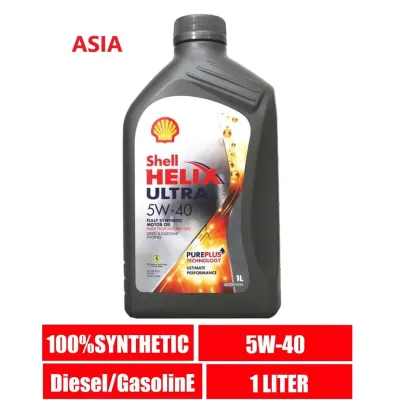
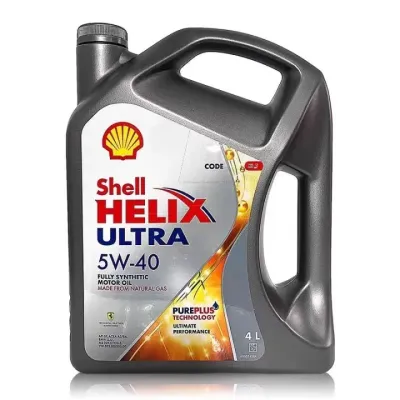
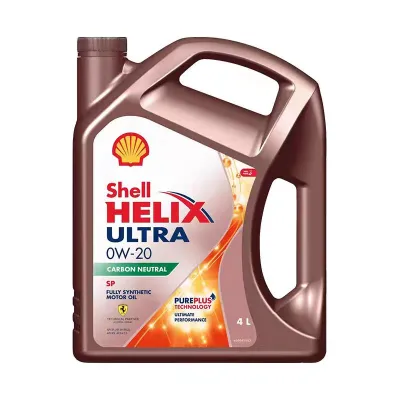
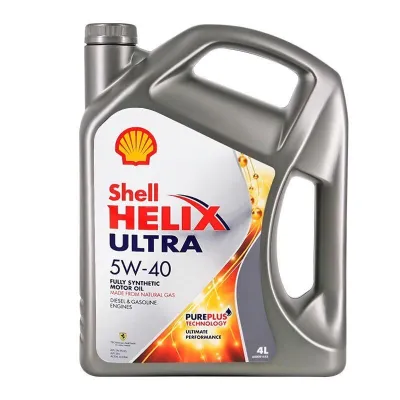
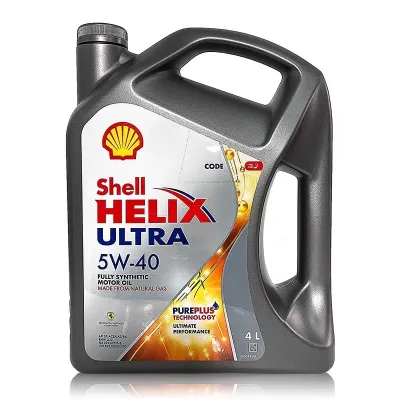
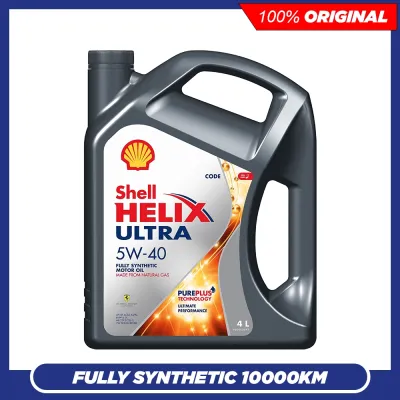
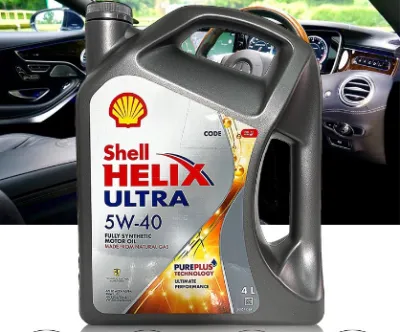
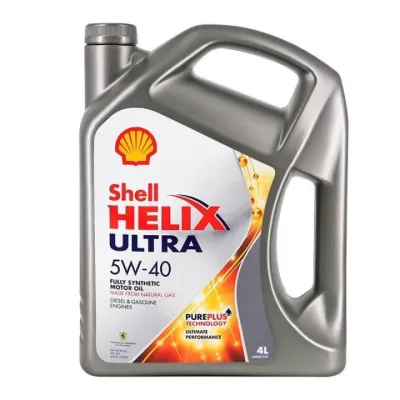
Prices are valid at publication and may change. Please refer to the product page for the latest price.
Why 5W-40 Full Synthetic? The Baseline for Comparison
To understand why these three oils are so highly regarded, we must first look at the baseline standard they all share: the 5W-40 viscosity rating and full synthetic construction. The Society of Automotive Engineers (SAE) viscosity grade “5W-40” tells us how the oil behaves at extreme temperatures. The “5W” portion indicates the oil’s low-temperature flow characteristics, where “W” stands for winter. In a tropical climate like the Philippines, this low-temperature rating ensures that when you crank your engine first thing in the morning, the oil quickly and effortlessly circulates to the top of the cylinder head, minimizing dry-start wear.

The “40” represents the oil’s kinematic viscosity at 100°C, which is the typical operating temperature of a fully warmed-up engine. A 40-weight oil provides a robust, thick protective barrier that prevents metal-to-metal contact under high thermal loads. This is particularly beneficial for engines that run hot, such as turbocharged petrol engines or common-rail direct-injection (CRDI) diesels.
Full synthetic oils are engineered from highly refined base stocks, unlike conventional mineral oils which are simply refined crude. This chemical purity gives full synthetics several inherent advantages. They possess superior thermal stability, meaning they do not break down or oxidize easily when exposed to intense engine heat. They also offer excellent resistance to volatility, reducing the amount of oil that evaporates and burns off over time, and they inherently resist the formation of harmful sludge and varnish deposits.
Because Shell Helix Ultra, Castrol EDGE, and Motul 8100 all meet this premium baseline, your purchasing decision cannot be made on viscosity alone. Instead, you must look closely at the unique base oil technologies, specialized additive packages, and manufacturer-specific approvals that set them apart.
Brand Formulation Approaches: Shell vs. Castrol vs. Motul
Every major lubricant manufacturer approaches engine protection from a slightly different chemical angle. Understanding these philosophies allows you to match the oil’s engineered strengths to your driving style. Keep in mind that these technologies can vary across specific product batches and regional formulations, so you should always verify the technical details on the product label or Technical Data Sheet (TDS).
Shell Helix Ultra: Gas-to-Liquid (GTL) Technology
Shell’s flagship synthetic oil is defined by its patented PurePlus Technology, which uses a Gas-to-Liquid (GTL) process. Instead of refining crude oil, Shell chemically converts natural gas into a crystal-clear base oil that is virtually free of the impurities found in traditional crude. This ultra-pure base oil provides exceptional resistance to thermal breakdown and extremely low volatility, which helps reduce oil consumption.
Combined with Shell’s Active Cleansing Technology, Helix Ultra is specifically formulated to prevent dirt and sludge particles from clumping together and forming deposits. This focus on maximum engine cleanliness makes it an outstanding choice for drivers who want to maintain factory-level engine efficiency, keep internal components pristine, and ensure smooth, quiet operation over extended drain intervals.
Castrol EDGE: Titanium Film Strength
Castrol engineers its oils with a focus on structural strength under pressure. Castrol EDGE features Fluid Titanium Technology, an organometallic titanium polymer additive package designed to physically transform the oil’s behavior under extreme pressure. When engine loads peak—such as during hard acceleration, heavy towing, or steep climbs—the titanium molecules temporarily alter their structure to double the oil’s film strength, preventing the oil film from shearing or collapsing.
This technology reduces friction-inducing metal-to-metal contact across various engine speeds. By focusing on film strength and friction reduction under high-load conditions, Castrol EDGE is optimized for drivers who push their engines hard and require a robust safety margin against mechanical wear under severe stress.
Motul 8100: Ester and Advanced Synthetic Blends
Motul has a long-standing reputation in motorsport and high-performance circles, and its 8100 series (which includes popular variants like X-cess and X-clean) reflects this performance-oriented heritage. While Motul’s dedicated racing oils use pure Ester technology, the 8100 line utilizes advanced 100% synthetic formulations that blend high-quality Polyalphaolefins (PAO) and synthetic esters with premium additive packages.
Esters possess natural polar properties, meaning the oil molecules carry a slight electrical charge that causes them to cling tenaciously to metal engine surfaces even when the engine is turned off. This provides exceptional dry-start protection and outstanding thermal stability at extremely high temperatures. Furthermore, Motul designs the 8100 series to meet a broad range of stringent European OEM approvals, making it the go-to choice for owners of European imports who refuse to compromise on technical specifications.
Key Comparison Dimensions to Check on the Label
When standing in an auto supply shop or browsing an official online store, you should look past the marketing slogans and focus on the technical specifications printed on the back of the bottle. These industry standards and manufacturer approvals provide objective proof of an oil’s performance capabilities.
API and ACEA Standards
The American Petroleum Institute (API) and the European Automobile Manufacturers’ Association (ACEA) establish the global baselines for engine oil performance. For gasoline engines, look for the API service category, such as API SP or SN. The “SP” rating is the latest standard, specifically engineered to provide superior protection against Low-Speed Pre-Ignition (LSPI) in modern turbocharged direct-injection engines, as well as improved timing chain wear protection.
The ACEA sequences are equally critical, especially for European and diesel vehicles. An ACEA A3/B4 rating indicates a high-performance, shear-stable oil designed for direct-injection gasoline and diesel engines without exhaust aftertreatment systems. Conversely, an ACEA C3 rating indicates a mid-SAPS (Sulfated Ash, Phosphorus, and Sulfur) oil designed to be compatible with modern exhaust catalysts and Diesel Particulate Filters (DPFs). Always match these exact codes to the requirements detailed in your vehicle’s manual.
OEM Approvals
Vehicle manufacturers often have their own proprietary testing regimes that are far more demanding than basic API or ACEA standards. These are listed as OEM approvals on the back of the bottle. Examples include Mercedes-Benz MB-Approval 229.5 or 229.51, BMW Longlife-01 or Longlife-04, Volkswagen VW 502 00/505 00, and Porsche A40.
Motul 8100 is highly regarded because its specific sub-variants (like 8100 X-cess Gen2) carry a comprehensive suite of these official manufacturer approvals. Shell Helix Ultra and Castrol EDGE also offer extensive OEM coverage, but the exact approvals can vary depending on whether you are looking at a standard formulation or a specialized variant. Never assume a 5W-40 oil is compatible with your European car simply because of its viscosity; verify that the specific OEM approval code is printed on the label.
High-Temperature High-Shear (HTHS)
HTHS viscosity measures an oil’s resistance to flow and shear under extreme temperatures (150°C) and high-speed shearing conditions, simulating the environment inside an engine’s main bearings and piston rings. A higher HTHS value (typically above 3.5 mPa·s for most 5W-40 oils) indicates a tougher, more resilient oil film that provides superior wear protection under heavy loads, though it may slightly increase internal engine drag compared to low-HTHS fuel-economy oils. If you drive your vehicle hard or carry heavy cargo, checking the HTHS value on the manufacturer’s Technical Data Sheet can help you identify the most protective option.
Sulfated Ash, Phosphorus, and Sulfur (SAPS)
The level of SAPS in an engine oil determines its compatibility with modern emission control systems. High-SAPS oils provide robust anti-wear and detergent properties but can quickly poison catalytic converters and clog Diesel Particulate Filters (DPFs) over time. If your vehicle is equipped with a DPF (common in many modern diesel SUVs and pickup trucks in the Philippines), you must use a mid- or low-SAPS oil, such as Motul 8100 X-clean or a compatible low-SAPS variant of Shell or Castrol. Using a high-SAPS oil like standard Shell Helix Ultra A3/B4 or Castrol EDGE A3/B4 in a DPF-equipped vehicle can lead to premature exhaust system failure and expensive repairs.
Matching the Oil to Philippine Driving Conditions
The unique driving environment in the Philippines places extraordinary demands on engine lubricants. To choose the right oil, you must consider how tropical heat, severe traffic, and local driving habits affect oil degradation.
Stop-and-Go Traffic
Whether navigating the congested streets of Metro Manila during rush hour or crawling through urban centers like Cebu and Davao, vehicles spend an immense amount of time idling. This low-speed, stop-and-go driving is considered a “severe” operating condition by vehicle manufacturers. Prolonged idling prevents the engine from reaching its optimal self-cleaning operating temperature, leading to incomplete combustion, fuel dilution (where unburnt fuel mixes with the oil), and moisture condensation.
These factors accelerate the formation of black sludge and harmful acids. In this environment, an oil with exceptional detergent and dispersant properties is vital. Shell Helix Ultra, with its active cleansing agents and high-purity GTL base oil, excels at keeping these contaminants suspended in the oil, preventing them from settling on critical engine components as harmful deposits.
High Ambient Temperatures
The Philippines experiences a tropical climate with high ambient temperatures and intense humidity throughout the year. During the dry season, temperatures can easily soar past 35°C, and when combined with stagnant city traffic, under-hood temperatures reach extreme levels. Under these conditions, a lower-viscosity oil can thin out excessively, compromising the protective oil barrier.
A 5W-40 full synthetic oil provides a crucial safety margin. The “40” hot viscosity ensures that the oil maintains a stable, resilient film even under intense heat, preventing metal-to-metal wear on the crankshaft, camshafts, and cylinder walls. All three brands offer excellent thermal stability, but Castrol EDGE’s Fluid Titanium technology and Motul’s ester-blended formulations are particularly adept at maintaining film integrity when the engine is subjected to high thermal stress.
Highway vs. City Driving
The lubrication requirements for a daily city commuter differ significantly from those of a vehicle used for long-distance provincial trips along the NLEX, SLEX, or Star Tollway. City driving requires an oil that flows quickly at startup and resists sludge formation during short trips.
In contrast, high-speed highway driving demands superior shear stability. At sustained high RPMs, the oil is subjected to intense mechanical shearing forces that can physically chop the polymer molecules, permanently thinning the oil. For long-distance driving, heavy loads, or spirited driving through mountainous regions like Baguio or Tagaytay, Castrol EDGE and Motul 8100 offer outstanding shear stability, ensuring the oil does not lose its viscosity grade over the course of its service life.
How to Verify Compatibility and Make the Final Choice
Selecting the right engine oil requires a methodical approach to ensure vehicle safety, warranty compliance, and optimal performance. Follow this step-by-step checklist before making your purchase.
- Step 1: Consult the Owner's Manual: Your vehicle's manual is the ultimate authority. Locate the engine lubrication section and note the recommended SAE viscosity grade (e.g., 5W-40), the minimum API or ACEA service category, and any mandatory OEM approval codes. Never deviate from these requirements, especially if your vehicle is still under the manufacturer's warranty.
- Step 2: Assess Engine Condition and Mileage: Consider your vehicle's mechanical state. For brand-new vehicles with tight internal clearances, strictly adhere to the manufacturer's recommended viscosity, which is often a lighter grade like 0W-20 or 5W-30. If your manual permits 5W-40, it is an excellent choice. For high-mileage vehicles (typically over 100,000 kilometers) that show signs of minor oil consumption or weeping seals, switching to a high-quality 5W-40 full synthetic can help seal worn clearances, reduce oil consumption, and restore quiet operation.
- Step 3: Verify Authenticity and Avoid Counterfeits: The local market faces a persistent challenge with counterfeit engine oils, which can cause catastrophic engine damage due to substandard base oils and lack of protective additives. When purchasing Shell, Castrol, or Motul, avoid deals that seem too good to be true. Inspect the bottle carefully for high-quality printing, intact tamper-evident seals, and matching batch codes on the bottle and cap. Always purchase from authorized physical auto supply shops, official brand flagship stores on major e-commerce platforms, or reputable service centers.
- Step 4: Evaluate Value and Drain Intervals: While premium full synthetic oils carry a higher upfront cost—typically ranging from ₱600 to ₱1,200 per liter in the Philippines—they offer a lower cost per kilometer over time compared to mineral oils. Full synthetics can safely support longer drain intervals (typically 10,000 kilometers or 12 months, whichever comes first, under normal driving conditions) compared to the 5,000-kilometer interval of conventional oils. Always adjust your drain interval based on your driving habits; if you drive exclusively in severe stop-and-go traffic, shortening the interval to 7,500 kilometers is a prudent way to protect your investment.
Frequently Asked Questions (FAQ)
Can I mix Shell Helix Ultra with Castrol EDGE or Motul 8100?
In an emergency situation where your oil level is dangerously low, mixing different brands of certified full synthetic oils of the same 5W-40 viscosity is acceptable and will not cause immediate engine damage. All modern API-certified oils are designed to be compatible with one another. However, doing so is not recommended as a long-term practice. Mixing different brands dilutes the highly specialized, proprietary additive packages of each oil, potentially reducing the overall protective and cleansing efficiency. For optimal performance, always perform a complete oil and filter change using a single brand and formulation.
Is 5W-40 too thick for a brand-new car in the Philippines?
Not necessarily, but you must let your vehicle’s owner’s manual guide you rather than relying on general assumptions about the tropical climate. While the hot Philippine weather might make a slightly thicker oil seem logical, modern engines are designed with extremely tight manufacturing tolerances that require specific, often thinner, oil grades (such as 0W-20 or 5W-30) to ensure proper lubrication of tight bearing clearances and variable valve timing systems. If your owner’s manual explicitly lists 5W-40 as an approved viscosity for your specific engine model and year, then it is perfectly safe to use. If it does not, stick strictly to the manual’s recommended grade to prevent oil starvation and potential engine wear.
Community discussion
Share your experience or ask a question. Comments are reviewed before publication.