
Quick Answer: Which Brand Fits Your Driving Style?
Choosing the right engine oil can feel overwhelming when standing in front of shelves filled with different brands, colors, and viscosity ratings. There is no single “best” brand for every car on the road; instead, the ideal choice depends on your vehicle’s specific manufacturer guidelines, its mechanical age, and your daily driving conditions. In the Philippines, where high ambient temperatures, intense humidity, and notorious stop-and-go traffic are the norm, these factors play an even more critical role in how your engine oil performs.
To give you a quick overview, each of the three major brands occupies a distinct niche in the automotive market. Shell’s Helix oil lineup is highly regarded for daily commuting, urban efficiency, and keeping engines clean through its gas-to-liquid base oil technology. Castrol is famous for its robust wear-protection additives, making it a favorite for high-mileage vehicles, older engines, and cars subjected to heavy loads. Motul stands out as the premium choice for high-performance vehicles, spirited driving, and extreme thermal stability, often utilizing advanced ester-based synthetics.
Before making any purchase, your first step must always be to check your vehicle’s owner’s manual. The manufacturer’s specified viscosity (such as 0W-20, 5W-30, or 10W-40) and industry standards (like API SP or ACEA C3) are absolute requirements. No brand reputation can compensate for using the wrong oil specification, which could lead to severe engine wear or void your vehicle’s warranty.
Products mentioned in this guide
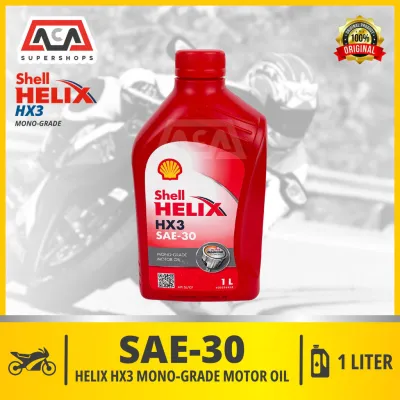
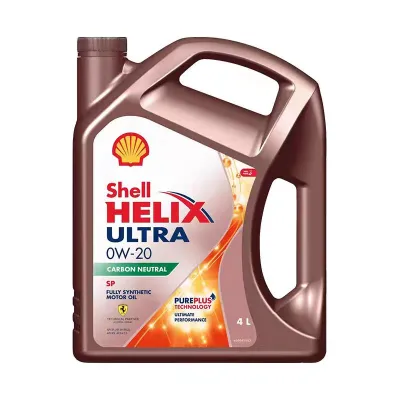
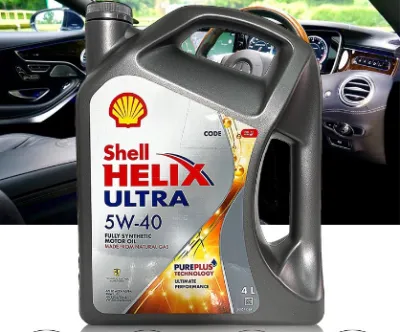
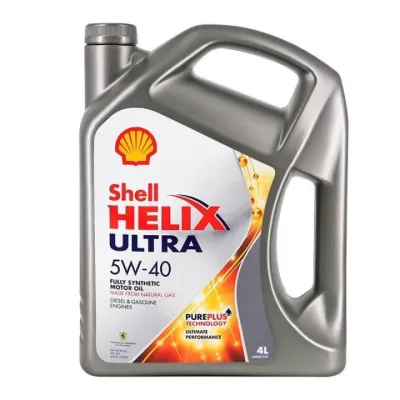
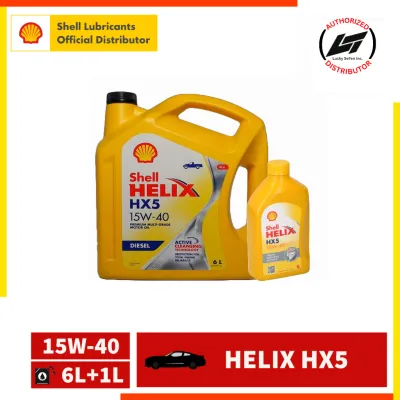
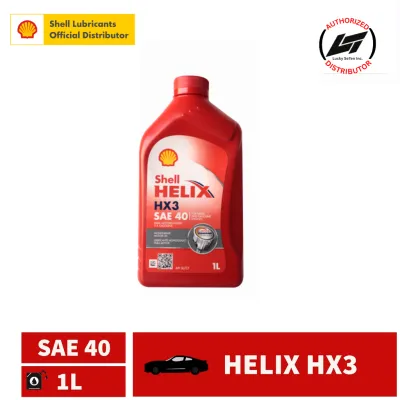
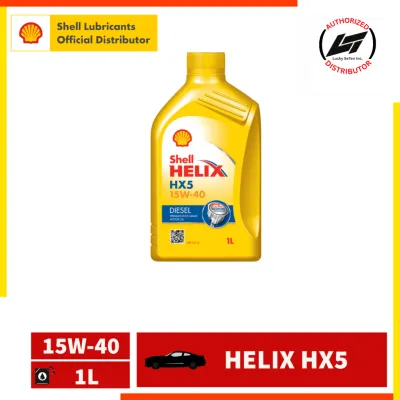
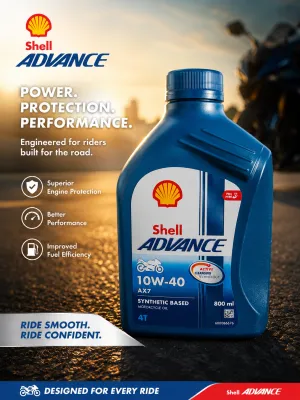
Prices are valid at publication and may change. Please refer to the product page for the latest price.
Core Differences in Formulation and Technology
Engine oils are not created equal, and their performance characteristics are directly tied to the manufacturer’s base oil selection and proprietary additive packages. Understanding these chemical foundations helps you see past marketing buzzwords and make an informed decision based on actual engineering.

Shell takes a unique approach to synthetic oil production by utilizing its patented gas-to-liquid (GTL) technology, known commercially as Shell PurePlus Technology. Unlike traditional synthetic base oils derived from crude oil, GTL base oils are synthesized from natural gas. This process results in a highly pure crystal-clear base oil that is virtually free of the impurities found in crude oil. The primary benefit of this purity is exceptional resistance to thermal breakdown and extremely low volatility, meaning the oil is less likely to evaporate or thin out under high operating temperatures, keeping your engine cleaner for longer.
Castrol focuses heavily on molecular-level additive engineering to combat engine wear. Their formulations, such as those found in Castrol Magnatec and Castrol EDGE, rely on specialized molecules designed to cling to critical engine components even when the engine is turned off. In standard oils, the lubricant drains back into the oil pan when the engine rests, leaving metal surfaces vulnerable during cold starts. Castrol’s additive philosophy aims to provide a continuous protective layer that reduces friction from the moment you turn the key, which is particularly beneficial for vehicles that undergo frequent start-stop cycles.
Motul has built its reputation on high-end synthetic chemistry, pioneering the use of ester-based formulations in automotive lubricants. Esters are organic compounds that exhibit natural polarity, meaning they are magnetically attracted to metal surfaces. This creates a highly resilient, microscopic film of oil that remains bonded to engine parts under extreme mechanical pressure and blistering temperatures. While Motul offers a wide range of standard passenger car oils, their high-performance lines utilize these ester technologies to prevent oil film shear, ensuring maximum engine protection during high-RPM operations or under heavy towing loads.
While these technologies highlight the distinct philosophies of each brand, you must verify the specific certifications of individual products. Formulations are updated regularly to meet evolving environmental and performance standards set by organizations like the American Petroleum Institute (API) and the European Automobile Manufacturers Association (ACEA). Always read the back label of the oil bottle to ensure the product meets or exceeds the current specification required by your car’s manufacturer.
Shell Helix: Ideal for Daily Commuting and Fuel Efficiency
For the vast majority of motorists navigating the dense, urban streets of Metro Manila, Metro Cebu, or other major Philippine cities, daily driving consists of low-speed commuting, prolonged idling, and constant stop-and-go traffic. This type of driving is deceptively harsh on an engine. When a vehicle spends hours crawling through traffic, the engine rarely reaches or maintains its optimal operating temperature for extended periods, which can accelerate the accumulation of harmful sludge and carbon deposits.
Shell Helix oil is engineered to address these specific urban driving challenges. The brand’s fully synthetic lines, such as Shell Helix Ultra, are formulated with Active Cleansing Technology. This additive package is designed to actively lock away dirt and deposit-forming particles before they can stick to critical engine surfaces. By preventing sludge buildup, the oil helps maintain unrestricted oil flow through narrow passages, ensuring that your engine remains properly lubricated and cooled even when idling in midday heat.
Furthermore, modern Shell Helix formulations place a strong emphasis on reducing internal engine friction to optimize fuel efficiency. Lower-viscosity options, such as 0W-20 and 5W-30, are designed to flow easily, reducing the energy the engine must expend to pump the oil. For daily commuters looking to stretch their fuel budget, this reduction in parasitic drag can translate into noticeable savings at the pump over time.
However, you must exercise caution when selecting lower-viscosity oils. While a thinner oil can improve fuel economy in modern engines designed for it, using a 0W-20 oil in an older engine specified for 10W-40 can lead to insufficient oil film thickness, resulting in accelerated wear. Always verify that the viscosity grade you choose is explicitly approved in your owner’s manual. Additionally, treat any fuel economy claims on the product packaging as potential maximums rather than guarantees, as real-world fuel consumption depends heavily on driving habits, tire pressure, and overall vehicle maintenance.
Castrol: Ideal for Engine Protection and High Mileage
As vehicles age and accumulate mileage, their internal clearances change, and the demands placed on the engine oil shift. Over tens of thousands of kilometers, rubber seals and gaskets can dry out, harden, and shrink, leading to minor oil leaks or oil consumption. Additionally, physical wear on piston rings and cylinder walls can allow combustion gases to blow past into the crankcase, accelerating oil contamination and sludge formation.
Castrol has positioned itself as a market leader in addressing the needs of older, high-mileage vehicles. Product lines like Castrol GTX and Castrol Magnatec Stop-Start contain specialized additive packages tailored for engines that have seen years of service. One of the key features of Castrol’s high-mileage formulations is the inclusion of active seal conditioners. These chemical agents are designed to gently penetrate and restore flexibility to hardened rubber seals and gaskets, helping to reduce or prevent external oil leaks and minimize oil consumption.
In addition to seal preservation, Castrol’s formulations focus heavily on robust anti-wear barriers. When an engine has wider tolerances due to wear, the oil film must be exceptionally strong to prevent metal-to-metal contact under load. Castrol’s proprietary additives form a sacrificial protective layer on metal surfaces, absorbing mechanical stress and reducing further wear on critical components like the camshaft and lifters.
It is vital to understand the limitations of these products. While high-mileage oils with seal conditioners can help manage minor seepage and slow down the aging process of your engine, they are not a cure for physical mechanical failure. If your engine is experiencing severe oil consumption, emitting blue smoke from the exhaust, or displaying low oil pressure warning lights, no bottle of oil can repair the physical damage. In such scenarios, you must consult a qualified mechanic to diagnose and repair the underlying mechanical issues before they lead to catastrophic engine failure.
Motul: Ideal for High Performance and Extreme Temperatures
If your driving habits go beyond the standard daily commute—whether you frequently drive up steep mountain passes like the road to Baguio, tow heavy trailers, drive a modified turbocharged vehicle, or participate in weekend track days—your engine operates under a completely different set of physical stressors. Under these high-load, high-RPM conditions, engine temperatures can soar, causing standard engine oils to thin out excessively and lose their protective qualities, a phenomenon known as thermal shear.
Motul is globally recognized for its exceptional performance under these punishing conditions. The brand’s flagship synthetic lines, such as the Motul 8100 series and the motorsport-derived Motul 300V, are engineered to maintain their viscosity and structural integrity at temperatures that would cause lesser oils to break down. By utilizing advanced synthetic base oils and ester technology, Motul ensures that a tough, continuous lubricating film remains between moving parts, preventing metal-to-metal contact even when the engine is pushed to its absolute limits.
This high thermal stability is particularly valuable in tropical climates like the Philippines, where ambient temperatures often exceed 35°C. When combined with aggressive driving or heavy loads, the cooling system and the engine oil are pushed to their maximum capacities. Motul’s resistance to oxidation prevents the oil from thickening prematurely or turning into a varnish-like substance on hot engine internals, ensuring consistent oil pressure and reliable protection.
However, this high level of performance comes with specific trade-offs that you must consider. Motul’s premium synthetic and ester-based lubricants are generally significantly more expensive than standard mineral or semi-synthetic options, with prices often ranging from ₱600 to over ₱1,200 per liter. Furthermore, true racing formulations like Motul 300V are designed for maximum protection over short, intense intervals and may lack the long-term detergent additives found in daily passenger car oils. This means they may require more frequent oil changes, making them less practical and less economical for a standard family car. Always match the oil’s performance profile to your actual driving needs and follow the manufacturer’s recommended service intervals.
Decision Framework: Matching Oil to Your Vehicle and Habits
To choose the right engine oil, you must weigh your typical driving environment, your vehicle’s mechanical condition, and your budget against the specific strengths of each brand. Use the following structured guidelines to help guide your final decision:
- Choose Shell Helix if: Your daily drive consists of heavy urban commuting, stop-and-go traffic, and frequent short trips. You drive a modern, fuel-efficient vehicle that specifies low-viscosity oils (such as 0W-20 or 5W-30). Your primary goals are maintaining engine cleanliness, preventing urban sludge buildup, and maximizing fuel economy.
- Choose Castrol if: Your vehicle has accumulated high mileage (typically over 80,000 kilometers) and is showing early signs of aging, such as minor oil seepage or slight oil consumption. You operate a utility vehicle, pickup truck, or SUV that frequently carries heavy passenger or cargo loads. You want a focus on robust, long-term wear protection and keeping older engine components well-lubricated.
- Choose Motul if: You drive a high-performance, turbocharged, or modified vehicle, or you frequently engage in spirited driving. Your vehicle operates under extreme thermal stress, such as frequent long-distance driving in hot weather, towing, or mountain climbing. You prioritize maximum oil film strength and thermal stability, and you are willing to accept a higher price per liter and potentially shorter maintenance intervals.
- Verify first if: You are unsure of the exact viscosity or specification required for your vehicle. Always consult your owner's manual or contact an authorized dealership. Your vehicle is still covered under an active manufacturer's warranty, as using an unapproved oil brand or incorrect specification can void your warranty coverage. If you plan to switch from a conventional mineral oil to a fully synthetic oil, consult a qualified mechanic to inspect your engine's seals first, as older seals can sometimes leak when exposed to the high detergent properties of fully synthetic lubricants.
Frequently Asked Questions (FAQ)
Can I mix Shell Helix, Castrol, and Motul oils?
In an emergency situation where your engine’s oil level is critically low, mixing different brands of oil is acceptable to prevent severe engine damage from oil starvation. However, you should only mix oils that share the same viscosity grade and API/ACEA certifications. This is not a recommended practice for long-term use. Each brand utilizes a unique, proprietary blend of additives that are chemically balanced to work together. Mixing different brands can disrupt this balance, potentially reducing the overall effectiveness of the wear protection and detergent properties. If you must mix oils in an emergency, it is highly recommended to perform a full oil and filter change as soon as possible to restore optimal protection.
How does the tropical climate affect my engine oil choice?
The tropical climate of the Philippines, characterized by high ambient temperatures and high humidity, places unique demands on your engine oil. High outside temperatures mean your engine runs hotter, which can cause the oil to thin out more rapidly than it would in cooler climates. To ensure adequate engine protection, you must pay close attention to the high-temperature viscosity rating (the second number in a grade like 5W-40). While it can be tempting to switch to a significantly thicker oil to compensate for the heat, doing so can restrict oil flow in modern engines with tight tolerances. Always stick strictly to the viscosity range recommended by your vehicle manufacturer for hot climates, and prioritize oils with high thermal stability and shear resistance.
Community discussion
Share your experience or ask a question. Comments are reviewed before publication.