
When selecting heavy-duty engine oil, the alphanumeric code on the label is the single most critical piece of information for protecting your vehicle. For diesel vehicle owners, choosing an oil like shell rimula 10w40 means selecting a multi-grade lubricant designed to balance quick startup protection with robust high-temperature defense. This specific viscosity rating determines how easily the oil flows when the engine is cold and how well it maintains its protective barrier when hauling heavy loads under intense operating conditions. Understanding what these numbers mean is the key to maximizing engine life, maintaining fuel efficiency, and preventing costly mechanical wear.
Decoding the 10W-40 Viscosity Rating
The “10W-40” designation is defined by the Society of Automotive Engineers (SAE) to indicate how an engine oil behaves at extreme temperatures. The first part of the rating, “10W,” stands for “Winter” and measures the oil’s flow characteristics at low temperatures. A lower number before the “W” indicates that the oil remains fluid and pumpable at colder temperatures, allowing it to reach critical engine components quickly during a cold start. Even in tropical climates where freezing temperatures are non-existent, a 10W rating ensures rapid lubrication upon startup, which is when a significant portion of internal engine wear occurs.
The second number, “40,” represents the oil’s viscosity at standard operating temperature, measured at 100 degrees Celsius. This rating indicates the lubricant’s ability to resist thinning when the engine is fully warmed up and running under load. A 40-grade oil provides a relatively thick, robust protective film that cushions moving parts, such as pistons, crankshafts, and bearings, against metal-on-metal contact under high thermal stress.
Products mentioned in this guide
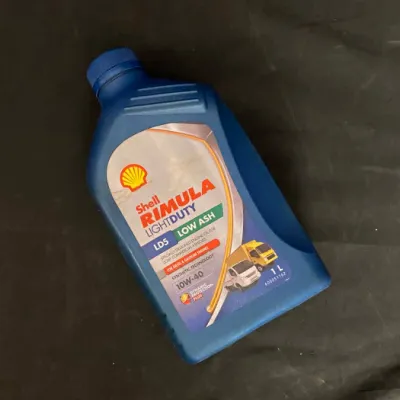
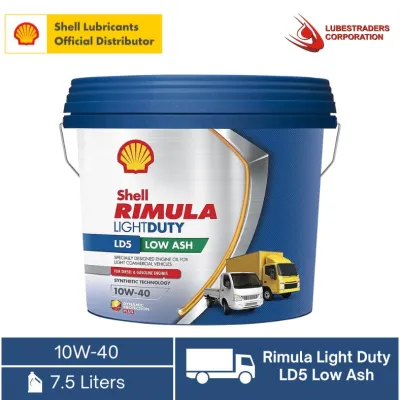
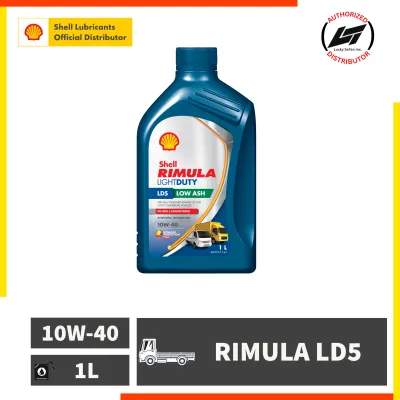
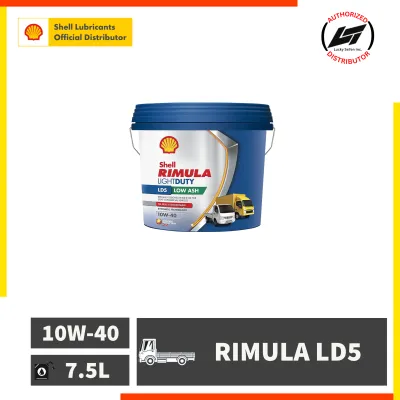
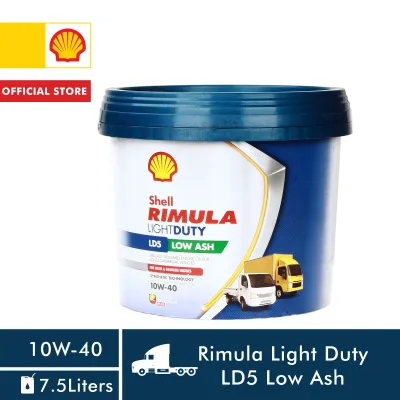
Prices are valid at publication and may change. Please refer to the product page for the latest price.
Historically, vehicle owners had to switch between single-grade oils as seasons changed, using thin oils for cold weather and thick oils for hot weather. The development of multi-grade oils, achieved by blending polymer additives known as viscosity index improvers into the base oil, eliminated this need. These modern formulations flow like a lighter oil when cold but retain the protective thickness of a heavier oil when hot, providing year-round protection.
However, it is important to clarify that viscosity is strictly a measurement of flow resistance, not an indicator of overall oil quality, purity, or additive performance. Two different lubricants can share a 10W-40 rating while offering vastly different levels of engine protection, detergent performance, and longevity based on their formulation and base oil quality.
Why Diesel Engines Require Specific Oil Formulations
Diesel engines operate under significantly harsher conditions than their gasoline counterparts, requiring specialized lubricants that go far beyond basic viscosity ratings. Because diesel engines rely on high compression ratios to ignite fuel, they experience immense internal pressures and elevated operating temperatures. This extreme thermal stress can rapidly degrade standard automotive oils, causing them to lose their viscosity and fail prematurely.

Furthermore, the combustion of diesel fuel inherently produces soot, a highly abrasive carbon byproduct. If left unchecked, soot particles can clump together, turning the engine oil into a thick, abrasive sludge that accelerates wear on camshafts, lifters, and bearings. Heavy-duty diesel oils are formulated with robust dispersant additives that keep soot particles suspended individually in the oil, preventing them from agglomerating and causing damage.
To ensure an oil can handle these unique challenges, international bodies establish specific diesel performance standards, such as the American Petroleum Institute (API) “C” (Commercial) series or the European Automobile Manufacturers’ Association (ACEA) “E” series. These specifications, which appear on the back label of products like Shell Rimula, dictate the oil’s ability to manage soot, control deposits, and resist oxidation.
Consequently, matching the 10W-40 viscosity grade alone is not enough to guarantee your engine is protected. You must always verify that the oil carries the correct diesel-specific performance specification required by your vehicle manufacturer, ensuring the additive package is fully equipped to handle the heavy-duty demands of diesel combustion.
Shell Rimula 10W-40 Performance in Real-World Conditions
In demanding driving environments—such as navigating congested urban traffic or hauling heavy cargo up steep mountain passes—engine oil is subjected to severe thermal stress. Under these high-load, high-temperature conditions, a 40-grade high-viscosity rating helps prevent the oil from breaking down or thinning excessively. This maintains critical oil pressure and ensures that a durable lubricating film remains between fast-moving engine components, even during prolonged idling or heavy towing in hot climates.
Regarding cold-start performance, a 10W rating is exceptionally well-suited for tropical and moderate climates. While drivers in freezing sub-zero regions might require a 5W or 0W oil to prevent the lubricant from gelling, a 10W formulation flows effortlessly in warm ambient temperatures, providing immediate protection the moment the ignition is turned.
It is also worth noting that the “Shell Rimula 10W-40” family comprises several distinct product lines tailored to different operational needs and budgets. For instance, Shell Rimula R5 is a synthetic-technology lubricant designed to offer enhanced fuel economy and superior deposit control, while other variants may utilize advanced mineral bases or full synthetic formulations.
Because of these differences, you should never assume that all 10W-40 oils are identical. Always check the specific product data sheet and bottle label to verify its base oil composition, active additive technologies, and specific Original Equipment Manufacturer (OEM) approvals to ensure it aligns with your vehicle’s requirements.
How to Verify if 10W-40 Is Right for Your Diesel Engine
Before purchasing or switching your engine oil, follow this practical verification process to guarantee safety, compatibility, and optimal performance.
- Step 1: Consult the Owner's Manual: The vehicle manufacturer's manual is the ultimate authority on lubrication requirements. Locate the engine maintenance section to find the approved viscosity chart, which typically maps recommended SAE grades against ambient temperature ranges.
- Step 2: Match Performance Standards: Look at the back label of the oil bottle and cross-reference its API (e.g., CK-4, CJ-4) or ACEA (e.g., E6, E9) specifications with those demanded by your vehicle's manufacturer. This step is critical for maintaining your engine warranty and protecting modern exhaust aftertreatment systems, such as Diesel Particulate Filters (DPF).
- Step 3: Assess Operating Conditions: Consider your typical driving habits and environment. Manufacturers sometimes allow a shift in viscosity grades depending on usage; for example, they may recommend a thicker oil like 15W-40 for continuous heavy towing in hot climates, or a lighter multi-grade like 10W-40 to improve cold-start efficiency and fuel economy in mixed driving conditions.
Safety and Warranty Boundary: Never switch to a 10W-40 oil if your owner’s manual strictly mandates a different viscosity grade, such as 5W-30 or 15W-40, without first consulting an authorized dealer or a qualified mechanic. Using an unapproved viscosity can lead to poor fuel economy, increased engine wear, oil starvation during startup, or damage to emissions control systems, potentially voiding your manufacturer’s warranty.
Frequently Asked Questions (FAQ)
Can I mix 10W-40 with other viscosity grades in an emergency?
Yes, mixing different viscosity grades (such as adding a 15W-40 to top up a 10W-40 engine) is acceptable in an emergency to prevent running your engine dry. However, this alters the overall viscosity profile and dilutes the specific additive balance of your primary oil. You should schedule a full oil and filter change as soon as possible to restore uniform protection.
Is 10W-40 suitable for modern turbocharged diesel engines?
Yes, 10W-40 oils are widely used in turbocharged diesel engines, provided they carry the specific API or ACEA performance standards required for turbocharger lubrication. Turbochargers operate at extremely high rotational speeds and temperatures, requiring oils with excellent thermal stability to prevent deposit buildup on turbo bearings. Always check your manual, as some modern light-duty turbo diesels require lower-viscosity oils for emissions compliance.
How often should I change Shell Rimula 10W-40 in a diesel engine?
There is no universal mileage interval for an oil change. The proper drain interval depends on the specific Shell Rimula product variant (such as synthetic blend or full synthetic), your vehicle manufacturer’s guidelines, and your driving conditions. Severe driving, heavy hauling, and frequent short trips reduce oil life, so always follow the maintenance schedule outlined in your owner’s manual.
Community discussion
Share your experience or ask a question. Comments are reviewed before publication.