
Choosing the right engine oil for your diesel vehicle is not about finding a single, universally superior brand. Whether you are looking at Shell, Castrol, or Motul, the absolute best 5W-30 fully synthetic diesel oil is the one that matches the exact engineering specifications, industry standards, and original equipment manufacturer (OEM) approvals required by your vehicle’s manufacturer. Selecting an oil based solely on brand reputation or marketing promises can lead to sub-optimal engine performance, increased wear, or even severe damage to sensitive emission control systems.
The 5W-30 viscosity rating plays a critical role in modern diesel engines, particularly in balancing cold-start protection with high-temperature durability. The “5W” designation indicates how easily the oil flows at low temperatures, ensuring rapid lubrication to vital engine components immediately upon startup. Meanwhile, the “30” rating represents the oil’s operating viscosity at standard engine running temperatures, providing a thin yet robust protective film that minimizes internal friction and supports fuel efficiency. In tropical climates like the Philippines, where ambient temperatures remain consistently warm, this balance remains vital because engines still experience significant wear during the initial startup phase before reaching operating temperature.
To make an informed decision, your first step must always be to consult your vehicle’s owner’s manual. This document contains the precise specification codes—such as those from the American Petroleum Institute (API), the European Automobile Manufacturers’ Association (ACEA), or proprietary manufacturer standards—that your engine oil must meet. By understanding these requirements first, you can transition from guessing which brand is best to systematically verifying which specific product line from Shell, Castrol, or Motul is engineered for your vehicle.
Products mentioned in this guide
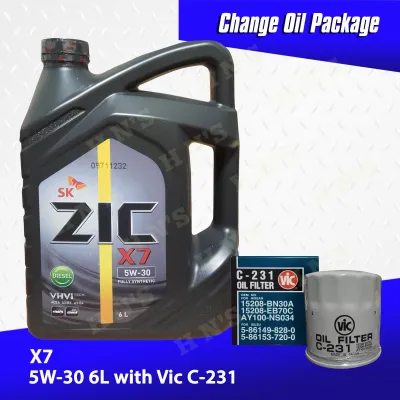
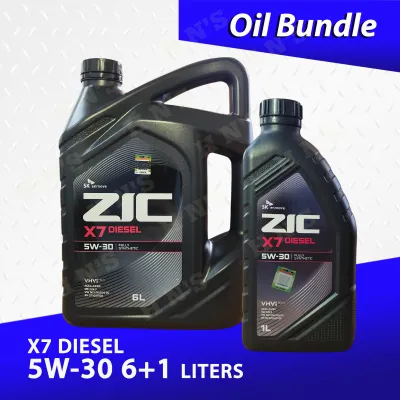
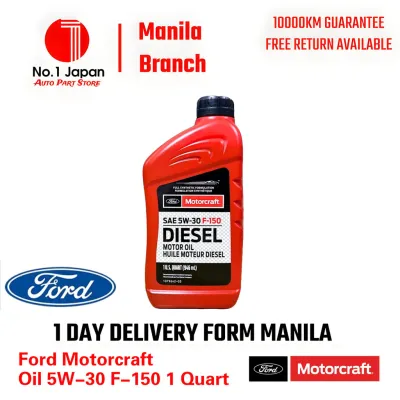
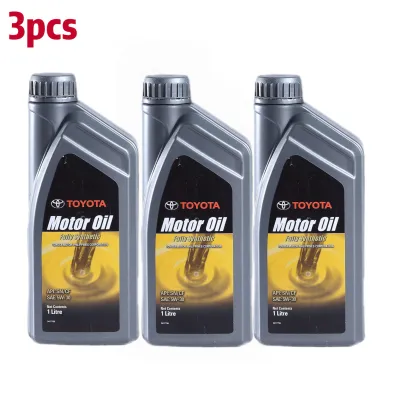
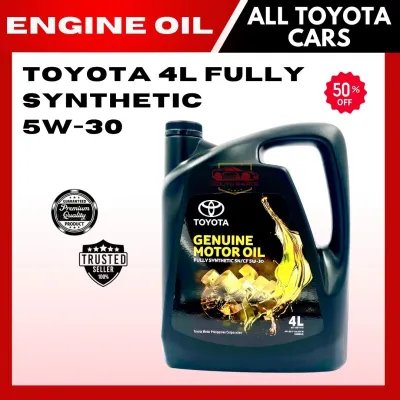
![Toyota Fully Synthetic Engine Oil 5W-30 [7 Liters + Oil Filter] Oil Change for Diesel/Gas Innova | Fortuner | Hilux | HiAce](https://img.lazcdn.com/g/p/3fa4e9d55e7a2ff8145bec23918a679a.png_400x400q80.png_.webp)
![Toyota 5W-30 Fully Synthetic Engine Oil [7 Liters + Oil Filter] Change Oil Package for Diesel/Gas Innova | Fortuner | Hilux | HiAce](https://img.lazcdn.com/g/p/f94f6c7fe479eb042e9d1d1d208498c6.png_400x400q80.png_.webp)
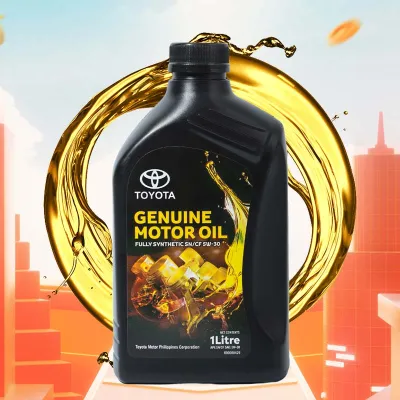
Prices are valid at publication and may change. Please refer to the product page for the latest price.
Comparing Shell, Castrol, and Motul: What to Check on the Label
When comparing Shell, Castrol, and Motul, you must look past the front-label marketing terms and focus on the technical specifications printed on the back of the bottle. Each brand designs its product lines with distinct formulation philosophies and additive packages, which are verified through standardized industry testing. Understanding how to read these labels allows you to evaluate each option objectively based on your engine’s specific needs.
Shell’s fully synthetic diesel oils, such as those found in their Helix or Rimula product lines, frequently highlight active cleansing technologies designed to prevent the buildup of harmful deposits. When examining a Shell bottle, turn to the back label to verify the specific industry certification codes, such as API CK-4 or ACEA C3. These codes confirm that the oil has met rigorous laboratory standards for soot handling and deposit control, which are critical for maintaining efficiency in modern common-rail direct injection (CRDI) diesel engines.
Castrol’s product lines, including their EDGE and Magnatec formulations, often emphasize wear protection under high-stress conditions. To verify these claims, you should cross-reference the standards listed on the Castrol label with your vehicle’s requirements. Look for specific European standards like ACEA C3 or C4, or American standards like API CJ-4, which indicate the oil’s ability to maintain its protective barrier under intense mechanical pressure. This verification ensures the oil can withstand the high torque loads typical of modern turbocharged diesel passenger vehicles and utility trucks.
Motul, particularly within its 8100 and Specific product lines, is highly regarded for offering formulations tailored to precise OEM approvals. When inspecting a Motul bottle, you will often find a detailed list of manufacturer-specific standards, such as Mercedes-Benz (MB-Approval), BMW (Longlife), or Volkswagen (VW). If your vehicle requires a highly specific manufacturer approval rather than a general API or ACEA standard, Motul’s label is where you should verify these exact matches. Additionally, check if the formulation is designated as “Low SAPS” (Sulfated Ash, Phosphorus, and Sulfur), which is crucial for vehicles equipped with advanced exhaust aftertreatment systems.
It is vital to remember that engine oil formulations, sub-lines, and approvals are updated periodically by manufacturers to meet evolving environmental and engineering standards. The physical bottle label and the official Technical Data Sheet (TDS) provided by the brand are the only legally binding and accurate sources of compatibility information. Never rely on outdated forum posts or generic online compatibility tools; always verify the active certifications on the physical container before pouring any oil into your engine.
Matching the Oil to Your Driving Conditions and Vehicle
Beyond matching basic manufacturer specifications, your daily driving environment and vehicle usage patterns should guide your choice among compliant oil formulations. Different driving conditions subject your engine to distinct thermal and mechanical stresses, requiring specific oil characteristics to ensure long-term durability.

If your daily commute consists primarily of city driving, short trips, and stop-and-go traffic in congested urban areas, your engine is highly susceptible to low-temperature sludge formation and fuel dilution. Under these conditions, the engine rarely reaches or maintains its optimal operating temperature for extended periods, which can lead to incomplete combustion and soot accumulation in the oil. To combat this, look for a 5W-30 formulation that explicitly lists high detergent and dispersant properties on its Technical Data Sheet. These additives keep soot particles suspended in the oil, preventing them from agglomerating into abrasive sludge that can restrict oil passages and accelerate engine wear.
For vehicles frequently driven on open highways, used for towing heavy loads, or subjected to sustained high-RPM operation, thermal stability is the primary concern. High operating temperatures can cause lower-quality oils to oxidize rapidly, leading to viscosity increase, oil consumption, and varnish deposits on internal components. In these scenarios, you must verify the oil’s High-Temperature High-Shear (HTHS) viscosity rating. A higher HTHS viscosity indicates that the oil film will remain stable and resist thinning out under extreme heat and mechanical shear, preserving critical boundary lubrication for your engine’s bearings and piston rings.
If you drive a modern diesel vehicle equipped with a Diesel Particulate Filter (DPF) or other advanced emission control systems, you must pay strict attention to the chemical composition of the oil. Standard diesel engine oils contain additives that, when burned in small quantities during normal operation, leave behind metallic ash deposits that can permanently clog and damage a DPF. To prevent this costly issue, you must confirm that the selected 5W-30 oil is a Low SAPS (or Mid SAPS) formulation, typically certified under ACEA C-series standards (such as C2, C3, or C4). Using a non-compliant high-ash oil in a DPF-equipped vehicle can lead to frequent filter regeneration cycles, reduced fuel economy, and eventual exhaust system failure.
How to Verify Compatibility and Make Your Final Choice
Selecting the right 5W-30 fully synthetic diesel oil requires a structured decision-making process that prioritizes mechanical compatibility over brand loyalty. By following a clear framework, you can confidently choose the oil that will protect your engine and preserve your vehicle’s warranty.
Your final decision should follow a strict conditional logic based on your owner’s manual. Choose a specific product line from Motul if your vehicle requires a highly specialized, proprietary OEM approval that is explicitly listed on the bottle. Opt for a compliant formulation from Shell or Castrol if your vehicle relies on broader industry standards, such as API or ACEA, and you prefer their specific additive focus, such as active cleaning or enhanced wear protection. While premium synthetic oils may require a higher initial investment in ₱, they often offset this cost by extending engine life and maintaining fuel efficiency.
To protect your engine from the severe risks associated with counterfeit lubricants, you must exercise extreme caution when purchasing engine oil. Only buy your selected oil from authorized distributors, official brand flagship stores on reputable online marketplaces, or established automotive service centers. Counterfeit oils often use cheap, low-grade base stocks and lack the essential additive packages required to protect modern diesel engines, which can lead to catastrophic engine failure within a few thousand kilometers.
If you encounter any discrepancy between the certification codes on the oil bottle and the requirements listed in your owner’s manual, or if you cannot verify the authenticity of the product, you must immediately halt the purchase. Do not assume that a “premium” brand name or a matching 5W-30 viscosity rating is sufficient to guarantee safety. In such cases, consult a qualified automotive technician or contact the vehicle manufacturer’s official service center to verify compatibility before proceeding with an oil change.
Frequently Asked Questions (FAQ)
Can I mix Shell, Castrol, and Motul 5W-30 diesel oils?
While mixing fully synthetic diesel oils of the same 5W-30 viscosity and matching industry standards is generally safe in emergency situations, it is not recommended for regular use. Different brands utilize proprietary additive packages that are carefully balanced for optimal performance, and mixing them can cause these chemical additives to interact, potentially reducing the oil’s overall effectiveness and wear-protection capabilities. For the best engine protection, perform a complete oil drain and filter replacement when switching from one brand to another.
Does fully synthetic 5W-30 diesel oil last longer than conventional oil?
Fully synthetic 5W-30 diesel oils offer superior oxidation resistance, thermal stability, and shear resistance compared to conventional mineral oils, allowing them to maintain their protective properties longer under harsh conditions. However, this enhanced durability does not mean you should arbitrarily extend your oil change intervals. You must strictly adhere to the mileage or time limits specified in your vehicle’s owner’s manual, as factors like fuel dilution, soot loading, and local driving conditions ultimately dictate when the oil must be replaced.
Is 5W-30 suitable for all diesel engines in the Philippines?
While 5W-30 fully synthetic oil provides excellent cold-start flow and modern fuel efficiency benefits, it may not be suitable for every diesel engine operating in the tropical climate of the Philippines. Some older diesel engines, or those subjected to continuous heavy towing and high ambient heat, are designed to run on higher viscosity oils such as 5W-40 or 15W-40 to maintain adequate oil pressure and film thickness. Always consult your vehicle’s owner’s manual to verify if 5W-30 is an approved viscosity grade for your specific engine and operating environment.
Community discussion
Share your experience or ask a question. Comments are reviewed before publication.