
Quick Answer: Is There a Single "Best" Brand?
When comparing Shell, Castrol, and Motul 5W-30 fully synthetic oils, there is no single brand that is universally superior for every vehicle. The ideal choice depends entirely on your vehicle manufacturer’s specific requirements, your daily driving habits, and the environmental conditions your car faces. Each of these premium manufacturers designs its lubricants with distinct chemical formulations and proprietary additive packages tailored to different engine priorities.
To make the right choice, you must look beyond the brand logo and focus on a condition-based decision framework. This involves matching the oil’s certified specifications with your car’s engine design, considering your typical driving routes, and verifying local product availability. A high-performance European sedan, a family crossover idling in heavy city traffic, and an older utility vehicle carrying heavy loads all demand different properties from a 5W-30 lubricant.
Ultimately, verifying the correct industry standards and original equipment manufacturer (OEM) approvals on the back label of the bottle is far more critical than the brand name itself. An oil that carries the exact approval code specified in your owner’s manual will always protect your engine better than a premium brand oil that lacks that specific certification.
Products mentioned in this guide
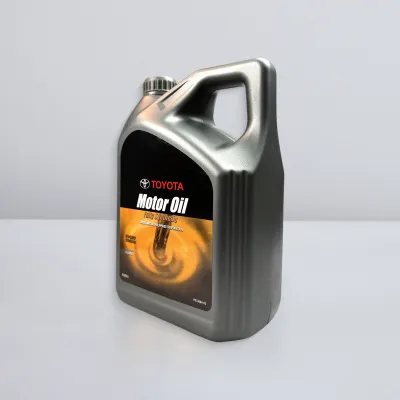
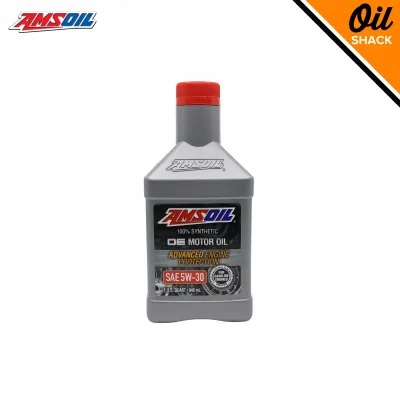
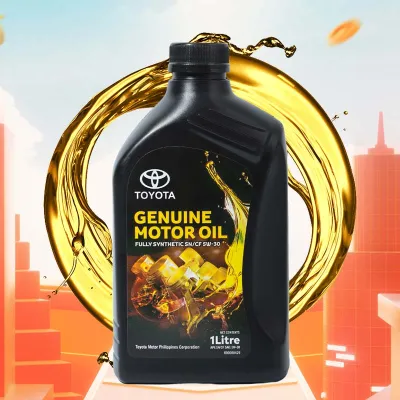
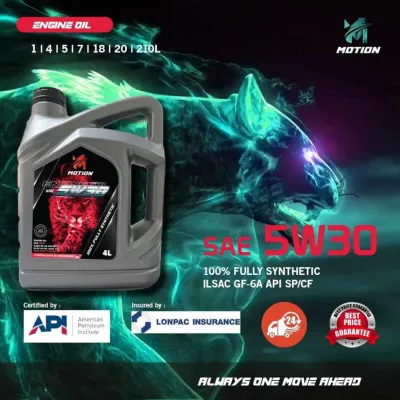
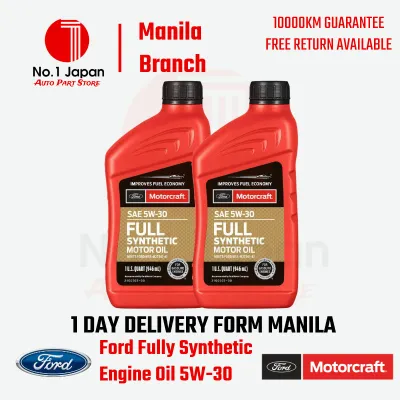
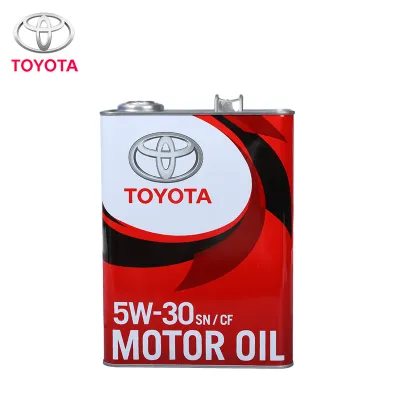
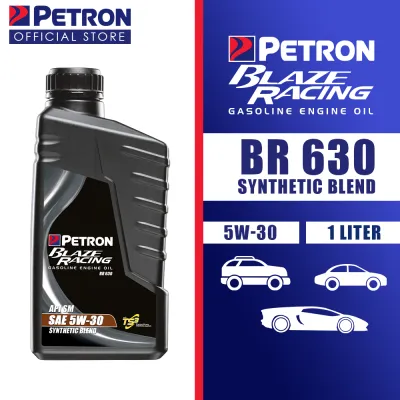
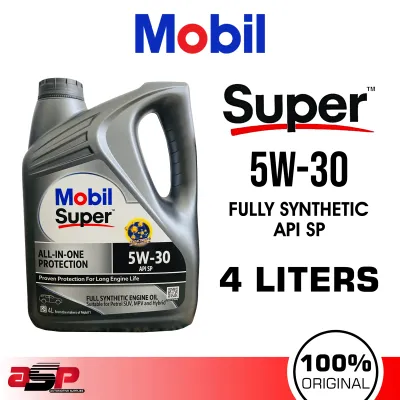
Prices are valid at publication and may change. Please refer to the product page for the latest price.
Understanding 5W-30 Fully Synthetic Labels and Specifications
To select the correct lubricant, you must understand how to read the technical labels on an oil bottle. The designation “5W-30” refers to the oil’s viscosity grade, which measures its resistance to flow. The “5W” portion indicates the cold-temperature viscosity, where the “W” stands for winter. Even in a warm, tropical climate with high humidity, a lower cold-viscosity rating like 5W is highly beneficial because it ensures the oil remains fluid enough to circulate rapidly through the engine immediately upon startup, minimizing initial metal-on-metal wear.

The “30” in the viscosity rating represents the oil’s flow characteristics at the engine’s normal operating temperature of 100°C. A 30-weight oil provides a balanced compromise between fuel efficiency and robust wear protection for modern passenger vehicle engines. Because fully synthetic oils are engineered from highly refined base stocks rather than crude petroleum, they maintain this viscosity rating much more consistently under extreme heat and heavy thermal stress, preventing the oil from thinning out prematurely.
Beyond viscosity, you must look for industry-standard certifications printed on the packaging. The American Petroleum Institute (API) rating, such as API SP, indicates that the oil meets the latest standards for wear protection, sludge control, and prevention of low-speed pre-ignition (LSPI) in turbocharged engines. European vehicles often require compliance with the Association des Constructeurs Européens d’Automobiles (ACEA) standards, such as ACEA C3 or A3/B4, which dictate specific limits on sulfated ash, phosphorus, and sulfur to protect exhaust aftertreatment systems.
In addition to these general standards, many vehicle manufacturers require specific OEM approvals. For example, General Motors vehicles often require dexos1 Gen 3 or dexos2, while European brands like Volkswagen, BMW, and Mercedes-Benz mandate approvals such as VW 504.00/507.00, BMW Longlife-04, or MB-Approval 229.51. Before purchasing any 5W-30 fully synthetic oil, you must check the back label to confirm that the product explicitly lists the exact OEM approval code required by your vehicle’s manufacturer.
Evaluating Shell, Castrol, and Motul Product Lines
Shell is widely recognized for its premium fully synthetic lines, most notably the Shell Helix Ultra series. Shell markets these products using its proprietary PurePlus Technology, a process that converts natural gas into a crystal-clear base oil with virtually none of the impurities found in crude oil. This high-purity base oil is combined with active cleansing additives designed to prevent dirt particles from sticking together and forming performance-robbing engine sludge. When researching Shell products, you should verify these specific cleansing claims and check the label for certifications that match your vehicle’s requirements.
Castrol is highly regarded for its flagship Castrol EDGE and Castrol MAGNATEC product lines. Castrol EDGE is marketed with Fluid Titanium Technology, which is designed to physically transform its structure under extreme pressure, increasing its film strength to reduce friction and prevent metal contact. For vehicles that experience frequent stop-and-start driving or have accumulated high mileage, Castrol offers specific sub-variants formulated with extra seal conditioners and wear-reducing agents. You should carefully review the specific Castrol bottle labels to identify whether a particular variant is optimized for high mileage, heavy loads, or maximum fuel economy.
Motul is a premium brand with a strong heritage in motorsport and high-performance applications, making it highly popular among automotive enthusiasts. Their primary fully synthetic offerings include the Motul 8100 series, such as 8100 X-clean and 8100 Eco-lite, as well as their Specific line, which is custom-formulated for individual manufacturer standards. Motul focuses heavily on maintaining high thermal stability and shear resistance under extreme operating temperatures, which is particularly beneficial for turbocharged engines and European vehicles. You should inspect Motul’s product datasheets to confirm they meet the precise technical demands of your engine.
Because formulations, packaging designs, and available certifications can vary by region and production batch, you must compare the exact sub-variants available in your local market. An oil formulation sold under a specific name in one region might carry different OEM approvals or API ratings than a similarly named product in another. Always read the physical label on the bottle you intend to buy rather than relying solely on general online product descriptions.
Decision Framework: Matching the Oil to Your Driving Needs
To choose the right 5W-30 fully synthetic oil, you can use a practical decision framework that matches each brand’s strengths to your specific driving habits and vehicle type.
Choose Shell if: Your daily driving consists primarily of short trips, frequent idling, and stop-and-go city traffic in congested urban areas. These driving conditions prevent the engine from reaching its optimal operating temperature for extended periods, which can accelerate the formation of harmful sludge and carbon deposits. Shell’s focus on active cleansing technology helps keep internal engine components clean and free of deposits under these challenging conditions. Always verify that the specific Shell Helix variant you select carries the correct API or ACEA specifications for your engine.
Choose Castrol if: You frequently operate your vehicle under high-stress conditions, such as carrying heavy passenger loads, towing trailers, or driving up steep mountain roads where the engine runs at elevated temperatures. Castrol’s emphasis on oil film strength and high-pressure protection helps maintain a durable lubricating barrier between moving parts when the engine is under heavy load. If your vehicle has accumulated significant mileage, look for Castrol’s high-mileage variants, which contain specific additives to help condition older engine seals and prevent oil consumption.
Choose Motul if: You drive a high-performance vehicle, a turbocharged gasoline direct-injection (TGDI) car, or a European model that requires highly specific, stringent OEM approvals. Motul’s product lines are highly specialized and often carry exact manufacturer certifications that can be difficult to find in standard, mainstream retail lubricants. If your vehicle demands a highly stable lubricant that can withstand intense thermal stress without breaking down, Motul’s advanced synthetic formulations provide excellent shear stability and engine protection.
Verify first if: Your vehicle is currently covered by a manufacturer’s warranty. If it is, you must strictly follow the exact OEM approval code listed in your owner’s manual, regardless of any brand preference or marketing claims. Using an engine oil that does not carry the official, certified approval code required by your manufacturer can void your warranty coverage in the event of an engine failure. Always prioritize the manufacturer’s technical specifications over brand loyalty.
Ensuring Compatibility, Authenticity, and Safe Installation
Before purchasing and installing your chosen 5W-30 fully synthetic oil, you must take several critical safety and verification steps to protect your engine from damage.
First, always perform an owner’s manual check. The vehicle manufacturer’s specified viscosity grade, API service category, and OEM approval codes must always override any brand marketing or general recommendations. Even within the same brand, different 5W-30 products have vastly different chemical compositions, so you must ensure the specific bottle you purchase matches the manual’s requirements exactly.
Second, you must perform careful authenticity checks to avoid counterfeit engine oils, which are a growing concern on online marketplaces and in unauthorized physical shops. Counterfeit oils often use cheap, low-quality mineral bases that can cause severe engine wear, sludge buildup, and catastrophic failure. To protect your investment, purchase engine oil exclusively from official brand flagship stores on reputable e-commerce platforms or from authorized local automotive supply shops. Inspect the physical bottle closely for intact security rings on the cap, high-quality label printing without blurry text, and valid batch codes or holographic seals.
Finally, understand the boundaries of safe installation. While a standard oil and filter change is a common maintenance task, you should seek a qualified professional mechanic if you encounter any complications. If the oil pan drain plug is stripped, the oil filter is seized or located in an inaccessible position, or your vehicle requires a specialized electronic scan tool to reset the oil life monitor, professional service is highly recommended. A certified technician can ensure the job is completed safely, prevent costly damage to your oil pan, and properly dispose of the used engine oil in accordance with local environmental regulations.
Frequently Asked Questions (FAQ)
Can I mix Shell, Castrol, and Motul 5W-30 oils if I need to top up?
In an emergency situation where your engine’s oil level is dangerously low, mixing fully synthetic 5W-30 oils from different brands is acceptable to prevent running the engine dry. However, this should only be a temporary solution. Each brand uses a unique, proprietary blend of additives and base oils that are chemically balanced to work together. Mixing different brands can dilute the effectiveness of these specific additive packages, potentially reducing overall wear protection and deposit control. It is highly recommended to perform a complete oil and filter change using a single brand as soon as possible after topping up with a different oil.
Does the brand matter if both oils have the exact same API and OEM certifications?
If two different brands of 5W-30 fully synthetic oil carry the exact same API and OEM certifications, both products meet the minimum performance and safety standards required by your vehicle’s manufacturer. In this scenario, either oil is safe to use and will maintain your vehicle’s warranty. However, the brands may still differ in their proprietary base oil technologies, specific detergent packages, and friction modifiers. While the baseline protection is identical, one brand may offer slightly better active cleaning properties, while the other might focus on maximizing oil film strength under extreme heat.
How can I tell if the 5W-30 fully synthetic oil I bought online is genuine?
To verify that the oil you purchased online is genuine, inspect the physical packaging thoroughly upon delivery. Look for a secure, unbroken tamper-evident ring on the cap, clear and crisp label printing with no spelling errors, and a printed batch code and production date on the bottle. Many premium brands also include holographic stickers or QR codes on the cap that can be scanned to verify authenticity. To minimize the risk of purchasing counterfeit products, always buy directly from official brand flagship stores or authorized automotive distributors on e-commerce platforms.
Community discussion
Share your experience or ask a question. Comments are reviewed before publication.