
Quick Answer: Which Diesel Oil Brand Should You Choose?
Choosing the right diesel engine oil for your vehicle is not about finding a single, universally superior brand. Instead, the optimal choice depends entirely on your vehicle’s Original Equipment Manufacturer (OEM) specifications, the presence of modern emissions systems like a Diesel Particulate Filter (DPF), your typical driving conditions, and your maintenance budget. Each of the three major brands excels in a distinct area of engine care. Shell is highly regarded for its advanced soot control and active engine cleaning technologies. Castrol focuses on robust anti-wear protection and magnetic-like oil film strength to guard components during high-stress urban driving. Motul occupies a premium market segment, offering outstanding high-temperature thermal stability and advanced synthetic formulations favored by performance enthusiasts.
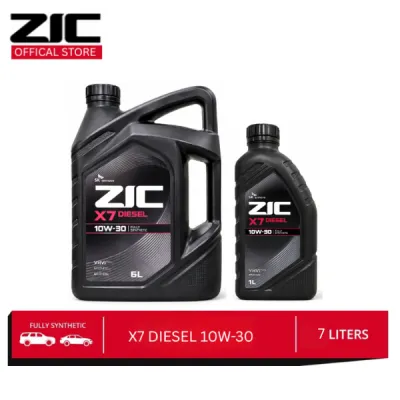
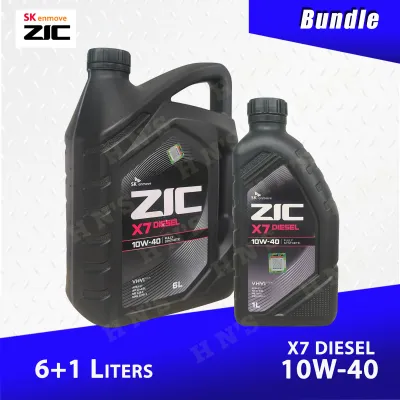
When purchasing oil for a vehicle that requires a 7-liter capacity, you must verify the exact dry-fill and service-fill limits specified in your owner’s manual. Because motor oil is rarely sold in a single 7-liter container, you will need to purchase a strategic combination of bottle sizes—such as a 6-liter jug paired with a 1-liter bottle, or a 4-liter container alongside three 1-liter bottles. To protect your engine from premature wear and avoid voiding your warranty, always buy these products from authorized auto supply shops, official brand flagship stores, or reputable service centers in the Philippines to ensure you are receiving genuine, unadulterated lubricants.
Why the 7-Liter Specification Matters for Diesel Vehicles
A 7-liter oil capacity is a highly common specification for many of the most popular midsize SUVs, dual-cab pickups, and light commercial utility vehicles operating in the Philippines. Vehicles equipped with common-rail direct injection (CRDi) turbo-diesel engines—such as the Toyota Hilux and Fortuner (featuring the 2.4L 2GD-FTV or 2.8L 1GD-FTV engines), the Mitsubishi Montero Sport and Triton (powered by the 2.4L 4N15 or 4N16 MIVEC engines), the Isuzu D-Max and mu-X (utilizing the 3.0L 4JJ3-TCX), and the Nissan Navara and Terra (with the 2.5L YD25 or 2.3L YS23 engines)—typically require between 6.5 and 8.5 liters of oil for a standard oil and filter change.
Products mentioned in this guide
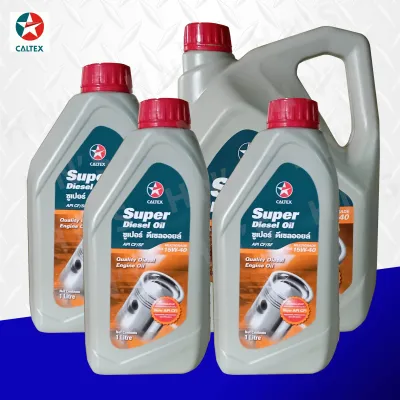
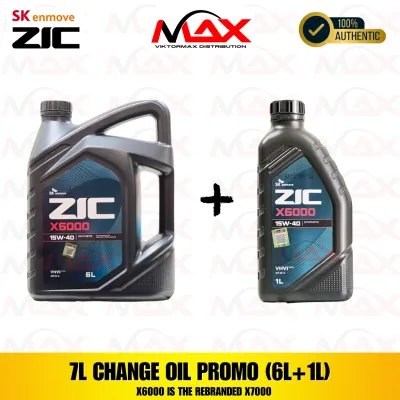
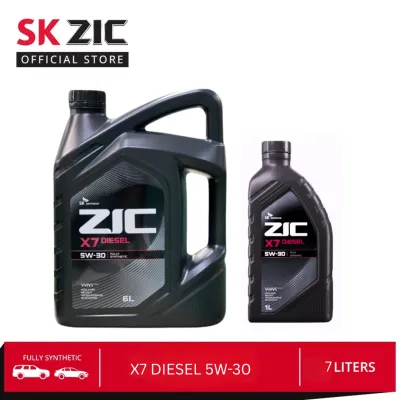
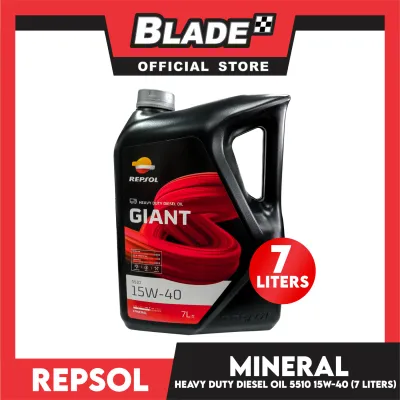
![Toyota 5W-40 Fully Synthetic Engine Oil [7 Liters + Oil Filter] Change Oil Package for Diesel/Gas Innova | Fortuner | Hilux | HiAce](https://img.lazcdn.com/g/p/0ad299108ee36f4be3229bee56b6d447.png_400x400q80.png_.webp)
Prices are valid at publication and may change. Please refer to the product page for the latest price.

This relatively large oil volume is engineered into diesel engines for several critical reasons. Diesel combustion is inherently dirtier than gasoline combustion, producing significant amounts of soot, sulfur compounds, and acidic byproducts. A larger oil sump volume dilutes these contaminants more effectively, preventing the oil from degrading or thickening too rapidly between service intervals. Furthermore, turbochargers rely on the engine oil for both lubrication and cooling; a larger volume of oil helps dissipate the intense thermal energy generated by the turbocharger, keeping operating temperatures within safe limits.
Because major lubricant manufacturers package passenger-car diesel oils primarily in 1-liter, 4-liter, or occasionally 6-liter containers, managing a 7-liter requirement requires careful planning. Drivers must purchase multiple bottles to reach the target volume. For example, buying two 4-liter bottles leaves you with a 1-liter surplus, which is highly useful for mid-interval top-ups. Alternatively, buying a 6-liter container and a single 1-liter bottle minimizes immediate waste.
Regardless of the combination you choose, never guess the fill level. Overfilling the crankcase can cause the oil to become aerated or whipped into a froth by the crankshaft, reducing its lubricating efficiency and potentially damaging critical engine seals. Underfilling, on the other hand, deprives the engine of necessary cooling and lubrication, accelerating component wear. Always use the vehicle’s dipstick on level ground after the engine has rested to verify that the oil level sits precisely between the minimum and maximum indicator marks.
Brand Profiles: Shell, Castrol, and Motul Diesel Formulations
To make an informed decision, it is essential to understand the distinct engineering philosophies, proprietary technologies, and product lineups that Shell, Castrol, and Motul bring to the diesel lubricant market.
Shell Diesel Oils: Focus on Soot Control and Cleaning
Shell has established a dominant presence in the global and local lubricant markets, largely driven by its focus on active engine cleanliness and soot management. For passenger diesels and light commercial vehicles, Shell’s primary offerings include the Shell Helix Ultra Diesel and the Shell Helix HX7/HX8 series, alongside the heavy-duty Shell Rimula range (such as Rimula R5 and R6) designed for demanding commercial applications.
A key technological highlight of Shell’s premium synthetic lines is its proprietary PurePlus Technology, a patented gas-to-liquid (GTL) process that converts natural gas into an extremely pure, crystal-clear base oil. This base oil contains virtually none of the impurities found in crude-derived mineral oils, resulting in superior viscosity stability, lower volatility, and enhanced resistance to oxidation.
Combined with active cleansing additives, Shell’s formulations are designed to keep soot particles suspended in the fluid. This prevents them from agglomerating into abrasive sludge that can clog oil passages, restrict flow to the turbocharger, and cause premature wear on piston rings and cylinder walls. Shell oils are widely accessible across the Philippines, offering a highly reliable, cost-effective solution for everyday commuters and utility vehicle owners who prioritize long-term engine cleanliness.
Castrol Diesel Oils: Focus on Anti-Wear and Sludge Prevention
Castrol is highly recognized for its focus on structural oil film strength and targeted wear protection under severe operating conditions. Its core diesel product lines include Castrol Magnatec Diesel, Castrol GTX Diesel, and the high-performance fully synthetic Castrol Edge.
The defining feature of the Castrol Magnatec Diesel range is its Dualock technology. This formulation utilizes intelligent molecules that are chemically engineered to cling like a magnet to critical metal surfaces inside the engine, particularly the camshaft, lifters, and bearings. These molecules lock together to form a powerful force field of protection that remains intact even when the engine is turned off and the oil drains back into the sump.
This continuous protective layer is highly beneficial for vehicles operating in dense, stop-and-go urban traffic—such as daily commutes along EDSA or C5 in Metro Manila. A significant portion of engine wear occurs during the warm-up phase immediately after a cold start; Castrol’s clinging molecules dramatically reduce this startup wear. Additionally, Castrol’s formulations are engineered to combat oil thickening and thermal breakdown, providing reliable sludge control and maintaining consistent oil flow under heavy, repetitive loads.
Motul Diesel Oils: Focus on High-Temperature Stability
Motul is a premium French lubricant manufacturer highly favored by automotive enthusiasts, high-performance vehicle owners, and those who operate engines under extreme thermal stress. In the diesel sector, Motul offers specialized fully synthetic products such as the Motul 8100 X-clean series, Motul Specific, and the heavy-duty Motul Tekma line.
Motul’s engineering reputation is built on its extensive use of high-quality synthetic base stocks, including advanced ester technology in its upper-tier formulations. Esters possess natural polar properties that cause them to adhere strongly to metal surfaces, providing an exceptionally resilient lubricating film. This molecular structure offers outstanding thermal stability, high shear resistance, and a very high viscosity index, meaning the oil maintains its protective thickness even when subjected to extreme heat and high mechanical loads.
For modern diesel passenger vehicles equipped with complex exhaust after-treatment systems, Motul’s 8100 X-clean line features mid- or low-SAPS (sulfated ash, phosphorus, and sulfur) formulations. These are critical for preserving the life of Diesel Particulate Filters and Selective Catalytic Reduction (SCR) systems. While Motul products generally sit at a higher price point per liter, their exceptional resistance to thermal degradation and strict adherence to stringent European OEM approvals justify the investment for high-performance or heavily loaded diesel engines.
Comparing Protection, Drain Intervals, and Value
Evaluating these brands requires looking past marketing slogans and analyzing verifiable industry standards, chemical parameters, and real-world operating conditions.
Engine Protection and Soot Management
Diesel engines operate under high compression ratios and rely on turbochargers to force air into the combustion chamber, creating a highly demanding environment for any lubricant. The primary challenge for diesel oil is managing soot and acidic combustion byproducts. To prevent these contaminants from causing wear, diesel oils are formulated with a high Total Base Number (TBN)—a measure of the oil’s reserve alkalinity used to neutralize acids—and robust dispersant packages.
When comparing the protective capabilities of Shell, Castrol, and Motul, you must read the API (American Petroleum Institute) and ACEA (Association des Constructeurs Européens d’Automobiles) classifications printed on the back label. These ratings represent standardized, rigorous laboratory and engine tests:
- API Classifications: Look for ratings such as API CK-4, CJ-4, or CI-4. An API CK-4 rating represents the current, most stringent standard for high-speed four-stroke diesel engines, offering superior oxidation resistance, shear stability, and soot control compared to older CJ-4 or CI-4 fluids.
- ACEA Sequences: Look for classifications like ACEA C3, C4 (for passenger diesels with after-treatment systems) or ACEA E6, E9 (for heavy-duty applications).
If you compare a Shell oil, a Castrol oil, and a Motul oil that all carry the exact same API CK-4 and ACEA C3 certifications, their baseline performance in soot dispersion and wear protection will be highly comparable, as both have met the same strict industry thresholds. However, for vehicles equipped with a DPF, you must select a low-SAPS oil (such as ACEA C3 or API CK-4). Using a standard high-SAPS oil in a DPF-equipped vehicle will cause sulfated ash to physically block the microscopic channels of the particulate filter, leading to exhaust backpressure, reduced fuel economy, and eventual, highly expensive filter failure.
Drain Intervals and OEM Approvals
Many drivers mistakenly believe that purchasing a premium brand of oil automatically allows them to safely extend their drain intervals. In reality, oil drain intervals are primarily dictated by the vehicle manufacturer’s engineering guidelines and the specific driving conditions, not the brand of oil used.
To determine the correct service interval, always consult your vehicle’s owner’s manual. Manufacturers typically specify two distinct maintenance schedules: “Normal” and “Severe” driving conditions. In the Philippines, the vast majority of passenger diesels operate under conditions that qualify as severe. These include:
- Frequent short trips where the engine does not reach full operating temperature.
- Prolonged idling in heavy urban traffic.
- Driving in extremely dusty environments or on unpaved roads.
- Operating in high ambient temperatures (frequently exceeding 35°C during the dry season) combined with high relative humidity.
- Towing heavy loads or driving in mountainous terrain.
- Exposure to localized flooding or deep water crossings.
Under severe conditions, the vehicle manufacturer may recommend cutting the standard drain interval in half—for example, reducing a nominal 10,000-kilometer interval down to 5,000 kilometers. While a premium fully synthetic oil from Motul, Shell, or Castrol will resist thermal breakdown and oxidation much better than a basic mineral oil, it still accumulates soot, fuel dilution, and moisture. Therefore, relying on “long-life” marketing to extend drain intervals beyond the manufacturer’s severe-service recommendation is highly discouraged.
Furthermore, pay close attention to explicit OEM approval codes on the oil label rather than generic “meets requirements” statements. For example, modern European diesel engines often require specific approvals like Mercedes-Benz MB-Approval 229.51/229.52, BMW Longlife-04, or Volkswagen VW 507 00. If your vehicle’s manufacturer specifies a particular code, you must choose a product—regardless of brand—that displays that exact approval on its label.
Evaluating Price and Value per Liter
To assess the true value of these brands, you must calculate the total cost of a complete 7-liter oil change, taking into account the price per liter and the required container configurations.
Generally, these brands occupy distinct price tiers in the Philippine market:
- Motul (Premium Tier): Typically commands the highest price per liter, often ranging from ₱700 to over ₱1,200 depending on the specific synthetic line (such as 8100 X-clean). For a 7-liter oil change, the cost of oil alone can range from ₱4,900 to ₱8,400+. This premium is justified for drivers of high-performance European vehicles, modified engines, or those operating under continuous high-stress conditions where maximum thermal stability is required.
- Castrol (Mid-to-High Tier): Offers highly competitive pricing for its semi-synthetic and fully synthetic lines. Castrol Magnatec Diesel fully synthetic typically ranges from ₱500 to ₱800 per liter, bringing a 7-liter service to approximately ₱3,500 to ₱5,600. It represents excellent value for urban commuters seeking robust everyday wear protection.
- Shell (Mid Tier): Provides a broad range of highly accessible options. Shell Helix HX7 (semi-synthetic) and HX8 or Helix Ultra (fully synthetic) generally range from ₱400 to ₱750 per liter, making a 7-liter change run between ₱2,800 and ₱5,250. Because Shell has a massive distribution network in the Philippines, finding genuine product at competitive prices is highly convenient.
When evaluating value, remember that the most expensive oil is not necessarily the best choice if its advanced specifications exceed what your engine actually requires. Conversely, attempting to save money by purchasing suspiciously cheap oil from unverified online sellers carries a massive risk. Counterfeit motor oil is a significant issue; these fake products are often cheap, recycled mineral oils packaged in convincing replica bottles. Using counterfeit oil can lead to rapid engine oxidation, severe sludge buildup, blocked oil passages, and catastrophic engine failure. Always purchase your oil from authorized distributors, official brand stores, or established auto service centers.
Decision Framework: Matching the Oil to Your Driving Needs
To make your final purchasing decision, use this structured framework to match the specific characteristics of each brand to your vehicle type, driving environment, and budget.
- Choose Shell if: Your primary goal is maintaining internal engine cleanliness and managing soot buildup, particularly in high-mileage or older turbo-diesel utility vehicles. Shell is also the ideal choice if you want a highly reliable, widely available fully synthetic or semi-synthetic oil that offers competitive mid-tier pricing and excellent everyday protection.
- Choose Castrol if: Your daily driving consists primarily of heavy, stop-and-go urban commuting in dense metropolitan traffic. The specialized anti-wear molecules in Castrol Magnatec Diesel are engineered to provide superior protection during cold starts and prolonged idling, making it a highly cost-effective, durable option for light commercial vehicles and family SUVs.
- Choose Motul if: You drive a modern, high-performance European diesel vehicle, operate under extreme thermal conditions (such as heavy towing or frequent high-speed provincial highway driving), or demand the absolute highest level of synthetic base stock quality. Motul is the premium choice for drivers who are willing to pay a higher price per liter to secure maximum thermal stability and strict European OEM approvals.
- Verify first if: Your vehicle is equipped with a Diesel Particulate Filter (DPF) or requires a highly specific manufacturer approval code (e.g., MB 229.51, BMW LL-04). If these conditions apply, you must prioritize finding an oil with the correct "low-SAPS" formulation and the exact OEM approval code on the back label, allowing that technical requirement to override any general brand preference.
Regardless of which brand you select, always ensure you purchase the correct total volume to meet your engine’s 7-liter requirement (e.g., combining a 6-liter and a 1-liter bottle, or purchasing two 4-liter bottles). Finally, never compromise on filtration; always pair your high-quality diesel oil with a premium OEM or high-grade aftermarket oil filter during every single oil change to ensure that soot and abrasive contaminants are effectively captured before they can recirculate through your engine.
Frequently Asked Questions (FAQ)
Can I mix Shell, Castrol, and Motul diesel oils if I need to top up?
In an emergency scenario where your engine’s oil level has dropped dangerously low, mixing different brands of diesel oil is acceptable to prevent severe mechanical damage. If you must mix, ensure that the oil you add matches the viscosity grade (e.g., 5W-30 or 5W-40) and the API/ACEA specifications required by your vehicle.
However, mixing different brands is not recommended for long-term use. Each lubricant manufacturer formulates its products with a unique, proprietary package of chemical additives, including dispersants, detergents, anti-wear agents, and friction modifiers. Mixing different brands can disrupt the chemical balance of these additive packages, potentially reducing the overall efficiency of the oil’s soot-handling and wear-protection capabilities. If you are forced to mix brands in an emergency, it is highly advisable to perform a complete oil and filter change with a single, uniform brand and specification at your earliest convenience.
Why does my diesel vehicle require exactly 7 liters of oil?
Many midsize SUVs and dual-cab pickup trucks equipped with 2.0-liter to 3.2-liter turbo-diesel engines require approximately 7 liters of oil because of their deep oil pans and heavy-duty operating demands. Diesel engines generate significantly more soot, heat, and acidic combustion byproducts than gasoline engines of comparable displacement. A larger oil volume (typically 6.5 to 8.5 liters) is engineered into the system to dilute these contaminants more effectively, preventing the oil from degrading or thickening too quickly over the service interval.
Additionally, the engine oil is responsible for cooling the highly stressed turbocharger bearings, which operate at extreme temperatures. A larger oil capacity ensures there is sufficient fluid to absorb and dissipate this thermal energy safely. When performing an oil change, always refer to your owner’s manual for the exact service-fill capacity with a filter change. After adding approximately 6.5 liters, let the engine rest on level ground, and use the dipstick to verify the final level, adding small increments until the oil sits precisely between the minimum and maximum marks.
Community discussion
Share your experience or ask a question. Comments are reviewed before publication.