
Selecting the correct engine oil for diesel engine vehicles is one of the most critical maintenance decisions you will make. In the Philippines, where tropical heat, severe humidity, and intense stop-and-go traffic place immense stress on internal combustion engines, choosing the right lubricant directly impacts your vehicle’s lifespan. Shell, Castrol, and Motul are three of the most prominent brands available in the local market, each offering distinct formulations designed to protect diesel powertrains.
There is no single “best” brand that fits every application; the ideal choice depends on your vehicle’s duty cycle, its emission control systems, and the manufacturer’s exact specifications. Shell is highly regarded for its robust heavy-duty commercial and fleet-focused lubricants. Castrol provides a highly versatile range that balances everyday passenger car needs with heavy commercial demands. Motul positions itself as a premium, high-performance synthetic specialist, making it an excellent match for modern, light-duty passenger diesels equipped with sensitive exhaust aftertreatment systems.
What Your Engine Oil for Diesel Engine Systems Must Provide
Diesel engines operate under significantly higher compression ratios and thermal loads than gasoline engines, which demands a highly specialized lubricant formulation. The combustion process of diesel fuel inherently generates soot, a carbonaceous byproduct that can agglomerate in the oil. If your lubricant cannot keep these soot particles finely dispersed, they will clump together, causing abrasive wear on critical components, clogging oil passages, and rapidly increasing oil viscosity. A high-quality diesel oil contains advanced dispersant additives designed to keep soot suspended harmlessly in the fluid until your next oil change.
Products mentioned in this guide
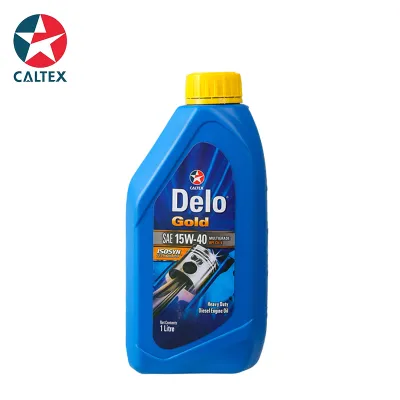
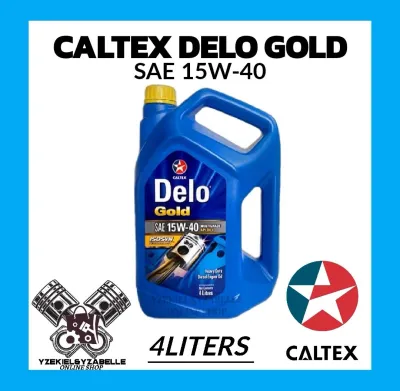
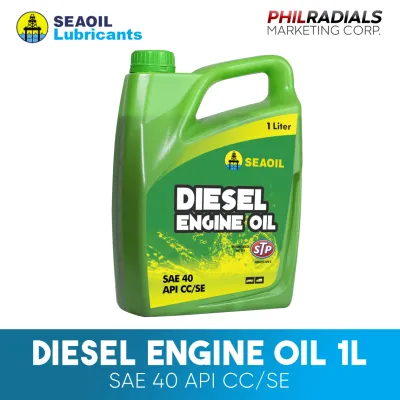
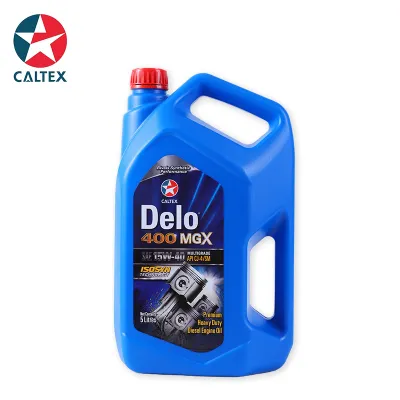
Prices are valid at publication and may change. Please refer to the product page for the latest price.
Another critical factor is acid neutralization, measured by the lubricant’s Total Base Number (TBN). Diesel combustion produces acidic byproducts, particularly when operating with fuels containing higher sulfur content. While the Philippines has transitioned toward lower-sulfur fuels under Euro 4 standards, local fuel quality can still vary, especially in provincial areas. A high TBN indicates a strong reservoir of alkaline additives capable of neutralizing these harmful acids, preventing corrosive wear on your engine’s bearings, cylinder liners, and valve train components.
Beyond soot and acid control, your diesel lubricant must deliver exceptional anti-wear protection under extreme boundary lubrication conditions. High-pressure common-rail direct injection (CRDi) systems place intense mechanical stress on the camshaft and fuel pump lobes. To prevent metal-to-metal contact, diesel oils rely on robust anti-wear additives, such as Zinc Dialkyldithiophosphate (ZDDP). However, the concentration of these additives must be carefully balanced to prevent damage to modern emission systems, highlighting the importance of choosing an oil that matches your engine’s specific technology generation.
Before selecting any brand, you must consult your vehicle’s owner’s manual to verify the required viscosity grade and industry specifications. Viscosity grades, such as 15W-40, 10W-30, or 5W-40, must be chosen based on your operating environment and the manufacturer’s design tolerances. Furthermore, you must look for specific industry standards, such as the American Petroleum Institute (API) classifications (e.g., CK-4, CJ-4, or CI-4) or the European Automobile Manufacturers’ Association (ACEA) standards (e.g., C3, E6, or E9). Matching the exact manufacturer approval code printed on the oil label is far more critical to engine longevity than the brand logo on the front of the bottle.
Brand Profiles: Shell, Castrol, and Motul Diesel Lines
Shell Rimula
Shell Rimula is one of the most recognizable names in the diesel lubrication market, carrying a long-standing reputation for reliability across commercial, agricultural, and heavy-duty industrial applications. The Rimula lineup ranges from mineral-based formulations like Rimula R4 to synthetic-technology options like Rimula R5, up to fully synthetic tier products like Rimula R6. This extensive range is engineered to withstand the punishing duty cycles of heavy-duty logistics fleets, public utility vehicles, and off-road construction machinery operating in high-ambient-temperature environments.

When purchasing Shell Rimula, you must inspect the product label to verify its specific heavy-duty certifications and viscosity ratings. Shell frequently highlights its proprietary additive technologies, such as Dynamic Protection Plus, which combines gas-to-liquid (GTL) synthetic base oils with adaptive additive packages. This technology is designed to resist thermal breakdown, maintain stable viscosity under extreme shear, and provide robust wear protection. Always check the rear label to ensure the specific Rimula bottle meets the API or ACEA standards required by your vehicle’s manufacturer.
Castrol Vecton and EDGE
Castrol approaches the diesel market with a dual-track product strategy designed to address distinct consumer segments. For heavy-duty commercial vehicles, light trucks, and mixed fleets, Castrol offers the Vecton range. For passenger cars, modern sport utility vehicles (SUVs), and high-performance light-duty diesels, Castrol utilizes its premium EDGE range (often alongside the widely available Magnatec Diesel line). This segmentation allows Castrol to tailor its chemical formulations to the specific operating demands of different vehicle classes.
Castrol Vecton features System Pro Technology, which is formulated to fight oil breakdown by adapting to higher operating temperatures and resisting oxidation. This helps maintain the oil’s useful life and supports extended drain intervals under demanding commercial conditions. On the passenger vehicle side, Castrol EDGE incorporates Fluid Titanium technology, which physically transforms its structure under extreme pressure to reduce friction and prevent wear in high-stress engines. When selecting a Castrol product, you must verify whether your vehicle requires the heavy-duty commercial protection of Vecton or the light-duty, high-rpm protection of EDGE, ensuring the chosen product lists the exact OEM approvals your vehicle requires.
Motul Diesel Formulations
Motul has established a premium reputation in the automotive enthusiast and high-performance markets, focusing heavily on advanced synthetic technology. In the diesel segment, Motul offers specialized formulations within its 8100 series (such as 8100 X-clean), its Specific line tailored to individual manufacturer approvals, and its Tekma line designed for commercial and heavy-duty applications. Motul is particularly noted for its early and consistent focus on fully synthetic, low-SAPS (Sulfated Ash, Phosphorus, and Sulfur) formulations, which are vital for modern diesel passenger vehicles.
Motul’s premium positioning is reflected in its extensive use of high-quality synthetic base stocks, including synthetic esters in select high-end formulations. These base oils provide exceptional thermal stability, low volatility, and strong oil film retention under extreme operating temperatures. Because Motul offers highly specialized products, you must verify the exact product line’s compatibility with your engine. Check with authorized local distributors in the Philippines to ensure the specific Motul formulation you select matches the precise technical requirements of your vehicle’s emission control systems.
Comparing Protection, Emission Compatibility, and Value
Engine Protection & Soot Control
Each of these three manufacturers utilizes distinct chemical pathways to manage the hostile environment inside a diesel crankcase. Shell Rimula’s heavy-duty heritage shines in its soot-handling capabilities; its dispersant chemistry is specifically optimized to prevent soot particles from agglomerating, which is highly beneficial for high-mileage engines and vehicles carrying heavy loads over long distances. Castrol EDGE focuses heavily on reducing boundary friction and maintaining film strength under rapid load changes, making it highly effective at protecting the valve train and turbocharger bearings in modern, fast-revving passenger diesel engines. Motul’s fully synthetic formulations offer superior resistance to thermal oxidation, ensuring that the oil does not thin out or form harmful deposits when subjected to the extreme heat generated by turbochargers during long highway drives or prolonged idling in urban traffic.
Emission System Compatibility
Modern diesel vehicles equipped with Diesel Particulate Filters (DPFs), Selective Catalytic Reduction (SCR) systems, or advanced Exhaust Gas Recirculation (EGR) require specialized low-SAPS lubricants. Traditional high-SAPS oils contain levels of ash, phosphorus, and sulfur that can rapidly poison catalytic converters and physically clog the fine microscopic pores of a DPF, leading to expensive exhaust system failures and restricted engine performance.
To identify compatible oils, you must look for ACEA C-series specifications (such as ACEA C3) or API CK-4 ratings on the product label. Motul excels in this category, offering a wide selection of dedicated, fully synthetic low-SAPS oils like the Motul 8100 X-clean series, which are specifically engineered to prolong the life of sensitive exhaust aftertreatment systems. Shell Rimula also offers low-SAPS options within its synthetic range, such as Rimula R6 LM, while Castrol provides low-SAPS compliance through specific variants of Castrol EDGE. Always verify the SAPS level on the product packaging before pouring any oil into a DPF-equipped vehicle.
Price and Value in the Philippines
Evaluating the value of these brands requires looking beyond the initial purchase price per liter at local automotive supply shops. You must weigh the upfront cost against the oil’s recommended drain interval, its base oil quality, and its OEM approval status.
- Shell generally offers the most accessible and cost-effective entry point, particularly with its mineral and semi-synthetic Rimula lines, which are ideal for high-frequency maintenance schedules in commercial operations.
- Castrol occupies a balanced mid-to-high price tier, offering dependable performance and widely available options for everyday drivers who want reliable protection without a massive premium.
- Motul sits firmly in the premium price tier. While the initial cost per liter is higher, it provides exceptional thermal stability and wear protection, which can justify the investment for owners of modern, high-value SUVs and pickups looking to maximize engine life and maintain peak performance.
| Brand | Primary Diesel Line(s) | Best Suited For | Key Label Specs to Verify | Relative Price Tier |
|---|---|---|---|---|
| Shell | Rimula (R4, R5, R6) | Heavy-duty commercial fleets, utility vehicles, high-soot environments | API CK-4/CJ-4, ACEA E7/E9 | Budget to Mid-Range |
| Castrol | Vecton, EDGE, Magnatec Diesel | Mixed passenger and commercial use, daily commuting, versatile applications | API CK-4, ACEA C3/E9, OEM Approvals | Mid-Range to Premium |
| Motul | 8100 Series, Specific, Tekma | Modern CRDi passenger diesels, DPF-equipped vehicles, high-performance driving | ACEA C3, API CK-4, specific OEM approvals | Premium |
Matching the Oil to Your Specific Diesel Vehicle
Light-Duty Passenger Diesels (e.g., SUVs, Pickups)
Modern light-duty diesel passenger vehicles, such as the Toyota Fortuner, Mitsubishi Montero Sport, Isuzu D-Max, and Ford Ranger, utilize highly sophisticated CRDi systems. These engines operate at high fuel pressures and require rapid oil circulation upon startup to protect sensitive turbocharger bearings. For these vehicles, you should prioritize low-viscosity, fully synthetic lubricants (such as 5W-30 or 5W-40) that offer fast flow at startup and superior thermal stability.
If your SUV or pickup is equipped with a DPF, you must select a low-SAPS formulation to prevent filter blockages. Motul’s 8100 X-clean or Castrol EDGE products meeting ACEA C3 are highly suited for these applications, as they provide the precise chemical balance needed to protect both the high-pressure engine components and the delicate exhaust aftertreatment systems. Always verify that the oil bottle explicitly displays the manufacturer specifications required by your vehicle’s brand.
Heavy-Duty and Commercial Diesels (e.g., Trucks, Fleets)
Commercial vehicles, delivery trucks, and logistics fleets face entirely different operating stresses, including prolonged idling, heavy payloads, and extended operating hours. These engines generate massive amounts of soot and operate under sustained thermal loads, making robust soot dispersion and acid neutralization the top priorities.
For these applications, high-TBN heavy-duty diesel engine oils are essential. Shell Rimula R4 X or R5 LE, and Castrol Vecton, are designed specifically to handle these severe commercial duty cycles. These oils are typically formulated in viscosity grades like 15W-40 or 10W-40 and carry API CK-4 or CJ-4 specifications, ensuring they can neutralize combustion acids and keep high levels of soot suspended over extended operational periods.
Older Diesel Engines
Older diesel engines, such as those utilizing older rotary or inline injection pumps (for example, older generation Toyota 2L/3L/5L or Mitsubishi 4D56 non-CRDi engines), have different lubrication requirements. These legacy powerplants were designed with wider internal tolerances and do not feature modern DPF or SCR exhaust systems. Consequently, they do not require expensive low-SAPS synthetic oils.
Instead, older engines benefit from robust, higher-viscosity mineral or semi-synthetic oils, such as a high-quality 15W-40. These formulations provide a thicker hydrodynamic oil film to seal wider clearances and maintain oil pressure. A high-TBN mineral oil, such as Shell Rimula R4 X, is highly effective here, offering excellent wear protection and acid neutralization at an economical price point. Ensure the oil meets legacy API classifications like CI-4 or CH-4 as specified in your vehicle’s original documentation.
Final Verdict: How to Choose the Right Brand
To make your final purchase decision, apply this clear, conditional framework based on your vehicle type, operating conditions, and maintenance budget:
- Choose Shell if your vehicle is primarily used for heavy-duty commercial hauling, high-mileage fleet operations, or if you require an extremely reliable, widely accessible, and cost-effective lubricant with a proven track record of soot control and engine cleanliness.
- Choose Castrol if you seek a versatile, highly dependable mid-to-high tier lubricant that offers specialized protection for both everyday passenger commuting (via EDGE or Magnatec Diesel) and light commercial applications (via Vecton).
- Choose Motul if you drive a modern, high-value passenger diesel or SUV with a CRDi engine and sensitive emission controls (such as a DPF), and you want to invest in a premium, fully synthetic formulation that delivers exceptional thermal stability and strict low-SAPS compliance.
Regardless of which brand you choose, you must prioritize the exact OEM approval code printed on the oil label over any marketing claims or brand preferences. If your vehicle is currently under manufacturer warranty, using an oil that lacks the specific, officially approved specification code can void your coverage. Always check your owner’s manual, verify the label specifications, and consult a qualified automotive professional if you are uncertain about compatibility.
Frequently Asked Questions (FAQ)
Can I mix Shell, Castrol, and Motul diesel oils?
While mixing different brands of diesel oil of the exact same viscosity and industry specification will not cause immediate, catastrophic engine failure in an emergency, it is highly discouraged for routine maintenance. Each lubricant manufacturer formulates a unique, carefully balanced package of proprietary additives, dispersants, and anti-wear agents. Mixing different brands dilutes these specialized additive chemistries, potentially reducing the oil’s overall protective capabilities and soot-handling efficiency. For optimal engine protection and performance, you should perform a complete drain and refill, replacing the oil filter, whenever you switch from one brand or formulation to another.
How often should I change my diesel engine oil?
Your oil change interval depends heavily on the type of oil used (mineral, semi-synthetic, or fully synthetic), your vehicle’s operating conditions, and the manufacturer’s guidelines. For vehicles operating in the severe stop-and-go traffic and high ambient temperatures of the Philippines, mineral oils typically require replacement every 5,000 kilometers, while high-quality fully synthetic oils can often go up to 10,000 kilometers. However, severe driving conditions—such as short trips, heavy towing, or prolonged idling—will accelerate oil degradation. You must always consult your vehicle’s owner’s manual for the recommended maintenance schedule and default to the manufacturer’s specified time or mileage limits, whichever comes first.
Community discussion
Share your experience or ask a question. Comments are reviewed before publication.