
The ideal shift knob material is a balance between tactile comfort and long-term durability, heavily influenced by your local climate and driving habits. For drivers seeking a comfortable grip that remains temperature-stable under intense sunlight, leather and high-grade composites are excellent choices. Conversely, if you prioritize absolute wear resistance and a direct, mechanical connection to the transmission, metal alloys are highly durable but require careful handling under direct sunlight. Choosing the right material involves evaluating how it handles heat, moisture, and daily physical friction.
How to Evaluate Shift Knob Materials for Daily Driving
To make an informed decision, you must first understand how different materials interact with your hands and the cabin environment. In tropical climates like the Philippines, cabin temperatures can soar rapidly when a vehicle is parked outdoors. A material’s thermal conductivity determines how quickly it absorbs and retains this ambient heat. High-conductivity materials can become painfully hot to the touch, making the initial minutes of your commute highly uncomfortable.
Grip friction and slip resistance are equally critical, especially during humid days or long drives that cause sweaty palms. A shift knob must provide a secure surface that prevents your hand from slipping during gear changes. Materials with textured surfaces or natural porosity offer superior mechanical grip, whereas highly polished, non-porous surfaces can become slick when moisture is introduced.
Products mentioned in this guide
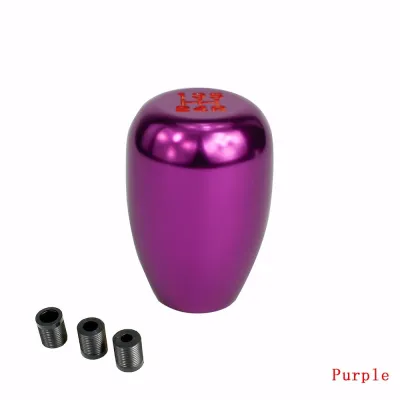
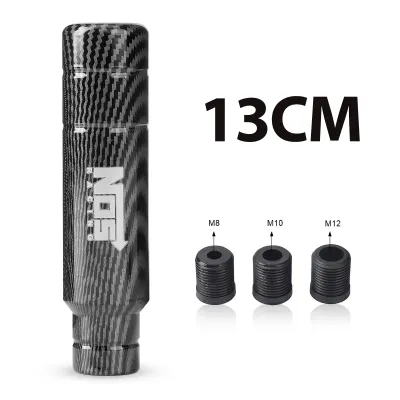
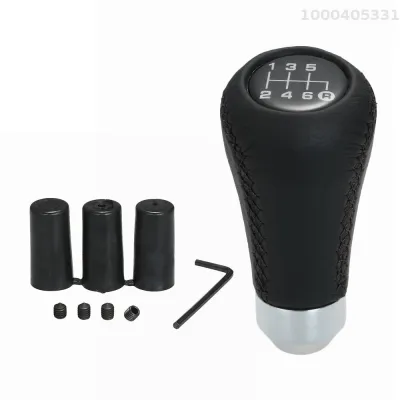
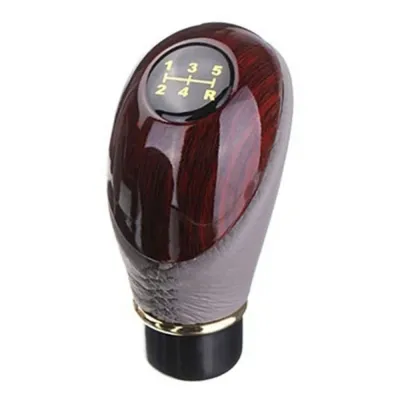
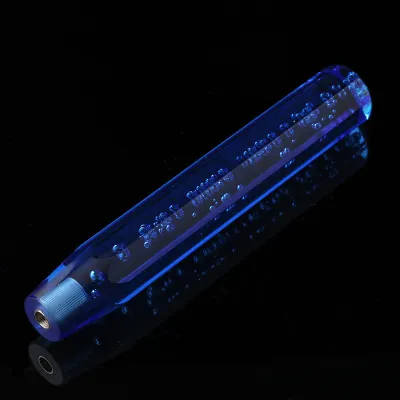
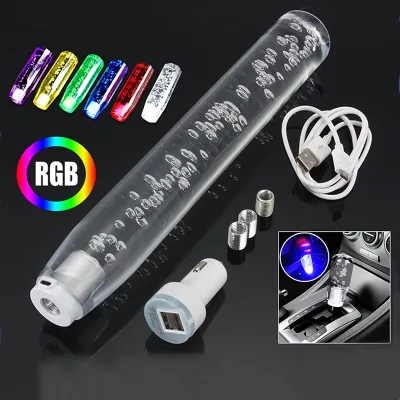
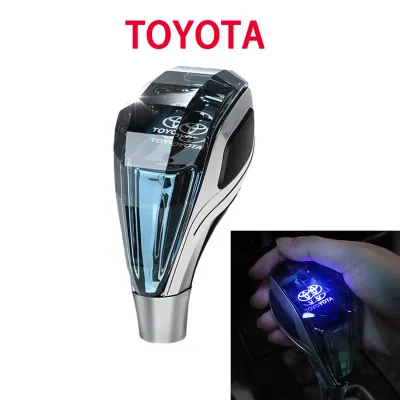
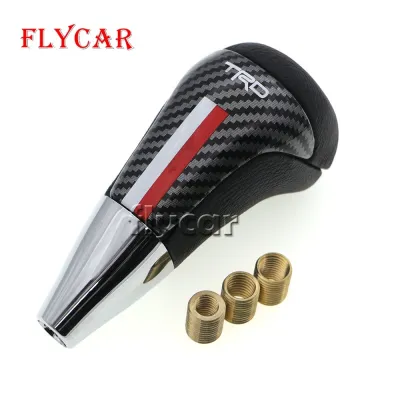
Prices are valid at publication and may change. Please refer to the product page for the latest price.
Finally, long-term wear resistance determines how well the knob withstands constant physical contact, UV exposure, and the acidic oils naturally present on human skin. Over months and years of daily shifting, some materials will degrade, fade, or develop a sticky residue, while others will maintain their structural integrity and appearance with minimal intervention.
Comparing Popular Shift Knob Materials
Leather and Alcantara (Synthetic Suede)
Natural leather and synthetic suede, such as Alcantara, are highly favored for their premium feel and excellent tactile comfort. Leather provides a classic, ergonomic grip that naturally conforms to the shape of your hand over time. It offers moderate temperature regulation, meaning it will not become excessively hot in the summer or freezing during rainy-season morning drives.

However, these organic and soft synthetic materials are susceptible to visible wear. Over years of use, leather can develop a polished, shiny appearance as it absorbs hand oils, and the stitching can fray or degrade if exposed to constant friction. Alcantara, while offering a highly secure, non-slip grip, is prone to matting and flattening when dirt and sweat accumulate in its fibers.
To preserve these materials, regular maintenance is essential. Leather requires periodic cleaning with a dedicated, pH-balanced leather cleaner and conditioning to prevent drying and cracking under intense UV rays. Alcantara must be gently cleaned with a specialized fabric cleaner and a soft brush to restore its signature nap and prevent permanent staining.
Aluminum and Metal Alloys
Solid metal shift knobs, typically machined from aluminum, stainless steel, or brass, are chosen for their exceptional physical durability. These materials are virtually immune to surface tearing, cracking, or peeling, making them incredibly long-lasting. They provide a solid, weighted feel that many drivers associate with precise, mechanical gear engagement.
The primary drawback of metal alloys is their high thermal conductivity. When parked under direct tropical sunlight, an aluminum knob can absorb heat rapidly, reaching temperatures that can cause physical discomfort or even minor burns upon contact. Conversely, in heavily air-conditioned cabins, the metal can feel uncomfortably cold.
To mitigate these temperature issues, manufacturers often apply specialized surface finishes. Anodizing adds a protective oxide layer that can reduce heat absorption slightly, while knurling or textured powder coatings introduce physical ridges that improve grip and reduce slip resistance, even when your hands are damp.
Carbon Fiber and Composites
Carbon fiber and composite materials, such as Delrin or copolymer plastics, offer a modern, high-tech aesthetic combined with excellent practical durability. These materials have low thermal conductivity, meaning they do not get excessively hot or cold, providing a comfortable touch regardless of the weather.
The durability of a carbon fiber shift knob depends heavily on its outer clear coat or resin finish. A high-quality, UV-resistant clear coat protects the underlying carbon weave from yellowing or cracking under constant sun exposure. However, highly polished resin finishes can sometimes feel slick, requiring a firm grip during rapid shifts.
When shopping, it is important to distinguish genuine carbon fiber from printed, water-dipped, or vinyl-wrapped alternatives. Real carbon fiber features a distinct, three-dimensional depth in its weave that catches the light differently from various angles, whereas imitation wraps are flat, uniform, and prone to peeling at the edges over time.
Wood and Resin Blends
Wood and resin-blended shift knobs offer a classic, retro aesthetic that complements vintage or luxury interiors. Polished wood provides a smooth, warm tactile experience that feels natural in the hand. Resin blends allow for unique, customized designs, combining the organic look of wood with vibrant, durable synthetic accents.
The longevity of a wood shift knob relies on its protective clear coat. This barrier prevents moisture, sweat, and hand oils from penetrating the wood grain, which could otherwise cause rot or discoloration. However, solid wood is sensitive to extreme humidity shifts, which can cause the material to expand, contract, and eventually develop hairline cracks.
To maintain a wood or resin knob, avoid using harsh chemical solvents or alcohol-based wipes, as these can strip away the protective lacquer. Instead, a simple wipe-down with a damp microfiber cloth is sufficient to keep the surface clean and preserve its natural luster.
Matching the Material to Your Driving Environment and Habits
Selecting the right shift knob requires analyzing your daily driving routine and local environment. If your daily commute involves navigating heavy, stop-and-go traffic in metropolitan areas, comfort and grip are paramount. Constant shifting in humid conditions makes slip-resistant materials like textured leather, Delrin, or knurled aluminum highly practical.
For vehicles parked outdoors without window tinting or sunshades, avoiding solid metals is highly recommended unless you use a protective cover when parked. In these scenarios, leather, wood, or composite materials provide a much safer and more comfortable initial contact when you start your vehicle.
Maintenance willingness is another deciding factor. If you prefer a “set-and-forget” accessory, anodized aluminum or high-grade composites require nothing more than an occasional wipe. If you enjoy detailing your car and do not mind performing routine conditioning, the premium feel of leather or Alcantara is well worth the extra care.
Installation and Compatibility Checks Before You Buy
Before purchasing a new shift knob, you must verify compatibility with your specific vehicle model and year. Shift levers use various attachment methods; many manual transmissions feature threaded levers, while others use non-threaded push-on designs. Refer to your vehicle’s official documentation to identify the exact thread pitch, such as M10x1.5 or M12x1.25, or determine if you need a vehicle-specific adapter sleeve.
The physical dimensions, height, and weight of the new knob can significantly alter your shifting mechanics. A taller knob increases leverage but lengthens the shift throw, while a shorter knob reduces throw but requires more physical effort. Additionally, excessively heavy knobs can place constant pressure on the internal shift linkage and transmission synchronizers if not properly matched, potentially leading to premature wear.
During installation, always follow safe practices and original-vehicle instructions. Avoid over-tightening the knob, which can strip the threads on either the shift lever or the knob itself. If your vehicle features a reverse lockout collar, ensure the new knob’s base provides sufficient clearance for the collar to engage fully and safely. If you are unsure about the installation process or compatibility, consult a qualified automotive professional to prevent damage to your transmission components.
Frequently Asked Questions (FAQ)
Does a heavier shift knob improve shifting feel?
A heavier, weighted shift knob utilizes kinetic momentum to make gear transitions feel smoother and more positive. Once you initiate the shift, the extra mass helps push the lever into gear with less manual effort, reducing the notched or resistant sensation common in some manual gearboxes.
However, this added weight comes with potential risks. If a shift knob is excessively heavy, it can act as a constant force resting on the shift selector fork. Over time, this continuous pressure can accelerate wear on the transmission’s internal synchronizers and bushings. Always check your vehicle manufacturer’s guidelines and community forums to find a balanced weight that improves feel without compromising transmission longevity.
How do I clean a leather or Alcantara shift knob without damaging it?
To clean a leather shift knob safely, use a mild, dedicated leather cleaner applied to a clean microfiber cloth. Gently wipe the surface to lift away accumulated hand oils and dirt, then dry it with a separate cloth. Avoid using harsh household chemicals, bleach, ammonia, or alcohol-based sanitizers, as these will strip the natural oils from the leather, causing it to dry, discolor, and crack.
For Alcantara, use a specialized fabric or upholstery cleaner. Spray a small amount onto a soft-bristled brush or microfiber cloth—never directly onto the material—and gently work it into the fibers using circular motions. Once clean, use a dry microfiber cloth to absorb excess moisture, and gently brush the fibers upward to restore the original nap and prevent the material from matting as it dries.
Community discussion
Share your experience or ask a question. Comments are reviewed before publication.