
Choosing between a motorcycle shoe cover and dedicated riding boots comes down to a fundamental trade-off between convenience and physical protection. If your daily routine involves navigating stop-and-go city traffic to reach an office or school where you must wear regular shoes, a motorcycle shoe cover offers a highly practical, packable, and budget-friendly way to keep your footwear dry during sudden tropical downpours. However, if your journey involves highway speeds, long-distance touring, or challenging provincial roads, dedicated riding boots are an essential safety investment.
While shoe covers excel at shielding your everyday shoes from rain, mud, and road grime, they offer absolutely zero structural protection against impacts, slides, or crushing forces. Riding boots, conversely, are engineered personal protective equipment (PPE) designed specifically to safeguard your feet, ankles, and shins from severe injury. Understanding how these two options perform under different riding conditions will help you make an informed decision that balances your safety requirements with your daily lifestyle needs.
Protection, Comfort, and Convenience: The Core Differences
To choose the right gear, you must first understand the stark contrast in how these two products are constructed and what they are designed to achieve.
Products mentioned in this guide
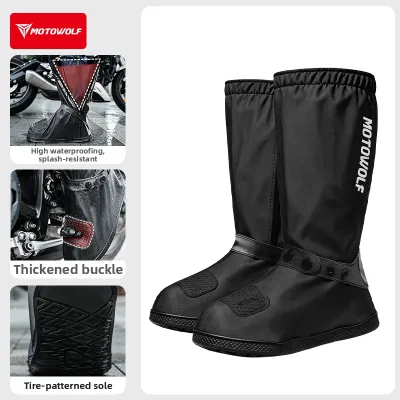
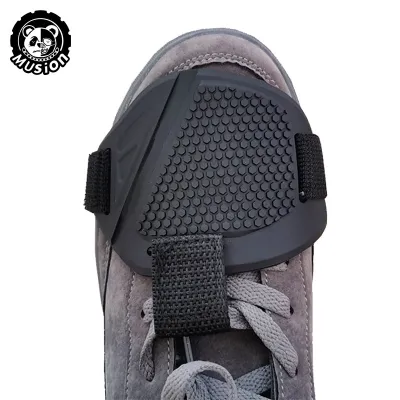
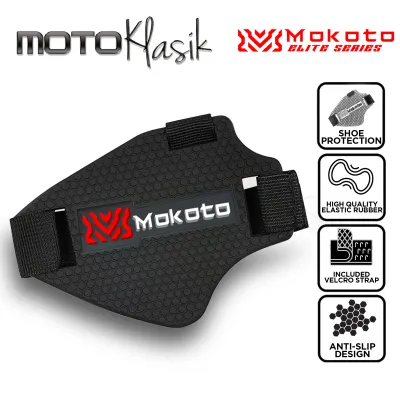
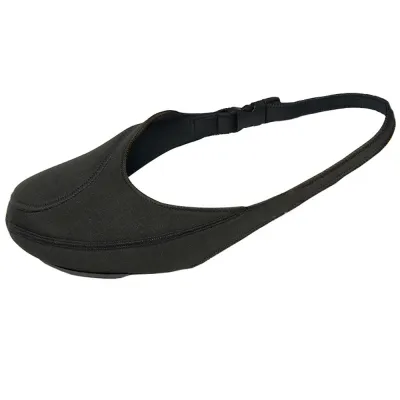
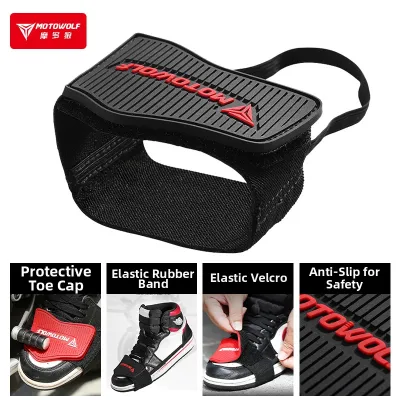
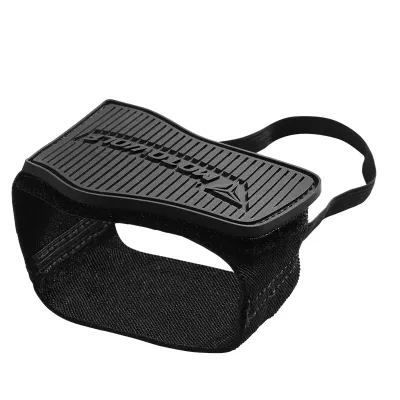
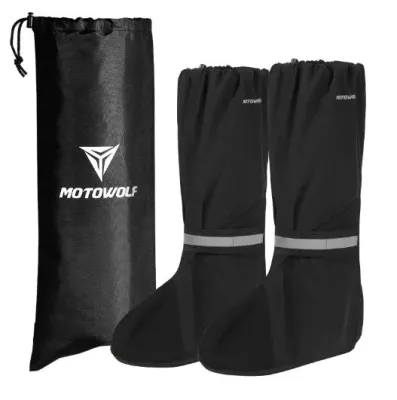
Prices are valid at publication and may change. Please refer to the product page for the latest price.
Protection Levels Dedicated riding boots are built from heavy-duty materials like thick leather, reinforced synthetics, and molded plastic armor. They feature built-in ankle protectors, reinforced heel cups, steel or plastic shanks in the sole to prevent foot crushing, and toe sliders. These components work together to absorb impact energy, resist abrasion during a slide, and prevent the foot from twisting unnaturally. A motorcycle shoe cover, typically made of thin PVC, silicone, or lightweight nylon, provides none of these safety features. When you wear a shoe cover over a standard canvas sneaker or leather dress shoe, your feet remain completely vulnerable to fractures, puncture wounds, and severe road rash in the event of an accident.
Convenience and Off-Bike Comfort The primary appeal of motorcycle shoe covers is their unmatched convenience for daily life. They allow you to wear your preferred footwear—whether that is formal office leather shoes, casual sneakers, or school loafers—directly on your motorcycle. Once you arrive at your destination, you simply unzip or slide off the covers, shake off the excess water, pack them into a small pouch, and walk inside without needing to change your shoes. Riding boots, on the other hand, are notoriously stiff, heavy, and bulky. Walking around an office, a shopping mall, or a university campus in rigid touring boots can quickly become uncomfortable and exhausting, often forcing you to carry a secondary pair of shoes in a backpack or top box.
Weather Resistance Both options aim to keep your feet dry, but they employ completely different methods to do so. High-quality riding boots often utilize integrated, breathable waterproof membranes (such as Gore-Tex or proprietary brand alternatives) that allow sweat vapor to escape while blocking external water from entering. This breathability is crucial in hot, humid tropical climates like the Philippines. In contrast, most motorcycle shoe covers rely on completely non-porous external barriers like rubber or PVC. While highly effective at keeping heavy rain out, these materials trap heat and sweat inside. On a warm, humid day, your feet may end up damp from perspiration even if the rain cover successfully blocks the downpour.
The Daily Commute: Prioritizing Convenience and Wardrobe Flexibility
Urban commuting presents a unique set of challenges, particularly in highly congested metropolitan areas like Metro Manila or Metro Cebu, where sudden weather shifts are common.

The Case for Shoe Covers For the urban commuter navigating slow, stop-and-go city traffic, shoe covers offer a highly flexible solution. If your workplace enforces a strict dress code, wearing full-sized riding boots can be highly impractical unless you have dedicated locker space to store them. High-quality shoe covers can be quickly slipped over your office shoes right before a sudden afternoon thunderstorm. Because they are lightweight and highly compressible, they easily fit under the seat of an underbone motorcycle or scooter, or inside a small commuter backpack. This portability ensures you are never caught unprepared by the unpredictable wet season. With quality shoe covers ranging from ₱300 to ₱1,500, they are a highly accessible accessory compared to dedicated waterproof boots which often start at ₱4,000 and can exceed ₱12,000.
The Case for Riding Boots (or Riding Shoes) Despite the convenience of shoe covers, some daily commuters refuse to compromise on safety. Road conditions in major cities are notoriously unpredictable, featuring deep potholes, sudden patches of loose gravel from ongoing roadworks, and slippery oil slicks left behind by public utility vehicles. A minor slip at a stoplight or a low-speed slide on a wet road can result in a painful foot injury if you are only wearing soft canvas sneakers or thin leather dress shoes. For safety-conscious riders, wearing dedicated protective footwear is a daily necessity. To bridge the gap between safety and style, many urban riders opt for casual-style riding shoes or riding sneakers. These specialized shoes look like everyday footwear but contain reinforced soles and ankle armor, providing a much higher level of protection than standard sneakers paired with a shoe cover.
Verdict for Commuters For low-speed, short-distance urban commutes where off-bike wardrobe flexibility is your highest priority, motorcycle shoe covers are a highly practical choice. They keep your expensive office shoes clean and dry for a fraction of the cost of premium waterproof boots. However, this convenience requires you to accept a lower safety baseline. If you choose this route, you must compensate by riding defensively, maintaining safe following distances, and accepting that your feet will have no structural protection if a mishap occurs.
Long-Distance Touring: Why Riding Boots Are Non-Negotiable
When you leave the city limits for long-distance touring, weekend rides, or highway travel, the riding environment changes dramatically, making proper safety gear absolute.
Why Riding Boots Are Mandatory On long-distance rides, you travel at much higher speeds for extended periods, which exponentially increases the kinetic energy involved in any potential fall. Highway riding also exposes you to flying road debris, loose gravel, and unpredictable weather across different provincial terrains. Dedicated riding boots are non-negotiable because they provide the structural support needed to protect your lower limbs from severe trauma. Furthermore, riding boots feature stiff, reinforced soles that distribute your weight evenly across the motorcycle’s footpegs. This structural stiffness prevents the arches of your feet from cramping or fatiguing after hours of standing or resting on the pegs, a common issue when riding in soft-soled regular shoes.
The Limitations of Shoe Covers on Tours Attempting to use standard shoe covers over regular shoes as your primary gear on a long-distance tour is highly discouraged. At highway speeds, loose-fitting shoe covers will flap violently against the wind, which not only creates distracting noise but also causes the material to wear out, fray, or tear rapidly. The lack of breathability in cheap PVC or rubber covers becomes unbearable over hours of continuous riding in tropical heat, leading to severe discomfort and blister-prone feet. Additionally, regular shoes lack the necessary grip and ankle stability required to support a heavy, fully loaded touring motorcycle when stopping on uneven, gravelly, or wet provincial roads.
Verdict for Touring For any long-distance, highway, or high-speed riding, dedicated riding boots are the only safe and viable choice. Motorcycle shoe covers should never be used as a substitute for proper protective footwear on these journeys. Instead, you should view shoe covers strictly as an optional accessory to pack in your luggage. If you wear non-waterproof leather riding boots, you can slip a pair of heavy-duty shoe covers over them during an intense downpour to protect the leather and keep your feet dry, maintaining the structural safety of your boots while gaining wet-weather protection.
Quick Comparison: Shoe Covers vs Riding Boots
To help you quickly weigh your options, the table below summarizes the key differences between these two types of footwear gear.
| Feature | Motorcycle Shoe Covers | Dedicated Riding Boots |
|---|---|---|
| Impact & Crush Protection | None (relies entirely on underlying shoe) | High (reinforced toe, heel, ankle, and sole) |
| Ankle & Shin Support | None | High (bracing systems and tall shin guards) |
| Off-Bike Walking Comfort | Excellent (you wear your regular shoes underneath) | Moderate to Poor (stiff, heavy, and rigid) |
| Waterproofing Mechanism | External barrier (PVC, rubber, or treated nylon) | Integrated breathable membrane or treated leather |
| Packability | High (folds flat, easily fits in small compartments) | Low (bulky, heavy, requires significant storage) |
| Ideal Use Case | Low-speed city commutes, emergency rain protection | Highway riding, long-distance touring, track days |
How to Choose the Right Motorcycle Shoe Covers for Your Commute
If you have decided that the convenience of a motorcycle shoe cover fits your daily urban commuting needs, selecting the right pair is crucial to ensure they actually keep you dry and last more than a few rides.
Material and Seams When shopping for shoe covers, avoid ultra-thin, single-use plastic options, as they will easily tear on your motorcycle’s gear shifter or footpegs. Look for covers constructed from durable, high-denier waterproof fabrics, heavy-duty PVC, or thick elastic silicone. Pay close attention to the construction of the seams. Water is highly likely to seep through stitched seams during a heavy downpour; therefore, ensure the product features fully sealed, taped, or high-frequency welded seams to guarantee complete waterproof performance.
Fit and Closure Systems A secure closure system is essential to prevent water from running down your legs and entering the top of the covers. Look for designs that feature heavy-duty, water-resistant zippers backed by wide Velcro storm flaps to seal out wind and rain. Adjustable elastic straps or drawstrings around the calf allow you to customize the fit, preventing the covers from slipping down while riding. For added safety during night commutes or low-visibility rainy days, choose covers that feature highly visible reflective strips or piping along the sides and back.
Sole Grip One of the most critical safety aspects of a shoe cover is its sole. When you stop at a wet traffic light or navigate slippery asphalt, you need a firm, confident footing. Ensure the shoe covers feature a thick, textured, anti-slip rubber sole with deep tread patterns. Avoid smooth plastic or cheap silicone soles that can easily slip on wet painted road lines, metal manhole covers, or oily road surfaces, which can cause you to drop your motorcycle.
Sizing and Clearance Sizing shoe covers can be tricky because they must fit over the exterior bulk of your regular shoes. A cover that matches your foot size might be too tight to slip over chunky sneakers or wide-soled dress shoes. Always consult the manufacturer’s specific sizing chart, which often lists the maximum external shoe length the cover can accommodate. It is highly recommended to measure the outsole of the shoes you plan to wear most often before purchasing. Additionally, check the product label for any specific material limitations, and always test the fit at home to ensure the cover does not interfere with your ability to operate the gear shifter or rear brake pedal safely.
Frequently Asked Questions (FAQ)
Can I wear regular sneakers with motorcycle shoe covers for highway riding?
No, you should never rely on regular sneakers and shoe covers for highway riding. At highway speeds, the risk of high-impact collisions and long slides increases significantly. Motorcycle shoe covers are designed solely to block water and dirt; they offer absolutely no protection against impact, abrasion, or crushing forces. For highway travel, dedicated riding boots with built-in ankle armor, reinforced soles, and abrasion-resistant materials are essential to protect your feet from severe, life-altering injuries.
How do I clean and maintain waterproof motorcycle shoe covers?
To maximize the lifespan of your waterproof shoe covers, rinse them with clean, cool water after every ride to remove road salt, mud, and grime. Gently wipe down the exterior with a soft cloth or sponge, avoiding harsh chemical detergents that can strip away the waterproof coating. Always allow them to air-dry completely in a well-ventilated indoor space, away from direct sunlight or direct heat sources like exhaust pipes, which can warp or crack the rubber and PVC materials. Do not machine wash or tumble dry them unless the manufacturer’s care label explicitly states it is safe to do so.
Are there riding shoes that offer a middle ground between boots and shoe covers?
Yes, casual riding shoes and riding sneakers serve as an excellent middle ground for daily commuters. These specialized shoes are designed to look like everyday high-top sneakers or casual leather boots, allowing you to wear them in casual social settings or relaxed workplaces. However, unlike regular fashion shoes, they feature integrated ankle protectors, reinforced toe boxes, heel cups, and crush-resistant soles. While they do not offer the extensive shin and calf protection of tall touring boots, they provide vastly superior safety compared to standard sneakers paired with shoe covers.
Community discussion
Share your experience or ask a question. Comments are reviewed before publication.