
A sputtering engine or a sudden loss of power during your daily commute can quickly turn a smooth ride into a stressful ordeal. When a motorcycle struggles to accelerate or refuses to start altogether, the fuel pump is often a primary suspect. This critical component is responsible for delivering a steady, pressurized stream of gasoline from the tank to the fuel injectors or carburetor. Recognizing the warning signs of a failing fuel pump can save you from being stranded on the side of a busy highway in intense tropical heat.
Diagnosing a fuel delivery issue requires a systematic approach to avoid replacing perfectly good parts. While a failing pump exhibits several distinct symptoms, these signs often overlap with ignition or general electrical faults. By learning to identify these symptoms and performing basic, safe diagnostic checks, you can determine whether your motorcycle needs a simple filter cleaning, a new fuel pump, or professional mechanical intervention.
Common Symptoms of a Failing Motorcycle Fuel Pump
One of the earliest indicators of a failing fuel pump is difficulty starting the engine or experiencing unusually long cranking times. When you turn the key and press the starter button, the pump must quickly pressurize the fuel lines to supply the engine. If the pump’s internal motor is worn or struggling, it may take several seconds of cranking before enough fuel reaches the combustion chamber to ignite.
Products mentioned in this guide
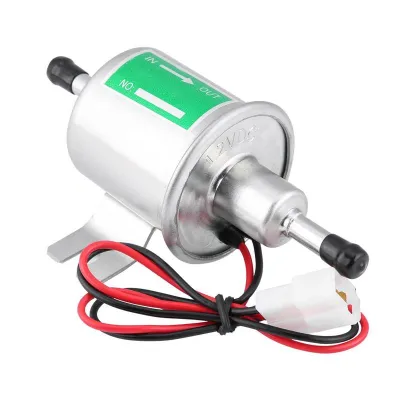
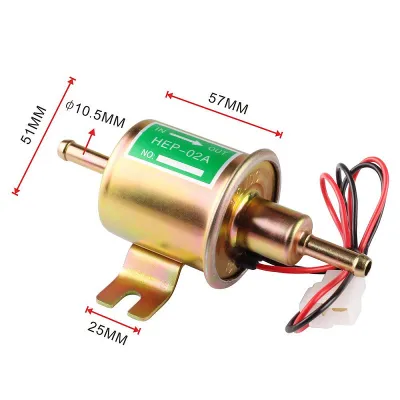
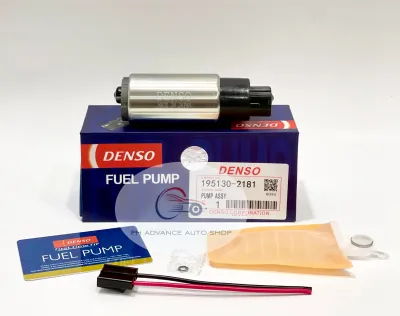
Prices are valid at publication and may change. Please refer to the product page for the latest price.
As you ride, a weak fuel pump will struggle to maintain the necessary pressure under load, leading to engine sputtering, hesitation, or a noticeable loss of power. This symptom is particularly obvious when climbing steep inclines, carrying a pillion passenger, or attempting to accelerate quickly at high speeds. The engine may feel as though it is gasping for air or cutting out momentarily because the pump cannot deliver fuel fast enough to match the open throttle.
A healthy electric fuel pump typically produces a quiet, brief hum when the ignition is first turned on, but a failing pump often makes loud, unusual noises. If you hear a high-pitched whining, buzzing, or erratic humming sound coming directly from inside the fuel tank, the pump motor is likely under extreme stress. This noise is often caused by worn bearings, internal blockages, or physical damage to the pump assembly.
Sudden stalling while riding is another dangerous symptom of a failing fuel pump, especially when the engine reaches its normal operating temperature. In tropical climates where ambient temperatures are high, a struggling pump motor can easily overheat and seize up during stop-and-go traffic. Once the motorcycle stalls, you may find it impossible to restart the engine until the pump has had sufficient time to cool down.
Ruling Out Other Causes Before Blaming the Fuel Pump
Before purchasing a replacement fuel pump, it is essential to rule out simpler and less expensive issues that mimic fuel pump failure. A clogged inline or in-tank fuel filter is a common culprit that restricts fuel flow even if the pump itself is functioning perfectly. Over time, dirt, rust from the fuel tank, and debris can accumulate in the filter, choking the fuel supply and causing the engine to sputter under load.

Fuel quality and tank ventilation also play a significant role in fuel delivery. Stale fuel, or gasoline contaminated with water from heavy tropical downpours and high humidity, will cause poor combustion and engine hesitation. Additionally, a blocked gas cap vent can create a vacuum inside the fuel tank as fuel is drawn out, eventually preventing the pump from pulling any more fuel; opening the gas cap to see if the engine suddenly runs better is an easy way to check this.
Electrical issues can easily be mistaken for a mechanical fuel pump failure. A weak battery, loose ground connections, or a failing fuel pump relay can prevent the pump from receiving the stable voltage it needs to operate. Before condemning the pump, use a multimeter to verify that the battery is fully charged and that the pump’s electrical connector receives power when the ignition is turned on.
Finally, ignition system faults like worn spark plugs or failing ignition coils can cause misfires that feel identical to fuel starvation. If a spark plug is fouled or the coil cannot deliver a strong spark, the fuel in the cylinder will not ignite properly, leading to hesitation and power loss. Inspecting the spark plugs for wear and checking for a strong, consistent spark can help you rule out these ignition-related issues.
Safe Diagnostic Steps for the Fuel System
Working with motorcycle fuel systems requires extreme caution due to the highly flammable nature of gasoline and the high pressures involved in fuel-injected systems. Always perform diagnostic steps in a well-ventilated area, away from open flames, sparks, or hot engine components. Keep a fire extinguisher rated for Class B fires nearby, and wear appropriate eye protection and fuel-resistant gloves.
The simplest diagnostic check is to listen for the fuel pump priming sound when you turn the ignition key to the “ON” position and set the engine cut-off switch to “RUN.” You should hear a distinct, two-to-three-second humming sound from the fuel tank as the pump builds initial pressure. If you hear absolute silence, it indicates an electrical interruption, a blown fuse, a faulty relay, or a completely dead pump motor.
Before performing any active tests, conduct a thorough visual inspection of the entire fuel system. Check for visible fuel leaks, cracked or dry-rotted fuel lines, and wet spots around the fuel tank connections, fuel rail, and injectors. If you detect any leaks or smell raw gasoline, do not attempt to start the engine or apply power to the system, as a single spark could ignite the leaking fuel.
To accurately measure fuel pump performance, a precise fuel pressure test using a dedicated pressure gauge and compatible adapters is required. This test involves connecting the gauge to the fuel line to measure the operating pressure against the manufacturer’s specifications. If the pressure falls below the recommended limit during priming or while the engine is running, the pump or its pressure regulator is faulty.
Knowing when to stop DIY testing is crucial for your safety and the integrity of your motorcycle. If you do not have the proper high-pressure fuel gauges, if you are unsure how to safely depressurize the fuel system, or if you encounter stubborn, seized fuel line fittings, stop immediately. High-pressure fuel spray can cause severe eye injuries, skin penetration, and catastrophic fires; in these situations, leave the diagnostics to a qualified professional.
Deciding Your Next Step: Maintenance, Replacement, or Professional Help
Once you have gathered diagnostic clues, your next step depends on the specific root cause of the fuel delivery issue. If your inspection reveals that the fuel pump is functional but struggling due to a dirty tank or contaminated fuel, a thorough maintenance session may resolve the problem. Flushing the old fuel, cleaning the interior of the tank to remove rust or sediment, and replacing the fuel filters can restore proper flow without spending thousands of pesos (₱) on a new pump assembly.
However, if the diagnostic tests confirm that the pump motor is seized, physically damaged, or unable to hold pressure, a complete fuel pump assembly replacement is necessary. When purchasing a replacement, always verify your motorcycle’s specific model, year, and engine configuration, as fuel pump dimensions, mounting positions, and electrical interfaces vary widely. Using an incorrect or low-quality aftermarket pump can lead to poor fuel delivery, premature failure, or dangerous leaks.
For many riders, seeking professional mechanical assistance is the safest and most reliable path forward. Tasks such as removing the fuel tank, handling high-pressure fuel lines, replacing internal tank components, and diagnosing complex wiring harnesses require specialized tools and expertise. A professional mechanic can ensure that the new pump is installed correctly, all seals are seated perfectly to prevent leaks, and the system is safely pressurized according to original-vehicle instructions.
Frequently Asked Questions (FAQ)
What factors affect the lifespan of a motorcycle fuel pump?
The lifespan of a submersible motorcycle fuel pump is heavily influenced by how often you ride with a low fuel level. Because these pumps are submerged inside the tank, they rely on the surrounding gasoline to cool and lubricate the pump motor; consistently running the tank near empty causes the pump to run hot, accelerating wear. Additionally, using contaminated or water-logged fuel introduces abrasive particles and moisture that corrode internal components, while neglecting regular fuel filter changes forces the pump to work harder against restriction, shortening its operational life.
Can a failing fuel pump cause electrical issues on my motorcycle?
Yes, a failing fuel pump can directly impact your motorcycle’s electrical system. If the internal electric motor of the pump begins to seize or bind, it will encounter high mechanical resistance, causing it to draw significantly more electrical current than normal. This excessive current draw can repeatedly blow the fuel pump fuse or the main fuse, shutting down the motorcycle entirely. To resolve this, you must distinguish between a mechanically failed pump drawing high current and a pre-existing electrical short, faulty relay, or damaged wiring harness.
Community discussion
Share your experience or ask a question. Comments are reviewed before publication.