
Quick Answer: Key Signs of a Worn Engine Mount
If your scooter is experiencing severe vibrations through the floorboard, unusual metallic clunking noises during acceleration, or visible rear-wheel misalignment, your engine support mount is likely worn out. The engine support acts as the structural bridge between the frame and the engine-swingarm assembly, isolating the rider from harsh engine forces.
When this component fails, continuing to ride poses a significant safety risk. You should immediately stop operating the vehicle and seek a professional inspection. Ignoring these warning signs can lead to severe frame damage, exhaust pipe breakage, or a sudden loss of handling control on the road.
Detailed Symptoms of a Failing Engine Support
Over time, the rubber bushings inside the engine support degrade due to constant exposure to engine heat, road grime, and tropical humidity. Metal fatigue can also weaken the brackets, changing how your scooter handles and rides.
Products mentioned in this guide
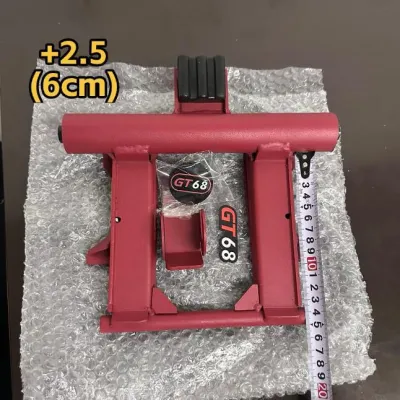
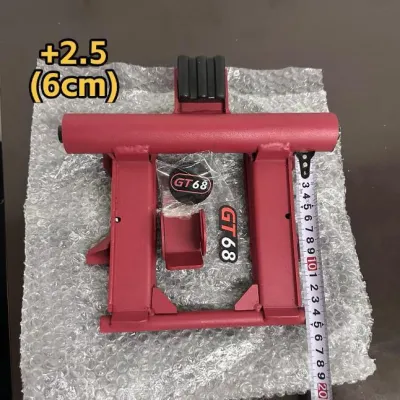
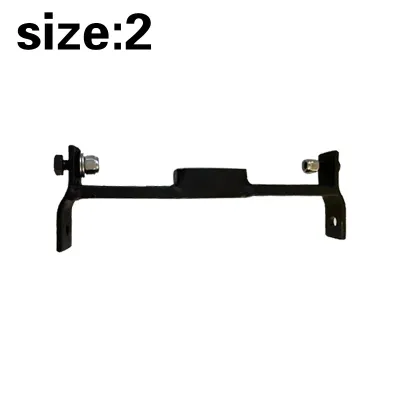
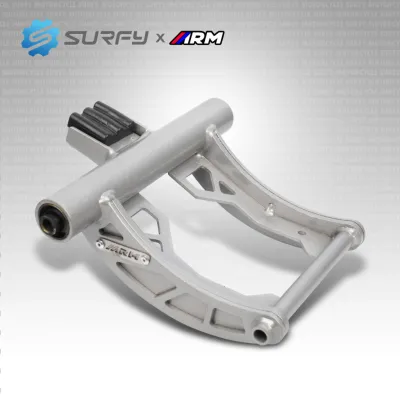
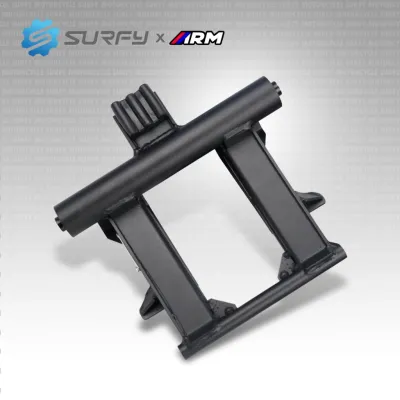
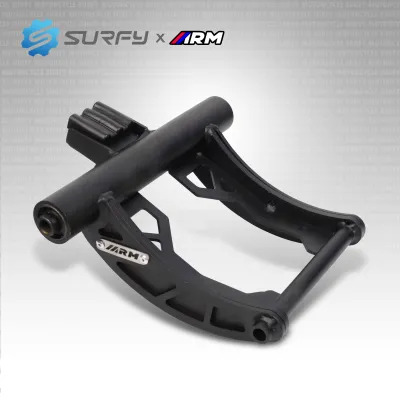
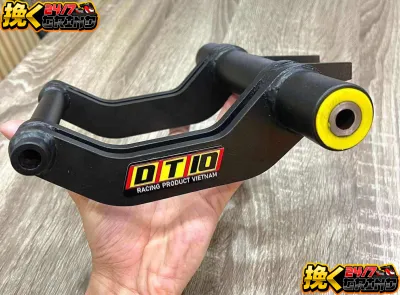
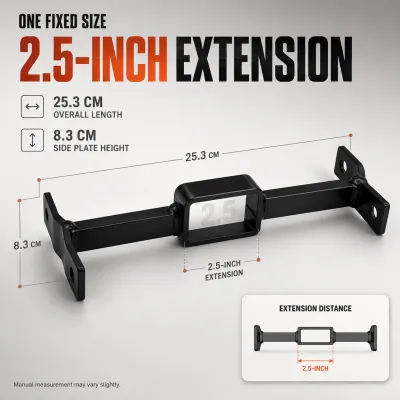
Prices are valid at publication and may change. Please refer to the product page for the latest price.

It is important to distinguish between the normal, high-frequency buzz of a healthy single-cylinder engine and the harsh, low-frequency shaking of a failed mount. A healthy mount keeps the engine securely aligned while dampening road shocks, whereas a degraded mount allows the engine to shift excessively under load.
Excessive Vibration at Idle and Low Speeds
One of the most common indicators of a failing engine support is a harsh vibration that transfers directly into the floorboard, seat, and handlebars. This shaking is typically most violent when the scooter is stationary with the engine idling at a stoplight.
Because the engine is not under load at idle, its natural rocking motion is unrestrained if the rubber bushings have hardened or torn. As you twist the throttle and increase speed, the vibration may slightly change frequency, but the overall ride will feel uncharacteristically rough and fatiguing to your hands and feet.
Clunking or Rattling Noises During Acceleration
When you accelerate from a complete stop or twist the throttle to overtake, the engine generates torque that attempts to rotate the rear swingarm assembly. If the engine support bushings are completely worn or missing, this torque causes the metal inner sleeve of the mount to slam directly against the outer bracket.
This metal-on-metal contact produces a distinct clunking or knocking sound from underneath the seat. You may also hear a persistent rattling noise when riding over speed bumps, potholes, or uneven road surfaces, as the engine bounces freely within its loose mounting points.
Visible Engine Movement or Misalignment
A failing engine support often causes the entire rear assembly of the scooter to sit unevenly. To check for this, park your scooter on a flat surface and look at it directly from behind to see if the rear tire aligns perfectly with the center of the frame.
If the engine support has collapsed on one side, the rear wheel may look visibly tilted or skewed. You might also notice uneven gaps between the engine casing, the air filter box, and the rear body panels, or observe deep cracks, tears, and separation in the rubber bushings themselves.
How to Safely Inspect the Engine Support
Before performing any physical checks, you must prioritize safety by ensuring the scooter is parked on a level surface and placed securely on its center stand. Allow the engine and exhaust system to cool down completely to avoid accidental burns during your inspection.
Begin with a thorough visual inspection of the pivot area where the engine connects to the frame. Use a bright flashlight to examine the rubber bushings for signs of dry rot, deep cracks, missing chunks, or off-center positioning of the mounting bolts.
To check for excessive play, follow these steps carefully:
- Place one hand firmly on the rear grab rail to stabilize the scooter.
- Grip the rear tire or the engine crankcase with your other hand.
- Gently attempt to wiggle the engine assembly from side to side and up and down.
- Observe the mounting point to see if there is visible movement or play within the bushing.
If you feel significant movement, hear metal-on-metal clicking, or if the engine shifts too freely, the support has failed. Stop your inspection and consult a qualified professional, as attempting to force or pry the engine further can cause damage to surrounding components.
Ruling Out Other Causes of Vibration and Noise
Because scooters rely on a complex system of moving parts, other mechanical issues can easily mimic the symptoms of a bad engine support. It is crucial to rule these out before purchasing replacement parts to avoid unnecessary expenses.
CVT System Wear
- Worn roller weights or a flat-spotted drive belt can cause severe shuddering and vibration during takeoff.
- A glazed clutch bell or worn clutch springs can also cause the transmission to engage unevenly, mimicking a loose engine mount.
Chassis and Wheel Components
- A warped rear tire, an unbalanced wheel, or a failing rear wheel bearing can cause high-speed vibrations that feel like a chassis issue.
- Loose exhaust pipe brackets or worn rear shock absorber bushings can create metallic rattling noises over bumps.
If your visual inspection shows that the engine support bushings are intact, pliable, and centered, but the vibrations persist, have a qualified mechanic inspect your transmission and wheel assemblies.
Next Steps: Replacing the Engine Support
If your inspection confirms that the engine support is damaged, you must replace it promptly to restore your scooter’s safety and ride quality. When sourcing a replacement, always verify your exact vehicle model year and variant, as mounting dimensions and bracket designs can vary between different production years.
We highly recommend using Original Equipment Manufacturer (OEM) parts or certified, high-quality aftermarket equivalents. Avoid unbranded, low-grade rubber bushings, as they degrade rapidly under tropical heat and road stress, leading to premature failure.
Because replacing the engine support requires supporting the heavy engine-swingarm assembly while the main pivot bolt is removed, this task carries significant safety risks. If you do not have the proper lifting equipment, jack stands, and torque wrenches, do not attempt this repair at home. Always refer to your original-vehicle service manual and have the replacement performed by a qualified technician to ensure the frame integrity and mounting bolts are torwed to exact factory specifications.
Frequently Asked Questions (FAQ)
Is it safe to ride my Click 125 with a broken engine support?
No, it is not safe to ride with a broken engine support. A failed mount allows the engine and rear wheel assembly to shift independently of the main frame, which severely compromises your steering, cornering stability, and overall handling. This excessive movement also puts immense structural stress on the frame, rear shock absorbers, exhaust pipe, and throttle cables, which can lead to sudden mechanical failure or an accident while riding.
What should I look for when buying a replacement engine support?
When purchasing a replacement, you must verify the exact model year and variant of your scooter to ensure proper bracket compatibility and bolt dimensions. Check the part number against your official service manual or consult a trusted parts dealer. Look for high-quality rubber compounds designed to withstand high heat and humidity, and ensure the replacement kit includes all necessary bushings and sleeves as specified by the manufacturer.
Community discussion
Share your experience or ask a question. Comments are reviewed before publication.