
Quick Answer: Key Red Flags of a Failing Engine Support
Vibrations are a normal part of riding a single-cylinder scooter, but excessive harshness signals a deeper problem. If you notice severe vibrations transferring to your handlebars and floorboard at idle, hear metallic clunking noises over speed bumps, or experience a loose, swaying sensation in the rear end during acceleration, your engine support click v3 needs attention. These symptoms typically indicate that the rubber bushings inside the engine hanger assembly have deteriorated or torn. While minor wear causes discomfort, a completely broken support compromises your scooter’s handling and safety, requiring immediate replacement.
Recognizing the Symptoms: Vibrations, Noises, and Handling Issues
The Honda Click V3 utilizes an engine hanger system with integrated rubber bushings to isolate the natural vibrations of its single-cylinder engine from the underbone frame. Over time, constant exposure to engine heat, road debris, and the physical stress of accelerating and braking degrades these rubber components. When the rubber loses its elasticity or tears, the mechanical barrier between the engine and the frame disappears.

Excessive Vibrations at Idle and During Acceleration
Every single-cylinder engine has a natural imbalance that produces vibrations. Under normal conditions, the rubber bushings in your engine support absorb these movements, leaving you with a smooth ride. However, when these bushings fail, you will feel a harsh, high-frequency rattling vibration through the seat, floorboard, and handlebars. This sensation is usually most pronounced when the scooter is idling or when you first twist the throttle to accelerate. At these moments, the engine is under high torque load, forcing the engine block to twist against its mounts. Without intact rubber to cushion this movement, the engine’s physical vibrations transfer directly into the frame.
Products mentioned in this guide
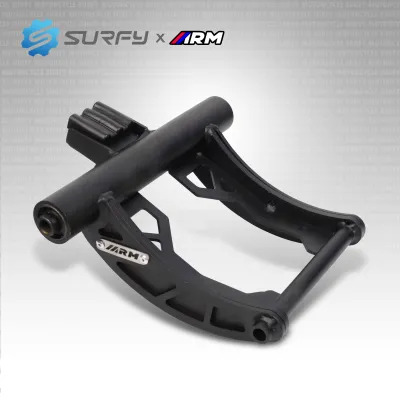
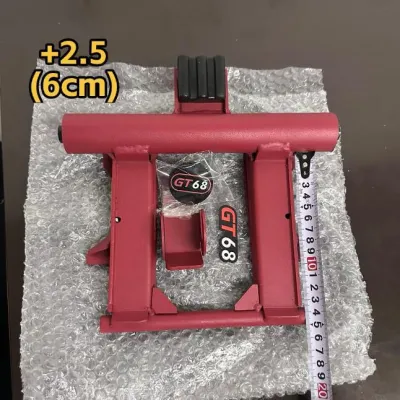
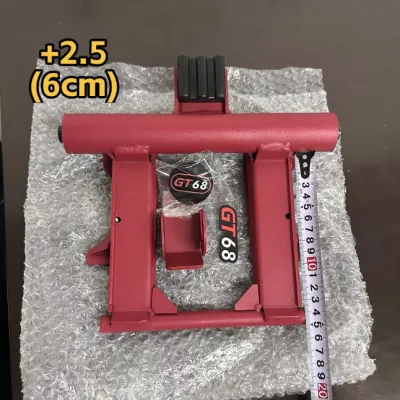
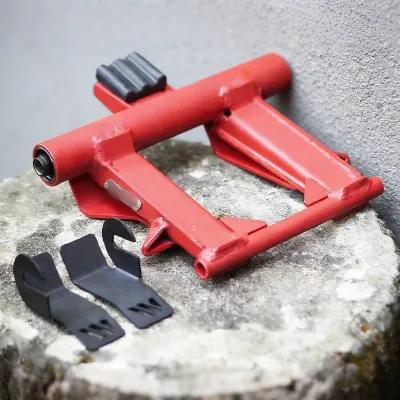
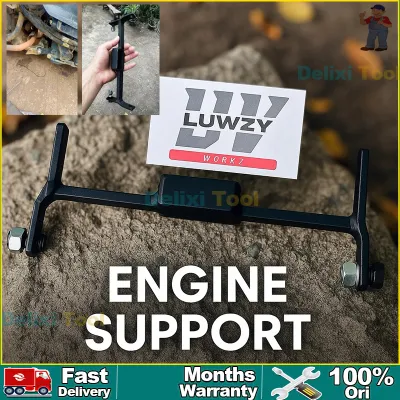
Prices are valid at publication and may change. Please refer to the product page for the latest price.
Clunking or Squeaking Sounds Over Bumps
As you navigate uneven roads, potholes, or speed bumps, your scooter’s rear suspension compresses and rebounds. The engine support acts as the pivot point where the engine and rear swingarm assembly connect to the main frame. If the rubber inside the hanger bushings has completely worn away, the inner metal collar of the bushing will slam directly against the outer metal housing or the frame bracket. This results in a distinct, sharp metallic ‘clunk’ or ‘thud’ every time you hit a bump. Conversely, if the rubber is dry, cracked, and losing its elasticity, it will rub dryly against the metal sleeves, producing a persistent squeaking or creaking sound as the engine pivots.
Unstable Handling and Rear-End Wobble
The engine support is a critical structural component that maintains the alignment of your rear wheel. Because the engine and transmission of the Honda Click V3 serve as the swingarm, any play in the engine support directly alters the rear suspension geometry. When a bushing is torn or collapsed, the entire engine assembly can shift laterally under load. If you feel a wandering sensation, a rear-end wobble, or a feeling that the rear wheel is steering itself during hard acceleration, cornering, or braking, your engine support is likely compromised. This lateral play makes cornering unpredictable and dangerous.
Step-by-Step Visual and Physical Inspection Guide
Verifying whether your engine support is the root cause of your scooter’s issues requires a systematic inspection. You do not need advanced mechanical tools to perform these diagnostic checks, but you must prioritize safety to prevent the scooter from tipping over or causing injury.
Preparation and Safety First
Park your Honda Click V3 on a flat, level concrete surface. Deploy the center stand to lift the rear wheel completely off the ground. Ensure the scooter is stable and cannot easily slide forward or tilt to either side. If your engine was recently running, allow it to cool down completely to avoid accidental burns from the exhaust pipe or crankcase.
Visual Inspection of the Bushings
Equip yourself with a bright flashlight and kneel down on the left side of the scooter, near the front of the airbox and CVT cover. Locate the engine hanger link, which connects the front of the engine crankcase to the frame. Shine your light directly into the pivot points where the mounting bolts pass through the rubber bushings. Inspect the rubber carefully for deep cracks, missing chunks, or dry rot. A common sign of failure is the rubber separating entirely from the inner metal sleeve or the outer hanger bracket. Additionally, check for severe rust, deformation, or cracking on the metal hanger brackets themselves, which can occur after riding through deep floodwaters or salt-heavy coastal air.
Physical Play Check (The Rock Test)
With the scooter still securely on its center stand, stand at the rear of the vehicle. Firmly grasp the rear tire or the lower portion of the engine casing (such as the CVT cover) with both hands. Attempt to rock the entire engine assembly side-to-side and then up-and-down. Under normal conditions, there should be virtually no lateral (side-to-side) movement, and only a very small, firm amount of vertical play managed by the rear shock absorber. If you feel a distinct mechanical loose play, hear a metallic clicking sound, or see the engine hanger shifting visibly at its mounting bolts during this test, the bushings are completely shot.
Safety Boundary During Inspection
Never use pry bars, screwdrivers, or excessive mechanical leverage to force the engine to move during this check. Using excessive force can crack the aluminum mounting tabs on your engine crankcase, bend the frame brackets, or knock the scooter off its center stand, risking severe personal injury or costly structural damage. The physical play check should only be performed using hand pressure.
Hardware and Bolt Check
Sometimes, severe vibrations can cause the main engine hanger bolts to back out or loosen over time. Use a wrench to check that the mounting bolts and nuts are snug. If a bolt is loose, it can mimic all the symptoms of a failed bushing by allowing the hanger to slide back and forth. If you find loose hardware, do not assume the bushing is fine; inspect the rubber anyway, as running with loose bolts often destroys the rubber insert very quickly.
Ruling Out Other Common Causes of Scooter Vibrations
Because a scooter’s chassis is highly interconnected, several other mechanical issues can produce symptoms that closely mimic a bad engine support. Before purchasing replacement parts, you should rule out these common culprits to avoid unnecessary expenses.
CVT and Transmission Issues
The Continuously Variable Transmission (CVT) is a frequent source of vibration on the Honda Click V3. If your roller weights are flat-spotted, your drive belt is glazed or unevenly worn, or your clutch bell has accumulated a layer of glazed friction material, the scooter will shudder violently during acceleration. This shuddering can feel almost identical to a bad engine mount. However, CVT-induced vibrations typically disappear once you reach cruising speeds, whereas a failed engine support will continue to vibrate and cause unstable handling at all speeds.
Rear Shock Absorber Wear
A blown rear shock absorber can cause metallic clunking and unstable handling over bumps. If the shock absorber is leaking hydraulic oil, has a fatigued spring, or has worn-out rubber eyelet bushings, it will fail to control the suspension’s rebound. This leads to excessive bouncing and harsh bottoming-out noises. To differentiate this from an engine support issue, check the shock body for oily residue and inspect the shock’s upper and lower mounting bushings for play.
Tires and Wheel Bearings
A warped rear tire, uneven tire wear, incorrect tire pressure, or a bent wheel rim can cause high-speed vibrations and a wandering sensation in the rear end. Similarly, worn rear wheel bearings will allow the rear wheel to wobble independently of the engine. You can diagnose this by spinning the rear wheel by hand while the scooter is on the center stand; listen for grinding noises and feel for lateral play in the wheel hub itself.
Exhaust Hanger and Body Panels
A loose exhaust pipe bracket or unfastened plastic body fairings can create loud buzzing, rattling, or metallic vibrating sounds that resonate through the frame. These noises can easily be mistaken for engine mount vibrations. Tap around your plastic panels and the exhaust system to ensure all fasteners are tight and that no metal components are vibrating against each other.
Next Steps: When to Tighten, Replace, or See a Mechanic
Once you have diagnosed the condition of your Honda Click V3’s engine support, you must choose the correct path forward based on your findings.
Minor Adjustments and Torque Checks
If your inspection revealed that the rubber bushings are completely intact, free of cracks, and still firmly bonded to their metal sleeves, but the mounting bolts were simply loose, tightening them may resolve the issue. Refer to your vehicle’s service manual for the exact torque specifications. Tighten the fasteners to the recommended torque and perform a test ride in a safe, low-speed area to see if the vibrations and noises have subsided.
Component Replacement Requirements
If the rubber bushings are cracked, torn, separated, or missing chunks, tightening the bolts will not fix the problem. The entire engine support hanger assembly must be replaced. On the Honda Click V3, the rubber bushings are press-fitted into the metal hanger link at the factory. Attempting to press out the old bushings and press in new ones using basic garage tools is highly difficult and often results in bending the hanger link. The standard, most reliable repair method is to replace the complete engine hanger unit as a pre-assembled part.
Professional Service Boundary
Replacing an engine support is a complex, high-risk task that should generally be handled by a qualified mechanic. To replace the hanger, the entire engine block must be safely supported using a specialized jack or hoist while the main mounting bolts are removed. This process requires disconnecting or carefully managing the rear shock absorber, brake cables, and electrical wiring. Attempting this job without proper lifting equipment and mechanical expertise risks dropping the heavy engine block, which can sever wiring harnesses, crack the aluminum engine casing, bend the frame, or cause severe personal injury.
Purchasing the Right Replacement Parts
When purchasing a replacement engine support, always verify the exact part number for your specific Honda Click V3 model year. Hanger designs can vary slightly between different generations and engine displacements (such as the Click 125i versus the Click 150i or 160 variants). We strongly recommend prioritizing Original Equipment Manufacturer (OEM) parts. OEM supports are manufactured with the precise rubber durometer (hardness) and geometric alignment required to properly isolate engine vibrations while maintaining stable handling. Cheap, unbranded aftermarket supports often use inferior rubber compounds that degrade rapidly or are too stiff, transferring even more vibration to the frame.
Frequently Asked Questions (FAQ)
How long do engine mounts typically last on a Honda Click V3?
There is no fixed mileage or time interval for replacing the engine support. The lifespan of the rubber bushings depends heavily on your daily riding conditions, total load weight, and environmental exposure. Frequent travel on rough, pothole-ridden roads or carrying heavy cargo and backriders puts significantly more stress on the mount. In hot, humid climates, the rubber can also dry out faster. Rely on physical inspections during regular maintenance rather than a set schedule.
Is it safe to ride the scooter with a broken engine support?
It is highly unsafe to ride with a broken engine support. When the support fails completely, the engine and rear wheel assembly can shift unpredictably. This movement can pull on the throttle cable, damage the exhaust header, or cause the rear wheel to become severely misaligned, leading to a sudden loss of traction or a crash. If your engine support is broken, stop riding immediately and have the scooter towed or pushed to a professional repair shop.
Community discussion
Share your experience or ask a question. Comments are reviewed before publication.