
Deciding whether to repair or replace the engine block of your Yamaha Mio i125 comes down to the severity of the structural and surface damage. Severe structural cracks, warped cylinder mating surfaces that exceed factory machining tolerances, or deep scoring on the cylinder wall generally dictate a complete replacement of the cylinder block. Conversely, minor surface imperfections or light glazing might occasionally be addressed through specialized machining, though the unique design of the Mio i125 cylinder presents specific limitations. Ultimately, diagnosing whether a block is salvageable requires precise mechanical measurements using specialized automotive tools, rather than simple visual assessments.
Because the Mio i125 relies on highly specialized cylinder wall technology, traditional repair options like reboring are often impossible or highly discouraged. If you are experiencing persistent performance loss, heavy oil consumption, or structural leaks, installing a new cylinder block is usually the most cost-effective and reliable path to restore your scooter to factory performance.
Common Symptoms of a Failing Engine Block
Engine block failures rarely happen overnight without warning. Because the engine block houses the combustion process and supports high pressures and operating temperatures, any structural or internal wear will manifest in noticeable performance changes, fluid issues, or noise. Recognizing these early warning signs can prevent complete engine failure on the road.
Products mentioned in this guide
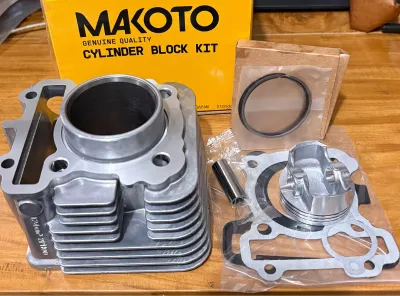
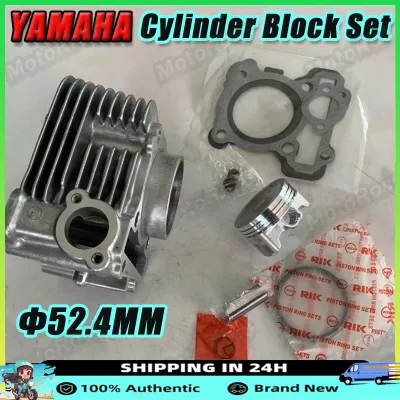
Prices are valid at publication and may change. Please refer to the product page for the latest price.
In the Philippines, the tropical climate, high ambient temperatures, and heavy stop-and-go traffic put extra thermal stress on your scooter’s engine. This accelerated thermal cycling can worsen minor manufacturing flaws, gasket leaks, or wear over time, making regular monitoring of your engine’s condition essential.
External Leaks and Visible Damage
Oil seepage around the cylinder head or base gaskets is a primary indicator of potential block issues. While a leak often points to a worn gasket, it can also stem from a warped block mating surface or hairline cracks in the aluminum casting.
Carefully clean all road grime, dust, and old oil from the engine casing using a dedicated degreaser before inspecting the block. Once clean, run the engine briefly to trace the exact source of the leak. A crack near the mounting studs or cylinder base means the structural integrity of the block is compromised, whereas a simple gasket failure is much easier to resolve.
Stripped thread holes for the cylinder head bolts also pose a major issue. The crankcase and block are made of aluminum, which is relatively soft. Over-tightening the cylinder head bolts without a torque wrench can easily strip these threads, preventing proper clamping force and leading to persistent leaks and compression loss that cannot be fixed without complex thread inserts or a block replacement.
Performance Issues and Unusual Noises
A failing engine block directly impacts the compression needed for efficient combustion. You may notice a significant loss of power, sluggish acceleration, or difficulty starting your scooter, especially during cold mornings.
Excessive vibration throughout the chassis during idling or acceleration can also signal that the piston is no longer moving along a perfectly straight path due to cylinder bore distortion. This distortion prevents the piston rings from sealing correctly against the cylinder wall, letting combustion gases escape into the crankcase.
Listen closely for a distinct metallic knocking or rattling sound, commonly known as piston slap, which occurs when the clearance between the piston and the cylinder wall becomes too wide. This excess clearance is typically caused by severe bore wear or an out-of-round cylinder, preventing the piston from aligning correctly and causing it to rock back and forth inside the chamber.
Exhaust Smoke and Fluid Contamination
The appearance of thick, blue-gray exhaust smoke is a classic sign that engine oil is bypassing the piston rings and burning inside the combustion chamber. This issue often points to deeply scored cylinder walls inside the block, which fail to keep the oil in the crankcase where it belongs.
Additionally, pay close attention to the condition of your engine oil during routine maintenance. If you pull the dipstick and notice a milky, light-brown emulsion instead of clear, amber oil, water has contaminated the lubrication system.
Since the Mio i125 features an air-cooled Blue Core engine, it does not use liquid coolant. However, heavy rains, deep floodwaters, or high-pressure washing can force water through a cracked block or a blown gasket, leading to oil emulsification that rapidly destroys engine bearings if not addressed immediately.
Repair vs. Replace: Evaluating the Damage
When deciding whether to repair or replace your cylinder block, you must understand the specific engineering of the Yamaha Mio i125. The Mio i125 utilizes Yamaha’s proprietary DiASil (Die-cast Aluminum Silicon) cylinder block, which is designed without a traditional steel sleeve to offer superior heat dissipation and wear resistance.

Because DiASil is an all-aluminum alloy containing high silicon content, it cannot be rebored or honed using standard automotive shop methods to fit oversized pistons. If the cylinder wall suffers deep scratches, scoring, or becomes out-of-round, the standard repair path of reboring is not an option; instead, you must purchase a complete replacement block.
Some specialty machine shops in the Philippines may offer to press a custom steel sleeve into a damaged DiASil block, but this modification alters the engine’s thermal characteristics. Steel has much lower thermal conductivity than aluminum, meaning the engine will run significantly hotter, increasing the risk of overheating and piston expansion (seizure), especially under the hot Philippine sun.
If the block is warped along its mating surfaces beyond the strict manufacturer limit, attempting to grind or resurface the block can alter the compression ratio and timing. This makes a complete block replacement the safest and most reliable solution.
This diagnostic evaluation must always be performed by a professional mechanic using precision tools. Dial bore gauges, micrometers, and high-accuracy straight edges are required to measure cylinder taper, roundness, and deck flatness before making a final decision.
What to Do Next: Inspection and Professional Diagnosis
If you observe any of the severe symptoms described, such as loud metallic knocking, heavy exhaust smoke, or rapid oil loss, you should stop riding your scooter immediately. Continuing to operate a motorcycle with a compromised engine block risks catastrophic engine seizure, which can lock the rear wheel mid-ride and cause a serious accident on busy roads.
Arrange to have your scooter transported or towed to a reputable service center or an authorized Yamaha dealer for a comprehensive teardown inspection. Riding a severely damaged motorcycle, even to the shop, can turn a simple top-end replacement into a complete engine rebuild if the piston or connecting rod breaks.
Avoid attempting to disassemble the engine block yourself in an uncontrolled environment. Internal engine work requires specialized tools, such as calibrated torque wrenches to prevent stripping the aluminum threads, and clean-room conditions to prevent dust and road grit from entering the crankcase.
A qualified mechanic will follow a systematic diagnostic process to confirm the block’s condition:
- Visual Inspection: Checking for hairline cracks, casting defects, and external oil leaks under clean conditions.
- Compression and Leak-Down Testing: Measuring the cylinder's ability to hold pressure, which helps isolate whether compression loss is due to the block, piston rings, or valves.
- Precision Measurements: Using a dial bore gauge to check the cylinder bore at multiple heights and angles to detect any taper or ovality.
- Straight-Edge Testing: Placing a high-precision straight edge across the block deck with a feeler gauge to check for warpage.
Always refer to your vehicle’s manual for original torque specifications and clearances.
Cost Considerations for Block Replacement in the Philippines
Investing in a replacement engine block involves weighing the costs of genuine OEM parts against aftermarket alternatives available in the local market. Genuine Yamaha OEM DiASil blocks sit at a higher price tier but offer guaranteed compatibility, optimal heat dissipation, and long-term durability that matches factory standards.
Aftermarket block kits, which are widely distributed across local motorcycle shops and online marketplaces, serve as a lower-cost alternative. However, their material composition and manufacturing tolerances can vary significantly, which may affect the lifespan of your engine. Some aftermarket blocks are designed as “bore kits” to increase displacement, but these require upgrading other components like the fuel injector and ECU mapping to prevent running too lean and destroying the new block.
Beyond the cost of the physical block kit, you must factor in the labor fees for a complete top-end or full-engine teardown, which requires several hours of skilled mechanical work. Labor rates can vary depending on whether you visit an authorized dealership or a trusted independent mechanic in your province.
Always request a comprehensive, itemized quotation from your mechanic before any work begins, as a block replacement necessitates additional consumable parts. These supporting components include:
- Gasket Sets: A high-quality top-overhaul gasket set (head gasket, base gasket, and tensioner gasket) to ensure a perfect seal.
- Engine Lubricants: Fresh motorcycle-specific engine oil (such as 10W-40) to protect the new components during their initial run.
- Spark Plug and Seals: A new spark plug and fresh valve stem seals to optimize combustion and prevent oil leaks into the valve guide area.
- Piston and Rings: A matching piston and ring set, which is almost always replaced alongside the block to ensure proper seating and compression.
Frequently Asked Questions (FAQ)
Review these common concerns regarding safety and longevity if you suspect your Yamaha Mio i125 is experiencing engine block issues.
Can I ride my Mio i125 with a cracked engine block?
No, you should never ride your motorcycle if you suspect or know that the engine block is cracked. A crack in the block can expand rapidly under the intense heat and pressure of combustion, leading to sudden, catastrophic oil loss. This can cause the engine to seize instantly, locking your rear wheel and putting you in extreme danger, especially at high speeds.
How long does a replacement engine block last?
A high-quality replacement engine block can last for tens of thousands of kilometers, matching the lifespan of your original factory engine, provided it is installed correctly. Achieving this longevity requires strict adherence to the manufacturer’s recommended break-in procedure for the first few hundred kilometers. Additionally, performing regular oil changes at recommended intervals and ensuring your air cooling shroud is clean and intact are critical to preventing premature wear.
Community discussion
Share your experience or ask a question. Comments are reviewed before publication.