
Your motorcycle’s clutch system relies on a set of heavy-duty springs to clamp the friction and steel plates together, ensuring engine power transfers smoothly to the rear wheel. Over time, the constant heat cycles and mechanical stress of daily riding cause these springs to fatigue, lose their tension, and fail to hold the clutch plates firmly. If your motorcycle is struggling to accelerate uphill or feels sluggish when you twist the throttle, weak clutch springs might be the culprit. Confirming this issue requires a physical inspection and precise measurement against your manufacturer’s specifications, rather than guessing based on mileage alone.
Recognizing the Early and Advanced Symptoms of Weak Clutch Springs
One of the most common signs of weak clutch springs is clutch slippage under heavy acceleration. When you twist the throttle in a high gear or attempt to climb a steep incline, the engine RPMs may spike rapidly without a corresponding increase in road speed. This happens because the weakened springs cannot apply enough clamping force to keep the friction plates locked together under high torque loads.
Another indicator is an inconsistent or unusual lever feel. If your clutch lever suddenly feels spongy, excessively soft, or unexpectedly stiff, and basic cable lubrication does not resolve the issue, the springs may be wearing unevenly. Uneven spring tension prevents the pressure plate from lifting straight, leading to an erratic feel at the handlebar.
Products mentioned in this guide
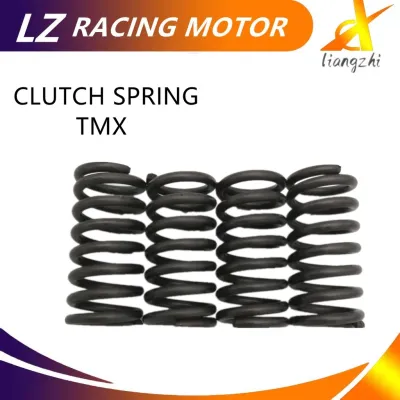
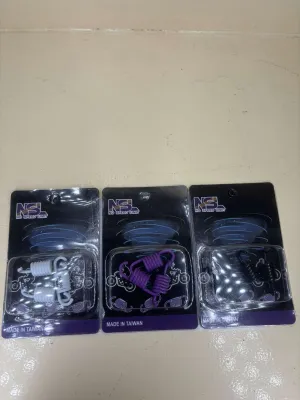
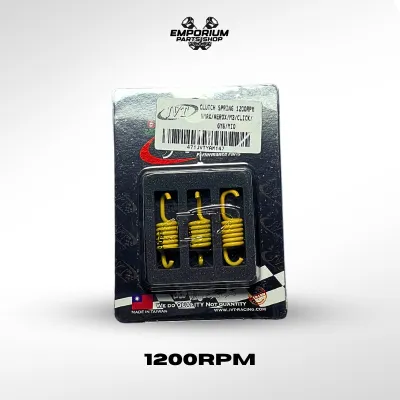

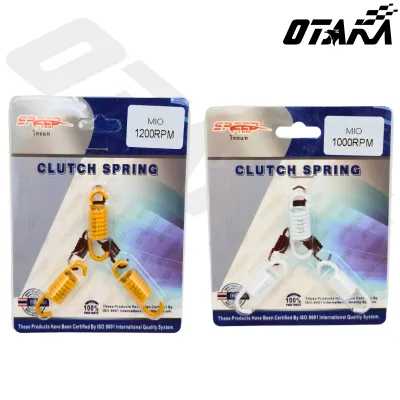

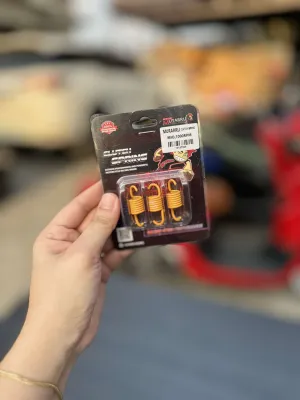
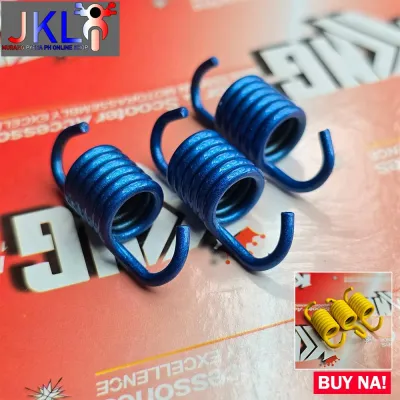
Prices are valid at publication and may change. Please refer to the product page for the latest price.
You might also experience difficulty finding neutral or notice the motorcycle creeping forward while stopped with the clutch lever fully pulled in. When springs lose their structural integrity or warp, they can prevent the clutch plates from separating cleanly. This dragging effect keeps a small amount of engine power flowing to the transmission, making gear shifts clunky and neutral hard to select.
Finally, pay attention to how the clutch engages as you release the lever. Weak springs often cause delayed, abrupt, or unpredictable engagement. Instead of a smooth, progressive transition as the plates bite, the motorcycle might shudder, jerk, or grab suddenly, making low-speed maneuvering in heavy traffic highly challenging.
Differentiating Spring Wear from Other Clutch System Failures
Before tearing down your engine, it is crucial to distinguish between weak clutch springs and other common transmission failures. While both worn friction plates and weak springs cause clutch slippage, they often behave differently. Worn friction plates typically result in a gradual, consistent loss of bite over time, whereas weak springs tend to slip suddenly when the engine reaches its peak torque band or when carrying a heavy passenger.

Always check your clutch cable tension, routing, and lubrication before blaming internal components. A binding cable, tight routing around the frame, or a dry lever pivot can mimic the symptoms of a failing clutch. Ensure your lever has the manufacturer-specified amount of free play; a cable with zero free play keeps constant tension on the release mechanism, causing the clutch to slip even if the springs are perfectly healthy.
Internal mechanical wear can also produce similar symptoms. For instance, a notched clutch basket—where the tabs of the friction plates wear deep grooves into the aluminum fingers of the basket—will prevent the plates from sliding freely. This restriction can cause the clutch to slip or drag, mimicking the behavior of weak springs. Similarly, warped steel plates will cause uneven engagement and dragging, which cannot be cured by replacing the springs alone.
Step-by-Step Visual and Physical Inspection of Clutch Springs
Disassembling a motorcycle clutch involves working with spring-loaded components and critical engine fasteners. Before starting, ensure you have the specific workshop manual for your vehicle model, as torque specifications and disassembly sequences vary. If you lack the proper tools, such as a torque wrench or a clutch holding tool, or if you are uncomfortable working inside the engine casing, seek qualified professional installation to avoid damaging your transmission or compromising road safety.
To begin the physical inspection, stabilize your motorcycle on a secure paddock stand or center stand on a level surface. Depending on your motorcycle’s design and the angle at which it rests, you may need to drain the engine oil into a clean container before removing the clutch cover. Clean the area around the cover thoroughly to prevent dirt or road grime from falling into the exposed crankcase.
Once you remove the clutch cover and pressure plate, carefully extract each clutch spring. Use a high-quality vernier caliper to measure the free length of each spring. Compare these measurements directly to the service limits specified in your motorcycle’s workshop manual; even a fraction of a millimeter below the wear limit requires immediate replacement of the entire set.
In addition to measuring length, inspect the springs visually for signs of extreme heat, such as blue or dark discoloration on the metal coils. Check for physical deformation, such as bowing or uneven spacing between the coils. If one spring is significantly shorter or weaker than the others, replace the entire set to maintain even pressure across the clutch pack.
While the springs are out, take the opportunity to inspect the clutch basket and inner hub. Run your finger along the slots of the basket to check for notches or ridges. If you detect deep grooving, the basket must be filed smooth or replaced, as new springs will not resolve engagement issues if the plates remain trapped in worn grooves.
Deciding Your Next Step: Adjustment, Professional Help, or Replacement
Once your inspection is complete, you must decide on the best course of action. If your measurements show the springs are well within the manufacturer’s service limits and show no signs of heat damage, your issues may stem from a simple cable misadjustment, a dry lever pivot, or air in the lines of a hydraulic clutch system. In these cases, a thorough cleaning, lubrication, or fluid bleed may restore proper operation.
However, if the springs are below the service limit, deformed, or discolored, replacement is necessary. If you discover deeper internal damage—such as a cracked pressure plate, a heavily notched clutch basket, or stripped threads in the clutch hub—and you do not have the specialized tools or experience to repair them, stop immediately and consult a qualified mechanic.
When planning a replacement, always source OEM parts or verified aftermarket spring kits designed specifically for your motorcycle’s make, model, and year. Budgeting for this repair in the Philippines typically involves the cost of the spring kit, a new clutch cover gasket, fresh engine oil, and potentially a set of friction plates. While a basic spring kit is relatively affordable, professional labor rates at local service centers will vary, so obtaining a detailed quote beforehand is highly recommended.
Frequently Asked Questions (FAQ)
Can I replace just the clutch springs without changing the friction plates?
Yes, you can physically replace only the clutch springs if your friction plates are still well within their specified thickness limits and show no signs of glazing or heat damage. However, because weak springs allow the clutch to slip, they often cause rapid friction plate wear due to excessive heat buildup. It is highly recommended to measure the thickness of your friction plates while the clutch is disassembled; if they are near or past their wear limits, replacing the springs and plates together as a matched set prevents the need for another teardown shortly down the road.
How often should motorcycle clutch springs be replaced?
Motorcycle clutch springs do not have a fixed mileage-based replacement interval. Instead, their lifespan depends heavily on your riding style, operating conditions, and maintenance habits. Riders who frequently navigate congested urban traffic, carry heavy loads, ride aggressively, or slip the clutch often will fatigue their springs much faster than those who ride primarily on open highways. The best practice is to replace the springs whenever they fall below the manufacturer’s minimum free-length specification during an inspection, or whenever you install a new set of friction plates.
Community discussion
Share your experience or ask a question. Comments are reviewed before publication.