
Quick Answer: Key Symptoms of a Failing Exhaust Gasket
An exhaust gasket seals the connection between your motorcycle’s cylinder head and the exhaust header pipe. When this seal fails, it immediately disrupts engine performance and safety. The top indicators of a failing exhaust gasket include a loud, rhythmic ticking or tapping noise near the engine, visible black soot or carbon buildup around the exhaust joint, a noticeable drop in low-end torque, decreased fuel efficiency, and the smell of raw exhaust fumes near the engine block.
If you observe these symptoms, your exhaust gasket has likely degraded or blown out. Replacing it promptly is essential to prevent permanent engine damage, maintain fuel economy, and ensure your motorcycle complies with local noise regulations.
5 Clear Symptoms of a Failing Exhaust Gasket
The exhaust gasket is subjected to extreme heat, high pressure, and constant vibration during every ride. Over time, these harsh conditions cause the gasket material to compress, degrade, or blow out entirely. Because the exhaust system plays a vital role in engine performance, a failing gasket will present several clear physical, auditory, and visual symptoms that you can easily identify during daily operation.
Products mentioned in this guide
Prices are valid at publication and may change. Please refer to the product page for the latest price.

Unusual Exhaust Noise (Ticking, Popping, or Hissing)
A distinct change in your motorcycle’s exhaust note is often the first warning sign of a compromised seal. When the gasket fails, high-pressure exhaust gas escapes through the resulting gap, creating a sharp, rhythmic ticking or tapping sound. This sound is highly synchronized with the engine’s RPM, speeding up as you rev the engine and becoming more pronounced under acceleration.
Many riders mistake this ticking for loose valve clearances (tappet noise). However, while valve noise is a metallic click that remains relatively consistent, an exhaust leak tick has a distinct “airy” or puffing quality and grows significantly louder when the engine is under load. Additionally, you may hear popping or backfiring when you decelerate or roll off the throttle. This happens because the leak allows cold, oxygen-rich ambient air to be sucked back into the hot exhaust tract during deceleration, igniting unburnt fuel in the pipe. If the leak is small, you might hear a constant hissing sound instead, indicating that gases are escaping through a tiny pinhole in the gasket.
Visible Soot or Carbon Buildup Around the Joint
Exhaust gas contains fine carbon particles (soot) that are normally carried through the entire length of the exhaust system and exited out of the muffler. When a leak occurs at the cylinder head connection, these particles escape immediately at the joint. Over time, this results in a visible layer of black, dry, powdery soot deposited around the exhaust port, the mounting flange, and the surrounding engine block or frame tubes.
In the humid, tropical environment of the Philippines, this dry carbon soot often mixes with road dust, moisture, and engine oil residue, forming a greasy, dark crust around the joint. When inspecting your motorcycle, look closely at the cylinder head connection with a flashlight. If you see dark carbon tracking or soot concentrated on one side of the flange, it is a clear indication that the gasket has blown out at that specific spot.
Loss of Engine Performance and Fuel Efficiency
A healthy exhaust system is carefully engineered to maintain a specific amount of backpressure, which assists in scavenging—the process of using the pressure waves of exiting exhaust gases to help pull the next charge of fresh air and fuel into the combustion chamber. When an exhaust gasket fails, this pressure balance is disrupted. The loss of backpressure reduces scavenging efficiency, which directly hurts your motorcycle’s low-end torque. You will likely notice that the bike feels sluggish or hesitant when pulling away from a complete stop or when climbing steep hills.
For modern fuel-injected motorcycles, a leaking exhaust gasket can also severely impact fuel economy. If the leak is located upstream of the oxygen (O2) sensor, the sensor will detect the extra oxygen sucked in through the leak during deceleration. The engine control unit (ECU) will misinterpret this as a lean running condition and compensate by injecting excess fuel. This leads to an overly rich air-fuel mixture, resulting in rough idling, fouled spark plugs, black smoke from the tailpipe, and a rapid drop in fuel efficiency.
Smell of Exhaust Fumes Near the Engine
Under normal operating conditions, exhaust fumes are safely routed to the rear of the motorcycle, away from the rider. However, a blown gasket allows raw, unburnt exhaust gases to escape directly from the front of the engine. If you find yourself smelling strong exhaust fumes while idling at a red light, in slow-moving traffic, or while warming up your motorcycle, the header joint is likely leaking.
This symptom is more than just an annoyance; it is a serious safety hazard. Exhaust gases contain harmful compounds, including carbon monoxide, which is odorless but toxic. When gases escape directly beneath your seat or in front of your handlebars, they can easily rise up into your helmet. Prolonged exposure to these fumes while riding can cause headaches, dizziness, nausea, and reduced reaction times, putting you at risk on the road.
Physical Damage or Crushed Gasket Material
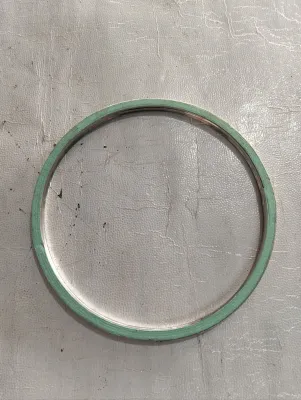
If you decide to loosen the exhaust flange or remove the header pipe for a closer look, you can physically inspect the gasket’s condition. Exhaust gaskets are typically made of soft copper, multi-layer steel, or a fiber-composite material designed to crush and conform to the mating surfaces when torqued down. A blown gasket will often show obvious signs of physical degradation, such as being completely flattened, cracked, charred, or missing chunks of material.
In severe cases of long-term neglect, the escaping high-velocity, superheated gases can begin to erode the metal surfaces of the cylinder head’s exhaust port or the header pipe flange itself. This erosion, known as “gas cutting,” leaves deep pits, grooves, or scoring on the mating surfaces. If this occurs, simply installing a new gasket may not resolve the leak, as the metal surfaces will no longer be flat enough to form a tight seal without professional machining or resurfacing.
How to Inspect Your Exhaust Gasket Safely
Diagnosing a suspected exhaust leak is a straightforward process that you can perform at home. However, because exhaust components operate at extremely high temperatures, safety must be your top priority. Follow this step-by-step routine to safely confirm whether your exhaust gasket needs to be replaced.
- Step 1: Wait for a Complete Cool Down. Never inspect the exhaust system immediately after riding. Exhaust pipes reach temperatures exceeding 300°C and retain heat long after shutdown. Let the motorcycle sit for at least two hours until it is completely cold to the touch.
- Step 2: Conduct a Visual Inspection. Use a bright flashlight to examine the joint where the header pipe meets the cylinder head. Look for loose or missing flange nuts and inspect the area for black soot trails or carbon buildup.
- Step 3: Perform an Auditory Check. Start the engine from a cold state. To isolate the sound safely, hold one end of a clean rubber hose (such as a vacuum line) to your ear and sweep the other end around the exhaust flange. The hose acts as a stethoscope, amplifying any ticking or puffing sounds. Keep your hands, hair, and clothing away from moving parts.
- Step 4: Conduct a Tactile Air-Pulse Test. While the engine is cold and idling, carefully pass your hand near—but not touching—the joint. Feel for rhythmic puffs of air matching the engine's combustion cycles. Perform this quickly before the metal becomes too hot.
Risks of Riding with a Blown Exhaust Gasket
It can be tempting to ignore a minor exhaust leak, especially if the motorcycle still runs and the noise seems manageable. However, continuing to ride with a blown exhaust gasket introduces several serious mechanical, safety, and legal risks that can turn a cheap repair into an expensive disaster.
First, a leaking gasket poses a severe threat to your engine’s internal components. The escaping high-temperature exhaust gas acts like a concentrated blowtorch right at the exhaust port. This extreme, localized heat can warp the cylinder head’s mating surface or burn the exhaust valves. A burnt valve will fail to seal properly, leading to a loss of compression, severe engine misfires, and an eventual need for a costly top-end engine rebuild.
Second, there is the risk of toxic gas exposure. In dense urban traffic, idling with an exhaust leak allows carbon monoxide and other harmful emissions to accumulate directly around the rider. This can cause sudden fatigue or dizziness, which is highly dangerous when navigating busy roads.
Finally, you must consider local regulations. In the Philippines, the Land Transportation Office (LTO) and local government units strictly enforce noise limits under Republic Act No. 4136 and various municipal anti-muffler ordinances. A blown exhaust gasket makes your motorcycle significantly louder, which can easily be mistaken for an illegal modified open-pipe exhaust. This can lead to being pulled over, facing heavy fines, or having your motorcycle impounded.
Replacement vs. Repair: What You Need to Know
When it comes to fixing a leaking exhaust joint, there are no shortcuts. High-temperature liquid gaskets, silicone sealants, or exhaust repair pastes cannot withstand the extreme heat and pressure directly at the cylinder head exhaust port. These temporary fixes will quickly burn, crack, and blow out, leaving you with the same leak within a few kilometers.
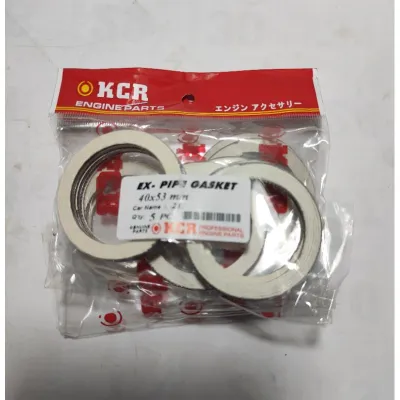
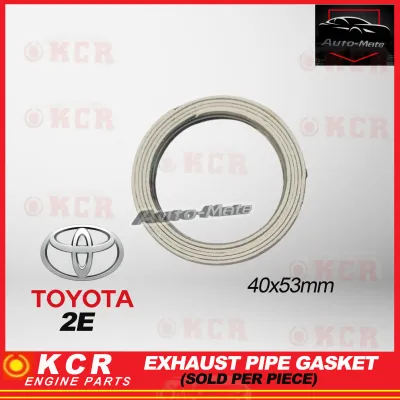
The only correct and permanent solution is to replace the failed seal with a new, high-quality gasket. Whether you are performing routine maintenance or installing an aftermarket pipe, choosing a high-quality seal like a 2e exhaust gasket or an OEM-specified crush washer is critical. You must verify your vehicle’s model, year, exhaust flange dimensions, and mounting position against the manufacturer’s documentation before purchase to ensure a perfect, leak-free fit.
Before starting the replacement, always consult your motorcycle’s original manual for the correct torque specifications for the exhaust flange nuts. Over-tightening these nuts can easily strip the soft aluminum threads in the cylinder head or snap the exhaust studs.
If you encounter seized flange nuts, broken exhaust studs, or stripped cylinder head threads during disassembly, do not attempt to force the installation. Stop immediately and seek a qualified professional mechanic. Extracting broken studs and repairing damaged threads requires specialized tools and expertise; attempting a DIY fix on damaged threads without the proper equipment can result in permanent damage to your cylinder head.
Frequently Asked Questions (FAQ)
Can I reuse a copper exhaust gasket?
No, copper exhaust gaskets are designed as crush gaskets that deform to seal microscopic imperfections when torqued. Once compressed, they lose their elasticity and cannot seal effectively a second time. While solid copper gaskets can theoretically be annealed (heated and cooled) to restore softness, standard motorcycle crush gaskets are highly affordable. Installing a new one is the only way to ensure a reliable, leak-free seal.
Will an exhaust leak trigger a check engine light?
Yes, on modern fuel-injected motorcycles with closed-loop systems, an exhaust leak upstream of the oxygen (O2) sensor allows ambient air to enter the exhaust stream. The sensor detects this extra oxygen and signals a false lean condition to the ECU, triggering a check engine light. However, many smaller underbone motorcycles and scooters common in the Philippines use carburetors or simple fuel-injection systems without closed-loop O2 sensors, meaning a leak will not trigger any dashboard warning and must be diagnosed physically.
How much does it cost to replace a motorcycle exhaust gasket?
A replacement gasket typically costs between ₱50 and ₱300 in the Philippines, depending on your motorcycle’s model. Professional labor rates to replace the gasket generally range from ₱150 to ₱500, assuming the joint is easily accessible and the mounting hardware is in good condition. However, if a mechanic must extract seized studs or repair stripped cylinder head threads, labor costs will increase significantly due to the extra time and specialized tools required.
Community discussion
Share your experience or ask a question. Comments are reviewed before publication.