
If your Yamaha Mio i 125 is blowing blue smoke, struggling to climb steep inclines, or constantly running low on engine oil, these are clear indicators that your cylinder block may be worn, scored, or damaged. The cylinder block serves as the chamber where combustion occurs, and any loss of physical integrity directly compromises your scooter’s compression and overall performance. Diagnosing these issues early prevents a minor top-end problem from turning into a complete engine seizure on busy roads.
Understanding how to identify these warning signs and perform basic diagnostic checks can save you from expensive repairs. Whether you are dealing with normal wear and tear from daily commuting or sudden damage from oil starvation, knowing when to inspect, repair, or replace your cylinder block is essential for keeping your scooter running smoothly.
Common Symptoms of a Worn or Scored Cylinder Block
One of the most visible signs of a damaged cylinder block is excessive white or blue smoke exiting the exhaust pipe. This smoke typically occurs when engine oil slips past worn piston rings or scored cylinder walls and enters the combustion chamber, where it burns along with the fuel-air mixture. You may notice this smoke more prominently during hard acceleration, deceleration, or when idling at traffic lights.
Products mentioned in this guide
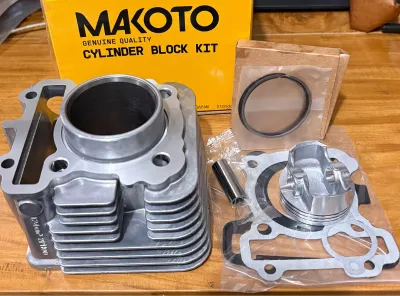
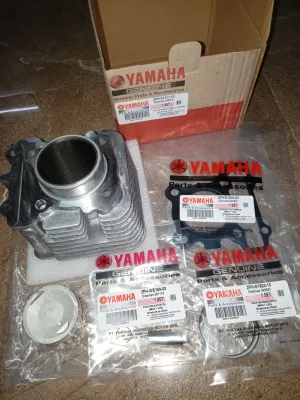
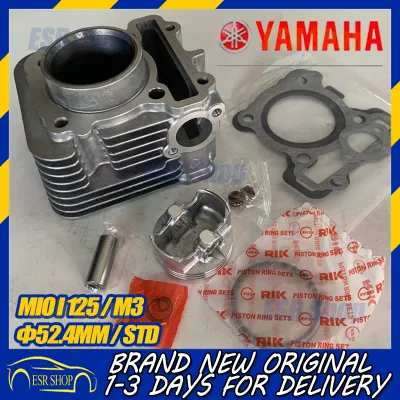
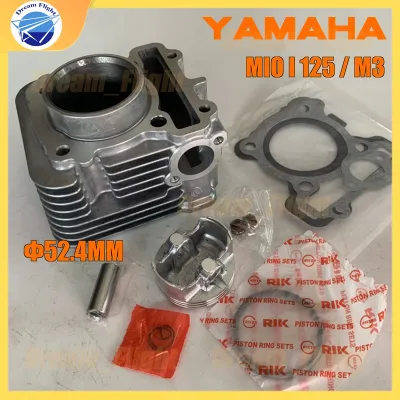
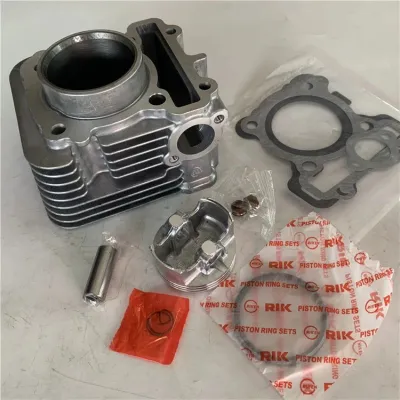
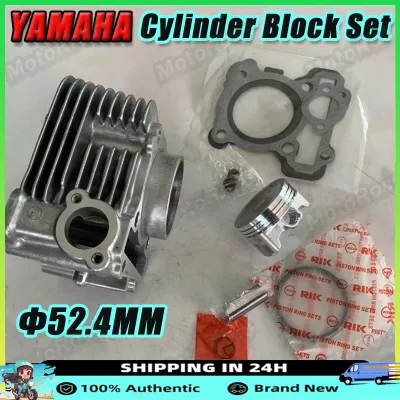
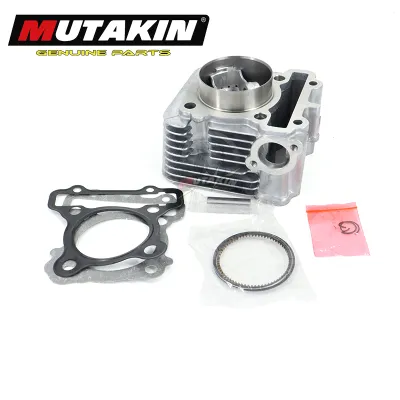
Prices are valid at publication and may change. Please refer to the product page for the latest price.
Another common symptom is a noticeable loss of engine power and sluggish throttle response. Because a worn cylinder wall cannot maintain a tight seal with the piston rings, combustion pressure escapes into the crankcase instead of pushing the piston down. This loss of compression makes climbing steep roads or carrying a pillion passenger feel incredibly sluggish, as the engine struggles to generate its usual torque.
Increased oil consumption is a direct consequence of this internal wear. If you find yourself topping up your engine oil frequently between scheduled maintenance intervals, the oil is likely bypassing the piston rings and burning off. Operating your scooter with low oil levels accelerates wear on all internal components, creating a dangerous cycle of rapid engine deterioration.
Finally, keep an ear out for unusual knocking, tapping, or rattling noises coming from the engine casing. When the clearance between the piston and the cylinder wall becomes too wide due to wear, the piston can rock slightly inside the bore. This physical contact, often referred to as piston slap, produces a distinct metallic tapping sound that becomes louder as the engine warms up or operates under load.
Step-by-Step Diagnosis: Is It the Cylinder Block?
Before committing to a complete engine teardown, you can perform several logical diagnostic checks to isolate the issue. Start by removing and inspecting the spark plug. A healthy spark plug should have a dry, light-brown or grayish electrode. If the plug is wet, covered in wet black oil, or coated with heavy carbon deposits, it confirms that oil is actively entering the combustion chamber.

Next, check the crankcase breather hose for excessive blow-by gases. Locate the breather tube, which typically routes from the engine crankcase to the airbox. With the engine running, check if a significant amount of smoky gas or high-pressure air is pulsing out of the hose; excessive blow-by indicates that combustion pressure is escaping past the piston rings due to worn cylinder walls.
To confirm your suspicions, perform a dry and wet compression test using a dedicated compression gauge. Thread the gauge into the spark plug hole, hold the throttle wide open, and crank the engine to record the dry reading. Next, add a teaspoon of clean engine oil directly into the spark plug hole and repeat the test. If the compression reading rises significantly during the wet test, the oil has temporarily sealed the gap between the rings and the worn cylinder wall, confirming cylinder or ring wear. Consult the official Yamaha service manual for the exact compression specifications and safety procedures.
It is also important to differentiate cylinder wall wear from other common top-end issues. For instance, worn valve stem seals typically cause a brief puff of blue smoke only during a cold start, whereas a damaged cylinder block causes continuous smoking throughout operation. A blown head gasket can also cause compression loss, but it is usually accompanied by external oil leaks around the cylinder joint rather than piston slap noises.
When to Repair, Re-bore, or Replace the Block
If your diagnostic checks point to cylinder wear, you must decide whether to repair, re-bore, or replace the component. Re-boring involves machining the cylinder wall to a slightly larger diameter and installing a matching oversized piston and ring kit. This is a viable, safe, and cost-effective option if the cylinder wall has only minor wear, shallow scratches, or light glazing, and has not yet reached its maximum allowable bore limit.
However, certain conditions mandate a complete replacement of the mio i 125 block. If you observe deep vertical scoring that you can easily catch with a fingernail, hairline cracks in the metal, or if the cylinder has already been re-bored to its maximum limit, machining is no longer safe. In these cases, installing a brand-new cylinder block is the only reliable way to restore engine compression and structural integrity.
When purchasing a replacement, prioritize genuine parts or certified high-quality aftermarket cylinder kits. In tropical climates with high ambient temperatures and heavy traffic, the cylinder block must dissipate heat efficiently. Substandard materials or incorrect manufacturing tolerances can lead to rapid overheating, poor ring sealing, and premature component failure.
Because engine disassembly and cylinder installation require precise torque specifications, clean mating surfaces, and proper piston ring gap alignment, always have this work performed by a qualified mechanic. Professional installation ensures that all clearances meet factory specifications, preserves your scooter’s reliability, and prevents catastrophic engine failure shortly after assembly.
Preventing Premature Cylinder Wear
Extending the lifespan of your new or repaired cylinder block relies heavily on consistent maintenance habits. Always use the exact engine oil viscosity and grade recommended in your owner’s manual. Regularly changing your oil prevents the accumulation of abrasive contaminants that can scratch the cylinder walls and degrade the piston rings over time.
Maintaining your air filter is equally critical for protecting the engine’s top end. A dirty, torn, or improperly seated air filter allows fine road dust and silica particles to enter the combustion chamber. These particles act like an abrasive polishing compound, rapidly wearing down the cylinder cross-hatch pattern and causing premature compression loss.
Finally, practice proper engine break-in procedures if you have recently replaced or re-bored your cylinder block. Avoid prolonged high-RPM riding, sudden full-throttle acceleration, or carrying heavy loads during the first few hundred kilometers. Allowing the engine to warm up before riding and varying your speeds gently helps the new piston rings seat perfectly against the cylinder wall for a long-lasting seal.
Frequently Asked Questions (FAQ)
How much does it typically cost to replace a cylinder block in the Philippines?
The total cost to replace a cylinder block depends on several factors, including whether you choose a genuine Yamaha replacement kit or an aftermarket alternative. A standard replacement kit generally includes the cylinder block, piston, piston rings, wrist pin, circlips, and a top-end gasket set. Beyond the parts, you must budget for professional labor, fresh engine oil, and potential machining fees if any head resurfacing is required. To ensure transparency and avoid unexpected expenses, request an itemized quote from a reputable local motorcycle repair shop that outlines both parts and labor costs before authorizing the work.
Can I ride my scooter if it is burning a small amount of oil?
While your scooter may still run while burning a small amount of oil, continuing to ride with compromised cylinder compression carries significant risks. Low oil levels can quickly lead to severe engine overheating, accelerated wear on the camshaft and rocker arms, and eventual engine seizure. Additionally, burning oil can rapidly foul your spark plug, which can cause the engine to stall unexpectedly in heavy traffic, presenting a serious safety hazard. It is best to limit your travel to essential trips, monitor your oil level before every ride, and seek a professional inspection as soon as possible to prevent more extensive and costly engine damage.
Community discussion
Share your experience or ask a question. Comments are reviewed before publication.