
When navigating intense downpours in the Philippines, clear visibility is critical for safe driving. Choosing between silicone and rubber windshield wiper blades often comes down to understanding how each material interacts with heavy water volume, tropical heat, and your specific driving habits. Rather than declaring a single universal winner, this guide breaks down the observable characteristics, maintenance needs, and condition-based trade-offs of both materials so you can select the right wiper blade for your vehicle and budget.
During the monsoon season, sudden cloudbursts can reduce road visibility to near zero in a matter of seconds. Your choice of wiper blade material directly affects how quickly and cleanly water is cleared from your line of sight. While both materials serve the same primary purpose, they employ fundamentally different physical and chemical mechanisms to keep your windshield clear.
Understanding these differences allows you to make an informed decision that balances upfront costs against long-term performance. By evaluating how each material responds to the unique environmental challenges of high humidity, intense ultraviolet radiation, and torrential rain, you can ensure your vehicle remains prepared for any weather condition.
Products mentioned in this guide
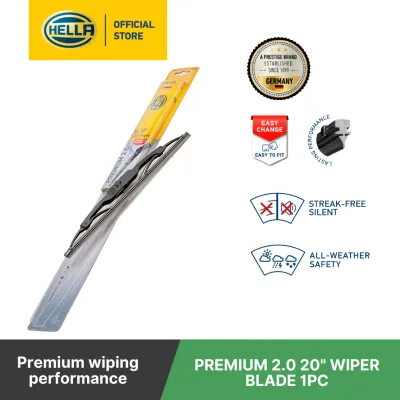
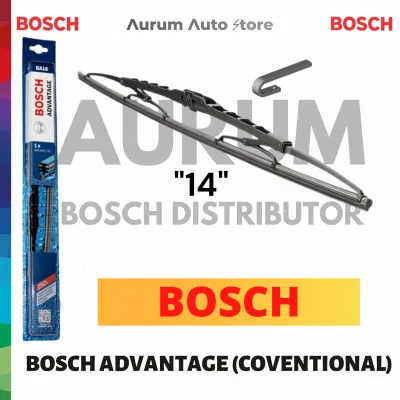
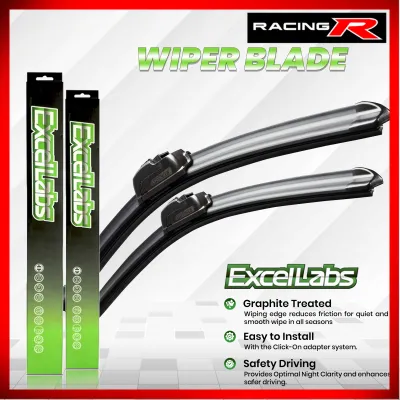
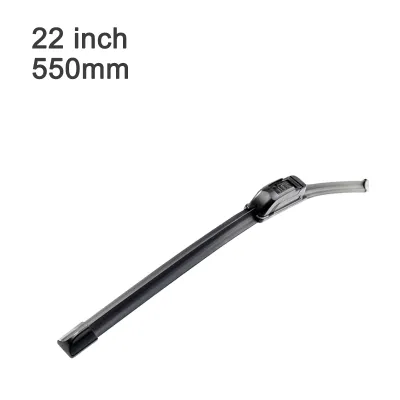
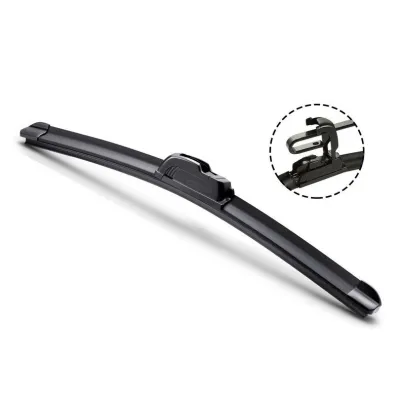
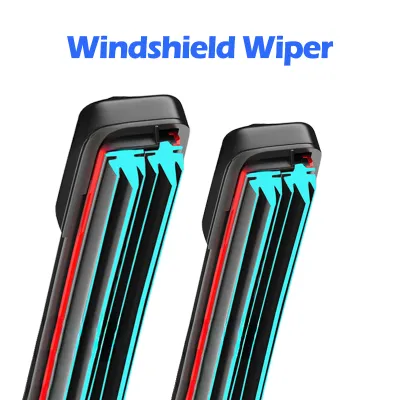
Prices are valid at publication and may change. Please refer to the product page for the latest price.
Material Basics: How Silicone and Rubber Wiper Blades Differ
To understand how these two options perform on the road, it is essential to look at their structural and chemical compositions. Natural rubber wiper blades have been the industry standard for decades. Natural rubber is highly flexible, allowing the blade to conform closely to the complex curvature of modern windshield glass. However, because it is an organic material, natural rubber is inherently vulnerable to environmental factors like ozone, heat, and ultraviolet light, which gradually break down its molecular bonds.
In contrast, silicone wiper blades are made from synthetic silicone polymers. Silicone is an inorganic compound characterized by a stable silicon-oxygen backbone. This chemical structure gives silicone exceptional thermal stability and resistance to environmental degradation. Unlike natural rubber, synthetic silicone does not easily dry out, harden, or lose its flexibility when exposed to extreme temperatures or prolonged sunlight.
The two materials also interact with your windshield glass in distinct ways. A rubber blade operates purely as a physical squeegee, scraping water off the glass surface through direct mechanical contact. A silicone blade, however, continuously deposits a microscopic, hydrophobic layer of silicone oil onto the glass as it sweeps. This layer alters the surface tension of the windshield, causing water to bead up and roll away more easily.
When shopping for new blades, it is important to verify the actual material and construction by carefully reading manufacturer labels and packaging. Look for clear designations such as “100% Silicone” or “Natural Rubber.” Some budget-friendly options may use a hybrid construction, featuring a rubber core with a thin synthetic coating. Always check the product’s technical specifications to confirm whether you are purchasing a fully synthetic silicone blade or a coated rubber alternative.
Wiping Performance in Heavy Rain and Wet Conditions
During heavy tropical downpours, the volume of water hitting your windshield can quickly overwhelm standard wiping systems. Evaluating how each material behaves under these intense wet conditions is key to maintaining a safe field of view. The primary performance difference lies in how each material manages water flow across the glass surface.

Silicone blades rely heavily on their hydrophobic water-beading effect. As the silicone polymer sweeps across the glass, it transfers a water-resistant barrier that forces rain to form tight, spherical droplets. At moderate to high driving speeds, the force of the oncoming wind is often enough to push these beaded droplets off the windshield, reducing the need for constant high-speed wiping. This hydrophobic action can significantly improve visibility during sudden cloudbursts when the volume of water is exceptionally high.
Rubber blades, on the other hand, rely entirely on a clean, mechanical sweep to clear water. Because they do not deposit a hydrophobic layer, they leave a completely clean, wet glass surface behind each pass. While this traditional wiping action is highly effective at clearing light to moderate rain, it requires the blades to operate continuously at high speeds during torrential downpours to keep the glass clear.
Both materials carry specific observable risks of streaking, smearing, or chattering under heavy water volume. If a silicone blade is not properly “bedded in” during installation—a process that typically involves running the dry wipers on a clean windshield for several minutes to deposit the initial silicone layer—it may cause uneven wiping or a light, temporary haze. Rubber blades are highly sensitive to surface contamination; if the glass has accumulated road grime, oil, or tree sap, a rubber blade can easily chatter, skip, or leave wide streaks of water that obscure your vision.
To assess the quality of your wipers during active rain, perform a visual inspection from the driver’s seat. Look for immediate clarity directly behind the path of the sweep. If you observe thin lines of water that do not clear instantly, a cloudy film that takes several seconds to evaporate, or a noisy, jumping motion across the glass, the blade is failing to maintain uniform contact and needs attention.
Durability and Longevity Under Tropical Sun and Heat
The tropical climate of the Philippines presents a harsh environment for automotive consumables. High ambient temperatures, intense humidity, and a high ultraviolet (UV) index can rapidly degrade wiper materials, even when the vehicle is parked. Understanding how each material holds up under these conditions is crucial for evaluating long-term value.
Natural rubber is highly susceptible to thermal and UV degradation. When exposed to direct sunlight for extended periods, the plasticizers within the rubber evaporate, causing the material to lose its elasticity. This leads to observable physical signs of degradation, such as dry rotting, visible cracking along the flexible hinge, hardening of the wiping edge, and eventual tearing or splitting. Once the rubber edge splits, the blade can no longer clear water effectively and may even scratch the windshield glass.
Silicone is exceptionally resilient against UV radiation and extreme heat. Because of its inorganic chemical structure, silicone does not dry out or crack when subjected to the intense tropical sun. It retains its flexibility and structural integrity over a much wider temperature range than natural rubber. This thermal resistance allows silicone blades to maintain a smooth, pliable wiping edge even after months of exposure to direct sunlight in outdoor parking areas.
However, you should always evaluate silicone’s durability based on specific product labels and manufacturer claims rather than relying solely on generalized material assumptions. While silicone is highly resistant to environmental degradation, it is still subject to mechanical wear from road debris, dust, and volcanic ash. Check the manufacturer’s stated warranty periods and lifespan guidelines to understand the expected service life of the specific product you are considering.
Price, Value, and Maintenance Requirements
When choosing between silicone and rubber wiper blades, it is important to weigh the upfront purchase price against the ongoing maintenance required to maximize their functional lifespan. Both options offer distinct value propositions depending on your budget and maintenance habits.
Standard natural rubber wiper blades generally carry a lower upfront cost, typically ranging from ₱200 to ₱500 per pair. This makes them an attractive option for drivers who prefer a low initial investment and do not mind replacing their blades more frequently. Premium silicone wiper blades represent a more significant upfront cost, often ranging from ₱1,000 to ₱2,500 or more per pair, depending on the brand and the specific mounting system required for your vehicle.
To protect your investment and ensure optimal performance, regular maintenance is essential for both materials. Dust, road film, and organic debris can accumulate on the wiping edge, compromising the quality of the sweep. Periodically clean the wiping edge using a soft, lint-free microfiber cloth dampened with clean water or a mild, manufacturer-approved glass cleaner. Gently wipe along the length of the blade to remove accumulated grime. Avoid using harsh chemical solvents, abrasive pads, or alcohol-based cleaners unless explicitly authorized by the manufacturer, as these can strip away protective graphite coatings on rubber blades or disrupt the silicone transfer process.
Rather than relying on a rigid calendar schedule to dictate replacement, determine when to install new blades based on physical wear and wiping performance. Inspect your blades weekly for signs of physical damage or degraded wiping quality. If the blades fail to clear water cleanly after a thorough cleaning, or if you observe visible tears in the material, they have reached the end of their functional life and should be replaced immediately to ensure safe driving conditions.
Decision Framework: Which Wiper Blade Should You Choose?
To finalize your purchase decision, evaluate your driving habits, parking conditions, and budget against the specific characteristics of each material. This condition-based framework can help you select the most suitable option for your vehicle.
Choose silicone wiper blades if you frequently park your vehicle outdoors under direct sunlight, want a highly durable blade that minimizes the frequency of replacements, appreciate the self-applying water-beading effect during heavy downpours, and are comfortable with a higher upfront purchase price. If you select silicone, be sure to check for extended manufacturer warranties to help justify the initial investment.
Choose rubber wiper blades if you prefer a lower initial investment, park your vehicle mostly in shaded or covered garages where UV exposure is limited, are diligent about performing regular vehicle inspections, and are comfortable replacing your blades once or twice a year to maintain optimal wiping performance.
Before making any purchase, always verify your vehicle’s specific requirements. Consult your vehicle’s owner’s manual to confirm the correct blade lengths for both the driver and passenger sides, as well as the specific mounting arm adapter required for installation. Additionally, check if your windshield has an aftermarket hydrophobic glass treatment, as some pre-existing coatings can interact negatively with the silicone layer deposited by silicone blades. If you are unsure about the installation process, adapter compatibility, or road safety impact of your new blades, seek assistance from a qualified automotive technician.
Frequently Asked Questions (FAQ)
Can I use silicone wiper blades on a windshield with an existing rain-repellent coating?
Silicone wiper blades continuously deposit a thin, hydrophobic layer of silicone onto the glass surface during operation. If your windshield already has an aftermarket rain-repellent coating, these two chemical treatments can sometimes interact negatively. This interaction can lead to uneven wiping, persistent chattering, or a hazy residue that takes several seconds to clear. To avoid these issues, carefully check the instructions of both the wiper blade manufacturer and the glass coating provider. Some manufacturers recommend thoroughly stripping any existing glass treatments before installing silicone blades to ensure a uniform, trouble-free application.
How do I know when it is time to replace my current wiper blades?
You can determine when to replace your wiper blades by looking for clear physical and performance indicators. Physical signs include visible cracking, split or torn rubber edges, a warped frame, or corrosion on the metal structure. Performance indicators include persistent streaking across your line of sight, skipping or chattering noises during operation, and leaving large, unwiped patches of water on the glass. If any of these signs persist after you have thoroughly cleaned both the wiper blades and the windshield, the blades have reached the end of their functional life and must be replaced to ensure safe driving visibility.
Community discussion
Share your experience or ask a question. Comments are reviewed before publication.