
Securing your vehicle requires reliable, real-time monitoring that fits your specific driving habits and mechanical setup. If you are looking to safeguard your car, motorcycle, or commercial fleet against theft, choosing a sinotrack gps tracker is a practical and cost-effective step. These devices offer a range of tracking capabilities, but finding the right model requires matching their power delivery, installation complexity, and network requirements to your vehicle’s specific layout.
To make an informed purchase, you must evaluate whether your primary goal is seamless plug-and-play convenience, permanent hidden security, or long-term asset tracking without an active vehicle power source. Understanding these core differences ensures you select a hardware setup that integrates smoothly with your vehicle’s electrical system without causing unexpected battery drain or safety hazards.
Quick Answer: Choosing the Right Sinotrack GPS Tracker
When deciding on a sinotrack gps tracker, your choice should be guided by how the device is powered and how permanently you want it installed. A structured decision framework helps narrow down the ideal category for your vehicle:
Products mentioned in this guide
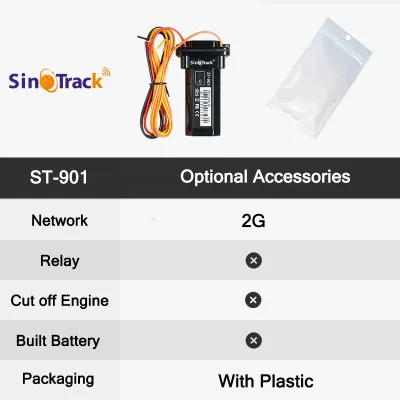
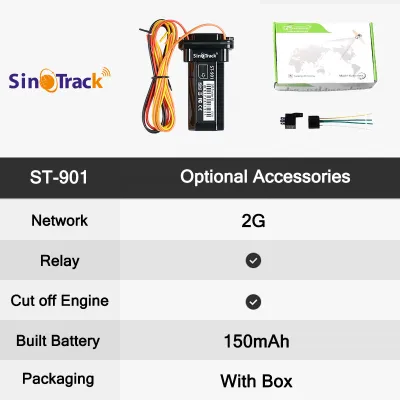
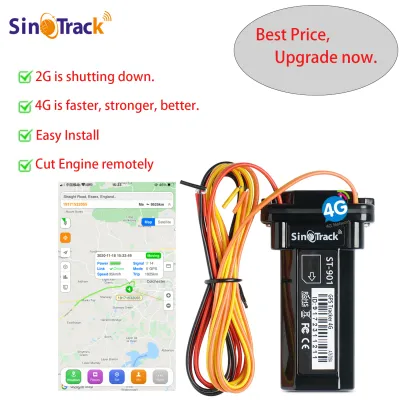
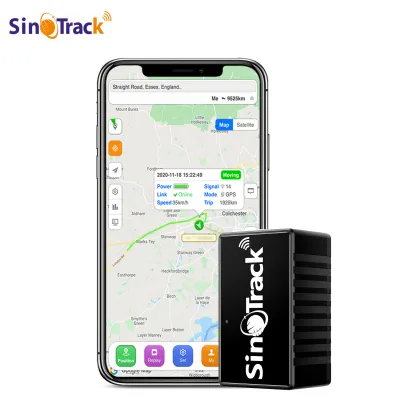
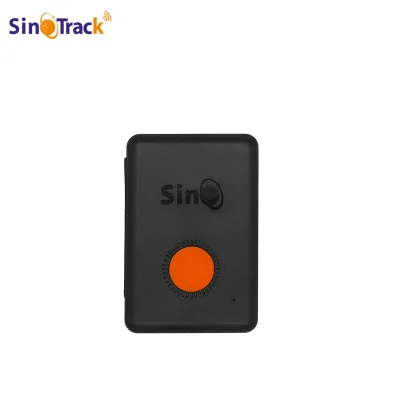
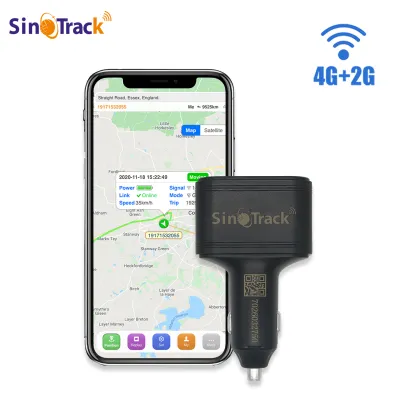
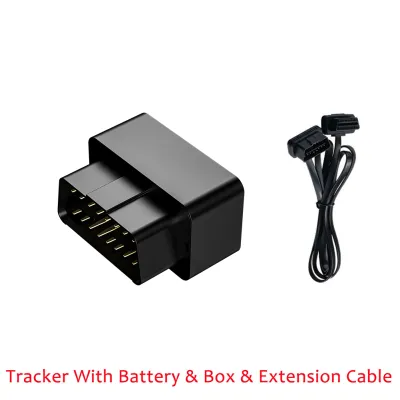
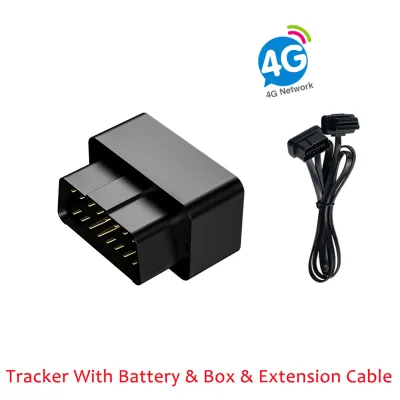
Prices are valid at publication and may change. Please refer to the product page for the latest price.
- Choose a Hardwired Tracker if you want a permanent, highly concealed anti-theft solution with continuous power. These models connect directly to your vehicle's wiring harness, making them ideal for standard passenger cars, delivery vans, and motorcycles where constant monitoring and advanced features like remote engine cut-off are required.
- Choose an OBD-II Tracker if you prioritize plug-and-play convenience and want a device that can be installed in seconds without modifying any electrical wires. This is the best option for leased vehicles, family cars, or fleet managers who need to swap tracking hardware between different cars quickly.
- Choose a Magnetic or Battery-Powered Tracker if you need to monitor assets that lack a continuous power source, such as shipping containers, trailers, heavy construction equipment, or classic cars kept in long-term storage. These rely entirely on high-capacity rechargeable internal batteries.
Before making a final purchase, always verify the exact model numbers, regional network compatibility, and specific feature sets on the manufacturer’s official website or through authorized local distributors. This ensures the hardware you select matches the cellular infrastructure and vehicle standards of your area.
Sinotrack GPS Tracker Categories: Hardwired, OBD, and Magnetic
To select the correct tracking hardware, you must understand the mechanical and electrical characteristics of the three primary Sinotrack design categories. Each category serves a distinct operational purpose and carries specific installation requirements.

Hardwired Trackers Hardwired models are designed to be spliced or tapped directly into your vehicle’s electrical wiring. They draw power continuously from the main vehicle battery, allowing for uninterrupted real-time tracking, ignition status monitoring, and immediate alerts if the vehicle is moved without authorization. Most hardwired units also feature a small internal backup battery. This backup battery ensures the device remains online and continues transmitting its location for several hours even if a thief disconnects the vehicle’s primary battery. Because they are wired directly into the vehicle’s electrical system, these devices can be hidden deep behind the dashboard, making them exceptionally difficult for unauthorized individuals to locate and disable.
OBD-II Trackers On-Board Diagnostics (OBD-II) trackers represent the ultimate in user-friendly installation. They plug directly into the standardized OBD-II diagnostic port found in almost all passenger vehicles manufactured after 1996. These trackers draw power directly from the port, eliminating the need for complex wiring, soldering, or professional installation. While highly convenient, their prominent mounting location under the steering column or dashboard makes them easier for thieves to spot and unplug. They are highly suited for mileage tracking, driver behavior monitoring, and basic location tracking where high-security concealment is not the primary objective.
Magnetic and Wire-Free Trackers Magnetic trackers are completely self-contained units that rely entirely on large, internal rechargeable lithium-ion batteries. They feature heavy-duty, industrial-strength magnets built into their casings, allowing them to be securely attached to any flat metal surface on a vehicle, trailer, or container. Because they require no wiring or physical connection to the vehicle’s electrical system, they can be placed in highly creative, hard-to-reach locations. However, they require periodic manual removal to recharge the internal batteries, making them a maintenance-dependent option.
Regardless of the category you choose, you must check the specific product label and manual for exact voltage compatibility. Many hardwired and OBD-II trackers support a wide input voltage range (typically 9V to 90V DC), making them compatible with both 12V passenger cars and 24V commercial trucks. Verifying these specifications prior to installation is critical to prevent permanent damage to both the tracker and your vehicle’s sensitive electronic control units.
Key Comparison Dimensions for Vehicle Tracking
Evaluating a tracking device goes beyond choosing its physical shape. You must compare how different models handle power management, security alerts, and cellular communication to ensure the tracker performs reliably when you need it most.
Installation and Power Management
The primary trade-off in GPS tracking lies between continuous real-time reporting and power consumption. Hardwired and OBD-II trackers provide the peace of mind of continuous power, but they place a constant, albeit small, parasitic draw on your vehicle’s main battery. If a vehicle is left parked for weeks without being started, this continuous draw can eventually deplete a weak battery.
To mitigate this, high-quality tracking units feature intelligent power-saving modes. These include deep sleep modes and motion-activated tracking, which use internal G-sensors to put the GPS and cellular modems to sleep when the vehicle is stationary. For wire-free, magnetic models, these power-saving features are essential for preserving battery life. A magnetic tracker set to report its position every 10 seconds might deplete its battery in a few days, whereas the same tracker configured to report only when motion is detected, or once a day on a fixed schedule, can operate for several months on a single charge. When installing a hardwired unit, you must ensure wires are routed cleanly and connected to the correct power terminals according to the vehicle manufacturer’s guidelines to prevent electrical shorts or excessive battery drain.
Tracking Features and Security Alerts
A robust tracking system should act as an active security guard for your vehicle. Key features to look for include:
- Geofencing: Allows you to draw virtual geographic boundaries on a map. If the vehicle enters or exits these predefined zones, the system sends an immediate push notification or SMS alert.
- Overspeed Alerts: Notify you if the vehicle exceeds a pre-set speed limit, which is highly useful for monitoring teenage drivers or fleet employees.
- ACC (Ignition) Detection: Detects when the vehicle's engine is turned on or off, providing accurate trip logs and instant alerts of unauthorized engine starts.
- Power-Cut Alarms: Trigger an immediate alert using the tracker's internal backup battery if the main power wires are cut or disconnected by a thief.
Some advanced hardwired models also support remote engine cut-off capabilities. This feature uses an external electrical relay to interrupt the vehicle’s fuel pump or ignition circuit when a command is sent via the tracking app. Because interrupting a vehicle’s engine while in motion carries severe safety risks, any installation involving critical engine, fuel, or safety systems must be performed by certified, qualified automotive professionals. This ensures the system is wired safely, complies with local transportation regulations, and does not pose a hazard to the driver or other road users.
Connectivity and Network Requirements
GPS trackers do not work in isolation; they must transmit their coordinates to a server or your smartphone. This communication requires a compatible SIM card and an active cellular data plan. When choosing a tracker, you must carefully evaluate its network band compatibility.
Many entry-level trackers rely on legacy 2G GSM networks. While 2G hardware is affordable, 2G networks are rapidly being phased out, decommissioned, or suffer from severely degraded coverage in many regions worldwide. In the Philippines, major telecommunications providers like Globe, Smart, and DITO are actively prioritizing 4G LTE and 5G infrastructures. Purchasing a legacy 2G tracker can result in frequent signal drops, delayed tracking updates, or complete loss of service, especially when traveling through provincial areas or mountainous terrain. Selecting a 4G LTE-compatible tracker ensures long-term reliability and broader coverage across the country.
Additionally, the usability of the tracking companion app or web platform is just as important as the physical hardware. Before purchasing, verify whether the manufacturer provides a stable, user-friendly mobile application with real-time map rendering, historical route playback, and reliable push notifications.
Matching the Right Tracker to Your Vehicle Type
Different vehicles present unique physical, electrical, and environmental challenges. Matching the correct tracker category to your specific vehicle type ensures optimal performance and longevity.
Daily Commuters and Family Cars
For standard passenger cars, SUVs, and family sedans used for daily commutes, both OBD-II and hardwired trackers are excellent choices, depending on your primary security objectives.
If you value simplicity, quick troubleshooting, and the ability to monitor basic vehicle diagnostics, an OBD-II tracker is highly recommended. It requires zero technical expertise to install, making it ideal for drivers who want to avoid any modifications to their car’s factory wiring. This is particularly beneficial if the vehicle is under a dealership warranty that restricts aftermarket electrical modifications.
However, if your primary goal is robust anti-theft protection, a hardwired tracker is the superior choice. Because it can be deeply concealed within the dashboard or behind interior panels, a thief cannot easily locate, unplug, or discard the device upon breaking into the vehicle. For these concealed setups, utilizing professional installation services is highly recommended to ensure clean wire routing and secure connections.
Motorcycles, Scooters, and ATVs
Motorcycles and scooters are highly vulnerable to theft, making reliable tracking essential. However, these vehicles present severe physical and electrical constraints that require specialized hardware considerations.
Unlike passenger cars, a motorcycle’s tracking device is often exposed to extreme vibrations, dust, road grime, and heavy rain, particularly during the intense wet season in the Philippines. You must verify the IP (Ingress Protection) rating directly on the product label before buying. Look for a minimum rating of IP65 (dust-tight and water-resistant) or preferably IP67 (fully dust-tight and capable of withstanding temporary immersion in water) to ensure the device can survive heavy downpours and flooded street splashes.
Furthermore, motorcycles utilize much smaller batteries (typically 4Ah to 9Ah) compared to passenger cars. A continuous, active GPS tracker can easily drain a small motorcycle battery in a matter of days if the bike is left parked. You must choose a compact, highly efficient hardwired model that features aggressive power-saving sleep modes. Additionally, check your motorcycle’s stator output and battery health to ensure the charging system can comfortably handle the tracker’s continuous standby draw without causing starting issues.
Trailers, Heavy Equipment, and Classic Cars
Assets that are frequently left unattended, stored for long periods, or lack an active onboard power source require a completely different tracking strategy.
For trailers, shipping containers, heavy construction equipment, and classic cars parked in remote garages, a magnetic, battery-powered tracker is the ideal solution. These devices can be mounted out of sight on the metal chassis of a trailer or inside the engine bay of a stored vehicle. Because these assets may sit idle for weeks or months, selecting a model with a massive battery capacity (such as 5,000mAh to 10,000mAh) is crucial.
When utilizing these wire-free devices, you must balance your tracking frequency with battery longevity. Configuring the device to transmit its location once or twice a day in a “low-power standby” mode allows the battery to last for several months. Conversely, setting it to continuous real-time tracking will require you to retrieve and recharge the device within a few days. Finally, always verify the manufacturer’s specifications regarding magnetic pull strength and weather resistance to ensure the tracker remains firmly attached and fully functional when exposed to harsh outdoor road environments, mud, and high-velocity wind.
Installation Safety and Setup Verification
Working on any vehicle’s electrical system carries inherent risks. Modifying or tapping into factory wiring incorrectly can damage sensitive electronic control units (ECUs), trigger diagnostic trouble codes, interfere with safety systems like airbags or anti-lock brakes, and potentially void your vehicle’s manufacturer warranty.
For hardwired installations, safety must be your absolute priority. Avoid routing any tracker wires near the steering column, moving pedals, airbag deployment zones, or high-temperature engine components where insulation could melt and cause a short circuit. If your installation requires splicing into the ignition wire or installing a fuel-cut relay, always consult a certified automotive electrician. They have the specialized diagnostic tools to safely identify correct wiring circuits without risking damage to the vehicle’s electrical architecture.
For OBD-II and magnetic trackers, while physical installation is straightforward, proper setup verification is crucial before finalizing the device’s hidden placement. Follow this step-by-step verification process to ensure reliable operation:
- SIM Card Preparation: Ensure your micro or nano SIM card is fully activated, has the PIN lock disabled, and is loaded with sufficient prepaid data or a postpaid active plan compatible with local network bands.
- Initial Power-On: Insert the SIM card into the tracker and turn on the internal battery backup switch (if equipped).
- Signal Acquisition: Place the tracker in an open outdoor area with a clear, unobstructed view of the sky. Do not attempt this inside a concrete garage or basement, as GPS signals cannot easily penetrate these structures.
- LED Indicator Check: Observe the physical LED lights on the tracker. Most models feature separate lights for GPS satellite lock (typically blue) and cellular network connection (typically orange or green). Wait until both lights transition from flashing to solid, or follow the specific blinking patterns detailed in your tracker's official manual to confirm successful connections.
- App Synchronization: Open the companion mobile application on your smartphone and verify that the tracker's live location matches your exact physical coordinates. Test the historical playback and trigger a test alert (such as unplugging the device to test the power-cut alarm) to confirm the software is communicating correctly with the hardware.
- Final Placement: Once all functions are verified, proceed to mount the tracker in its final, hidden location. Ensure the GPS antenna side of the device faces upward (towards the sky) and is not shielded by heavy metal panels, which can severely degrade satellite signal reception.
Always consult both your vehicle’s official owner’s manual and the tracker’s manufacturer documentation to resolve any conflicting instructions or technical discrepancies.
Frequently Asked Questions (FAQ)
Do Sinotrack GPS trackers require a monthly subscription fee?
While many Sinotrack hardware packages include free lifetime access to their official tracking platform and mobile application, using the tracker is not entirely free. Because the device must transmit location data over cellular networks, you are responsible for maintaining an active SIM card. This requires paying for a local prepaid or postpaid cellular data plan from a compatible telecom provider. Additionally, if you choose to integrate your tracker with a premium, third-party fleet management software platform instead of the manufacturer’s default app, those third-party services will typically charge their own monthly or annual subscription fees.
Can I use a Sinotrack tracker without a SIM card?
No, a cellular network connection is absolutely mandatory for real-time remote tracking, instant security alerts, and mobile app synchronization. Without an active SIM card, the tracker can still receive GPS satellite signals to determine its own coordinates, but it has no way of transmitting that data to your phone or the tracking server. While some models may have internal memory to log coordinates locally when cellular signal is temporarily lost, you would have to physically retrieve the device and download the data to view your travel history, which defeats the primary purpose of real-time vehicle recovery and active anti-theft monitoring.
Will installing a hardwired GPS tracker drain my car battery?
Modern GPS trackers are engineered with highly efficient internal components and intelligent power-saving sleep modes designed to minimize power draw when the vehicle is stationary. However, a tracker can still drain your car battery under specific circumstances. If the tracker is wired incorrectly to a constant power source that prevents it from entering sleep mode, or if the vehicle’s battery is already old and weak, a continuous parasitic draw can lead to a dead battery over several days of inactivity. To prevent this, ensure your vehicle’s battery is in healthy condition, and consider wiring the tracker’s ACC detection wire to a switched power source that accurately signals the device to enter sleep mode when the ignition is turned off.
Community discussion
Share your experience or ask a question. Comments are reviewed before publication.