
Quick Answer: Balancing Stopping Power and Durability
Choosing the best brake rotor disc for your Yamaha Sniper 155 depends on your daily riding conditions, budget, and performance expectations. For the vast majority of riders who use their motorcycle for daily commuting through city traffic, Genuine OEM Yamaha rotors offer the safest, most reliable baseline. They provide predictable stopping power, excellent durability, and perfect compatibility with stock brake pads without the risk of premature wear.
If you frequently navigate steep mountain passes, carry heavy pillion loads, or participate in weekend track days, established premium aftermarket brands like Brembo, EBC, or RCB (Racing Boy) are superior. These brands utilize advanced metallurgy and optimized venting designs to deliver stronger initial bite and exceptional heat dissipation, though they generally command a higher price and can accelerate brake pad wear.
Budget aftermarket options from online marketplaces offer an affordable quick-fix solution. However, they require rigorous physical inspection before installation, as lower-grade alloys can warp easily under intense heat or exhibit manufacturing defects that compromise your safety on the road.
Products mentioned in this guide
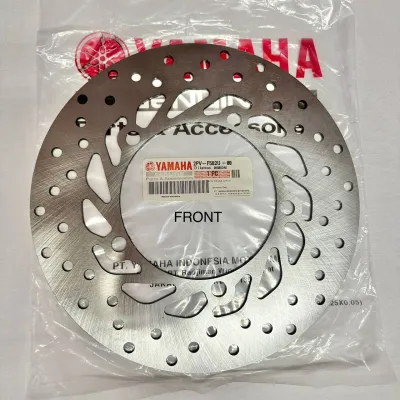
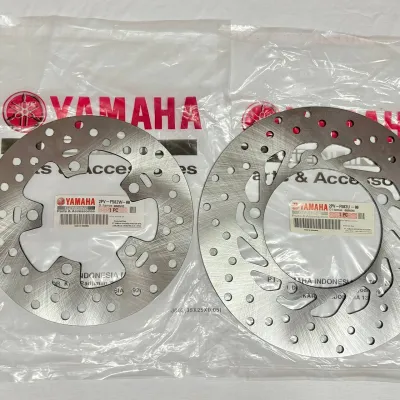
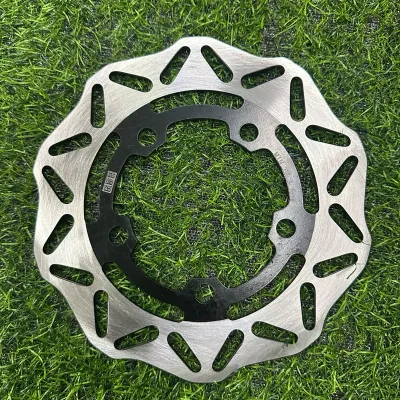
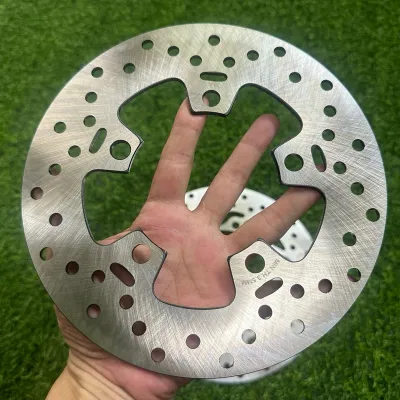
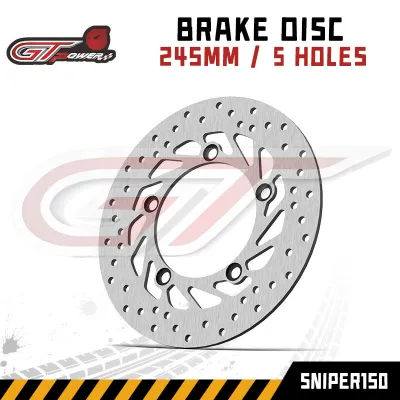
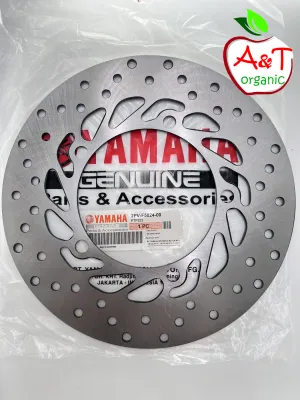
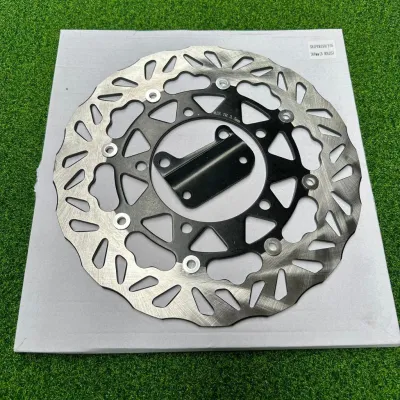
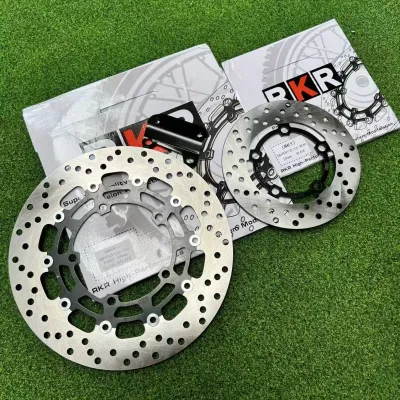
Prices are valid at publication and may change. Please refer to the product page for the latest price.
What Defines a Good Brake Rotor for the Sniper 155?
To understand how different rotor brands perform on the Yamaha Sniper 155, you must first understand the mechanical and material factors that dictate braking performance. A motorcycle brake rotor is not just a simple metal disc; it is a highly engineered heat sink designed to convert kinetic energy into thermal energy through friction.

Material Composition and Environmental Resilience
Most entry-level and OEM motorcycle brake rotors are manufactured from specific grades of martensitic stainless steel, such as SUS420. This material offers an excellent balance of tensile strength, hardness, and corrosion resistance. In the highly humid, tropical climate of the Philippines, where motorcycles are regularly exposed to heavy monsoon rains and coastal salt air, high-quality stainless steel is crucial to prevent surface rust from degrading the braking surface.
Premium aftermarket rotors often incorporate high-carbon steel alloys. High-carbon rotors provide a higher coefficient of friction, which translates directly to a stronger, more immediate bite when you squeeze the brake lever. The trade-off is that high-carbon steel is more susceptible to surface oxidation if left wet, and it requires specialized brake pad compounds to prevent rapid rotor wear. Under heavy thermal cycling, high-carbon alloys maintain their structural integrity far better than low-grade steel, resisting the permanent deformation known as warping.
Rotor Design: Solid, Drilled, and Slotted
The physical pattern on the rotor surface heavily influences how it handles heat, water, and debris. The Sniper 155 comes stock with a drilled rotor design, which is highly effective for daily road use.
- Drilled Rotors: The holes drilled through the disc serve multiple purposes. They reduce the overall rotating mass of the wheel, allow water to escape quickly during heavy downpours, and provide an exit path for the outgassing of brake pad resins under extreme heat. However, excessive or poorly chamfered drilling can create stress concentration points, potentially leading to microscopic cracks around the holes over thousands of kilometers of hard braking.
- Slotted Rotors: Slotted designs feature shallow channels carved across the braking surface. These slots act like windshield wipers, continuously scraping away glaze, dirt, and water from the brake pads to ensure consistent contact. While highly effective at maintaining a clean pad surface, slotted rotors can cause slightly more vibration and faster pad wear.
- Solid Rotors: Solid discs offer the maximum surface area for pad contact and the highest structural strength, making them highly resistant to cracking. However, they struggle to shed heat and water quickly, making them less suitable for the front wheel of a high-performance underbone motorcycle like the Sniper 155 in wet tropical conditions.
Dimensional Accuracy and Fitment
The Sniper 155 utilizes a specific mounting pattern, bolt circle diameter (BCD), and offset for its front and rear disc brakes. Even a fraction of a millimeter of deviation in the rotor’s thickness or mounting flange offset can cause serious issues.
Inaccurate dimensions can lead to caliper binding, where the brake pads continuously drag against the rotor, generating immense heat even when you are not pulling the lever. Furthermore, if you ride the ABS-equipped variant of the Sniper 155, the alignment of the speed sensor tone ring relative to the sensor itself is incredibly tight. An improperly machined aftermarket rotor can disrupt this spacing, triggering ABS warning lights or causing the system to malfunction during emergency stops.
Comparing Rotor Brand Categories for the Sniper 155
Navigating the motorcycle parts market in the Philippines reveals three distinct categories of brake rotors. Understanding the strengths and limitations of each category allows you to make an informed purchase that matches your riding style.
Genuine OEM Replacements
Genuine Yamaha replacement rotors are engineered specifically to match the exact metallurgical and dimensional tolerances of your Sniper 155. When you buy an OEM rotor, you are purchasing a component that has undergone rigorous factory testing to ensure compatibility with the stock Nissin calipers and original-equipment brake pad compounds.
- Advantages: Perfect out-of-the-box fitment, highly predictable and progressive braking feel, and excellent resistance to rust. OEM rotors are designed to wear slowly and evenly, often lasting tens of thousands of kilometers under normal commuting conditions. They also ensure that your motorcycle's warranty remains intact and do not require any modifications or special brackets.
- Disadvantages: OEM rotors are designed for safety and longevity rather than high-performance aggression. If you push your Sniper 155 hard on winding mountain roads like the Marilaque Highway, you may experience brake fade—a temporary loss of stopping power caused by extreme heat buildup—sooner than you would with a premium aftermarket setup.
- Price Band: Generally mid-range, typically costing between ₱1,500 and ₱2,500 depending on whether you are replacing the front or rear disc.
Established Premium Aftermarket Brands
For riders seeking a noticeable upgrade in stopping power and thermal management, premium aftermarket brands are the benchmark. Brands such as Brembo, EBC, and RCB (Racing Boy) are highly regarded in the local motorcycle community for their performance-oriented engineering.
- Advantages: These brands frequently utilize floating rotor designs for their premium lines. A floating rotor consists of a lightweight aluminum inner carrier connected to a stainless steel outer braking ring by stainless steel rivets or buttons. This configuration allows the outer ring to expand and contract independently as it heats up, virtually eliminating the risk of warping under extreme thermal stress. They also use superior steel alloys that provide a sharper initial bite and faster cooling.
- Disadvantages: Premium rotors are significantly more expensive. To get the full performance benefit, you must pair them with high-quality sintered or ceramic brake pads, which further increases the cost. Additionally, the aggressive friction characteristics of these rotors can lead to faster brake pad wear, requiring more frequent maintenance.
- Price Band: High-end, typically ranging from ₱3,000 to ₱6,000 or more, especially for oversized floating rotor kits that include caliper relocation brackets.
Budget and Regional Aftermarket Brands
The local market is flooded with low-cost aftermarket rotors, often imported from regional manufacturers and sold online or in small roadside shops. While these are highly appealing when you are on a tight budget, they require a cautious approach.
- Advantages: The primary benefit is affordability. If your stock rotor is severely damaged or warped and you cannot afford an OEM or premium replacement, these budget options can get your motorcycle back on the road quickly.
- Disadvantages: Quality control is highly variable. Many budget rotors are stamped from lower-grade steel that lacks proper heat treatment. This makes them highly susceptible to warping after just a few hard stops. You may also encounter minor manufacturing defects, such as surface runout (a slight wobble as the disc rotates) or misaligned bolt holes, which can cause persistent brake pulsation and uneven pad wear.
- Price Band: Budget-friendly, usually ranging from ₱500 to ₱1,200.
Decision Framework: Which Rotor Category Fits Your Riding Needs?
To determine the right brake rotor for your Sniper 155, evaluate your typical riding routes, load requirements, and existing brake modifications.
Choose Genuine OEM if:
- Your daily route consists of standard city commuting, highway cruising, or typical stop-and-go traffic in metropolitan areas.
- You prefer a low-maintenance, "fit-and-forget" solution that does not require changing your brake pad compound or monitoring rotor wear closely.
- You want to maintain the original, progressive lever feel designed by Yamaha, which helps prevent accidental front-wheel lockups on slippery, wet roads.
Choose Premium Aftermarket if:
- You frequently ride on steep, winding mountain roads where constant downhill braking places immense thermal stress on your braking system.
- You regularly carry heavy pillion passengers or delivery loads, which increases the total kinetic energy that your brakes must dissipate.
- You have already upgraded your front master cylinder or brake calipers and want a rotor that can handle the increased clamping force without flexing or warping.
Choose Budget Aftermarket if:
- You are facing an emergency repair situation and need to replace a damaged rotor immediately on a very limited budget.
- You are willing to perform thorough physical checks before and during installation to ensure the component is safe to use.
- You buy from a reputable local dealer who offers a clear exchange or return policy in case the rotor exhibits runout or alignment issues out of the box.
Critical Compatibility Verification
Before purchasing any aftermarket rotor, always verify the exact model year and sub-model of your Sniper 155. The standard version and the ABS version may have subtle differences in wheel hub design or sensor mounting positions.
Furthermore, remember that your brake rotor and brake pad compound must be compatible. If you install a premium high-carbon or floating rotor, pairing it with cheap, low-grade organic pads will result in poor stopping power and rapid pad disintegration. Conversely, running aggressive sintered metal pads on a budget, non-hardened steel rotor will quickly score and wear down the disc. Always consult the rotor manufacturer’s specifications to identify the recommended pad compound.
Installation, Bedding-In, and Safety Boundaries
Because your motorcycle’s front brake provides up to 70% of its total stopping power, any work performed on the braking system carries significant safety implications. Proper installation and post-installation care are non-negotiable.
Professional Installation and Torque Specs
It is highly recommended to have your new brake rotor installed by a qualified motorcycle mechanic. If you choose to install the rotor yourself, you must follow the original vehicle manufacturer’s service manual instructions precisely.
Always use a calibrated torque wrench to tighten the rotor mounting bolts to the factory-specified torque (typically around 20 to 23 Newton-meters for Yamaha underbones, but verify the exact spec for your model year). Never reuse old rotor bolts without applying a medium-strength thread-locking compound (such as Blue Loctite) to the threads. Unevenly torqued bolts or bolts that back out due to engine vibration can cause the rotor to wobble, warp, or detach entirely, leading to catastrophic brake failure.
The Bedding-In Process
Whenever you install a new brake rotor, you must also install a new set of brake pads. To achieve optimal stopping power and durability, these components must undergo a process called bedding-in (or burnishing). This process transfers a microscopic, even layer of friction material from the brake pads onto the raw steel surface of the new rotor.
To bed in your new brakes safely:
- Find a flat, quiet stretch of road free of heavy traffic.
- Accelerate your motorcycle to approximately 50 km/h.
- Apply the brakes with moderate, steady pressure to slow the bike down to about 10 km/h. Do not bring the motorcycle to a complete stop, as this can cause hot pad material to pool in one spot, creating an uneven deposit that leads to future brake pulsation.
- Release the brakes and ride for a minute to allow the components to cool down.
- Repeat this process 15 to 20 times. You will notice the braking feel become progressively firmer and more responsive as the pads and rotor mate together.
Safety Stop Conditions
After installing a new rotor, monitor your braking performance closely during the first few trips. Stop riding immediately and consult a qualified professional if you experience any of the following warning signs:
- Brake Pulsation: A distinct pulsing or juddering sensation in the brake lever when applying pressure, which indicates rotor runout or warping.
- Lever Sponginess: A soft, mushy feeling in the lever, suggesting that air has entered the hydraulic lines or that the caliper is misaligned.
- Unusual Dragging: The motorcycle feels sluggish, or you hear a constant metallic scraping sound from the wheel when coasting, indicating that the pads are not releasing properly.
- Rotor Bluing: The appearance of a dark blue or purple tint on the rotor's braking swept area, which is a clear sign of extreme overheating caused by dragging pads or severe binding.
Frequently Asked Questions (FAQ)
Can I use a larger brake rotor on my Sniper 155 for better stopping power?
Yes, installing an oversized front rotor (such as upgrading from the stock 245mm disc to a 260mm or 290mm disc) is a popular modification. However, this upgrade requires a matching caliper relocation bracket to push the stock caliper outward to clear the larger diameter.
While a larger rotor increases the leverage on the wheel and improves heat dissipation, it also increases the stress applied to your front telescopic forks and front wheel bearings under hard braking. Additionally, on ABS-equipped Sniper 155 models, you must ensure that the relocation bracket does not alter the distance between the ABS speed sensor and the tone ring, as even a minor misalignment can disable the ABS system.
How do I know when my Sniper 155 brake rotor needs replacing?
Do not rely solely on a visual inspection to determine if your rotor is worn out. While deep grooves, heavy scoring, or blue heat spots are clear indicators that the rotor has reached the end of its service life, the most critical measurement is thickness.
Every brake rotor has a minimum thickness limit stamped directly onto its center hub or outer edge (typically around 3.0mm or 3.5mm for underbone discs). You must use a vernier caliper or a micrometer to measure the thickness of the rotor at several points across the swept area. If the thickness at any point is at or below the stamped limit, the rotor’s structural integrity is compromised, and it must be replaced immediately to prevent cracking or catastrophic failure under emergency braking conditions.
Community discussion
Share your experience or ask a question. Comments are reviewed before publication.