
Riding a motorcycle in the Philippines offers unmatched agility through dense urban traffic and scenic provincial highways. However, modifying your motorcycle’s exhaust system is one of the quickest ways to attract the attention of law enforcement officers. If you are considering upgrading to a Sonix pipe, you must first understand how Philippine laws govern aftermarket exhausts. The short answer is that most aftermarket Sonix exhaust pipes do not automatically comply with the Land Transportation Office (LTO) regulations. While they are highly popular for their distinct sound and performance improvements, their legality on public roads depends entirely on their specific decibel output, the presence of physical silencers, and formal certification.
Before purchasing or installing any aftermarket exhaust, riders must navigate a complex landscape of national laws, local municipal ordinances, and strict vehicle inspection standards. Failing to do so can result in hefty fines, roadside confiscation of your expensive custom parts, or even the impounding of your motorcycle. This guide breaks down the exact regulatory standards enforced by the LTO, analyzes how Sonix pipes fit into these rules, and provides actionable steps to ensure your motorcycle remains fully road-legal.
Understanding LTO Noise Regulations for Motorcycles
The Land Transportation Office (LTO) maintains a strict stance on vehicle modifications to ensure public safety, environmental protection, and peace on public roads. Under the basic framework of Philippine traffic laws, particularly Republic Act No. 4136 (the Land Transportation and Traffic Code), any modification that alters the original manufacturer specifications of a motor vehicle must meet stringent safety and environmental guidelines. When it comes to exhaust systems, the government’s primary concern is twofold: controlling excessive noise pollution and preventing harmful emissions.
Products mentioned in this guide
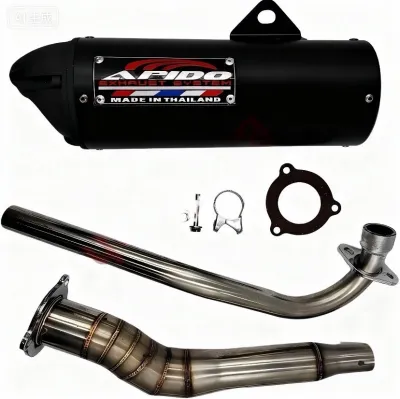
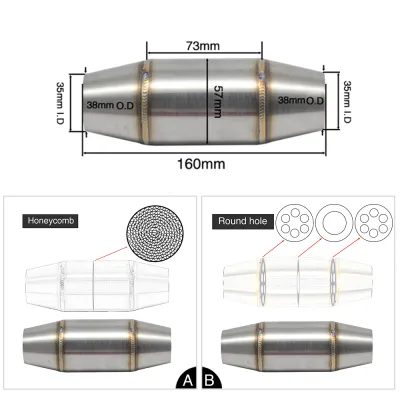
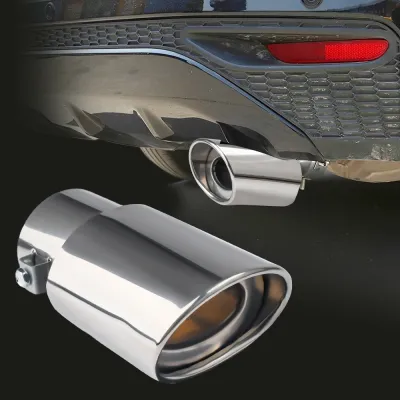

Prices are valid at publication and may change. Please refer to the product page for the latest price.
To enforce these concerns, the LTO relies on specific noise limits measured in decibels (dB). Historically, the standard limit for motorcycle exhaust noise has been set at 99 decibels when measured at a distance of 0.5 meters from the exhaust tip at a 45-degree angle, with the engine running at a specified RPM (typically half of its maximum rated speed). However, riders must remain vigilant and verify the current decibel thresholds and exact testing procedures directly through the latest official LTO administrative orders and Department of Transportation (DOTr) issuances. Relying on outdated internet forums, social media rumors, or casual advice from fellow riders is highly risky, as local enforcement teams and national agencies frequently update their operational guidelines and testing equipment.
Furthermore, the implementation of the Motor Vehicle Inspection System (MVIS) has significantly tightened the enforcement of these regulations. During your annual motorcycle registration renewal, your vehicle must undergo a comprehensive inspection at an authorized Private Motor Vehicle Inspection Center (PMVIC) or an LTO-operated inspection lane. The MVIS process includes a standardized acoustic test using calibrated sound level meters to verify that your exhaust does not exceed the legal decibel limit. Additionally, inspectors perform a visual check to ensure the exhaust system is securely mounted, free of leaks, and equipped with the necessary catalytic converters or silencers required by the vehicle’s original design. If your motorcycle fails the MVIS exhaust test, your registration renewal will be denied until you reinstall a compliant exhaust system and pass a re-test.
Are Sonix Exhaust Pipes Legal on Philippine Roads?
Sonix exhaust pipes have gained substantial popularity among Filipino riders, particularly those operating underbone motorcycles, scooters, and small-displacement bikes. Known for their aggressive styling, deep exhaust notes, and potential to improve exhaust gas flow for better engine responsiveness, these pipes are a common sight in local motorcycle shops. However, from a strictly legal standpoint, Sonix pipes are primarily designed as aftermarket performance or sound-enhancing components.

The critical distinction that every rider must understand is that unless a specific Sonix exhaust model comes with explicit, LTO-recognized street-legal certification or matches the original equipment manufacturer (OEM) noise and emission specifications exactly, it is generally considered non-compliant for public road use. Most off-the-shelf Sonix pipes are engineered to maximize exhaust flow, which inherently increases the noise level far beyond what the factory exhaust produced. While a louder exhaust might be highly desirable for closed-course racing or track days, the LTO does not recognize “racing design” or “brand popularity” as valid exemptions from public road safety laws.
A common misconception among local motorcycle enthusiasts is that slip-on exhaust pipes are automatically legal as long as they fit securely onto the motorcycle’s existing mounting brackets and headers. This is a dangerous assumption. Even if a Sonix slip-on pipe physically fits your motorcycle perfectly, its internal baffling and overall volume control may still violate national decibel limits. The LTO evaluates compliance based on the actual performance and acoustic output of the entire operating system, not on how neatly the pipe is bolted to your frame. If the resulting sound output exceeds the legal limit during a roadside inspection or an MVIS check, the physical fitment of the pipe will not save you from a violation.
Risks and Penalties for Non-Compliant Exhaust Systems
Riding with a non-compliant or excessively loud exhaust system in the Philippines carries significant legal, financial, and practical risks. Enforcement is not limited to annual registration checks; it is actively carried out on the streets. The LTO, often operating in coordination with the Philippine National Police (PNP) Highway Patrol Group (HPG) and local government unit (LGU) traffic enforcers, regularly conducts joint roadside checkpoints. These operations, sometimes referred to locally as “Oplan Tambutso,” specifically target motorcycles with modified, open, or excessively loud exhaust systems.
If you are caught operating a motorcycle with an illegal exhaust system, you face severe penalties under Joint Administrative Order (JAO) No. 2014-01 and associated national laws:
- Statutory Fines: Under JAO 2014-01, driving a vehicle with unauthorized modifications or a defective/non-compliant accessory carries a standard fine of ₱5,000. Local municipal ordinances may impose additional fines or community service requirements for violating local anti-noise laws.
- Confiscation of Parts: In many enforcement scenarios, traffic officers are authorized to confiscate the non-compliant exhaust pipe on the spot. This means your expensive aftermarket Sonix pipe could be physically removed and destroyed or held by the authorities.
- Vehicle Impoundment: If the motorcycle cannot be safely operated or if you cannot immediately replace the non-compliant pipe with a legal alternative, your vehicle may be towed and impounded at an official government impounding yard. Your motorcycle registration may also be placed on hold, preventing you from renewing it until all fines are settled and the vehicle is restored to its legal state.
Beyond these immediate legal penalties, there are substantial hidden costs and inconveniences associated with an exhaust violation. If your pipe is confiscated or your bike is impounded, you will face the immediate expense of sourcing a replacement OEM or fully compliant exhaust pipe on short notice. You will also have to cover towing fees, impound storage fees, and lose valuable time navigating bureaucratic government offices to pay fines and retrieve your vehicle. The total financial impact of a single exhaust violation can easily exceed the original purchase price of the aftermarket pipe.
How to Verify Exhaust Compliance Before You Buy
To protect your investment and avoid regulatory headaches, you must take proactive steps to verify the compliance of any exhaust system before you hand over your hard-earned money. If you are shopping for a Sonix pipe, do not rely solely on the seller’s verbal assurances that the product is “LTO-approved” or “safe for road use.” Instead, perform your own due diligence.
First, closely examine the product packaging and the exhaust pipe itself for physical markings and official documentation. Look for:
- Clear Compliance Markings: Look for embossed or engraved certifications that indicate compliance with international or local noise standards, such as an E-mark or specific manufacturer declarations of road legality.
- Certified dB Killer or Silencer: Ensure the package includes a high-quality, removable or permanently installed dB killer (silencer). A robust silencer is essential for dampening the acoustic output of performance pipes to levels that can pass an MVIS decibel test.
- Manufacturer Specifications: Check the manufacturer's official documentation for specified decibel levels when installed on your exact motorcycle model.
Second, consult authorized motorcycle dealers and carefully review your motorcycle’s factory warranty terms. Installing an unauthorized aftermarket exhaust system can void your vehicle’s engine and electrical warranties, leaving you personally responsible for any mechanical failures that occur down the road. Authorized mechanics can provide valuable insights into how a specific Sonix model will affect your bike’s backpressure, emissions, and overall engine health.
Finally, a highly recommended best practice for all riders is to keep your original stock OEM exhaust pipe in safe, clean storage. Never sell or discard your factory exhaust. Having your stock pipe readily available ensures that you can easily pass annual MVIS inspections without stress. Furthermore, if you plan to travel long distances through strict jurisdictions or provinces known for highly aggressive local noise ordinances, temporarily reverting your motorcycle to its stock configuration is the most reliable way to guarantee a hassle-free, legally compliant ride.
Frequently Asked Questions (FAQ)
Can I use a Sonix pipe if I add a silencer or baffle?
While adding a high-quality silencer or baffle (dB killer) can significantly reduce the volume of a Sonix pipe, it does not automatically guarantee full LTO compliance. Road legality in the Philippines is determined by the overall certification, emission profile, and decibel output of the complete exhaust system, not just a temporary drop in volume at a low engine speed. During a detailed roadside inspection or an official MVIS check, an uncertified aftermarket pipe may still fail visual inspection or administrative compliance checks if it lacks recognized road-legal markings, regardless of whether a baffle is installed.
Will a non-compliant exhaust affect my motorcycle insurance claims?
Yes, installing a non-compliant or illegal exhaust system can severely jeopardize your motorcycle insurance coverage. Many insurance providers in the Philippines include clauses in their policies that void coverage if the vehicle has undergone unauthorized modifications or was not in a road-legal condition at the time of an accident. If you are involved in a collision or your motorcycle is damaged while equipped with an illegal Sonix pipe, your insurer may deny your claim entirely, leaving you to pay for repairs, medical bills, and third-party liabilities out of pocket. Always check your specific policy terms and notify your insurer of any modifications.
Community discussion
Share your experience or ask a question. Comments are reviewed before publication.