
Spark plug caps and ignition coil boots are critical yet frequently overlooked components of your vehicle’s ignition system. Typically, a high-quality spark plug cap is designed to last between 50,000 and 100,000 kilometers. However, their actual operational lifespan depends heavily on engine operating temperatures, environmental exposure, and routine maintenance habits.
In tropical climates like the Philippines, the combination of intense engine bay heat and high atmospheric humidity can significantly accelerate the degradation of rubber and silicone materials. When these protective covers fail, the high-voltage electrical current intended for the spark plug escapes, leading to engine misfires, poor fuel economy, and potential damage to other ignition components. Replacing them proactively is one of the most cost-effective ways to maintain optimal engine performance and avoid expensive roadside breakdowns.
Identifying Your Ignition Setup: Wire Caps vs. Coil Boots
To properly maintain your vehicle’s ignition system, you must first understand the specific architecture your engine uses. Older vehicles, classic models, and many motorcycles utilize a traditional distributor or a wasted-spark ignition system. In these setups, high-tension ignition wires run from a central distributor or ignition coil pack directly to each spark plug. The spark plug cap sits at the end of each wire, acting as a physical and electrical bridge that snaps securely onto the spark plug’s terminal. Its main duty is to seal the connection from external contaminants while keeping the high-voltage current safely contained within the wire.
Products mentioned in this guide
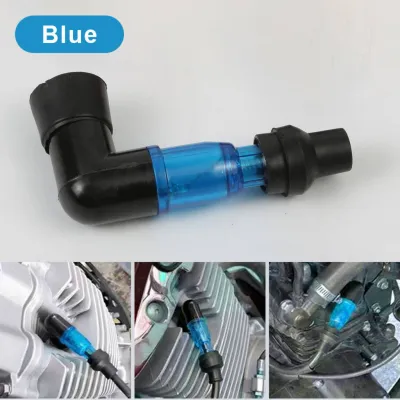
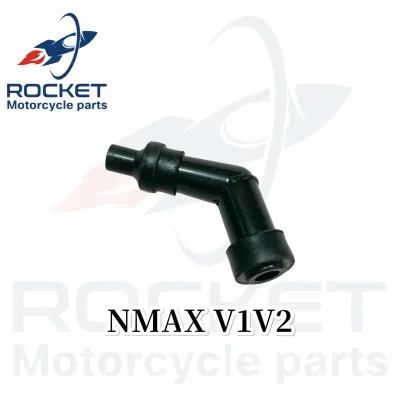
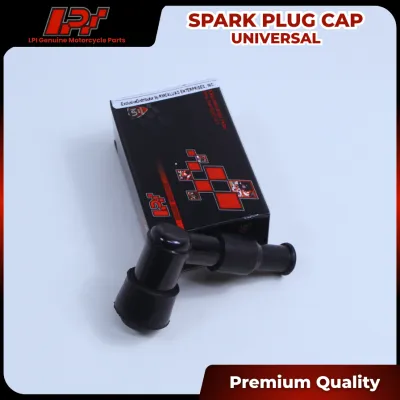
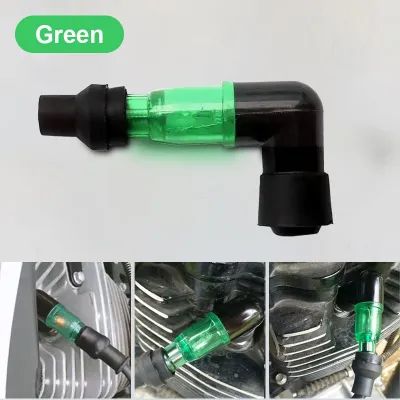
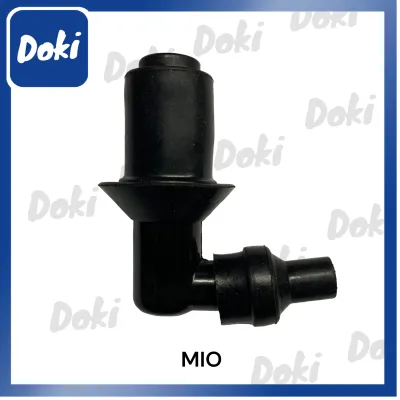
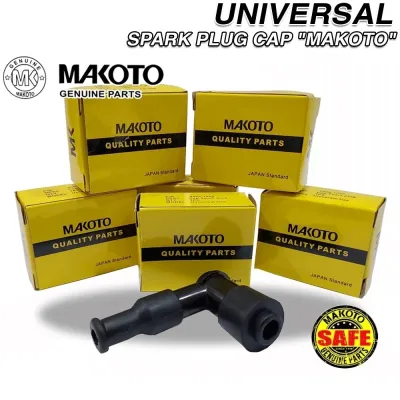
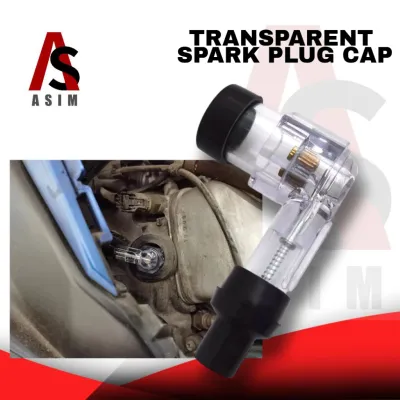
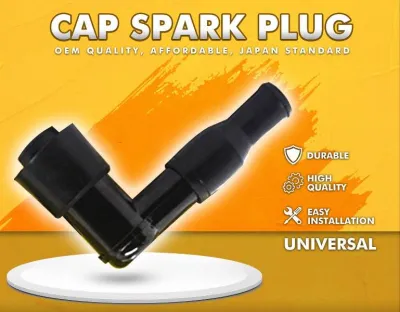
Prices are valid at publication and may change. Please refer to the product page for the latest price.
In contrast, modern passenger vehicles almost exclusively use a Coil-on-Plug (COP) ignition system. This design eliminates long, high-voltage spark plug wires entirely by placing an individual ignition coil directly above each spark plug. Instead of a traditional wire cap, these systems use what is known as an ignition coil boot. The coil boot is a specialized rubber or silicone sleeve that attaches directly to the base of the ignition coil. It extends down into the spark plug well to insulate the connection and protect the spark plug from moisture, oil, and debris.
While traditional spark plug caps and modern coil boots look physically different, they perform the exact same fundamental task. Both components act as heavy-duty electrical insulators designed to contain electrical pressures that often exceed 30,000 volts. Because their roles are identical, they are subject to the same physical degradation, display the same failure symptoms, and require similar diagnostic and replacement procedures. Whether you are driving an older model or a modern vehicle, understanding how to inspect these insulating barriers is essential for maintaining engine health.
When to Replace Spark Plug Caps and Boots
Determining the right time to replace your spark plug caps or coil boots requires a balance between preventive maintenance and condition-based monitoring. A widely accepted industry practice is the “Replace with Spark Plugs” rule. Because spark plugs and their protective caps operate under the same harsh thermal conditions, they tend to degrade at similar rates. Replacing the caps or boots whenever you install a new set of spark plugs prevents the common mistake of pairing brand-new, highly efficient plugs with old, hardened rubber boots that can no longer guarantee a tight seal.

You should always consult your vehicle’s owner’s manual or the manufacturer’s official service schedule to find the recommended service intervals. These guidelines vary significantly depending on the engine design and the type of spark plugs installed. For instance, standard copper spark plugs may require replacement every 20,000 to 40,000 kilometers, whereas high-performance iridium or platinum plugs can easily last up to 100,000 kilometers. Aligning your cap or boot replacement with these manufacturer-specified intervals keeps your ignition system operating at peak efficiency.
However, mileage-based schedules should only serve as a baseline. Condition-based replacement must take priority if you notice any physical damage or performance anomalies. If an inspection reveals that the rubber has become brittle, cracked, or contaminated with engine oil, immediate replacement is necessary regardless of the vehicle’s current mileage. Continuing to drive with degraded caps risks allowing voltage leaks that can damage more expensive components, such as the ignition coils themselves or the vehicle’s catalytic converter.
What Degrades Spark Plug Caps? Key Lifespan Factors
Several environmental and mechanical factors work together to shorten the lifespan of ignition caps and boots. Understanding these factors can help you take preventive measures to extend the life of your ignition system.
- Heat and Thermal Cycling: The primary enemy of any rubber or silicone component is heat. The engine bay of a modern vehicle operates at incredibly high temperatures, especially during prolonged idling in heavy traffic. As the engine heats up to operating temperature and cools down after use, the caps undergo continuous thermal cycling. Over time, this process causes the elastomeric compounds to lose their flexibility, leading to hardening, shrinking, and microscopic cracking. Once the material loses its elasticity, it can no longer maintain a tight, moisture-proof seal around the spark plug.
- Moisture and Tropical Humidity: Driving conditions in the Philippines present unique challenges for ignition systems. High ambient humidity, heavy seasonal monsoon rains, and occasional street flooding expose the engine bay to significant moisture. If a spark plug cap or coil boot has even minor micro-cracks, highly conductive moisture can seep into the spark plug well. This moisture accelerates the corrosion of the internal metal spring contacts and provides an easy path for the high-voltage electrical current to arc to the grounded engine block instead of reaching the spark plug electrode.
- Vibration and Mechanical Stress: Engines are subject to constant vibration during operation. This continuous movement can cause the internal metal terminals of the cap to wear down or lose their tension, resulting in a loose connection. Furthermore, mechanical damage often occurs during routine maintenance. If a technician or car owner removes a cap by yanking on the flexible wire or the soft rubber boot instead of using the proper tool on the rigid connector, the internal electrical crimp can easily separate, or the rubber can tear.
- Material Differences: The specific material used to manufacture the cap or boot plays a major role in its durability. Most standard replacement boots are made of Ethylene Propylene Diene Monomer (EPDM) rubber, which offers decent heat resistance and excellent cost-efficiency. However, high-performance or premium replacement boots often utilize silicone compounds. Silicone offers significantly better resistance to extreme temperatures and ozone degradation, allowing it to remain flexible for much longer. When purchasing replacement parts, always verify the material specifications to ensure they meet your vehicle's specific operating demands.
Warning Signs of a Failing Spark Plug Cap
A failing spark plug cap or coil boot will quickly make its presence known through a variety of engine performance issues. Recognizing these warning signs early can save you from more severe engine damage and expensive repair bills.
The most common symptom of a failing cap is an engine misfire, which is often highly noticeable when the vehicle is idling. When the insulating material of a boot degrades, the high-voltage current leaks out and arcs directly to the engine cylinder head. This prevents the spark plug from firing, leaving the air-fuel mixture in that cylinder unburned. You will experience this as a rough, shaking idle, a vibrating steering wheel, or a distinct “chugging” sensation when attempting to accelerate.
Another clear indicator is the presence of visible arcing or corona stains. To check for this safely, run the engine in a dark or dimly lit garage and look closely at the spark plug wells. If the caps are severely degraded, you may see tiny, blue electrical sparks jumping from the boots to the nearby metal engine block. Additionally, when you remove the boots for inspection, look for “corona stains”—a light brown or yellowish discoloration on the white ceramic insulator of the spark plug—or white, chalky carbon tracks on the inside of the rubber boot, both of which are definitive proof of high-voltage electrical leakage.
You may also experience hard starting and sluggish acceleration, particularly during damp mornings or after a heavy downpour. High humidity increases the conductivity of the air, making it easier for the weak electrical current to escape through a compromised boot before it ever reaches the spark plug. This results in extended cranking times when starting the vehicle and a noticeable hesitation or flat spot when you press the accelerator pedal.
Finally, physical damage and sticking are physical warning signs that occur over time. As rubber boots age under extreme heat, they can actually bake and fuse themselves to the ceramic insulator of the spark plug. If you attempt to pull a stuck boot off with excessive force, the rubber can easily tear apart, or the mechanical stress can snap the fragile ceramic portion of the spark plug. If a boot is extremely difficult to remove, it is a clear sign that the material has reached the end of its useful life and must be replaced.
Maintenance and Installation Best Practices
Taking a few simple precautions during routine maintenance can greatly extend the life of your spark plug caps and ensure your ignition system functions reliably.
First, always apply a thin layer of high-quality dielectric grease to the inside tip of the rubber boot before installing it onto the spark plug. Dielectric grease is a non-conductive, silicone-based compound that performs several critical functions. It seals out moisture, prevents electrical tracking, and acts as a release agent that stops the rubber boot from baking and fusing to the spark plug’s ceramic insulator over time. Be careful to apply only a small amount; over-applying grease can trap dirt and abrasive debris, or physically push the boot off the plug terminal.
Second, use proper removal techniques to avoid causing mechanical damage to the components. Never pull, yank, or twist the flexible ignition wire itself, as this will ruin the internal electrical connection. Instead, use a dedicated spark plug boot puller tool, or gently grasp the rigid portion of the boot with your fingers or specialized boot pliers. Give it a slight twist to break the seal against the ceramic insulator, and then pull it straight out along the axis of the spark plug.
Third, always clean the spark plug well thoroughly before removing the spark plugs or installing new boots. Over time, dust, sand, road grime, and leaked engine oil can accumulate in the deep wells of the cylinder head. Use a can of compressed air or an air compressor nozzle to blow this debris out of the wells before you disassemble anything. This simple step prevents abrasive contaminants from falling directly into the engine cylinders or getting trapped under the seal of your new boot, which would compromise its ability to keep out moisture and oil.
Before performing any maintenance on your vehicle’s ignition system, always consult the manufacturer’s instructions for your specific model. Ensure that the engine is completely cool to the touch and that the vehicle’s battery is disconnected to eliminate the risk of electrical shock. If your engine layout requires removing complex intake manifolds or specialized brackets to access the spark plugs, or if you do not possess the necessary tools, always seek the assistance of a qualified professional mechanic to ensure a safe and correct installation.
Frequently Asked Questions (FAQ)
Can I just replace the boot without changing the spark plug?
Yes, it is physically possible to replace only the rubber boot or cap if your spark plugs are relatively new and show no signs of wear or damage. However, if your spark plugs are nearing the end of their service life, replacing only the boot is generally not recommended. Reusing old spark plugs with worn electrodes increases the electrical resistance required to bridge the gap, which puts extra stress on the new boot and can lead to premature failure. Replacing both components at the same time is the most efficient approach, saving you from repeating the same labor-intensive disassembly process twice.
Does a bad spark plug cap trigger a check engine light?
Yes, a failing spark plug cap or coil boot will eventually cause the vehicle’s Engine Control Unit (ECU) to illuminate the check engine light. When a cap allows voltage to leak, it prevents the spark plug from creating a strong spark, resulting in incomplete combustion or a complete misfire in that cylinder. The ECU continuously monitors crankshaft rotation speed and exhaust emissions; when it detects repeated misfires, it will trigger the check engine light and store diagnostic trouble codes (DTCs) such as P0300 (random/multiple cylinder misfire) or codes pinpointing the specific cylinder, such as P0301 through P0308.
How much does it cost to replace ignition coil boots in the Philippines?
In the Philippines, the cost of replacing spark plug caps or ignition coil boots depends heavily on your vehicle’s make, engine layout, and whether you choose OEM or aftermarket parts. Individual replacement boots or caps typically cost between ₱150 and ₱600 each when purchased from reputable auto supply stores or online marketplaces. However, the total cost will increase if you require professional labor. Engines with easily accessible spark plugs, such as inline-four engines, will incur minimal labor fees, whereas complex engine configurations like V6, V8, or horizontally opposed (boxer) engines require significantly more time and disassembly to access, leading to higher mechanic fees. To withstand the country’s demanding tropical heat and humidity, it is highly recommended to invest in high-quality OEM or trusted aftermarket brands.
Community discussion
Share your experience or ask a question. Comments are reviewed before publication.