
Deciding whether the Spyder Corsa V2 is the right full-face helmet for your daily motorcycle commute requires a careful evaluation of safety certifications, physical fit, and practical features against the demanding conditions of local roads. In the Philippines, daily riding involves navigating intense tropical heat, sudden torrential downpours, and prolonged periods in stop-and-go traffic. A full-face helmet offers the highest level of physical protection for your head and jaw, but its long-term viability as a daily companion depends heavily on how well it manages temperature, distributes weight, and keeps you comfortable over hours of riding.
Before committing to any helmet purchase, you must look beyond aesthetic appeal and marketing claims. The ideal commuter helmet must balance robust impact protection with real-world usability, ensuring that it does not become a source of fatigue or distraction on the road. By examining the specific design elements of the Spyder Corsa V2 and comparing them to your personal riding habits, you can make an informed decision that prioritizes both safety and comfort.
Safety Standards and Certification Verification
When evaluating any motorcycle helmet for road use in the Philippines, verifying its safety credentials is the most critical step. For legal and protective purposes, you must physically inspect the helmet for the mandatory Import Commodity Clearance (ICC) sticker or the Philippine Standard (PS) mark. These certifications indicate that the helmet model has undergone rigorous testing by local regulatory bodies to ensure it meets established safety thresholds for impact absorption, penetration resistance, and retention system strength.
Products mentioned in this guide
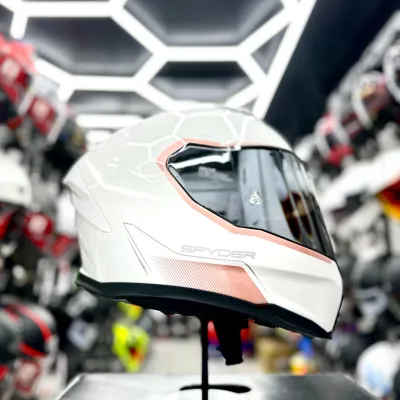
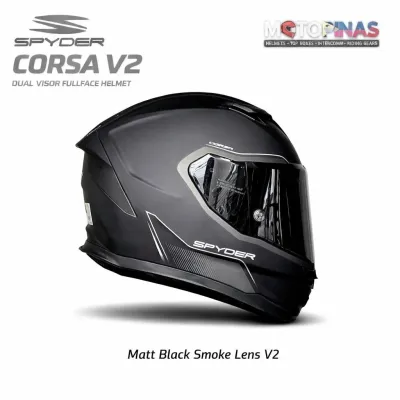
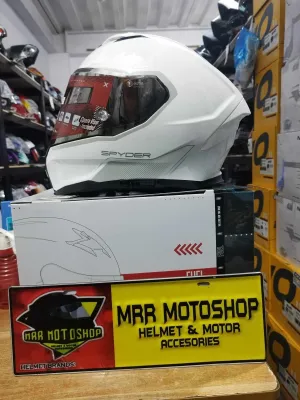
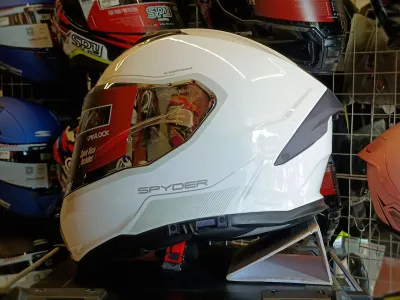
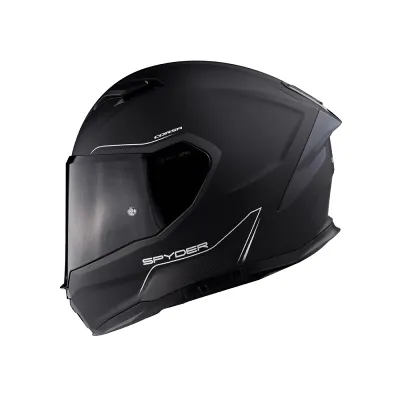
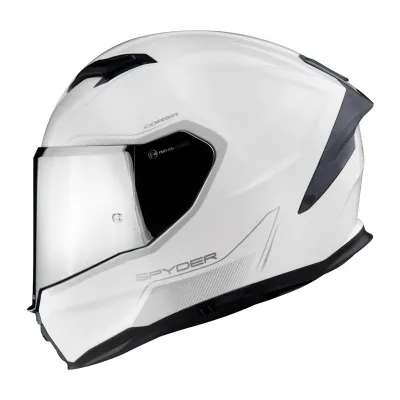
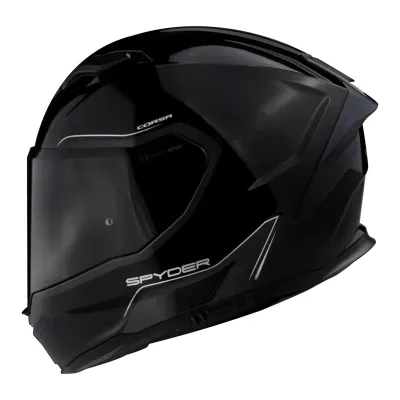
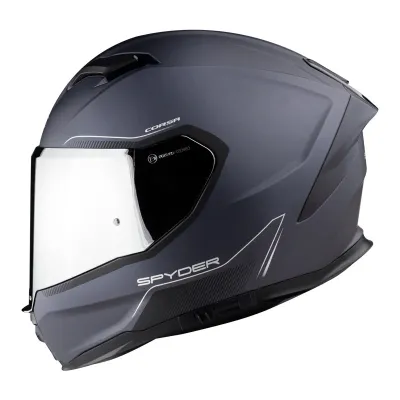
Prices are valid at publication and may change. Please refer to the product page for the latest price.
In addition to local markings, look for recognized international safety standards such as the Economic Commission for Europe (ECE) 22.05 or 22.06 certification, or the Department of Transportation (DOT) standard. The presence of these markings on the rear of the helmet shell provides further assurance of the helmet’s structural integrity. Be cautious of counterfeit stickers; genuine ICC stickers typically feature security elements like holograms or unique serial numbers that can be verified through official channels.
Before finalizing your purchase, perform a thorough physical inspection of the specific helmet you intend to take home. Examine the outer shell, which is typically constructed from a thermoplastic or polycarbonate blend in this segment, for any signs of manufacturing defects, hairline cracks, or uneven finishes. Next, inspect the Expanded Polystyrene (EPS) inner liner, which is the shock-absorbing layer beneath the comfort padding. Gently press the EPS liner with your fingers to ensure it feels firm, uniform, and securely bonded to the outer shell. Any soft spots, deep indentations, or separation between the EPS and the outer shell are immediate red flags that compromise the helmet’s ability to absorb impact energy during a crash.
Finally, evaluate the retention system, which is responsible for keeping the helmet securely on your head during an accident. Check the chin strap stitching for fraying or loose threads, and test the fastening mechanism—whether it is a double D-ring system or a micrometric quick-release buckle. Ensure the mechanism locks smoothly and cannot be pulled apart with moderate force, as a failing strap renders even the strongest helmet useless in a fall. It is also important to distinguish between standard commuter certifications and specialized track ratings. Commuter-focused helmets are designed to handle common urban impact scenarios and prioritize features like drop-down sun visors, comfortable liners, and practical ventilation. In contrast, track-certified helmets are engineered for high-speed racing environments, often utilizing stiffer shell materials and prioritizing aerodynamic stability at extreme speeds, sometimes sacrificing daily conveniences and low-speed ventilation.
Evaluating Comfort and Fit for Daily Traffic
A helmet that does not fit correctly cannot protect you properly and will quickly become unbearable during long hours in urban traffic. To determine if the helmet’s interior and physical profile suit your head shape, you must perform a proper physical try-on rather than relying solely on size charts. Head shapes generally fall into three categories: round oval, intermediate oval, and long oval. Knowing your shape helps you identify if a specific helmet model will cause painful pressure points.

When trying on the helmet at an authorized physical store, keep it fastened for at least ten to fifteen minutes. This duration allows the interior padding to settle and helps you identify any slow-building pressure points, particularly along your forehead, temples, or the crown of your head. The helmet should fit snugly all the way around, without any gaps or loose movement when you shake your head from side to side or nod up and down. Pay close attention to the fit of the cheek pads. They should press firmly against your cheeks, pushing them up slightly without causing pain, soreness, or forcing you to bite the inside of your mouth. Over time, the foam inside the cheek pads will break in and compress slightly, so a fit that feels very snug out of the box is generally desirable, whereas a loose fit initially will become dangerously loose later.
To ensure the helmet is the correct size, perform the simple roll-off test with the chin strap securely fastened. Grasp the rear base of the helmet shell and attempt to pull it forward and off your head. If the helmet slides forward significantly or exposes your forehead, it is too large or incompatible with your head shape, and you should try a different size or model.
For daily commuting in a tropical climate, the interior lining material is just as important as the fit. Inspect the comfort liner to ensure it is made from breathable, moisture-wicking, and hypoallergenic fabrics that can handle heavy sweating. Verify that the entire liner, including the cheek pads and the crown pad, is fully removable and washable, as regular cleaning is essential to prevent the buildup of bacteria, mold, and unpleasant odors. Lastly, consider the physical weight and balance of the helmet. While thermoplastic helmets are generally heavier than their carbon-fiber counterparts, proper weight distribution can minimize neck strain during extended daily rides. Put the helmet on, adopt your typical riding posture, and check if the helmet feels balanced or if it pulls your head forward or backward, which can lead to muscle fatigue during stop-and-go commutes.
Visor Clarity, Ventilation, and Weather Readiness
Visibility and airflow are critical safety factors when riding in unpredictable tropical weather. A practical checklist can help you evaluate how well a helmet manages light, rain, and heat. Start by testing the visor mechanism; open and close the visor several times to ensure the movement is smooth and that the detents hold the visor firmly in various partially open positions, which is useful for low-speed defogging. Examine the optical clarity of the visor by looking through it at different angles. There should be no noticeable distortion, waviness, or rainbow effects, which can cause eye strain and misjudgment of distances on the road. If you ride frequently in changing light conditions, check if the helmet features an integrated drop-down sun visor, and verify that its operating switch is easy to locate and actuate while wearing riding gloves.
For rainy weather, check if the primary visor is Pinlock-ready, meaning it has pre-installed pins to accommodate an anti-fog insert lens. In high-humidity environments, your warm breath will quickly fog up a cold visor during a rainstorm, severely limiting your vision. A Pinlock insert or an equivalent anti-fog treatment is one of the most effective ways to maintain a clear view of the road when the skies open up.
Ventilation is another non-negotiable feature for daily commuting in hot weather. Locate the intake vents on the chin bar and the forehead, as well as the exhaust vents at the rear of the shell. Open and close these vents to verify that the sliders operate smoothly and feel durable. Effective ventilation relies on internal channels carved into the EPS liner, which allow cool air to flow over your scalp and push hot, humid air out through the rear exhausts.
In addition to vents, inspect the breath guard and the chin curtain. A breath guard sits on top of the chin bar and helps direct your exhaled breath downward and away from the inner surface of the visor, reducing the likelihood of fogging. A chin curtain attaches to the bottom of the chin bar and helps block turbulent wind, road dust, and insects from entering the helmet from below, creating a quieter and cleaner interior environment. However, in extremely hot and slow-moving traffic, some riders prefer to remove the chin curtain to maximize the upward flow of fresh air from under the chin bar. Ensure that these accessories are easily removable and reattachable so you can customize the helmet’s configuration based on the season or your daily route.
Assessing Value and Comparing Daily Commuter Alternatives
When evaluating the overall value of the Spyder Corsa V2, you must weigh its retail price in Philippine Pesos (₱) against its standard features and build quality. In the entry-to-mid-range helmet segment, riders often face trade-offs. While you can expect essential safety certifications and decent comfort features, helmets in this price bracket may exhibit higher levels of wind noise at highway speeds and utilize heavier shell materials compared to premium models.
Compare the included accessories and features of the helmet with other options in the same price range. For example, check if the package includes a spare dark-tinted visor, a high-quality helmet bag, or pre-installed anti-fog pins. Some competing models might offer a dual-visor system as standard, while others might focus on a lighter overall weight or a more aerodynamic shell shape. Identifying what matters most to your daily commute—whether it is sun protection, weight, or noise reduction—will help you determine which compromise is acceptable.
Another crucial aspect of value is the availability of after-sales support and replacement parts. Before purchasing, verify the warranty terms offered by the manufacturer or the authorized local dealer. A standard warranty should cover manufacturing defects in materials and workmanship for a specified period, giving you peace of mind regarding the helmet’s long-term durability. Furthermore, confirm that replacement parts are readily available in the local market. Daily commuting subjects a helmet to significant wear and tear; you may eventually need to replace a scratched visor, a broken visor mechanism, or worn-out cheek pads. Choosing a brand with a strong local presence and a reliable supply of spare parts ensures that you will not have to retire an otherwise perfectly good helmet prematurely just because a small plastic clip broke.
When comparing alternatives, also consider the ease of installing a communication system if you plan to use one. Look for dedicated speaker pockets or cutouts in the EPS liner, which allow you to mount helmet speakers without them pressing painfully against your ears. A helmet that accommodates communication gear easily adds significant value for commuters who need navigation prompts or take hands-free calls on the go. Ultimately, the best value is a helmet that fits your head shape perfectly, meets all legal safety standards, and keeps you comfortable during your specific daily route. Do not compromise on fit or safety certifications just to save a small amount of money, as a poorly fitting or uncertified helmet fails to provide the essential protection you need when it matters most.
Frequently Asked Questions (FAQ)
How do I clean the interior lining without damaging it?
To clean the removable interior lining of your helmet, first consult the care label or manufacturer’s instructions for any specific restrictions. Gently remove the cheek pads and the crown liner from the snaps or hook-and-loop fasteners inside the shell. Hand wash the pads in lukewarm water using a mild, non-chemical detergent, such as baby shampoo or a specialized helmet cleaner, to avoid degrading the foam or irritating your skin. Gently squeeze the soapy water through the pads without twisting or wringing them, as harsh wringing can damage the internal plastic backings or deform the foam structure. Rinse the pads thoroughly with clean water until all soap residue is gone. Allow the components to air-dry completely in a well-ventilated indoor area away from direct sunlight or direct heat sources like hair dryers, as excessive heat can shrink the fabric or warp the padding.
Can I wear prescription glasses with this full-face helmet?
Whether you can comfortably wear prescription glasses with this full-face helmet depends on the design of the interior padding and your physical try-on. Many modern helmets feature dedicated eyewear channels or grooves cut into the cheek pads to allow the temples of your glasses to slide in easily without pressing against your head. To verify compatibility, bring your daily prescription glasses to the store when trying on the helmet. Put the helmet on first, fasten the chin strap, and then attempt to slide your glasses through the eyeport. Ensure that the glasses sit naturally on your nose, do not tilt or lift off your face, and do not create painful pressure points behind your ears or along your temples during a ten-minute test wear.
How often should I replace my daily commuting helmet?
Safety organizations and helmet manufacturers generally recommend replacing a motorcycle helmet every three to five years of regular use, or seven years from its date of manufacture. Over time, exposure to sweat, hair oils, cosmetics, UV rays, and temperature fluctuations gradually degrades the protective EPS liner and the outer shell materials, reducing their ability to absorb impacts effectively. However, you must replace your helmet immediately if it is involved in any crash or suffers a significant impact, even if there is no visible damage on the outside. Helmets are designed for a single-impact lifetime; the EPS liner compresses to absorb energy during an impact and does not spring back. You should also replace the helmet if you drop it onto a hard surface from a height, if the retention system becomes frayed or broken, or if the outer shell shows deep cracks or soft spots.
Community discussion
Share your experience or ask a question. Comments are reviewed before publication.