
Choosing the right spark plug for your Honda Click is one of the simplest yet most impactful maintenance decisions you can make. As one of the most popular automatic scooters in the Philippines, the Honda Click is a daily workhorse relied upon to navigate dense city traffic, handle sudden tropical downpours, and deliver excellent fuel economy. When it comes time to replace this critical ignition component, you will generally face a choice between a standard nickel-alloy spark plug and an upgraded iridium spark plug. Both options will successfully ignite the fuel-air mixture in your engine, but they differ significantly in durability, ignition consistency under harsh conditions, and overall long-term value.
To make the best choice for your specific riding habits and budget, it helps to understand how these two materials perform in a small-displacement engine. While a standard plug offers a low upfront cost and matches the original factory specifications, an iridium plug provides a highly durable alternative that can withstand extreme heat and reduce the frequency of maintenance. By evaluating your daily commute, your willingness to perform regular maintenance, and the environmental conditions your scooter faces, you can easily determine which spark plug type is the right fit for your ride.
Understanding the Basics: Standard vs. Iridium Spark Plugs
At their core, spark plugs perform the same fundamental task: they deliver an electrical spark to ignite the compressed fuel and air inside the engine cylinder. However, the material used for the electrode tip determines how efficiently the plug operates and how quickly it degrades over time. Standard spark plugs typically feature a copper core with a nickel-alloy tip. Nickel is a reliable conductor, but it has a relatively low melting point compared to precious metals, meaning the electrode gradually wears down and rounds off as it experiences thousands of electrical sparks per minute.
Products mentioned in this guide
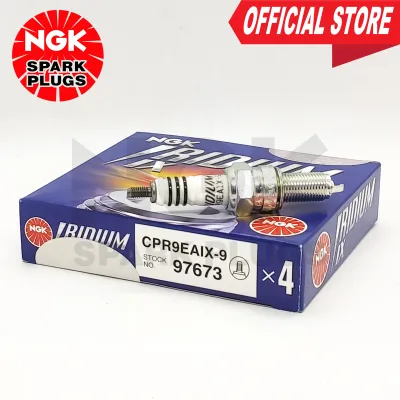
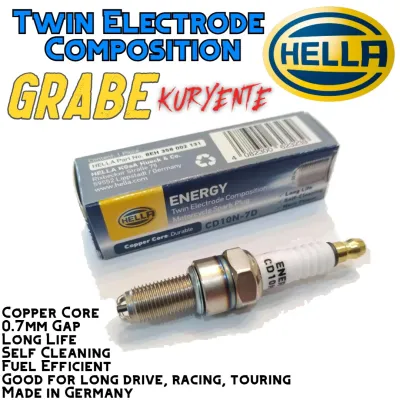
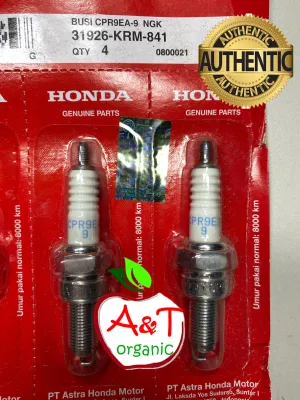
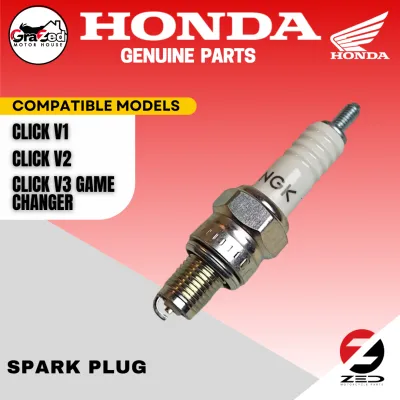
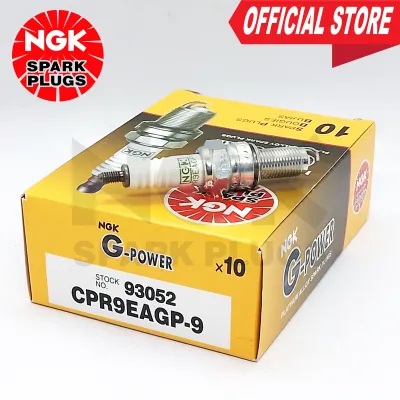
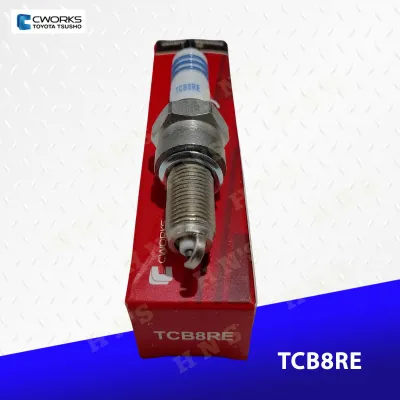
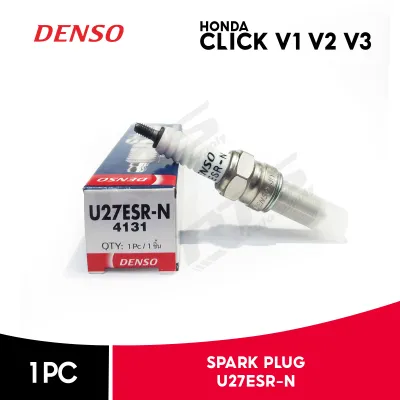
Prices are valid at publication and may change. Please refer to the product page for the latest price.
In contrast, iridium spark plugs utilize an extremely hard, precious metal for the center electrode tip. Iridium has an exceptionally high melting point—exceeding 2,400 degrees Celsius—which makes it incredibly resistant to spark erosion and chemical wear. This extreme durability allows manufacturers to design iridium plugs with a much finer electrode tip, often measuring just 0.6 mm in diameter, compared to the 2.5 mm tip typically found on standard nickel plugs.
The difference in tip size has a direct impact on the electrical requirements of your scooter’s ignition system. A finer electrode tip concentrates the electrical charge, allowing the spark to jump the gap more easily and requiring less voltage from the ignition coil. This lower voltage requirement translates to more reliable spark generation, especially during cold starts or when the battery is not operating at peak capacity. While standard plugs are highly capable and serve as the baseline for factory performance, the physical properties of iridium give it a distinct advantage in longevity and electrical efficiency.
Performance and Fuel Efficiency: What to Expect
When riding a small-displacement scooter like the Honda Click, every bit of combustion efficiency counts. The tropical climate of the Philippines brings high humidity, intense heat, and sudden heavy rains, all of which can place extra stress on your engine’s ignition system. A standard spark plug performs admirably under normal operating conditions, but as the electrode wears down over time, the spark can become less consistent. This inconsistency can lead to minor misfires, slightly sluggish throttle response, and a less stable idle when waiting at traffic lights.

Upgrading to an iridium spark plug does not magically increase the horsepower of a stock Honda Click, but it does ensure that the engine operates at its peak design efficiency. Because the fine iridium tip requires less voltage to produce a strong, stable spark, it promotes more complete combustion of the fuel-air mixture. This consistent ignition is particularly noticeable during cold starts on damp, humid mornings, where the engine will typically fire up more quickly and settle into a smooth idle with less hesitation.
Over time, a worn or fouled spark plug will inevitably hurt your fuel economy. When a spark plug fails to ignite the fuel mixture completely, unburnt fuel is pushed out through the exhaust system, wasting money and increasing emissions. Because iridium plugs maintain their precise electrode gap and sharp spark profile for a much longer duration, they help prevent the gradual decline in fuel efficiency that occurs as standard plugs degrade. For riders who monitor their kilometers-per-liter closely, keeping a clean, highly efficient spark plug installed is one of the easiest ways to maintain optimal fuel economy.
Lifespan and Maintenance Intervals
To keep your Honda Click running smoothly, you must adhere to a regular inspection and replacement schedule. According to typical manufacturer guidelines, standard nickel-alloy spark plugs should be inspected every 4,000 kilometers and replaced every 8,000 kilometers. Because the nickel electrode erodes relatively quickly, neglecting this interval can lead to an widened spark gap, which strains the ignition coil and can cause hard starting or engine hesitation.
Iridium spark plugs offer a significantly longer service life, often lasting two to three times longer than standard plugs before requiring replacement. The robust nature of the iridium tip means the spark gap remains stable over tens of thousands of kilometers, making it an excellent option for riders who prefer a low-maintenance ownership experience. However, even with an iridium plug, periodic inspections are still highly recommended to check for carbon buildup or other engine health indicators.
When you remove a spark plug for inspection, the appearance of the electrode tip can tell you a lot about how your engine is running. A healthy plug will have a light tan or gray deposit on the insulator nose. If you observe dry, black soot covering the tip, this indicates carbon fouling, which can be caused by a rich fuel mixture, prolonged idling, or a weak ignition system. Wet, oily deposits suggest that engine oil is entering the combustion chamber, pointing to potential piston ring or valve guide seal wear.
Heavy traffic and stop-and-go riding conditions, which are incredibly common in major Philippine cities, accelerate the degradation of your spark plug. Constant idling and low-speed crawling prevent the engine from reaching its optimal self-cleaning temperature, making the spark plug more susceptible to carbon fouling. Because iridium plugs maintain a more concentrated spark, they are generally better at resisting carbon fouling under these demanding urban riding conditions.
Cost and Value: Upfront Price vs. Long-Term Savings
When shopping for a spark plug for your Honda Click at a local motorcycle parts shop or through an online marketplace, you will immediately notice a significant price difference between the two options. A standard nickel-alloy spark plug is highly affordable, typically retailing for around ₱100 to ₱200. This low upfront cost makes it an attractive option for budget-conscious riders or those who perform their own routine maintenance and do not mind changing the plug frequently.
An iridium spark plug represents a higher initial investment, usually costing between ₱500 and ₱800 or more, depending on the brand and retailer. While this price tag might seem steep for a single small component, it is important to evaluate the purchase using a long-term value perspective. By calculating the cost-per-kilometer, the financial gap between the two options narrows significantly, and in many cases, iridium emerges as the more economical choice.
Consider a simple comparison: if a standard plug costs ₱150 and needs to be replaced every 8,000 kilometers, and an iridium plug costs ₱600 but easily lasts 24,000 kilometers, the hardware cost over that distance is identical. However, this calculation does not account for the value of your time or the labor fees charged by a mechanic. If you pay a shop to replace your spark plug, or if you value the convenience of not having to remove your scooter’s body panels every few months, the iridium plug quickly becomes the more cost-effective and convenient option over the lifespan of the vehicle.
How to Choose the Right Spark Plug for Your Honda Click
Deciding which spark plug to buy depends largely on your personal riding profile, budget, and maintenance preferences. There is no single correct answer, as both options serve different needs effectively. By identifying which category of rider you fall into, you can make a confident decision that aligns with your daily routine.
Choose a Standard Spark Plug if:
- You are on a tight budget and prefer to minimize immediate maintenance expenses.
- You enjoy working on your scooter and do not mind performing regular inspections and replacements every 8,000 kilometers.
- You prefer to keep your Honda Click strictly compliant with the standard factory-installed specifications.
- Your daily rides are short, and you do not subject your scooter to heavy commercial use or long-distance touring.
Choose an Iridium Spark Plug if:
- You want a "set-and-forget" solution that minimizes the frequency of taking apart your scooter's fairings.
- You use your Honda Click for daily long-distance commuting, delivery services, or ride-hailing, where reliability and uptime are critical.
- You frequently ride in heavy, stop-and-go traffic where engine temperatures run high and carbon fouling is a risk.
- You want to ensure the easiest possible cold starts during the wet, humid rainy season.
Verify First Before Purchasing: Regardless of which material you choose, you must verify the exact specifications required for your specific Honda Click model year and engine size (such as the Click 125i, 150i, or 160). Always check your owner’s manual or consult an authorized dealer to find the correct part number and heat range. Installing a spark plug with the wrong heat range can lead to severe engine damage, such as pre-ignition or excessive carbon buildup, regardless of whether the plug is standard or iridium.
Installation and Safety Precautions
Replacing the spark plug on a Honda Click is a manageable task for DIY enthusiasts, but it requires careful attention to detail to avoid costly mistakes. The cylinder head of the Honda Click is made of aluminum, which is a relatively soft metal. This means the threads can easily be stripped or cross-threaded if the spark plug is installed incorrectly. Before beginning, ensure you have the correct tools, including a dedicated spark plug socket, an extension bar, and a spark plug feeler gauge.
Always allow the engine to cool down completely before attempting to remove the old spark plug. Attempting to unscrew a plug from a hot aluminum cylinder head significantly increases the risk of damaging the threads. Once the engine is cool, carefully remove the spark plug cap by pulling on the boot rather than the wire. Use a can of compressed air or a clean brush to clear away any dirt or debris around the spark plug hole before removing the plug, preventing contaminants from falling directly into the combustion chamber.
Before installing your new spark plug, use a feeler gauge to verify that the electrode gap matches the manufacturer’s specification, which is typically between 0.8 mm and 0.9 mm for the Honda Click. Even pre-gapped plugs can sometimes be bumped during shipping, so a quick check is always a smart safety measure. When installing the new plug, always thread it in by hand for the first few turns. If you feel any resistance, stop immediately, back the plug out, and realign it to prevent cross-threading.
Once the plug is seated hand-tight, use a torque wrench to tighten it to the manufacturer’s specified torque value. If you do not have a torque wrench, follow the tightening instructions printed on the spark plug packaging, which typically recommend an additional 1/2 to 2/3 turn for a new plug with a gasket. Over-tightening can strip the threads in the cylinder head, while under-tightening can cause the plug to leak compression or back out over time. If you are unsure of your ability to perform these steps safely, it is always best to have the replacement handled by a qualified professional mechanic.
Frequently Asked Questions (FAQ)
Does upgrading to an iridium spark plug void my Honda Click warranty?
Upgrading to a high-quality aftermarket iridium spark plug generally does not void your Honda Click’s warranty, provided that the plug matches the exact physical dimensions, thread pitch, and heat range specified by the manufacturer. Spark plugs are considered consumable wear items, similar to engine oil and brake pads. However, if an incorrect spark plug is installed and directly causes engine damage, or if the cylinder head is damaged during a DIY installation, those specific repairs will not be covered under warranty. To maintain your warranty coverage, always verify the correct specifications with your local authorized dealer before making any changes.
How do I know if my current spark plug needs replacing?
Several common performance symptoms indicate that your spark plug is reaching the end of its useful life. If you experience difficulty starting your scooter, a rough or unstable idle, hesitation when twisting the throttle, or a noticeable drop in fuel efficiency, the spark plug is a primary suspect. Visually, a worn spark plug will show a rounded center electrode, a widened spark gap, or heavy deposits of black carbon or oil. If you notice any of these signs during a routine inspection, or if you have surpassed the recommended service interval, it is time to install a replacement.
Do I need to adjust the fuel injection or carburetor when switching to iridium?
No, you do not need to make any adjustments to your fuel system when switching from a standard spark plug to an iridium spark plug. The Honda Click utilizes an electronic fuel injection system that automatically monitors and adjusts the air-fuel ratio based on sensor feedback. Because a direct-replacement iridium plug operates within the same combustion parameters as the standard plug—only with greater efficiency and durability—the engine’s computer will seamlessly adapt without requiring any manual tuning. This makes the upgrade a simple, plug-and-play process for stock scooters.
Community discussion
Share your experience or ask a question. Comments are reviewed before publication.