
Quick Answer: Which Spark Plug Type is Best for Your Honda ADV 160?
For most Honda ADV 160 riders in the Philippines, sticking with the OEM-recommended standard (copper/nickel) spark plug is the most cost-effective decision for routine city commuting. However, upgrading to an iridium spark plug is the superior choice for riders who want to extend their maintenance intervals, ensure consistent ignition during wet monsoon seasons, and minimize the hassle of frequent teardowns. Platinum spark plugs are less common for this specific scooter class and generally offer a middle ground that iridium easily outperforms.
To make the right choice for your riding habits, consider this simple decision framework:
- Choose Standard (Copper/Nickel) if: You prioritize the lowest upfront cost, strictly adhere to the short inspection and replacement intervals in your owner's manual, and prefer checking your spark plug regularly to monitor engine health.
- Choose Iridium if: You want the longest possible lifespan, highly reliable cold starts in humid or rainy weather, and do not mind paying a higher initial price to reduce how often you have to remove your scooter's body panels.
- Choose Platinum if: You find a specific, manufacturer-approved platinum option that matches your exact model year, though iridium is generally the more beneficial upgrade path for small-displacement eSP+ engines.
- Verify first if: You are unsure about the correct heat range, thread reach, or whether your current ignition coil is in good condition, as installing an incompatible plug can lead to engine damage.
Standard vs. Platinum vs. Iridium: Core Material Differences
To understand why these options exist, it is helpful to look at the metallurgy of the spark plug’s center electrode. The electrode is the point where electrical energy jumps across the gap to ignite the air-fuel mixture in your cylinder. The material used here directly affects how much heat and electrical wear the plug can withstand.
Products mentioned in this guide
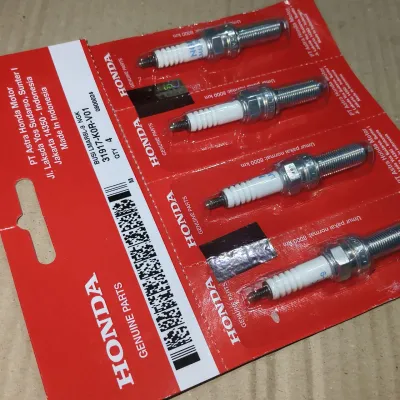
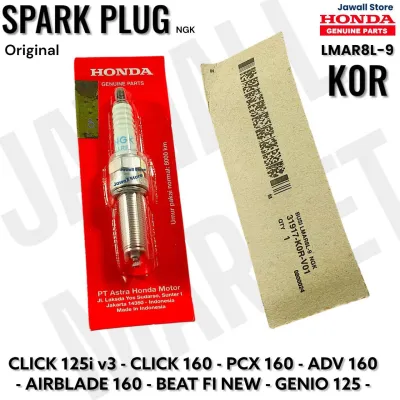
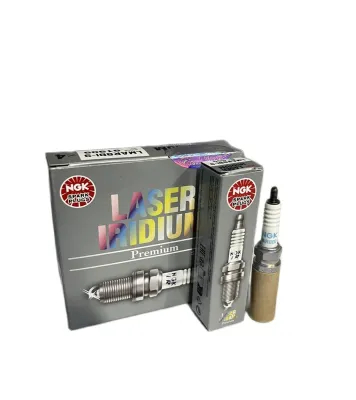
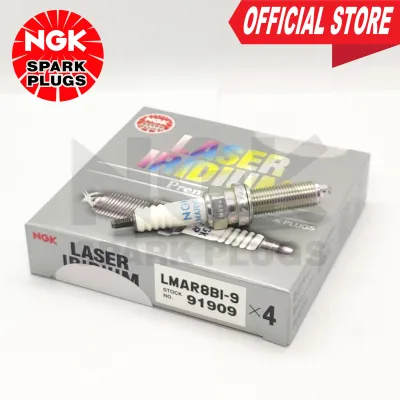
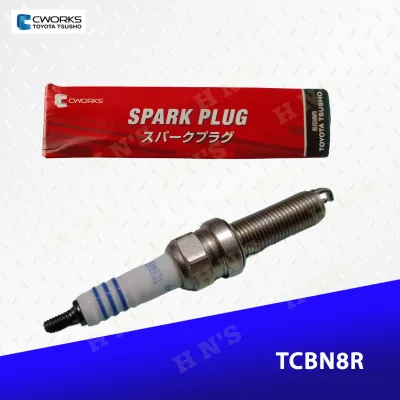
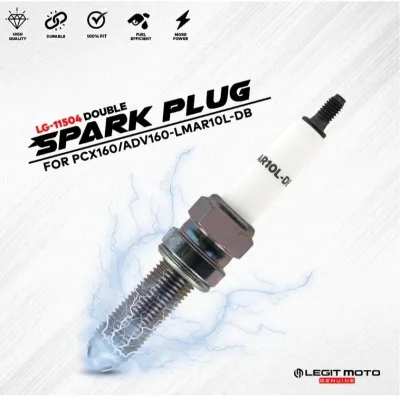
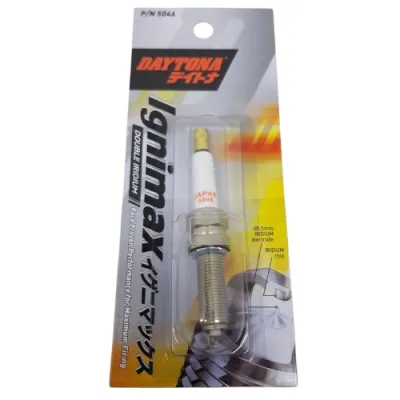
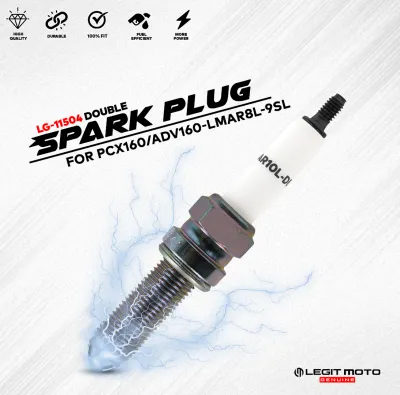
Prices are valid at publication and may change. Please refer to the product page for the latest price.

Standard (Copper/Nickel) Plugs These plugs feature a solid copper core surrounded by a nickel alloy casing. Copper is an excellent conductor of electricity and heat, which makes these plugs highly efficient at transferring energy. However, nickel is a relatively soft metal with a lower melting point compared to precious metals. This means the electrode tip gradually wears down and rounds off over time under intense heat and electrical pressure.
Platinum Plugs These plugs feature a small platinum disc welded to the tip of the center electrode. Platinum is significantly harder than nickel and has a much higher melting point. This allows the electrode to retain its sharp edge for a longer period, resisting wear and maintaining a consistent gap between the center and ground electrodes.
Iridium Plugs Representing the premium tier of spark plug technology, these plugs utilize an extremely hard precious metal called iridium for the center electrode tip. Iridium is roughly six times harder and has a melting point that is significantly higher than platinum. Because of this extreme durability, manufacturers can design iridium plugs with an incredibly fine center electrode tip, often measuring just 0.6 millimeters or less in diameter.
Relevance to the ADV 160 The Honda ADV 160 utilizes Honda’s advanced eSP+ (enhanced Smart Power+) engine, which features a high-compression, four-valve cylinder head designed for optimal combustion efficiency. This compact combustion chamber benefits greatly from a highly concentrated, precise spark. A finer electrode tip, such as that found on an iridium plug, requires less electrical voltage from the ignition coil to jump the gap. This reduces the electrical load on your scooter’s charging and ignition systems, which is highly beneficial during stop-and-go riding in heavy traffic.
Performance, Lifespan, and Maintenance Intervals Compared
When comparing how these three spark plug materials perform in real-world riding conditions, the differences become apparent in ignition consistency, longevity, and overall system strain.
Ignition Consistency The physical shape of the electrode plays a critical role in how easily a spark is created. A standard plug has a relatively wide, flat electrode that requires more electrical pressure to initiate a spark. Over time, as the nickel alloy wears down, the edges of the electrode become rounded, and the gap widens. This can lead to occasional misfires, sluggish throttle response, or rough idling. In contrast, the fine tip of an iridium plug concentrates the electrical field, allowing a strong, stable spark to form even under lower voltage conditions. This translates into smoother idling and more immediate throttle response when accelerating away from traffic lights.
Lifespan Expectations The rate of electrode wear directly dictates how often you need to replace your spark plug. Standard copper/nickel plugs wear out much faster because the nickel alloy is susceptible to spark erosion and chemical corrosion from combustion byproducts. As the gap slowly widens, the engine’s performance can subtly degrade without you noticing immediately. Iridium plugs, on the other hand, are exceptionally resistant to this wear, allowing them to maintain their precise gap dimension for a much longer period. While you should always consult your Honda ADV 160 owner’s manual for the official baseline inspection and replacement intervals, upgrading to an iridium plug can significantly extend the time between plug replacements, saving you from frequent teardowns.
Impact on the Ignition System Your scooter’s ignition coil is designed to generate the high-voltage pulse necessary to create a spark across the gap. If the spark plug gap becomes too wide due to electrode wear, the ignition coil must work much harder and generate higher voltage to bridge the increased distance. Over time, this constant extra strain can overheat the ignition coil, leading to premature failure of the coil or the ignition wires. By keeping the gap stable and requiring less voltage to spark, a high-quality iridium plug helps protect the delicate electrical components of your ADV 160’s ignition system from unnecessary wear and tear.
Cost vs. Value: Is the Iridium Upgrade Worth It?
Deciding whether to upgrade to a premium spark plug involves balancing the immediate purchase price against the long-term savings in maintenance time, labor, and peace of mind.
Upfront Cost Comparison Standard copper/nickel spark plugs are highly affordable and readily available at almost any motorcycle parts shop across the Philippines. In contrast, an iridium spark plug represents a much higher initial investment, often costing several times more than a basic standard plug. For riders on a tight budget, the low upfront cost of a standard plug is highly appealing, especially if they are comfortable performing their own basic maintenance.
Calculating Long-Term Value To determine the true cost of ownership, you must look beyond the initial purchase price and consider the cost of labor and frequency of replacement. If you do not perform your own maintenance and instead rely on a professional mechanic or a local service center, you will pay a labor fee every time your scooter is disassembled to inspect or replace the spark plug. Because standard plugs require more frequent replacements, the cumulative cost of labor and multiple standard plugs can quickly surpass the one-time cost of a single premium iridium plug that lasts for an extended period.
Time and Convenience Factor For many ADV 160 owners, the most significant benefit of an iridium plug is the convenience of not having to open up the scooter’s body panels as often. Accessing the spark plug on modern scooters requires removing plastic fairings and covers, which can be time-consuming and carries the risk of breaking plastic clips or scratching the paint. If you use your ADV 160 for daily commuting to work, ride-hailing services, or long-distance touring across provinces, minimizing the time your scooter spends in the workshop is a major advantage that easily justifies the cost of an iridium upgrade.
When to Skip the Upgrade There are certain scenarios where upgrading to an iridium plug may not make financial sense. If you plan to sell your Honda ADV 160 in the near future, you are unlikely to recoup the extra cost of a premium plug. Additionally, if you frequently ride in extremely dusty, muddy, or flooded conditions where water ingestion or severe contamination is a constant risk, you will need to open the engine and inspect the spark plug regularly regardless of the material. In such cases, using standard plugs and replacing them frequently is often the more practical approach.
Compatibility, Heat Range, and Safe Installation Rules
Before purchasing any spark plug for your Honda ADV 160, it is critical to understand that the electrode material is secondary to the physical specifications and heat range of the plug.
The Primacy of Heat Range and Thread Reach A spark plug must match the exact dimensions and thermal characteristics required by your engine. The “heat range” refers to the plug’s ability to transfer heat away from the combustion chamber to the cylinder head. If you install a plug that is too “hot” (meaning it retains too much heat), it can cause pre-ignition, where the air-fuel mixture ignites prematurely, leading to severe engine damage such as melted pistons. Conversely, if you install a plug that is too “cold,” it will not reach the temperature required to burn off carbon deposits, leading to rapid carbon fouling and misfires.
Verifying OEM Specifications Never assume that a spark plug is compatible simply because it is labeled for a “160cc scooter” or looks similar to your old plug. The Honda ADV 160 features a highly specific 157cc eSP+ engine that requires precise thread pitch, thread reach, and hex size. Always consult your official Honda ADV 160 owner’s manual or check with an authorized Honda dealer to verify the exact recommended part numbers and specifications before buying an aftermarket standard, platinum, or iridium plug.
Installation Risks and Safety Boundaries Replacing a spark plug may seem like a simple task, but it carries significant risks if done incorrectly. The cylinder head of your ADV 160 is made of aluminum, which is a relatively soft metal that can easily be damaged.
- Over-tightening: Applying too much torque when installing the spark plug can easily strip the threads in the aluminum cylinder head. Repairing stripped spark plug threads is a complex and highly expensive process that often requires disassembling the engine and installing a thread repair insert.
- Under-tightening: If the spark plug is not tightened sufficiently, it can allow combustion gases to leak past the threads, resulting in a loss of engine compression and localized overheating. In extreme cases, an under-tightened plug can vibrate loose and blow out of the cylinder head entirely while riding.
- Actionable Advice: To avoid these failures, always use a calibrated torque wrench to tighten the spark plug to the manufacturer's exact specification. Do not rely on hand-tightening or guessing the amount of turn, as this can easily lead to under- or over-torqueing. If you do not own a torque wrench or feel uncomfortable working on your engine, it is highly recommended to have a qualified professional mechanic perform the installation at a trusted service center.
Frequently Asked Questions (FAQ)
Will an iridium spark plug increase the top speed of my Honda ADV 160?
No, installing an iridium spark plug will not increase the top speed or add extra horsepower to your Honda ADV 160 beyond its factory-designed limits. A spark plug’s role is to initiate the combustion process, not to generate power on its own. What an iridium plug does is ensure that the fuel-air mixture is ignited with maximum consistency and efficiency, preventing misfires and ensuring that your engine operates at its peak potential. If your old spark plug was worn out, dirty, or improperly gapped, you might notice a restoration of lost power and smoother acceleration after installing a new iridium plug, but this is simply restoring the engine’s original performance rather than modifying it for more speed.
How do I know if my current spark plug needs replacing?
There are several common symptoms that indicate your Honda ADV 160’s spark plug may be worn out or fouled. You might experience difficulty starting the engine, especially during cold mornings or after the scooter has been parked in humid conditions. Other signs include a rough or unstable idle, a noticeable hesitation or lag when you twist the throttle, and a sudden, unexplained drop in fuel efficiency. The most reliable way to confirm the condition of your spark plug is through a visual inspection; look for a rounded or heavily eroded center electrode, heavy black carbon deposits on the tip, or wet oil fouling, which all indicate that the plug needs to be replaced.
Do I need to re-tune or remap the ECU after upgrading to an iridium spark plug?
No, you do not need to re-tune, remap, or adjust the Engine Control Unit (ECU) of your Honda ADV 160 after upgrading to an iridium spark plug. The fuel injection system and the stock ECU are designed to automatically monitor and adjust the ignition timing and fuel delivery based on real-time sensor data. As long as the new iridium plug matches the exact heat range and physical specifications recommended by Honda, the ECU will easily adapt to the slightly more efficient ignition characteristics without requiring any manual calibration or aftermarket tuning.
Community discussion
Share your experience or ask a question. Comments are reviewed before publication.