
Choosing the right support system for your vehicle is one of the most critical safety decisions you will make for your garage. The choice between steel and aluminum heavy-duty jack stands for cars hinges on balancing maximum durability and structural rigidity (steel) against portability and ease of handling (aluminum). Both materials can safely support vehicles when used strictly within their manufacturer-rated capacities, making the final decision dependent on your specific garage workflow, transport needs, and vehicle clearance requirements.
In tropical environments like the Philippines, where high humidity, coastal salt air, and sudden downpours are common, material selection also influences how well your equipment resists environmental wear over time. Whether you are lifting a compact sedan, a heavy SUV, or a utility pickup truck, understanding how these metals behave under load and exposure is essential. Before purchasing any lifting equipment, always consult your vehicle’s owner’s manual to verify its exact curb weight, weight distribution, and designated support points.
Core Differences: Steel vs. Aluminum Jack Stands
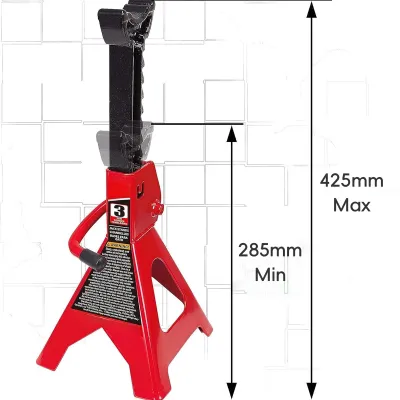
To make an informed choice, you must first understand the fundamental physical and structural distinctions between steel and aluminum. Steel is inherently denser and heavier than aluminum, which directly impacts the overall mass of the jack stand. A typical heavy-duty steel stand relies on its mass and thick walls to provide structural rigidity, making it feel exceptionally solid but also significantly heavier to lift and position under a chassis.
Products mentioned in this guide
943 Lazada user ratings
🔨Durability:Provides excellent stability, Secure double locking mechanism, 👌Ease of Use:easy to manuever when installed Thanks for this affo…Read full reviewShow less
🔨Durability:Provides excellent stability, Secure double locking mechanism, 👌Ease of Use:easy to manuever when installed Thanks for this affordable and durable jack stand.
Durable and sturdy construction, Provides excellent stability, Perfect for car maintenance, Easy to use and adjust, Reliable and trustworthy…Read full reviewShow less
Durable and sturdy construction, Provides excellent stability, Perfect for car maintenance, Easy to use and adjust, Reliable and trustworthy product,
Perfect for car maintenance, Great value for the price, No brand, but great quality, Red color adds a stylish touch,
Red color adds a stylish touch, Durable and sturdy construction,
Prices are valid at publication and may change. Please refer to the product page for the latest price.
Aluminum stands, by contrast, leverage the lower density of the metal to offer a much lighter alternative without sacrificing rated load capacity. Because aluminum is lighter, manufacturers often design these stands with different structural shapes, such as cylindrical pillars or flat-sided pyramids, to optimize strength-to-weight ratios. This difference in mass becomes highly noticeable when you are repeatedly moving a set of four stands around a workshop or lifting them in and out of a vehicle trunk.
The manufacturing methods for these two materials also differ substantially, affecting how they handle stress. Heavy-duty steel jack stands are typically constructed from stamped steel plates that are folded and welded together. The integrity of a steel stand relies heavily on the quality of these welds and the thickness of the sheet metal. Aluminum jack stands, on the other hand, are often made from cast aluminum or CNC-machined aluminum blocks, featuring anodized finishes and pinned support bars rather than welded joints.
Base footprint designs also vary between the two materials to accommodate their physical properties. Steel stands usually feature a four-legged design with welded feet, which can sometimes sink into softer surfaces like hot asphalt or damp soil. Aluminum stands often utilize a flat, solid circular or square base plate. This flat base distributes the vehicle’s weight more evenly across the ground, reducing the risk of the stand sinking or tipping on slightly uneven surfaces, though flat ground remains a strict safety requirement for both types.
Evaluating Durability and Load Capacity
When selecting heavy-duty jack stands, verifying the load capacity is your primary safety step. Never assume a stand’s capacity based on its material or visual size; instead, always read and verify the manufacturer load ratings printed on the product label. It is crucial to check whether the rating is per individual stand or per pair, as standards can vary. Your stands must feature a rated capacity that comfortably exceeds the corner weight of the vehicle you intend to lift.

Environmental factors play a massive role in the long-term durability of your stands, especially in warm, humid climates. Steel stands are highly susceptible to rust if their protective paint or powder coating becomes chipped or scratched. Moisture and road salt can quickly compromise the structural integrity of steel if corrosion is left unchecked. You must regularly inspect steel stands for bubbling paint, flaking metal, or deep rust pits, particularly around the welded seams and adjustment teeth.
Aluminum stands do not rust in the traditional sense, but they are subject to surface oxidation, which appears as a dull white powder. While this oxidation is often cosmetic, prolonged exposure to moisture and salt can lead to pitting corrosion that weakens the metal over time. Inspecting aluminum stands requires looking closely at the casting seams, the pin holes, and the anodized surfaces to ensure no deep pitting or hairline cracks have developed from stress or environmental exposure.
Visual inspection points differ slightly depending on the material’s manufacturing style. For steel stands, pay close attention to the welds connecting the legs to the central column and the condition of the ratchet teeth. Any chipped welds or rounded teeth are immediate safety hazards. For aluminum stands, inspect the machined pin holes for elongation or ovaling, and check the solid base plate for any signs of warping or hairline fractures that could indicate material fatigue.
Portability and Garage Workflow
The physical effort required to carry and position your jack stands directly affects your daily garage workflow. If you are a mobile mechanic, a track-day enthusiast, or someone with limited physical strength, the lightweight nature of aluminum stands is a major advantage. Carrying a pair of aluminum stands requires far less physical exertion, allowing you to position them precisely under the vehicle’s lift points without straining your back or shoulders.
Storage constraints in your home garage or vehicle trunk also dictate which material fits your lifestyle. Heavy-duty steel stands, with their wide four-legged bases, can be bulky and difficult to stack, taking up valuable floor or shelf space. Many aluminum stands feature a more compact, cylindrical design with removable support bars, allowing them to be disassembled or stacked neatly. This makes aluminum highly convenient for keeping in a vehicle’s trunk for roadside emergencies or storing in a tight garage cabinet.
Your choice should also align with your usage frequency and working environment. In a stationary professional workshop where stands are rarely moved far from the lift bay, the weight of steel stands is less of a drawback, and their lower cost makes them highly practical for daily, heavy-use environments. Conversely, if you perform occasional maintenance in a driveway, travel to off-site jobs, or need to pack your tools for weekend events, the portability of aluminum stands easily justifies their typical price premium.
Safety Standards and Inspection Checklists
Regardless of whether you choose steel or aluminum, strict safety protocols and inspection routines are non-negotiable before you crawl under a vehicle. Before purchasing, verify that the stands carry recognized certification labels and compliance marks on the packaging or the base, such as ASME PASE or equivalent standards. These marks indicate that the design has undergone rigorous load and stability testing.
Before every single use, perform a thorough check of the locking mechanisms. For ratchet-style steel stands, ensure the pawl engages deeply and securely into the teeth of the center column, and verify that any secondary locking pins or keys are fully functional. For pin-style aluminum stands, inspect the locking pin itself to ensure it is not bent, cracked, or worn, and verify that it passes completely through both sides of the support column to lock the height securely.
Proper placement is critical to prevent material deformation, vehicle damage, or catastrophic slips. Always refer to your vehicle’s owner’s manual to locate the designated lift and support points, which are typically reinforced pinch welds or frame rails. Position the saddle of the jack stand squarely beneath these points, ensuring the vehicle’s weight is centered directly over the stand’s vertical column. Never place a jack stand on suspension components, floor pans, or steering linkages, as these can bend or cause the stand to slip.
Establish a strict “zero-tolerance” policy for damaged equipment. You must immediately retire and destroy any jack stand that shows signs of structural compromise. This includes bent pins, cracked welds, elongated pin holes, rounded ratchet teeth, warped base plates, or severe deep rust. Never attempt to weld, straighten, or repair a damaged jack stand yourself, as home repairs cannot restore the original structural integrity required to safely support a multi-ton vehicle.
Decision Framework: Which Material Should You Choose?
To finalize your decision, evaluate your specific working conditions, budget, and vehicle requirements against the unique characteristics of each material.
Choose steel if:
- You prioritize maximum structural rigidity and a traditional, heavy-duty feel.
- Your work is primarily conducted in a fixed garage or workshop where you do not need to transport tools frequently.
- You are looking for a highly cost-effective solution for frequent, heavy lifting.
- You prefer the quick height adjustments offered by multi-tooth ratchet designs.
Choose aluminum if:
- You frequently transport your tools in a vehicle trunk or mobile service van.
- You value lightweight portability and want to minimize physical strain during setup and storage.
- You work on flat, hard surfaces where a solid, flat-bottomed base plate provides optimal stability.
- You prefer a pin-lock mechanism and a highly corrosion-resistant finish for humid or coastal environments.
Before making your purchase, verify your vehicle’s specific clearance limitations and frame designs. Some low-profile vehicles require stands with a very low minimum height, while lifted trucks require a high maximum reach. Ensure the saddle shape of the stand matches your vehicle’s lift points, and always double-check that the rated capacity of the stands matches or exceeds the requirements specified in your vehicle’s documentation.
Frequently Asked Questions (FAQ)
Can I use aluminum jack stands for long-term vehicle storage?
Jack stands are engineered primarily for active maintenance and repair work, not for indefinite static vehicle storage. While high-quality aluminum stands can support a vehicle safely during a repair, leaving a vehicle suspended on them for months can expose the locking pins and columns to continuous static stress and environmental oxidation. If you need to store a vehicle off its suspension for an extended period, consult the manufacturer’s guidelines for maximum continuous load limits, or consider using dedicated storage dollies, solid blocks, or tire cradles designed specifically for long-term storage.
Do heavy-duty jack stands require regular maintenance?
Yes, both steel and aluminum jack stands require regular maintenance to remain safe and functional over their lifespan. After use, clean the stands to remove grease, road grime, and moisture, paying close attention to the locking mechanisms, ratchet teeth, and pin holes. For steel stands, touch up any chipped paint promptly to prevent rust from taking hold. For both materials, physically test the locking mechanisms and secondary pins before every use, and never apply slippery lubricants or greases to the load-bearing surfaces or locking teeth, as this can compromise safety.
Community discussion
Share your experience or ask a question. Comments are reviewed before publication.