
Deciding whether to replace a stock scooter exhaust pipe with an aftermarket alternative often leaves riders caught between the desire for better performance and the fear of legal issues, high costs, or engine damage. Upgrading to an aftermarket scooter exhaust pipe is worth the investment only if you are willing to spend on professional tuning, prioritize a specific sound or aesthetic, and carefully navigate local road regulations; otherwise, keeping the stock exhaust remains the most reliable, cost-effective, and hassle-free choice for daily commuting. While the allure of a deeper exhaust note and a sportier look is strong, understanding how these systems differ structurally and mechanically is essential before making a purchase.
What Are the Structural Differences Between Stock and Aftermarket Exhausts?
Stock and aftermarket scooter exhaust pipes differ fundamentally in their engineering priorities, internal construction, and material composition. While original equipment manufacturer (OEM) units are built for durability, quiet operation, and strict emissions compliance, aftermarket alternatives focus on weight reduction, unrestricted gas flow, and visual customization. These design differences dictate not only how the scooter sounds but also how the engine breathes and handles heat over time.
Stock exhaust systems are typically constructed from heavy-duty steel or cast iron alloys. These materials are highly durable and resistant to physical impacts, but they add significant weight to the scooter. Internally, a stock exhaust features a complex network of baffling chambers, tubes, and sound-dampening materials designed to bounce sound waves around and cancel them out before they exit the tailpipe. Additionally, modern stock exhausts house a catalytic converter, a dense ceramic honeycomb structure coated with precious metals that chemically converts harmful exhaust gases into less toxic emissions. This restrictive internal path creates a specific level of backpressure, which scooter manufacturers use to optimize fuel efficiency and low-end torque for everyday riding conditions.
Products mentioned in this guide
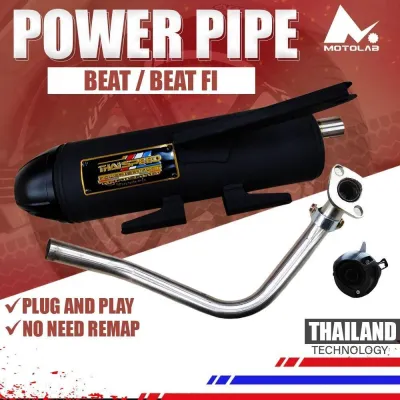
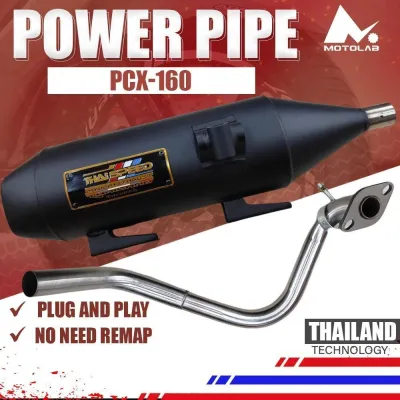
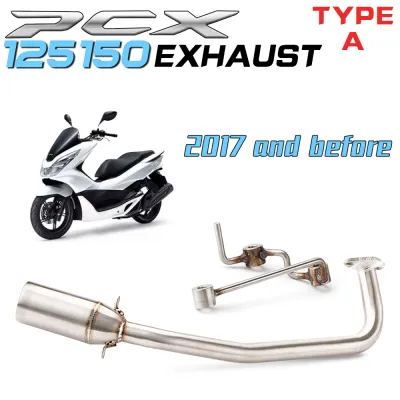
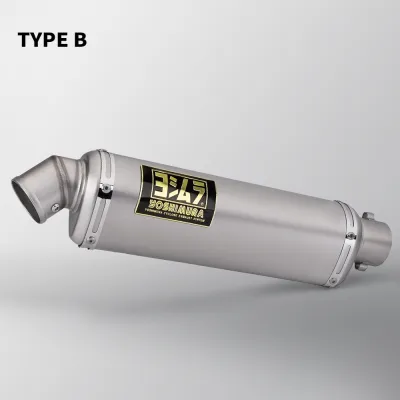
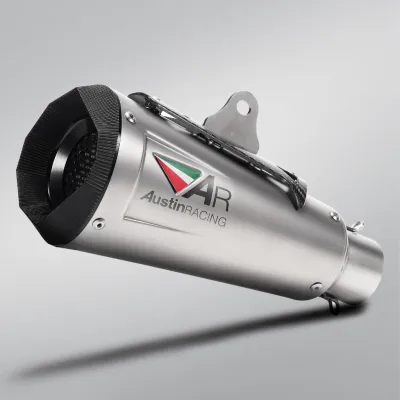
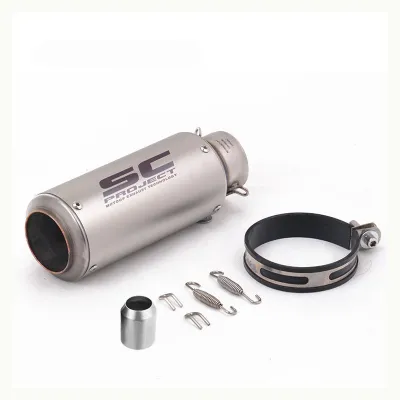
7 Lazada user ratings
the product is good condition there's no damagessssssssssssssssss at all and thank you very much sa nag deliver 🥰
5 star po dahel good na good po
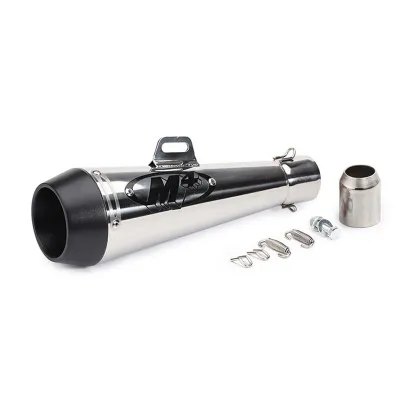
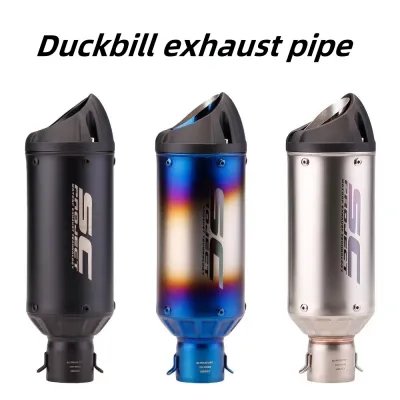
10 Lazada user ratings
the shipping time although was a quite late but when i handed the item its so amazing i didn't expect that's its so really nice,not yet inst…Read full reviewShow less
the shipping time although was a quite late but when i handed the item its so amazing i didn't expect that's its so really nice,not yet installed but positively it enhances the good looks of my bike, affirmative in my ratings and higjly recomended, so worthy for the price,.thank you seller and the courier..👍👍👍
🔨Durability:tough 🔌Compatibility:good ✨Aesthetics:nice
Maganda tunog talaga ng SC Project buo.
Prices are valid at publication and may change. Please refer to the product page for the latest price.
In contrast, aftermarket exhaust pipes prioritize a more direct path for exhaust gases. Many aftermarket systems feature a “straight-through” design where the internal baffling is replaced by a perforated core wrapped in sound-absorbing fiberglass packing. This design significantly reduces restriction, allowing exhaust gases to escape more quickly. To achieve weight savings, aftermarket manufacturers utilize lighter materials such as high-grade stainless steel, aluminum, carbon fiber, or titanium. A carbon fiber or titanium exhaust can weigh up to 50% less than a stock steel unit, which slightly improves the scooter’s power-to-weight ratio.
Beyond the internal structure, the external dimensions and header pipe designs differ. Aftermarket header pipes often have a slightly wider diameter or a tapered shape to facilitate better gas scavenging—the process of using the velocity of exiting exhaust gases to pull the next combustion charge into the cylinder. However, these structural changes mean that aftermarket pipes are highly sensitive to fitment. Before purchasing any aftermarket exhaust, you must verify the exact physical mounting points, bracket alignments, and gasket requirements against your scooter’s specific make, model, and production year. Inferring compatibility based on generic category terms can lead to exhaust leaks, poor engine performance, or physical damage to the scooter’s frame.
How Does an Aftermarket Scooter Exhaust Pipe Change Performance and Sound?
Installing an aftermarket scooter exhaust pipe alters the engine’s backpressure, which shifts the power delivery curve and significantly increases the volume and tone of the exhaust note. However, simply bolting on a new pipe rarely yields noticeable performance gains without corresponding adjustments to the scooter’s fueling and transmission systems. Understanding the relationship between exhaust flow, engine tuning, and acoustics will help you set realistic expectations for your upgrade.

When you replace a restrictive stock exhaust with a free-flowing aftermarket pipe, the reduction in backpressure changes how the engine breathes. This modification typically shifts the power delivery curve, often increasing power at higher engine speeds (RPM) while slightly reducing torque at lower RPMs. For a standard automatic scooter utilizing a Continuously Variable Transmission (CVT), this shift can alter how the vehicle accelerates from a complete stop. Without proper tuning, you might experience a sluggish launch followed by a sudden surge of power once the engine reaches higher revs. To achieve a balanced and smooth power delivery, you must look for dyno charts and manufacturer specifications specific to your exact scooter model to see how the pipe alters the torque curve.
To unlock any actual performance benefits and protect your engine, complementary modifications are almost always required. Because an aftermarket exhaust allows air to exit the engine more rapidly, it can cause the engine to run “lean,” meaning there is too much air and too little fuel in the combustion chamber. A lean-running engine runs hotter, which can lead to spark plug damage, valve burning, or piston seizure over time. To correct this, scooters with carburetors must undergo rejetting—replacing the internal fuel jets with larger sizes to increase fuel flow. Modern fuel-injected scooters require ECU remapping or the installation of an aftermarket fuel controller to adjust the fuel injection map. Additionally, tuning the CVT with different variator roller weights and clutch springs is often necessary to keep the engine operating within its new, optimized powerband.
Acoustically, the difference between stock and aftermarket pipes is immediate and dramatic. Stock exhausts are engineered to keep the scooter as quiet as possible, producing a muted, high-pitched hum. Aftermarket pipes, due to their straight-through design and minimal baffling, produce a much louder, deeper, and throatier exhaust note. While many riders find this deeper tone appealing, the increased volume can become tiring on long rides and may cause friction in quiet residential areas. Many high-quality aftermarket manufacturers include a removable baffle, commonly known as a “dB killer,” which allows riders to manually adjust the sound output to a more socially acceptable level.
What Are the Legal, Warranty, and Safety Implications of Upgrading?
Upgrading your scooter’s exhaust pipe introduces significant legal, warranty, and safety considerations that can affect your vehicle’s road legality and long-term reliability. In the Philippines, strict regulations govern exhaust noise levels and emissions, making compliance a primary concern for any rider modifying their machine. Ignoring these boundaries can result in costly fines, failed inspections, or safety hazards on the road.
The Land Transportation Office (LTO) and various local government units enforce strict noise limits for motorcycles and scooters. Under current regulations, exhaust systems must not exceed specific decibel limits—typically capped around 99 decibels when measured at a designated distance and engine speed. Many aftermarket exhausts, especially budget options or those run without a dB killer, easily exceed this limit. Getting apprehended by law enforcement or traffic enforcers for an excessively loud exhaust can lead to steep fines, the confiscation of the non-compliant pipe, or even the temporary impoundment of your scooter.
Emissions compliance is another critical legal hurdle. Because stock exhausts contain integrated catalytic converters, they are highly effective at reducing carbon monoxide and unburnt hydrocarbon emissions. Most aftermarket exhausts omit the catalytic converter entirely to maximize gas flow and reduce manufacturing costs. Removing this component means your scooter will emit significantly higher levels of pollutants, which can cause it to fail the mandatory emission testing required during your annual LTO registration renewal. Operating a vehicle that fails emissions standards is illegal and contributes to urban air pollution.
From a manufacturer perspective, installing a non-OEM exhaust pipe can have immediate consequences for your vehicle’s warranty. Scooter manufacturers design their warranties to cover defects in original parts under normal operating conditions. Installing an aftermarket exhaust alters the engine’s operating parameters, such as operating temperature and backpressure. If you experience an engine failure, electrical malfunction, or fuel system issue after installing an aftermarket pipe, the authorized dealer may void specific sections of your factory warranty, leaving you responsible for expensive repair bills. Always read your scooter’s warranty manual and consult with your dealer before performing any modifications.
Finally, physical safety must not be overlooked during installation. An exhaust pipe gets extremely hot during operation, and its routing is critical. You must ensure that the aftermarket pipe is designed specifically for your scooter model so that it does not interfere with the rear suspension travel, the rear brake lines, the center stand, or the passenger footpegs. A poorly positioned pipe can melt nearby plastic bodywork, pinch or overheat hydraulic brake lines, or reduce your scooter’s ground clearance, causing the pipe to scrape against the pavement during sharp turns and potentially causing a crash.
What Are the True Costs of an Exhaust Upgrade Including Installation?
The true cost of upgrading a scooter exhaust pipe extends far beyond the initial purchase price of the part itself, often requiring additional funds for proper installation, tuning, and ongoing maintenance. While a basic stock replacement is relatively inexpensive, a complete aftermarket transition can become a major financial commitment. Understanding these expenses beforehand prevents unexpected budget strain.
To begin, the purchase price of the exhaust pipe itself varies widely based on the brand, materials, and design. A standard OEM replacement pipe typically costs between ₱1,500 and ₱5,000, depending on the scooter’s engine displacement. Entry-level aftermarket pipes, often made of basic stainless steel or aluminum, generally range from ₱3,000 to ₱8,000. Premium, branded full-system exhausts constructed from high-grade stainless steel, carbon fiber, or titanium can easily cost anywhere from ₱15,000 to over ₱30,000. These premium options are engineered with tighter tolerances and better materials, but they represent a substantial upfront investment for a scooter.
Beyond the pipe itself, professional installation is a highly recommended expense. While some riders attempt a do-it-yourself installation, securing a proper, leak-free seal at the engine port requires specific tools and expertise. Professional labor costs can range from ₱500 to ₱1,500. During installation, you must also purchase a new exhaust gasket, which typically costs between ₱100 and ₱300. Reusing an old, compressed gasket almost always results in exhaust leaks, which cause popping noises, loss of power, and potential engine damage.
The secondary cost of engine tuning is perhaps the most overlooked expense. As established, altering the exhaust flow requires adjusting the fuel delivery to prevent a lean-running condition. For carbureted scooters, a jet kit and the labor to tune the carburetor can cost between ₱1,000 and ₱2,500. For fuel-injected scooters, an ECU remap or the installation of a piggyback fuel controller can cost anywhere from ₱3,000 to ₱10,000 or more. If you also need to tune the CVT with new roller weights and springs to match the new powerband, expect to spend an additional ₱1,000 to ₱3,000.
Finally, consider the long-term financial impacts. An aftermarket exhaust can alter your scooter’s fuel efficiency; a freer-flowing exhaust combined with richer fueling and more aggressive riding (to hear the exhaust note) often leads to increased fuel consumption. Additionally, premium aftermarket exhausts are highly visible and desirable, making them prime targets for theft. You may need to invest in additional security measures, such as high-quality locks or secure parking, to protect your investment.
How Do You Decide Which Scooter Exhaust Pipe Fits Your Riding Needs?
Choosing between a stock and an aftermarket scooter exhaust pipe depends on your primary usage, budget, and willingness to manage vehicle modifications. Aligning your choice with your daily riding habits ensures you do not compromise the reliability or legality of your scooter. By evaluating your specific needs against the characteristics of each option, you can make a practical and satisfying decision.
For daily commuters, delivery riders, and those who rely on their scooter as a primary, hassle-free mode of transportation, sticking with the stock exhaust is highly recommended. The stock pipe offers unmatched reliability, quiet operation that keeps you on good terms with neighbors and law enforcement, and optimal fuel economy. It also preserves your factory warranty and ensures you will pass annual emissions testing without any extra steps or expenses. The stock exhaust is a “set-and-forget” component that requires virtually no maintenance beyond occasional cleaning and checking for rust.
Conversely, an aftermarket exhaust upgrade is best suited for enthusiasts, hobbyists, or track riders who prioritize customization, aesthetics, and sound. If you enjoy tuning your vehicle, have the budget for professional installation and fueling adjustments, and understand how to manage decibel levels responsibly, an aftermarket pipe can provide a rewarding ownership experience. It allows you to personalize your scooter’s appearance and enjoy a more engaging, sportier exhaust note during weekend rides or closed-course events.
If you decide to proceed with an aftermarket upgrade, use this quick checklist to verify your purchase before spending any money:
- Model-Specific Fitment: Confirm the exhaust is designed specifically for your scooter's exact make, model, and engine displacement year, rather than a generic "universal" fit.
- Material Quality: Choose high-grade stainless steel, aluminum, or carbon fiber from reputable manufacturers to prevent premature rusting, cracking, or packing blowout.
- Decibel Compliance: Ensure the exhaust system includes a removable dB killer or silencer to help keep noise levels within legal limits.
- Local Support: Verify that replacement gaskets, mounting brackets, and repacking materials are readily available locally or online.
- Tuning Readiness: Confirm you have access to a qualified mechanic who can perform the necessary carburetor jetting or ECU remapping immediately after installation.
Ultimately, prioritizing safe, professional installation and legal compliance over maximum loudness or unverified performance claims will ensure your scooter remains a reliable, enjoyable, and road-legal machine for years to come.
Community discussion
Share your experience or ask a question. Comments are reviewed before publication.