
Riding a motorcycle or bicycle through a sudden tropical downpour requires gear that goes far beyond a standard casual windbreaker. When traveling at speed, wind-driven rain acts like a pressure washer, forcing water through tiny gaps, standard zippers, and weak seams. To stay dry during intense monsoons, riders must prioritize a stormproof raincoat equipped with extended back coverage, secure adjustable seals at the extremities, strategic mechanical ventilation, and high-visibility reflective elements.
Why Standard Rain Gear Fails During Heavy Commutes
When walking, rain falls vertically, and the body remains upright. When riding, the posture shifts forward, exposing the chest, shoulders, and thighs directly to the oncoming storm. The velocity of the ride transforms a moderate drizzle into a high-pressure spray that easily penetrates standard zippers and non-taped seams.
Sitting on a motorcycle or bicycle saddle creates a natural pocket where water pools. This “water dam” effect concentrates moisture right at the crotch and lower torso. Standard rain jackets are too short to cover this area, allowing pooled water to seep upward and soak undergarments within minutes.
Products mentioned in this guide
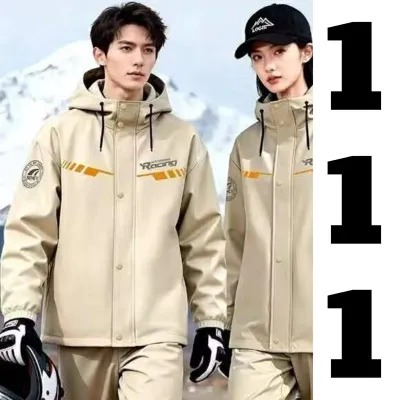
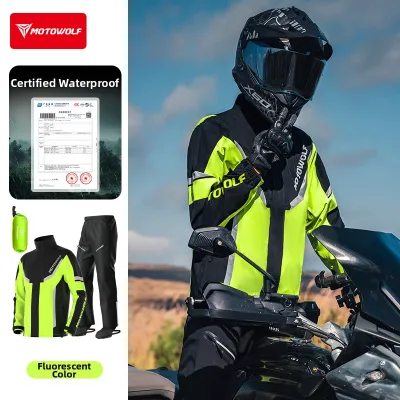
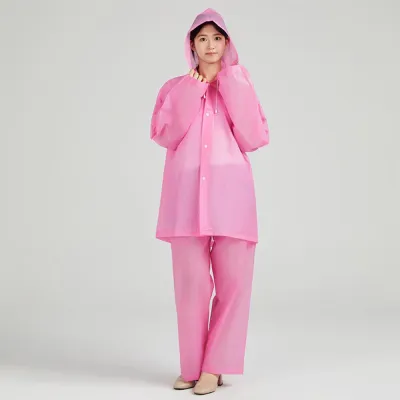
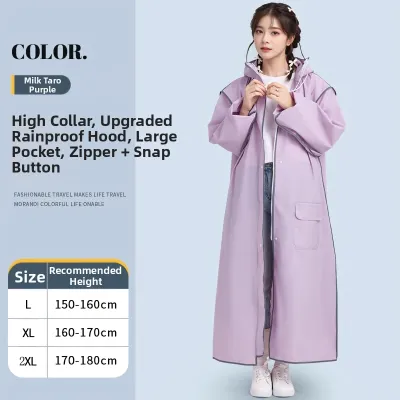
Prices are valid at publication and may change. Please refer to the product page for the latest price.
Generic waterproof jackets also lack the tailored fit required for active riding. They tend to balloon at high speeds, creating aerodynamic drag and pulling the sleeves up the forearms. A riding-specific cut is engineered to stay close to the body while accommodating the reach to the handlebars.
Essential Stormproof Design Features for Riders
Selecting the right stormproof raincoat requires looking past basic waterproof labels to evaluate the physical architecture of the garment. A true riding raincoat is built to withstand both external water pressure and internal moisture buildup.

To find a jacket that performs under pressure, riders must assess three core areas: coverage across the riding posture, the integrity of the seals at the neck, wrists, and ankles, and the airflow systems that prevent a humid interior.
Extended Back Coverage and Riding-Specific Cut
A dropped tail hem is a critical feature for anyone leaning forward over handlebars. This extended rear fabric drapes over the lower back and the upper portion of the seat, preventing water from spraying up from the rear tire and finding its way under the jacket.
Look for garments featuring articulated shoulders and pre-curved sleeves. These design elements match the natural reach of a rider, ensuring the sleeves do not pull back and expose the wrists when gripping the handlebars.
Conversely, the front hem of the jacket should be slightly shorter or adjustable. A front hem that is too long will bunch up in the lap, creating a fold where water can pool and eventually seep through the main zipper.
Secure Cuffs, Collars, and Ankle Seals
The extremities of rain gear are the primary entry points for wind-driven water. Look for adjustable hook-and-loop straps or heavy-duty snap cuffs at the wrists. These allow riders to create a tight seal either over the gauntlets of riding gloves or tucked securely underneath them, depending on the glove style.
The collar must be high enough to cover the neck completely, fitting snugly just beneath the helmet line. A secure chin guard and an integrated storm flap over the collar zipper prevent water from running down the neck and soaking the chest.
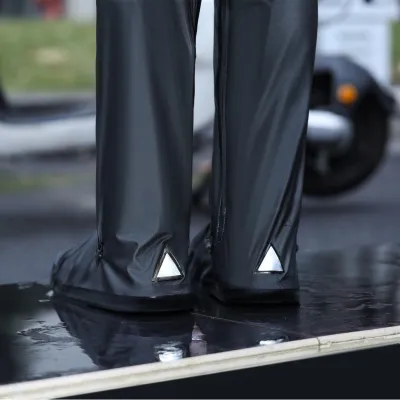
For riding pants, check for ankle zippers or snap adjustments that allow the pants to slip over bulky riding boots or shoes. Integrated stirrups are highly beneficial, as they keep the pant legs from riding up and exposing the ankles to road spray.
Strategic Ventilation to Manage Condensation
In hot and humid tropical climates, staying dry from the rain is only half the battle; riders must also avoid getting soaked from their own sweat. A completely sealed plastic jacket quickly turns into a humid greenhouse, especially during the physical exertion of bicycling.
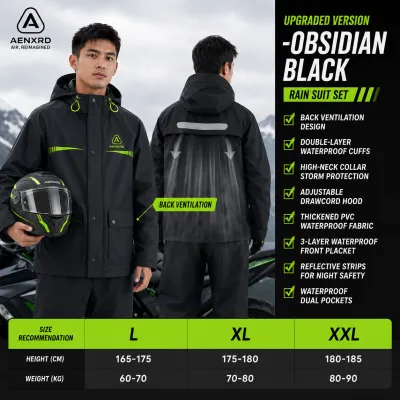
Look for raincoats equipped with underarm pit zips, back vents, or core ventilation channels. These openings must be shielded by fabric flaps or water-resistant zippers to ensure that air can circulate freely without allowing wind-driven rain to enter.
While breathable membranes help transport moisture vapor away from the skin, they can become overwhelmed during heavy downpours or high-humidity conditions. Mechanical venting—such as open back flaps—provides a reliable way to dump heat and moisture when the fabric’s breathability reaches its limit.
Visibility and Safety Elements for Low-Light Rides
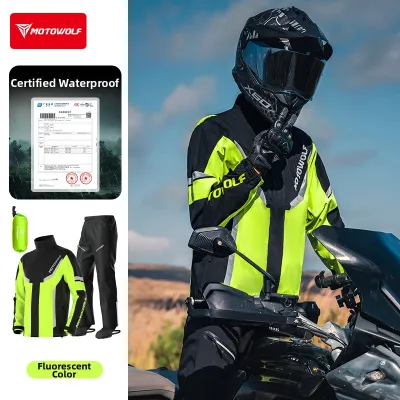
Heavy downpours drastically reduce visibility for all road users, making high-visibility gear a critical safety requirement. Choose a stormproof raincoat in high-contrast colors, such as neon yellow, bright orange, or high-visibility green, to stand out against gray skies and dark asphalt.
Ensure the jacket features retroreflective taping across the back, shoulders, and sleeves to provide 360-degree visibility under headlight beams. These reflective strips rely on micro-prismatic technology to bounce light directly back to motorists, even in torrential rain.
When evaluating reflective placement, consider daily carrying habits. If you regularly ride with a backpack, look for jackets with reflective elements on the sleeves, lower back, and hood, ensuring safety features are not hidden beneath luggage.
Material and Seam Construction Standards
To verify the waterproof capability of a raincoat, check the manufacturer’s specifications for its hydrostatic head rating, which measures the water pressure the fabric can withstand before leaking. For heavy, wind-driven downpours, look for ratings of 10,000 mm or higher.
Even the most waterproof fabric will fail if the seams are poorly constructed. Ensure the raincoat features fully taped or welded seams, where a waterproof tape is heat-sealed over the interior stitching to block every needle hole.
The outer face fabric must also be durable enough to resist abrasion from road debris and the constant friction of riding gear. Look for high-denier nylon or polyester face fabrics that can withstand the physical demands of daily commuting without tearing or wearing thin.
Sizing and Layering for Active Riding
When choosing a size, avoid buying a raincoat that fits too snugly over a simple t-shirt. You must size up sufficiently to accommodate daily riding gear, including armored jackets, thick sweaters, or office wear, without restricting your range of motion.
Look for adjustable waist cords, hem drawcords, or side straps that allow you to cinch the excess fabric. This prevents the jacket from flapping violently at high speeds, which can distract you and cause premature wear on the fabric.
Before finalizing a purchase, verify that the collar and cuffs can still close securely when layered over your thickest riding jacket and gloves. A tight, comfortable fit at these transition points is essential for maintaining a complete waterproof barrier.
Frequently Asked Questions (FAQ)
How do I properly clean and maintain a stormproof raincoat?
Always consult the manufacturer’s care label before washing a stormproof raincoat. Generally, you should wash the garment using a specialized technical liquid detergent formulated for waterproof outerwear, avoiding standard household detergents and fabric softeners that can clog breathable membranes. Over time, the factory-applied Durable Water Repellent (DWR) coating will wear off; when water stops beading on the surface, apply a spray-on or wash-in DWR replenishing treatment to restore its performance.
Can I use a motorcycle rain suit for bicycle commuting?
While a motorcycle rain suit offers excellent waterproofing and high durability, it is often too heavy and lacks the necessary breathability for bicycle commuting. The physical exertion of cycling generates significant body heat, which can lead to severe overheating and internal condensation inside a heavy motorcycle suit. Additionally, motorcycle gear is cut for a more static riding posture, which may restrict the active leg movement required for pedaling.

Community discussion
Share your experience or ask a question. Comments are reviewed before publication.