
Selecting a magnetic FM transmitter with sufficient holding strength requires looking beyond simple pull-force marketing claims. The ultimate stability of your device relies on a three-part system: the transmitter’s internal magnet grade, the structural design of its car-side mounting base, and the surface area of the phone-side magnet plate. Because there are no standardized, independent third-party certifications for car mount pull-force, buyers cannot rely solely on promotional weight ratings. Instead, a reliable choice must be based on verifiable specifications, such as high-grade neodymium magnets, closed magnetic circuit configurations, and a mounting base that matches your vehicle’s specific interior layout.
Key Dimensions for Comparing Magnetic Holding Strength
To understand what makes a magnetic mount secure, it is essential to look at the engineering behind the magnetic connection. The primary driver of holding force is the grade of the magnets used inside the transmitter head. Neodymium (NdFeB) magnets are classified by their maximum energy product, typically ranging from N35 to N52. Transmitters built with N52 neodymium magnets offer the highest magnetic energy density available in consumer electronics, providing a substantially tighter grip than those using lower N35 grades. Furthermore, high-quality mounts utilize a closed magnetic circuit, such as a Halbach array. This specific arrangement of alternating magnetic poles concentrates the magnetic flux entirely toward the front face of the mount, maximizing the holding force on your phone’s magnet plate while preventing electromagnetic leakage from interfering with the transmitter’s FM signal or your phone’s internal antennas.
The physical dimensions of the contact surface also play a critical role in preventing your phone from slipping. A larger magnetic head distributes the holding force across a wider surface area of the receiving metal plate. This distribution is particularly important for larger, heavier smartphones that weigh over 200 grams. When a heavy phone is subjected to vertical vibrations, a small contact area acts as a pivot point, allowing the phone to rotate and slide off. A broader contact surface increases shear resistance, ensuring the phone remains upright and stable.
Products mentioned in this guide


Prices are valid at publication and may change. Please refer to the product page for the latest price.
Beyond pure magnetic pull, vibration damping is key to surviving rough driving conditions. High-quality transmitters feature a thick, textured silicone pad on the mounting face rather than bare plastic. This silicone increases the coefficient of friction, absorbing micro-shocks and preventing the smooth metal plate or phone case from sliding against the mount. Additionally, the ball joint connecting the magnetic head to the mounting base must feature a heavy-duty tension collar. If this joint lacks sufficient locking force, even the strongest magnet will fail as the entire head droops and sags when driving over potholes, concrete joints, or speed bumps.
Mounting Base Comparison: Vent Clip vs. Dashboard
The physical connection between the transmitter base and your vehicle’s interior is often the actual failure point of a magnetic mount. Air vent clips are highly popular because they keep the phone within your direct line of sight and allow the vehicle’s air conditioning to cool the device during hot drives. However, traditional spring-loaded clamp clips frequently slip off, especially on thin or slick plastic vent blades. Hook-style vent clips offer a far more secure alternative; they utilize a metal hook that extends behind the vent blade and retracts via a manual screw mechanism, clamping tightly onto the blade structure. When considering a vent mount, you must inspect your vehicle’s specific AC vents, as their stability depends heavily on the thickness, angle, and material of the blades. Rounded or vertical vents often cannot support hook-style clips safely.

Dashboard mounts, which utilize either suction cups or adhesive pads, offer greater flexibility in placement but introduce thermal challenges. Suction cup bases rely on a vacuum seal combined with a sticky polyurethane gel. In tropical climates with high humidity and intense sunlight, cabin temperatures can easily exceed 60°C when parked. This extreme heat can dry out the sticky gel and cause the vacuum seal to fail, sending the mount and transmitter crashing down. Double-sided acrylic adhesive pads (such as 3M automotive tape) provide a much stronger, heat-resistant bond. The trade-off is that these aggressive adhesives can damage soft-touch plastics, leather, or textured vinyl dashboards upon removal. Always check your vehicle’s interior care documentation and dashboard specifications before applying permanent adhesives.
For vehicles equipped with an unused CD player slot, CD slot mounts present an exceptionally stable, vibration-free alternative. These mounts insert an expandable plastic blade directly into the CD slot, which is then tightened using a thumb screw to lock the base firmly into the vehicle’s rigid dashboard frame. This design bypasses the structural weaknesses of delicate AC vent blades and the thermal vulnerabilities of dashboard adhesives, keeping the transmitter perfectly secure even on severely degraded road surfaces.
Magnet Plate Options and Wireless Charging Trade-offs
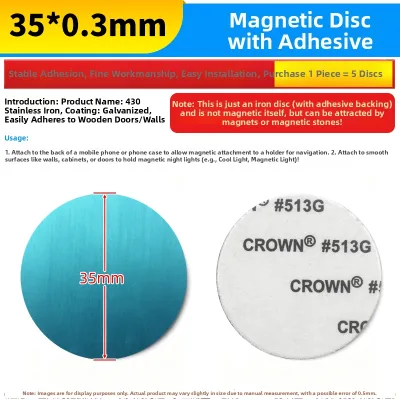
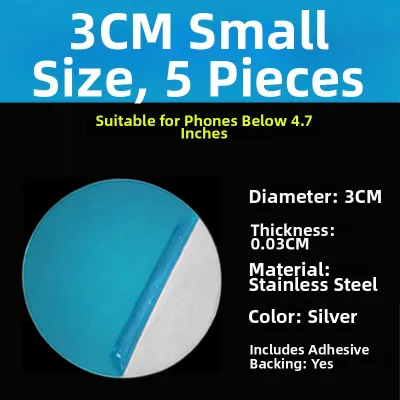
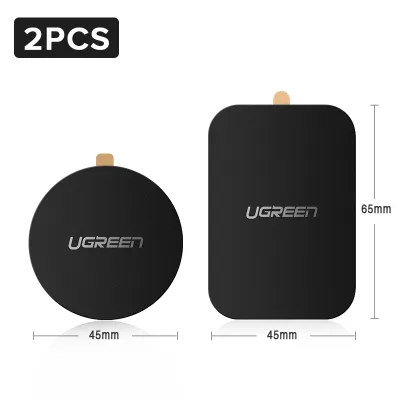
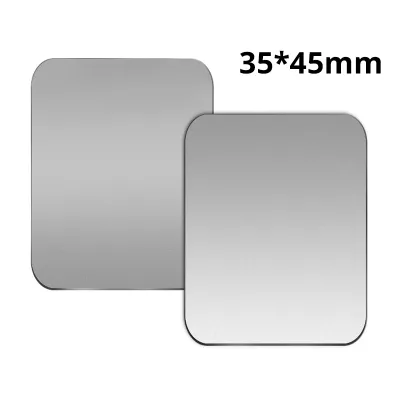
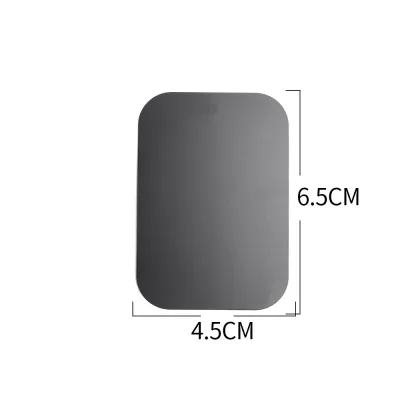
To establish a secure magnetic connection, your phone must have a compatible ferromagnetic surface. The most common solution is sticking a thin, adhesive metal magnet plate directly to the back of your phone or its protective case. While highly effective and cost-efficient, these plates can disrupt the clean aesthetic of your device and may peel off over time due to humidity and hand oils. An alternative is using a specialized phone case with an integrated magnetic ring or plate hidden within its layers, which provides a flat, uniform surface for the transmitter’s magnets to grip without exposing raw metal.
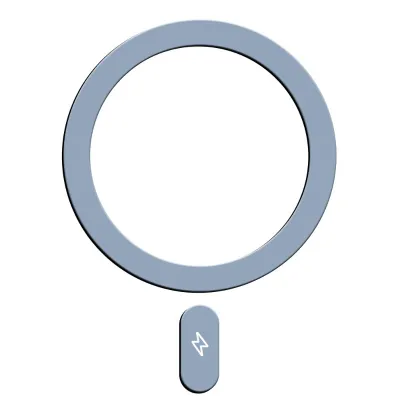
For users of modern smartphones equipped with built-in magnetic rings, selecting a MagSafe-compatible FM transmitter is a superior choice. These transmitters feature a circular magnet array that aligns perfectly with the phone’s internal magnetic structure. This eliminates the need to attach an external adhesive magnet plate to your device, offering a clean, seamless, and highly secure connection designed specifically to handle the phone’s weight and balance.
A major drawback of traditional solid metal adhesive plates is their interference with wireless charging. Because solid metal blocks electromagnetic induction, placing a standard metal plate in the center of your phone will prevent Qi wireless chargers from functioning and can cause dangerous heat buildup. To mitigate this issue, you can position a smaller rectangular plate on the lower third of your phone, keeping the central induction coil clear. Alternatively, you can utilize an open-ring magnetic design or stick the metal plate onto a thin, easily removable plastic case that you only use while driving.
Decision Framework: Which Magnetic Mount Fits Your Car?
Selecting the right magnetic FM transmitter requires matching the mount’s design to your vehicle’s interior layout, your phone model, and your local driving environment.
- Choose a Vent Clip with a Hook Design if: Your vehicle has sturdy, horizontal AC vents and you want a non-damaging installation that can be easily removed or transferred. This setup is ideal for keeping your phone cool under the direct flow of air conditioning during long, hot midday drives.
- Choose a Dashboard Adhesive Mount if: Your car features rounded, vertical, or highly fragile circular vent blades that cannot support weight, and you prefer a fixed, high-visibility mounting position. Always verify that the adhesive is rated for high-temperature resistance and is compatible with your dashboard's surface material to avoid permanent damage.
- Choose a MagSafe-Compatible Transmitter if: You own a modern smartphone with built-in magnetic rings or use a high-quality magnetic case, allowing you to bypass external adhesive plates entirely while securing a perfectly centered, high-strength hold.
- Verify First if: Your vehicle is regularly parked in open areas exposed to intense tropical heat and direct sunlight. In these conditions, avoid suction-cup dashboard mounts, as the thermal expansion of air and degradation of the sticky gel will inevitably cause the mount to fail. Instead, prioritize mechanical hook vent clips or high-grade 3M adhesive pads designed for high-temperature automotive applications.
Installation and Safety Guidelines for Magnetic Mounts
Proper installation is vital to prevent the mount or phone from detaching while driving, which can create a severe safety hazard. Before applying any adhesive pad or sticking a metal plate to your phone case, clean the target surface thoroughly using isopropyl alcohol. This step removes invisible oils, dust, and dashboard protectants that prevent adhesives from bonding. Be sure to check your vehicle’s dashboard manufacturer care instructions first to ensure the cleaning agent is safe for the surface material. Always verify vehicle model, interface, dimensions, mounting position, road legality, and safety impact from the specific product and vehicle documentation before final placement.
Once the adhesive pad or metal plate is pressed firmly onto the clean surface, do not use it immediately. The acrylic foam adhesives used in automotive mounts require time to flow into the microscopic textures of the surface and build a permanent bond. Allow the adhesive to cure for at least 12 to 24 hours before attaching the weight of the transmitter or phone. Subjecting the fresh adhesive to shear forces too early is the leading cause of premature mount failure.
Additionally, position your magnetic mount so that it does not block your windshield visibility, obstruct any dashboard displays, or interfere with the deployment zones of your vehicle’s airbags. Refer to your original-vehicle instructions to confirm safe mounting boundaries. Avoid placing the phone in direct, prolonged sunlight behind the glass, as the greenhouse effect inside a car can quickly trigger thermal shutdown on your smartphone, degrade the internal battery health, and weaken the adhesive backing of your mount.
Frequently Asked Questions (FAQ)
Will a magnetic FM transmitter mount damage my phone's internal components?
No, modern smartphones utilize solid-state flash memory and are entirely unaffected by the static magnetic fields generated by neodymium car mounts. Older mechanical hard drives were sensitive to magnets, but modern mobile electronics do not contain magnetic storage. You may, however, notice temporary interference with your phone’s internal digital compass while it is directly attached to the mount, which can cause navigation apps to momentarily lose track of the direction your vehicle is facing. This does not affect GPS location accuracy, and the compass will return to normal operation once the phone is removed from the magnetic field.
Can I use a magnetic mount with a thick protective case?
Using a standard, thick protective case without a built-in magnetic ring will significantly weaken the magnetic holding force. Magnetic force decreases exponentially with distance; even a few millimeters of plastic or leather barrier can reduce the pull force to unsafe levels, causing your phone to fall when driving over speed bumps or rough roads. To ensure a secure hold, you should use a case specifically designed with an integrated magnetic ring, stick the adhesive metal plate directly onto the exterior of your thick case, or temporarily remove the case when mounting the phone.

Community discussion
Share your experience or ask a question. Comments are reviewed before publication.