
Operating a Subaru in the Philippines presents unique challenges for your vehicle’s cooling system. The combination of year-round tropical heat, high humidity, and grueling stop-and-go traffic in major urban centers like Metro Manila or Cebu places an immense thermal load on the engine. Unlike temperate regions where antifreeze properties prevent freezing during winter, the primary role of coolant in a tropical climate is heat dissipation and robust corrosion protection. Selecting the correct coolant specification is vital to safeguard your Subaru’s signature boxer engine from overheating, internal corrosion, and premature component failure.
To keep your vehicle running efficiently, you must look beyond generic coolant bottles and focus on the precise chemical formulations and physical properties required by your engine’s design. Subaru engines utilize aluminum cylinder heads and engine blocks, which are highly sensitive to chemical imbalances and improper fluid mixtures. Understanding how tropical conditions interact with your cooling system allows you to make informed decisions at the auto supply shop or service center, ensuring your vehicle remains reliable even during the hottest dry-season months.
How Tropical Heat Affects Your Subaru's Cooling System
The tropical climate of the Philippines subjects vehicles to sustained high ambient temperatures, often exceeding 35°C during the dry season. For a Subaru, this external heat is compounded by the unique layout of the boxer engine, which sits low in the engine bay and relies on efficient, uninterrupted heat transfer to maintain optimal operating temperatures. When you are idling in heavy traffic on EDSA or climbing the steep inclines of Baguio, the cooling system must work significantly harder to reject heat into the warm surrounding air. This constant thermal stress accelerates the degradation of both the engine oil and the coolant.
Products mentioned in this guide
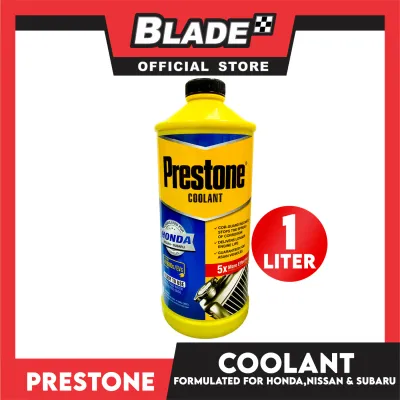
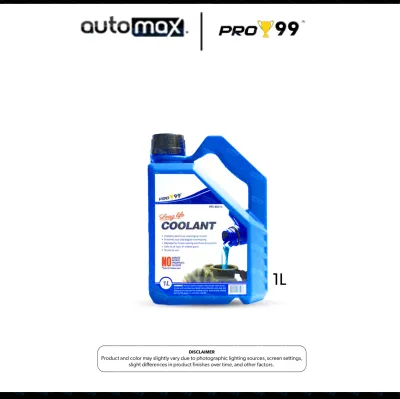
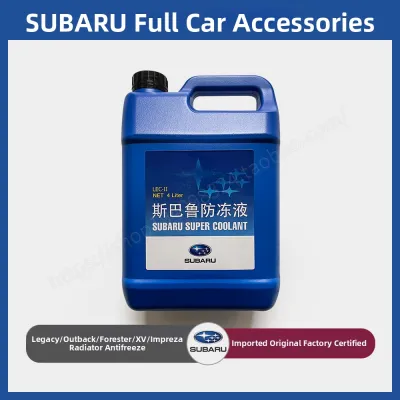
Prices are valid at publication and may change. Please refer to the product page for the latest price.
Under sustained high-temperature operation, the chemical additives within the coolant break down at an accelerated rate. These additives, which include corrosion inhibitors and anti-foaming agents, are designed to protect the internal passages of the cooling system. As they deplete, the fluid loses its ability to shield the metal surfaces, leaving the aluminum engine block, cylinder heads, and radiator tubes vulnerable to chemical attack. This breakdown is not always visible to the naked eye, meaning a coolant that looks clean may still have lost its protective qualities.
Furthermore, the combination of high heat and incorrect fluid formulations increases the risk of internal corrosion and cavitation. Cavitation occurs when vapor bubbles form and violently collapse against the metal surfaces of the water pump and engine block, eroding the metal over time. In a tropical environment, maintaining the correct boiling point and pressure balance is crucial to prevent these vapor pockets from forming. If the coolant’s chemical package is incompatible with Subaru’s aluminum components, galvanic corrosion can quickly set in, leading to pinhole leaks in the radiator, clogged passages, and eventual engine failure.
Essential Coolant Specifications to Prioritize
When selecting a coolant for your Subaru in a tropical climate, the boiling point threshold is a critical specification to evaluate. While the coolant must resist boiling under normal operating conditions, the radiator cap plays a vital role by keeping the system under pressure, which raises the effective boiling point of the fluid. You must verify that the coolant formulation works in harmony with your vehicle’s pressure specifications. A high-quality coolant, when mixed at the correct ratio with water (typically a 50/50 pre-mixed solution), provides a boiling point that accommodates the extreme thermal spikes encountered during heavy traffic or prolonged idling in tropical heat.

Corrosion inhibitor packages are the next critical factor, particularly for engines featuring aluminum construction. Subaru engines require specific inhibitor formulations to prevent the oxidation of aluminum surfaces. You must prioritize formulations that offer long-term stability without forming abrasive scales or deposits that can clog the narrow passages of the radiator and heater core. These inhibitor packages form a microscopic protective layer over the metal surfaces, preventing the electrochemical reactions that cause rust and corrosion.
To ensure compatibility, you must identify whether your Subaru requires an Organic Acid Technology (OAT) or a Hybrid Organic Acid Technology (HOAT) formulation. Modern Subaru vehicles typically specify a blue super long-life coolant, which is an amine-free, silicate-free, and borate-free phosphated Organic Acid Technology (P-OAT) fluid. This specific chemistry is engineered to protect the water pump seals and aluminum components from erosion while maintaining heat transfer efficiency. Using a generic coolant that contains silicates or borates can lead to premature water pump wear and reduced cooling efficiency, as these inorganic inhibitors can precipitate out of the solution under high tropical temperatures.
Evaluating OEM vs. Aftermarket Subaru Coolant Options
Deciding between original equipment manufacturer (OEM) fluids and aftermarket alternatives requires a careful examination of product labels and vehicle documentation. The safest approach is to match the OEM part numbers and explicit specification codes found in your Subaru owner’s manual. Subaru’s proprietary formulations, such as the Subaru Super Coolant, are specifically tailored to the metallurgy and seal materials used in their engines. If your vehicle is still under the manufacturer’s warranty, using non-compliant fluids can void your coverage, making it essential to verify that any aftermarket alternative explicitly states compliance with Subaru’s standards.
When evaluating aftermarket options, you must read the product labels carefully for official manufacturer approvals rather than relying on generic marketing terms like “universal” or “suitable for all makes and models.” Many universal coolants use chemistry that may not provide the specific level of protection required by a Subaru boxer engine. Look for reputable brands that explicitly list compliance with Subaru’s phosphated Organic Acid Technology (P-OAT) specification on the back of the bottle. If the label does not clearly state that it meets or exceeds the specific Subaru standard, it is best to avoid using it in your vehicle.
Mixing different coolant chemistries is a major risk that can lead to severe cooling system damage. If you mix an OAT or P-OAT coolant with a traditional green silicate-based coolant, the different inhibitor packages can react chemically, causing the additives to precipitate out of the solution and form a thick, gel-like sludge. This sludge can clog the radiator tubes, block the thermostat, and restrict coolant flow, leading to rapid engine overheating. To maintain system health and preserve warranty coverage, always perform a complete system flush if you are switching from one coolant type to another, ensuring no residual fluid remains to contaminate the new mixture.
Hot-Weather Coolant Maintenance and Inspection Checklist
Maintaining your Subaru’s cooling system in the Philippines requires a proactive inspection routine to prevent unexpected breakdowns. The most basic yet crucial check is monitoring the fluid level in the coolant overflow reservoir. You must only perform this check when the engine is completely cold, such as in the morning before starting the vehicle. Opening a hot radiator or reservoir cap can release pressurized steam and boiling liquid, causing severe burns. Ensure the fluid level sits between the “Full” and “Low” marks on the translucent plastic reservoir.
During your inspection, look for visual indicators of coolant degradation. Fresh Subaru Super Coolant is a distinct blue color, while older formulations may be green. If you notice the fluid has turned brown, cloudy, or contains suspended debris or rust particles, it is a clear sign that the corrosion inhibitors have depleted and the fluid needs to be replaced. Additionally, inspect the area around the radiator cap, hoses, and water pump for any white or colored crusty residue, which indicates a slow leak that requires immediate professional attention.
Adhering strictly to the manufacturer’s recommended flush and replacement intervals is essential, especially in a tropical climate that accelerates fluid aging. Do not extend these intervals based on generic “long-life” claims printed on aftermarket coolant bottles. While some modern coolants are rated for extended use, the severe operating conditions in the Philippines—such as high humidity, dust, and constant stop-and-go driving—justify more frequent inspections and timely replacements. Consult your owner’s manual for the specific service schedule, and have the system professionally flushed and refilled to ensure all old fluid and contaminants are completely removed.
Frequently Asked Questions (FAQ)
Can I use distilled water to top off my coolant in an emergency?
Yes, you can use distilled water to top off your coolant reservoir in an emergency to prevent the engine from overheating, but this must only be a temporary measure. Adding pure water dilutes the concentration of the coolant’s corrosion inhibitors and lowers the boiling point of the mixture. In the hot, tropical climate of the Philippines, operating a vehicle with a highly diluted coolant mixture increases the risk of internal engine corrosion, cavitation, and localized boiling. As soon as possible after the emergency, you must have the cooling system inspected for leaks, flushed, and refilled with the correct 50/50 pre-mixed coolant formulation to restore proper protection.
Does the color of the coolant guarantee it is safe for my engine?
No, the color of the coolant does not guarantee that it is safe or compatible with your Subaru engine. Coolant manufacturers use various dye colors, such as blue, green, pink, or yellow, to identify their products, but there is no universal industry standard linking specific colors to chemical formulations. For example, while Subaru’s long-life coolant is typically blue, another brand’s blue coolant might use an entirely different chemical package that is incompatible with your engine’s internal components. You must always read the specification label on the back of the bottle to verify compliance with Subaru’s requirements rather than relying on the color of the fluid.

Community discussion
Share your experience or ask a question. Comments are reviewed before publication.