
When choosing a dashcam bracket for car installations, drivers often face a choice between suction cup and adhesive mounts. Neither option is a universal solution; instead, the most suitable choice depends on your vehicle’s window tint, how often you need to reposition the camera, and the cabin temperatures your car experiences. Suction cup mounts offer excellent flexibility, making them ideal for temporary setups, rental cars, or drivers who prefer to remove the entire assembly when parking. However, they are highly susceptible to losing grip under intense heat and constant road vibrations. On the other hand, adhesive mounts provide a semi-permanent, highly stable bond that excels at resisting extreme cabin heat and the continuous shaking of uneven roads, though they are difficult to remove and can damage window tint if handled improperly.
Suction Cup Mounts: Flexibility and Repositioning
Suction cup mounts rely on a straightforward mechanical vacuum seal to stay attached to the windshield. When you press the flexible silicone or rubber cup against the glass and engage the locking lever, the mechanism pulls the center of the cup away from the surface. This action creates a low-pressure vacuum pocket inside the cup, while the higher atmospheric pressure outside holds the mount firmly against the glass. For this system to work effectively, the glass surface must be highly smooth, clean, and non-porous, allowing no air to seep into the vacuum chamber.
The primary advantage of a suction cup dashcam bracket for car use is its outstanding repositionability. If you decide to adjust the camera’s angle, move it to a different part of the windshield, or transfer the entire system to another vehicle, you can do so in seconds without leaving any sticky residue behind. This flexibility is particularly useful for drivers who use multiple cars or those who prefer to hide their electronics in the glove compartment when parking in unsecured public areas to prevent break-ins.
Products mentioned in this guide
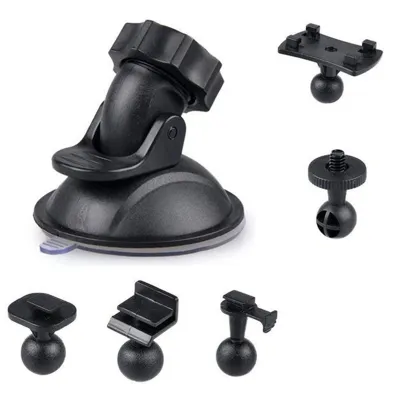
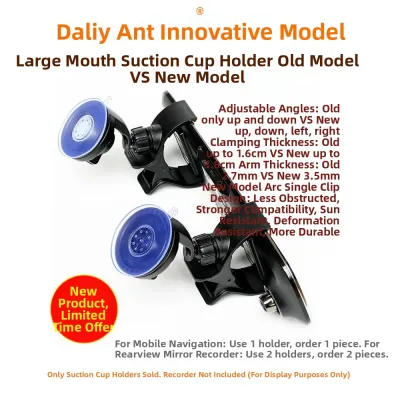
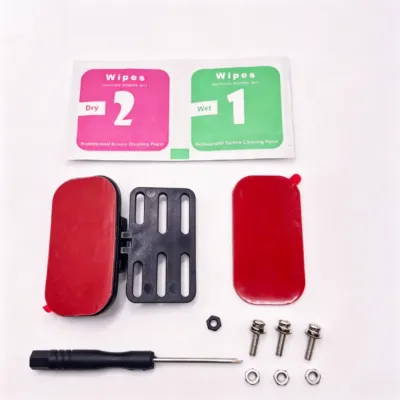
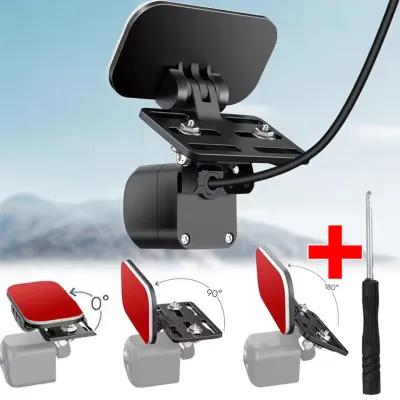
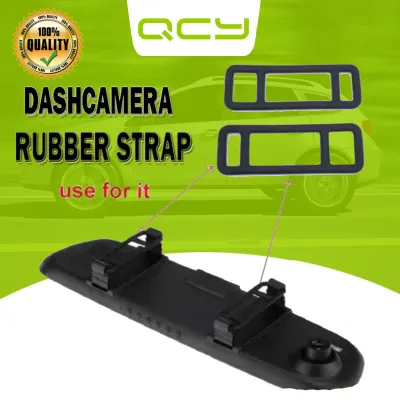
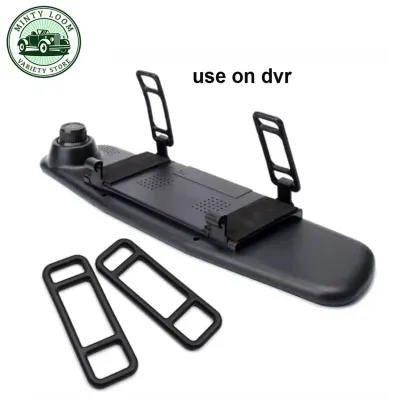
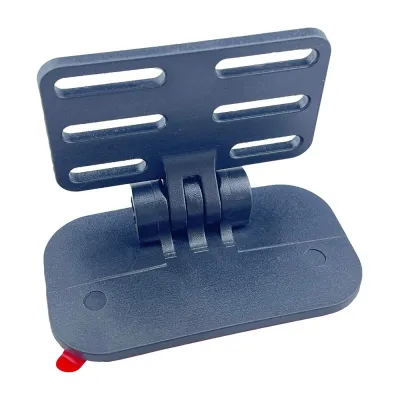
Prices are valid at publication and may change. Please refer to the product page for the latest price.
Despite their convenience, suction cups face significant long-term reliability challenges. Over time, microscopic amounts of dust, moisture, and air inevitably find their way under the rubber edge, slowly degrading the vacuum seal. Temperature fluctuations inside the cabin cause the air trapped in these tiny pockets to expand and contract, further weakening the grip. When combined with the constant vibrations of daily driving, these factors often lead to the suction cup suddenly releasing, causing the dashcam to fall onto the dashboard or floor, which can damage the device.
Adhesive Mounts: Permanent Grip and Stability
Adhesive mounts utilize high-strength, double-sided automotive acrylic foam tape to establish a chemical and physical bond directly with the windshield. Unlike suction cups, which rely on maintaining a mechanical vacuum, adhesive pads conform to the microscopic textures and imperfections of the glass surface. Once applied and allowed to cure, the adhesive creates a highly durable connection that does not rely on air pressure to maintain its hold.

The standout benefit of an adhesive dashcam bracket for car setups is its highly effective resistance to physical shocks and continuous vibrations. The dense foam core of the adhesive pad acts as a miniature shock absorber, dampening high-frequency road vibrations and preventing the camera from shaking. This stability ensures that your recorded footage remains clear and smooth, even when driving over rough terrain. Because there is no vacuum seal to fail, adhesive mounts are highly unlikely to fall off unexpectedly, providing a reliable hold for years.
However, this permanent grip comes with clear trade-offs. Adhesive mounts are designed for one-time installation; once the tape cures, repositioning the mount requires removing the old adhesive entirely and applying a fresh adhesive pad. Removing a cured adhesive mount requires careful effort, often involving heat from a hairdryer and a sawing motion with dental floss to break the foam core. If you attempt to pull the mount off forcefully, you risk tearing or bubbling aftermarket window tint films, which can be difficult and expensive to repair.
Evaluating Mount Performance Under Local Driving Conditions
To understand how these mounts perform in daily use, it is essential to look at how they handle specific environmental and road conditions.
Heat and Sun Exposure
In tropical climates, vehicles parked outdoors are subjected to intense solar radiation, causing cabin temperatures to rise rapidly. This extreme heat has a direct impact on the materials used in both mount types. For suction cups, prolonged exposure to high temperatures softens the rubber or silicone, making it more pliable and prone to warping. As the material deforms, air leaks into the vacuum chamber, causing the mount to fail and drop the camera.
In tropical regions like the Philippines, high relative humidity combined with intense solar heat accelerates the degradation of flexible plastics and rubbers. Suction cups made of low-grade PVC or silicone can undergo chemical changes over time, either becoming brittle and cracking or turning sticky and gummy. Once the material loses its elasticity, it can no longer conform closely to the curve of the windshield, rendering the vacuum seal useless.
Conversely, high-quality automotive adhesives are engineered to withstand high temperatures. While extreme heat can slightly soften some low-grade glues, premium acrylic foam tapes actually cure more thoroughly when exposed to moderate warmth during installation, maintaining a secure bond even when the windshield becomes hot to the touch. High-quality adhesive pads, particularly those made of closed-cell acrylic foam, are highly resistant to moisture and humidity, ensuring that the chemical bond remains stable even during the heavy downpours of the rainy season.
Rough Roads and Vibration
Driving on uneven provincial roads, gravel paths, or city streets with frequent potholes and speed bumps subjects a dashcam mount to continuous physical stress. Suction cup mounts, which typically have a longer arm and a heavier profile, experience significant leverage during these bumps. The constant shaking puts localized stress on the edges of the suction cup, accelerating the rate at which air enters the vacuum seal.
Adhesive mounts feature a much lower profile, keeping the camera closer to the glass. This design minimizes leverage and distributes the weight of the camera evenly across the entire surface of the adhesive pad, allowing the mount to absorb sudden impacts without loosening.
The weight and design of your dashcam also play a major role in how it handles vibrations. A heavier camera—such as a model with a large built-in LCD screen, a heavy lens assembly, or an integrated GPS module—acts as a pendulum when suspended from the windshield. When your vehicle hits a pothole or travels over a rough concrete joint, this weight exerts a strong pulling force on the mount. For a suction cup, this sudden downward pull can easily break the vacuum seal at the top edge, causing the entire unit to crash down. An adhesive mount, with its wider surface area and lower center of gravity, distributes this dynamic load much more effectively, preventing the pendulum effect from breaking the bond.
Window Tint Compatibility
Many car owners apply aftermarket window tint films to their windshields to reduce heat and glare. This film introduces a critical variable when choosing a dashcam bracket for car installations. Suction cups do not chemically bond to the surface, making them generally safer for tinted windows, as they can be removed without peeling the film. However, if the tint film was poorly installed and has existing air bubbles, the suction force can pull on the film and worsen the bubbling.
Adhesive mounts, on the other hand, form an incredibly strong bond with the polyester tint film. If you ever need to remove the adhesive mount, the pulling force can easily delaminate the tint film from the glass, tearing the film and requiring a full replacement of the windshield tint. To avoid this, many drivers use a clear electrostatic sticker as a barrier between the tint film and the adhesive pad.
Installation and Maintenance for a Secure Hold
Regardless of which mount type you choose, proper installation and regular maintenance are vital to ensuring a long-lasting hold.
Surface Preparation
The most critical step for both mounting methods is preparing the glass surface. Dust, moisture, fingerprints, and the oily residue left behind by dashboard off-gassing can severely compromise both vacuum seals and chemical adhesives. Before mounting, clean the target area of the windshield thoroughly using 70% isopropyl alcohol and a clean microfiber cloth. Avoid using household glass cleaners that contain ammonia or wax, as these can leave behind a thin film that prevents proper adhesion or sealing. Allow the glass to dry completely before proceeding.
This oily film is caused by plasticizers—chemicals used in manufacturing dashboard plastics—which slowly evaporate and condense onto the cool glass surface when the car is parked in the sun. If you apply a mount directly over this film, the adhesive or suction cup will bond to the oily residue rather than the glass itself, leading to premature failure.
Suction Cup Care
To maintain a suction cup mount, you must periodically inspect and clean the rubber components. Over time, the flexible cup can accumulate fine dust particles that break the vacuum seal. Remove the mount every few months, wash the rubber cup with mild dish soap and warm water, and let it air dry completely. Before reattaching, ensure the windshield is clean. Press the suction cup firmly against the glass with the locking lever released, then engage the lever to create a strong vacuum. Regularly releasing and re-engaging the lever before long road trips can prevent unexpected falls.
Adhesive Care
When installing an adhesive mount, temperature and curing time are key. Apply the adhesive pad to the clean glass when the windshield is cool, preferably in the shade or during the cooler hours of the morning. Press the mount firmly against the glass for at least 30 seconds to ensure full contact across the entire pad. Crucially, do not attach the heavy dashcam to the mount immediately. Allow the adhesive to cure undisturbed for at least 24 hours so the chemical bond can reach its maximum strength. If you need to remove the mount later, warm the adhesive from the outside of the windshield using a hairdryer to soften the acrylic foam, then gently slide a piece of fishing line or dental floss behind the mount to slice through the foam core.
Decision Framework: Choosing Your Dashcam Bracket
To help you make the right choice for your vehicle, use this simple decision framework based on your driving habits and vehicle configuration.
Choose a Suction Cup Mount if:
- You drive a rental car, use multiple vehicles, or need to transfer the dashcam frequently.
- You prefer to remove all visible electronics from your windshield when parking in public areas.
- Your windshield has an expensive aftermarket tint film, and you want to avoid any risk of tearing or peeling it during removal.
- You want an instant setup and do not want to wait for an adhesive to cure before using your camera.
Choose an Adhesive Mount if:
- You want a permanent, highly stable installation that you do not have to worry about maintaining.
- Your daily routes involve rough roads, gravel paths, or frequent speed bumps that cause heavy vibrations.
- Your vehicle is regularly parked outdoors in direct sunlight, exposing the cabin to high temperatures.
- You prefer a compact, low-profile mount that sits discreetly behind your rearview mirror without obstructing your view.
Verify First Before purchasing or installing any dashcam bracket for car use, verify local traffic regulations regarding windshield obstructions. Ensure that your chosen mounting location does not block your line of sight or violate laws concerning safe driving vision. Additionally, consult your dashcam’s user manual to confirm the recommended mounting positions and check if using third-party mounting brackets or alternative adhesives affects your product warranty.
Community discussion
Share your experience or ask a question. Comments are reviewed before publication.