
Choosing the right car phone holder dashboard mount depends on your vehicle’s interior design, your phone’s weight, and your daily driving environment. There is no single universal option that works perfectly for every driver. Instead, the ideal mount matches your specific cabin layout and usage habits.
Suction cup mounts offer excellent placement flexibility, securing well to smooth windshields or non-porous dashboard surfaces. Air vent mounts provide a highly compact footprint and keep your device cool by utilizing the vehicle’s air conditioning system. Magnetic mounts deliver exceptional convenience with quick, one-handed mounting and a minimalist profile that keeps your dashboard clutter-free.
The final choice depends entirely on your dashboard’s texture, the shape of your air vent blades, and the weight of your smartphone.
Products mentioned in this guide
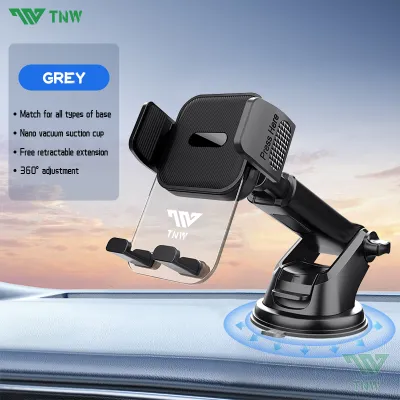
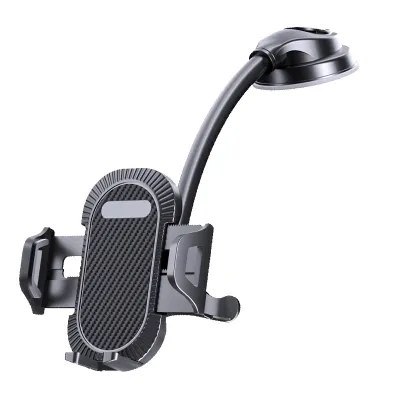
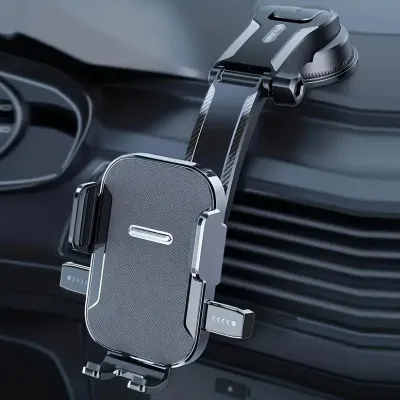
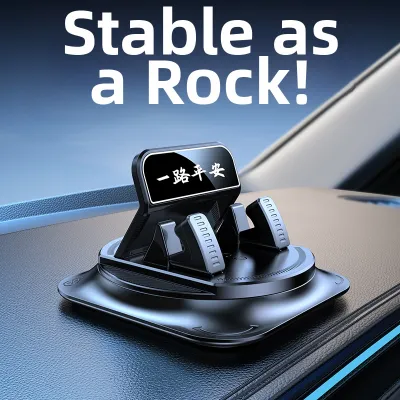
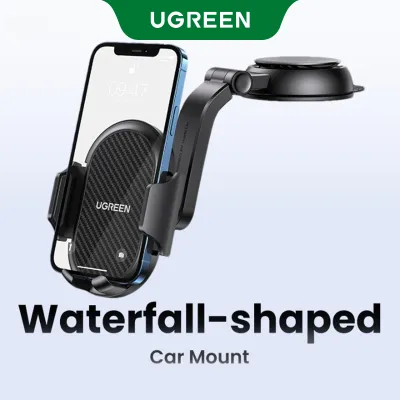
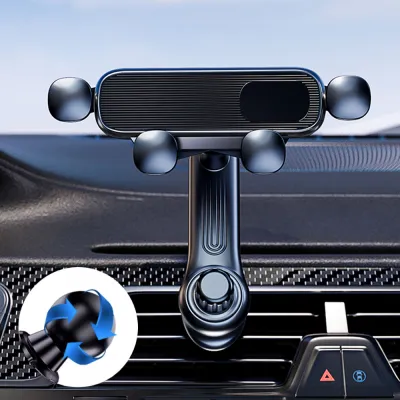
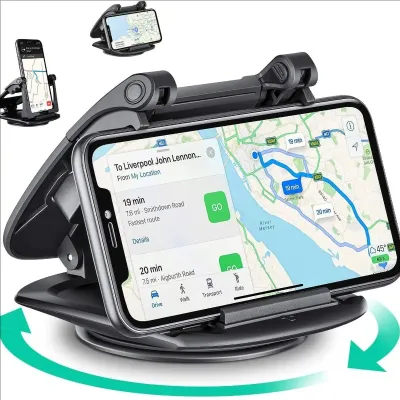
Prices are valid at publication and may change. Please refer to the product page for the latest price.
Suction Cup Mounts: Evaluating Stability and Placement Flexibility
Suction cup mounts are a traditional favorite for drivers who want their phones positioned closer to their line of sight. These systems rely on a vacuum seal, often enhanced by a sticky polyurethane gel pad, to adhere to a flat surface. When installed on a completely smooth, non-porous surface like a windshield, they provide a secure hold that can withstand daily driving vibrations.
However, modern vehicle dashboards present a challenge for suction-based adhesion. Many dashboards feature textured, pebbled, or soft-touch materials designed to reduce glare. These micro-textures allow tiny amounts of air to seep under the suction cup, eventually breaking the vacuum seal. If your dashboard has any texture, you will likely need to use an adhesive mounting disk—a semi-permanent plastic plate that sticks to the dash with a strong adhesive, providing a smooth surface for the suction cup.
Another critical factor is the physical footprint of these mounts. Suction cup holders often feature long, articulating arms or telescoping necks designed to bring the phone closer to the driver. While this offers highly customizable viewing angles, the extended arm acts as a lever. On bumpy roads or uneven pavement, this design can amplify vibrations, causing the phone to shake and making the screen difficult to read.
Environmental factors also play a major role in the longevity of a suction mount. In tropical climates with high humidity and intense sunlight, the temperature inside a parked car can rise dramatically. This extreme heat can dry out the sticky gel pad, degrade the plastic components, or cause the air inside the suction chamber to expand, leading to sudden mount failure. To maintain a secure hold, you must periodically remove the mount, wash the gel pad with warm water to restore its stickiness, and re-seat the suction cup on a clean surface.
Air Vent Mounts: Assessing Compact Design and Airflow Impact
Air vent mounts are highly popular due to their compact size and straightforward installation. By clipping directly onto the slats of your vehicle’s heating, ventilation, and air conditioning (HVAC) system, these holders keep your dashboard and windshield completely clear. This low-profile design ensures your forward visibility remains unobstructed while keeping your phone within easy reach.

Compatibility, however, is highly dependent on the specific design of your vehicle’s vent blades. These mounts are engineered primarily for standard, straight horizontal or vertical louvers. If your car features circular vents, deeply recessed slats, or thin, highly angled decorative blades, a standard vent clip may not grip securely or might slip off entirely during turns. It is essential to inspect your vent configuration before purchasing to ensure the clip mechanism can latch firmly onto the blades.
One of the most significant advantages of a vent mount is its ability to combat smartphone heat. Running GPS navigation, streaming music, and charging a phone simultaneously generates substantial internal heat. In hot, tropical climates, this can quickly lead to thermal throttling or automatic device shutdown. Positioning the phone directly in front of an active air conditioning vent provides continuous cooling, keeping your device running at optimal performance during long drives.
Conversely, this placement has distinct trade-offs. During cooler weather or if you prefer direct airflow, the phone will block a significant portion of the cabin air intended for the driver or passenger. Additionally, supporting a heavy, large-format smartphone puts continuous mechanical stress on the plastic vent blades. Over time, constant road vibrations combined with the weight of the device can weaken or even snap fragile vent components, leading to costly interior repairs.
Magnetic Mounts: Weighing Minimalist Profiles and Holding Power
Magnetic car phone holders have revolutionized the market by offering the quickest and most seamless mounting experience. Instead of adjusting mechanical clamps or spring-loaded cradles, you simply place your phone against the magnetic face, and it snaps securely into place. This effortless, one-handed operation minimizes driver distraction and makes mounting or removing your phone a matter of a single second.
To utilize a magnetic system, your phone must have a compatible metal surface. This is typically achieved by sticking a thin adhesive metal plate directly to the back of your phone, placing it inside your phone case, or using a phone case with a built-in magnetic ring. While highly convenient, the placement of this metal plate requires careful consideration. If you use wireless charging, placing a solid metal plate directly over the phone’s internal charging coil will block the electromagnetic field and can cause dangerous overheating. Drivers who rely on wireless charging should opt for ring-shaped magnetic plates or specialized cases designed to align with wireless chargers.
The holding power of a magnetic mount depends on the strength of the internal magnet array and the weight of your device. High-quality mounts utilize strong neodymium magnets that can hold heavy smartphones securely, even when driving over speed bumps or rough roads. However, if you use a thick, heavy-duty protective case without an integrated magnet, the distance between the mount and the metal plate can weaken the magnetic pull, increasing the risk of your phone slipping off during sudden stops.
Aesthetically, magnetic mounts are incredibly low-profile. Whether they attach via a small adhesive base to a flat spot on the dashboard or clip onto an air vent, they occupy minimal visual space. When the phone is not mounted, the holder blends cleanly into the vehicle’s interior design, preserving a modern and uncluttered dashboard aesthetic.
Decision Framework: Match the Mount to Your Vehicle and Habits
To select the perfect mount for your daily commute and weekend road trips, evaluate your vehicle’s interior layout and your personal usage patterns against this structured framework.
Choose a Suction Cup Mount if:
- Your dashboard has a large, flat, smooth area, or you prefer mounting the device directly to the windshield.
- You want the flexibility to adjust the phone's height, angle, and distance using an articulating or telescoping arm.
- You drive a larger vehicle, such as an SUV or pickup truck, where the windshield is positioned further away from the driver's seat.
Choose an Air Vent Mount if:
- Your vehicle has sturdy, standard horizontal or vertical vent blades that can easily support the weight of your phone.
- You live in a hot climate and frequently experience phone overheating issues during extended GPS navigation use.
- You prefer a completely clear windshield and dashboard to maximize your forward driving visibility.
Choose a Magnetic Mount if:
- You prioritize quick, one-handed mounting and want to avoid dealing with mechanical clamps or spring-loaded grips.
- You prefer a minimalist, low-profile interior aesthetic that does not add visual clutter to your dashboard.
- Your phone or phone case is already equipped with a compatible magnetic ring or can accommodate a thin metal plate without interfering with wireless charging.
Verify First before purchasing:
- Dashboard Material: Check your vehicle owner's manual or consult a professional detailer to ensure adhesives or suction cups will not discolor, warp, or peel sensitive leather or soft-touch dashboard coatings.
- Vent Blade Durability: Inspect the thickness and flexibility of your vent slats to confirm they can handle the leverage and weight of your specific phone model.
- Phone Case Compatibility: Ensure your protective case is thin enough to allow a strong magnetic connection or has a flat surface suitable for adhesive disks.
Safety and Installation Checks Before You Buy
Before installing any phone holder, safety must be your primary consideration. A poorly placed mount can become a dangerous projectile in an accident or block critical safety features. Always consult your vehicle’s owner’s manual to identify the exact locations of passenger and side-curtain airbags. Never install a phone holder, cable, or device within the deployment zone of an airbag, as this can cause severe injury if the system activates.
Furthermore, ensure the mount does not obstruct your physical line of sight or block your view of the road ahead. In many jurisdictions, local traffic laws strictly regulate where devices can be mounted on the windshield or dashboard to maintain clear driver visibility. The mount should also be positioned so it does not obscure critical instrument cluster displays, warning lights, or your view of the side mirrors.
Proper surface preparation is essential for any adhesive or suction-based mount. Before application, clean the mounting area thoroughly using a mild cleaner authorized for your specific dashboard material, or follow the manufacturer’s instructions, which often recommend a light wipe with isopropyl alcohol on non-sensitive surfaces. Ensure the area is completely dry and free of dust, dashboard protectants, or oils before applying adhesives.
Once installed, perform a safety check before heading out onto busy roads. Test the mount’s stability and grip on a short, low-speed drive in a safe area, such as an empty parking lot or a quiet residential street. Observe how the mount handles minor bumps and turns to ensure your phone remains securely in place before relying on it for high-speed highway travel.
Frequently Asked Questions (FAQ)
Will a suction cup mount damage my leather or soft-touch dashboard?
Yes, strong suction cups and adhesive mounting disks can cause permanent damage to sensitive dashboard materials. The continuous vacuum pressure can stretch or warp soft-touch plastics, while strong chemical adhesives can strip away protective coatings, discolor leather, or leave stubborn, sticky residues that are difficult to remove. If your vehicle features a premium leather or delicate soft-touch dashboard, it is highly recommended to use a dedicated, non-damaging dashboard mounting disk designed for sensitive surfaces, mount the suction cup directly to the glass windshield, or choose an air vent mount instead.
Do magnetic car phone holders interfere with GPS or cellular signals?
Standard magnetic car mounts utilize small, localized neodymium magnets that do not interfere with your phone’s GPS, cellular, or Wi-Fi signals. Modern smartphones rely on solid-state sensors and digital antennas that are unaffected by the magnetic fields generated by these consumer mounts. However, the physical metal plate required for the mount can block wireless charging signals or interfere with Near Field Communication (NFC) features, such as contactless mobile payments, if the plate is placed directly over the phone’s internal coils. To avoid this, position the metal plate toward the bottom of the device or use a compatible magnetic case designed to keep these pathways clear.
Community discussion
Share your experience or ask a question. Comments are reviewed before publication.