
Selecting the right car phone holder is essential for safe navigation and hands-free convenience on busy roads. The ideal mounting type depends on your vehicle’s interior layout, your phone model, and your daily driving environment.
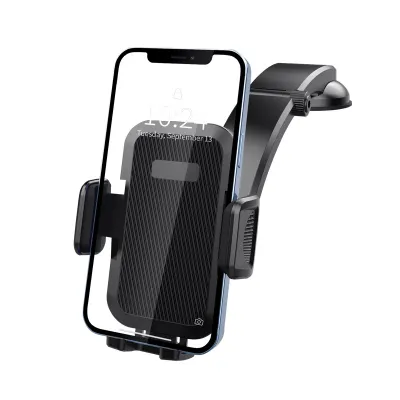
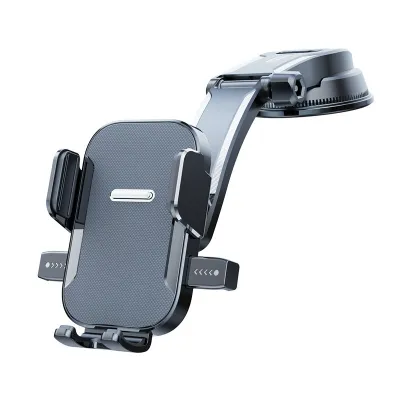
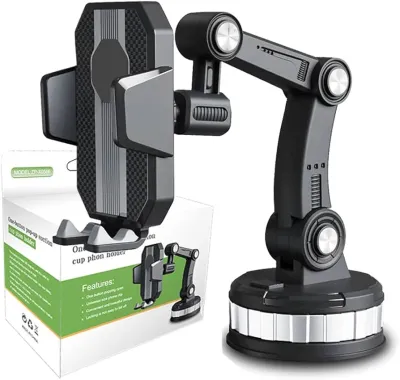
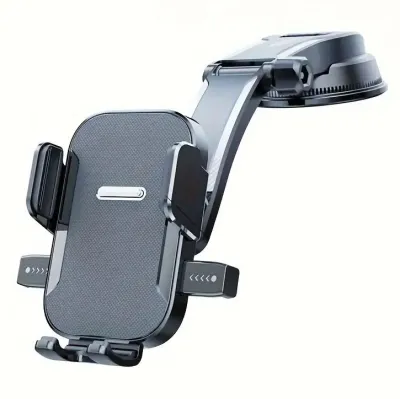
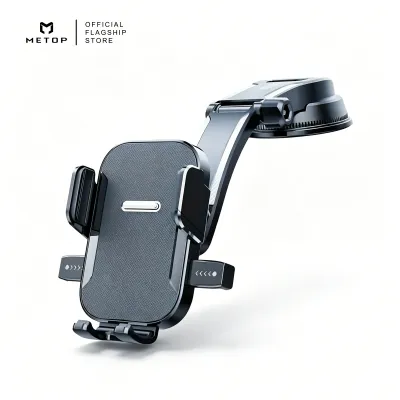
- Suction Cup Mounts: These are best for drivers who want highly visible, eye-level placement on the windshield or flat dashboard surfaces. They are highly adjustable and keep your phone completely out of the way of your air conditioning vents.
- Vent Clip Mounts: These are ideal for drivers who prefer a clear, unobstructed windshield view and quick, tool-free installation. They position your phone within easy arm's reach and leverage your car’s air conditioning to keep the device cool during heavy navigation use.
- Magnetic Mounts: These offer the fastest, most convenient one-handed mounting experience. They are perfect for drivers who frequently get in and out of the vehicle and want a clean, minimalist aesthetic.
It is important to note that “magnetic” refers specifically to the mechanism that grips your phone. Magnetic mount heads are commonly paired with suction cup bases, vent clips, or adhesive mounts, allowing you to combine the benefits of multiple systems.
Suction Cup Mounts: Best for Dashboards and Windshields
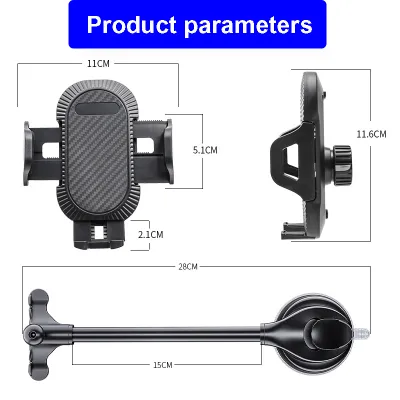
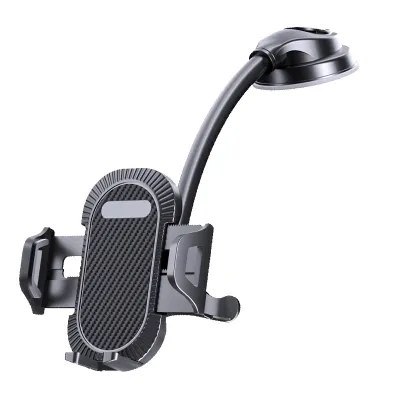
Suction cup mounts remain a popular choice for drivers who require maximum adjustability and a high, prominent viewing angle. These mounts typically feature a flexible joint or a telescopic arm, allowing you to position your phone precisely where it is easiest to see without taking your eyes off the road.
Products mentioned in this guide

Prices are valid at publication and may change. Please refer to the product page for the latest price.
How They Work
Standard suction cup mounts rely on a mechanical vacuum seal. When you press the cup against a smooth surface and engage the locking lever, the center of the flexible silicone or rubber cup is pulled upward. This creates a low-pressure vacuum pocket underneath the cup, while the higher external atmospheric pressure holds the mount firmly in place. Many modern suction mounts also incorporate a sticky polyurethane gel pad on the face of the cup. This gel fills the microscopic gaps and textures present on plastic dashboards, creating a tighter seal than rubber alone can achieve.
The Advantages
The primary benefit of a suction cup mount is its placement flexibility. You can attach it directly to the windshield or to a flat section of the dashboard, keeping your phone at eye level for effortless GPS tracking. This positioning is particularly useful when navigating complex highway interchanges or heavy city traffic. Furthermore, because they do not attach to your air vents, suction cup mounts leave your cabin airflow completely unobstructed.
Climate Considerations and Practical Limitations
In tropical climates like the Philippines, extreme cabin heat is a major challenge for suction cup mounts. When a car is parked under direct sunlight, interior temperatures can rapidly climb above 60°C. This intense heat causes the air trapped inside the suction cup’s vacuum pocket to expand, while simultaneously softening the sticky gel pad. As a result, standard suction cups frequently lose their grip and fall off the glass or dashboard.
Additionally, UV radiation from constant sun exposure can cause the plastic and rubber components of the mount to become brittle over time. If you choose a suction cup mount, look for high-temperature-rated silicone cups or those that include an adhesive-backed mounting disk for textured dashboards. Be aware that mounting a phone on the windshield can create a small blind spot, so you must position it carefully to comply with local road safety regulations regarding line-of-sight obstructions.
Vent Clip Mounts: Best for Quick Access and AC Cooling
Vent clip mounts offer a low-profile, highly accessible alternative that keeps your dashboard and windshield completely clear of clutter. By mounting directly to the air conditioning vents, these holders keep your phone within easy reach of the steering wheel.

How They Work
These mounts use a clamping mechanism to grip the individual plastic slats, or louvers, of your car’s AC vents. Simple models use spring-loaded rubberized jaws, while more robust designs feature a mechanical screw-tightened hook that locks around the back of a vent slat to prevent slipping.
The Advantages
The most significant practical benefit of a vent mount is active thermal management. Running GPS navigation, maintaining a cellular connection, and charging a phone simultaneously generates substantial internal heat. In a warm tropical environment, this combined heat can easily trigger your phone’s thermal protection, causing the screen to dim, charging to stop, or the device to shut down entirely. By positioning the phone directly in front of an active AC vent, the cool airflow keeps the phone’s internal temperature low, ensuring consistent performance. Vent mounts are also incredibly compact and easy to transfer between different vehicles, making them highly convenient for rental cars or multi-car households.
Physical Risks and Safety Boundaries
Despite their convenience, vent mounts carry specific physical risks that require careful consideration. The plastic louvers in car AC vents are designed solely to direct airflow, not to support heavy mechanical loads. A heavy modern smartphone, combined with the continuous vibrations and sudden impacts of driving over potholes, speed bumps, or rough roads, puts significant leverage and stress on these fragile plastic slats. Over time, this stress can crack or break the vent mechanism, leading to costly interior repairs.
Another critical concern is the risk of thermal shock and internal condensation. If your phone has become hot from sitting in a parked car or from being carried in a pocket in humid outdoor air, blasting it immediately with cold AC air can cause rapid cooling. This temperature drop can cause moisture in the humid air to condense inside the phone’s sealed chassis, potentially damaging delicate electronic circuits or fogging the camera lenses. To prevent this, avoid blasting a hot phone with maximum AC cooling immediately. Instead, allow the cabin air to circulate and cool down gradually, or adjust the vent louvers to direct the cold air slightly away from the back of the phone.
Magnetic Mounts: Best for Seamless, One-Handed Use
Magnetic car phone holders represent the pinnacle of convenience and minimalist design. They eliminate the need to fiddle with spring-loaded side clamps or mechanical release buttons, making them the fastest mounting option available.
How They Work
These holders utilize an array of high-strength neodymium magnets to secure the phone. For users with Apple iPhones (iPhone 12 and newer), the mount aligns natively with the internal MagSafe magnetic ring built into the phone. For Android devices or older iPhones, you must attach a thin, adhesive-backed metal plate or ring directly to the back of the phone or inside its protective case. The magnetic attraction between the mount head and the metal plate holds the phone securely in place.
The Advantages
The standout feature of a magnetic mount is its effortless, one-handed operation. You can simply place your phone near the mount, and it snaps instantly into position. Removing the phone is just as quick, requiring a simple tilt-and-pull motion. This seamless interaction is highly beneficial for drivers who make frequent stops. Additionally, because there are no physical side clamps blocking the edges of your device, you can rotate your phone 360 degrees instantly. This makes it incredibly easy to switch between portrait mode for standard driving apps and landscape mode for wider map views.
Limitations and Compatibility Checks
While highly convenient, magnetic mounts have distinct limitations. If you do not have a MagSafe-compatible phone, attaching a solid metal plate to the back of your device will block Qi wireless charging signals. The metal plate prevents the induction coils in the phone and charger from communicating, and if you attempt to charge the phone wirelessly with the plate attached, the metal can heat up rapidly, creating a severe burn hazard and damaging your phone’s battery.
Furthermore, the strength of the magnetic connection depends heavily on the thickness of your phone case. A thick, rugged, or leather case increases the distance between the mount’s magnets and the internal metal plate, drastically reducing the holding force. On bumpy roads or during sudden braking, a heavy phone in a thick case may slide off the mount and fall into the footwell. To ensure a secure hold, always use a case specifically designed with integrated magnets, or adhere the metal plate directly to the exterior of your phone case.
Suction vs. Vent vs. Magnetic: Feature Comparison
To help you decide which mounting style matches your vehicle and driving habits, the table below compares the three primary options across key decision dimensions.
| Mounting Type | Primary Location | Installation Effort | Stability on Bumpy Roads | Impact on Car Interior | Phone Compatibility |
|---|---|---|---|---|---|
| Suction Cup | Windshield or flat dashboard | Low (requires surface cleaning) | High (on smooth glass); Moderate (on textured plastic) | Low; potential sticky residue or temporary ring | Universal (works with all phone sizes and cases) |
| Vent Clip | AC vent louvers | Very Low (clips directly onto slats) | Moderate; can sag under heavy phones on rough roads | Risk of cracked plastic slats; blocks some airflow | Universal clamp; requires standard straight vents |
| Magnetic | Varies (available in suction, vent, or adhesive bases) | Low to Moderate (depends on base and metal plate placement) | High (with direct contact); Low (through thick non-magnetic cases) | Minimal; adhesive bases may leave residue | Native for MagSafe; requires adhesive metal plates for others |
Final Verdict: How to Choose the Right Mount for Your Car
Choosing the perfect car phone holder requires balancing your vehicle’s physical interior design with your daily driving routine. Use this conditional framework to make your final decision:
- Choose a Suction Cup Mount if: You prefer your phone positioned high near your line of sight, have a smooth windshield or a wide, flat dashboard, and want to keep your AC vents completely clear to maximize cabin cooling.
- Choose a Vent Clip Mount if: You want a highly portable, compact mount that keeps your dashboard clear, and you frequently run demanding GPS apps that cause your phone to heat up, making active AC cooling highly beneficial.
- Choose a Magnetic Mount if: You prioritize speed, convenience, and a clean aesthetic, own a MagSafe-compatible phone, or do not mind using a dedicated magnetic case or adhesive metal ring.
Crucial Verification Steps Before You Buy Before finalizing your purchase on any online marketplace or local automotive shop, perform these quick checks to avoid compatibility issues:
- Inspect Your AC Vents: If your car features circular vents, deeply recessed louvers, or extremely thin, fragile plastic slats, avoid vent clip mounts entirely. They will not grip securely and are highly susceptible to breaking under the weight of modern smartphones.
- Examine Your Dashboard Texture: If your dashboard is made of soft-touch leather, vinyl, or has a heavily textured, curved surface, a standard suction cup will fail to hold. Opt for a windshield mount instead, or purchase a suction mount that includes a semi-permanent adhesive mounting disk.
- Check Airbag Deployment Zones: For your personal safety, consult your vehicle's owner manual to locate all airbag deployment zones. Never mount a phone holder, bracket, or cable on or near any panel marked "SRS Airbag," including the steering wheel, passenger-side dashboard, or front A-pillars. A deploying airbag can turn a mounted phone into a dangerous projectile.
Frequently Asked Questions (FAQ)
Will a suction cup mount damage my car's dashboard?
A standard pure silicone or rubber suction cup will not damage your dashboard, though it may leave a temporary circular ring that can be easily wiped away with a damp cloth. However, mounts that use sticky polyurethane gel pads or permanent adhesive backings require more caution. On soft-touch vinyl or leather dashboards, the combination of strong adhesives, sticky gel, and intense tropical heat can cause the material to stretch, discolor, or semi-permanently bond, potentially tearing the surface upon removal.
To remove a sticky gel mount safely, gently pull the release tab on the edge of the cup while applying a small amount of warm, soapy water or mild isopropyl alcohol around the base to break the adhesive bond. Always test a small, hidden area of your dashboard first to ensure the cleaning agent does not discolor the plastic. If your dashboard is delicate or highly textured, the safest approach is to mount the suction cup directly to your windshield glass.
Can air vent mounts break my car's AC louvers?
Yes, air vent mounts can break AC louvers, particularly in older vehicles where the plastic has become brittle due to years of exposure to UV rays and cabin heat. Because a mounted phone protrudes outward from the vent, it acts as a lever. When you drive over speed bumps, potholes, or rough gravel roads, this leverage multiplies the downward force exerted on the thin plastic slat.
Before buying a vent mount, gently press on your vent slats with your finger to test their rigidity. If they feel flimsy or loose, avoid this mounting style. If you do choose a vent mount, look for designs that feature a dual-leg support system or an adjustable lower kickstand. These features transfer the weight of the phone away from the delicate plastic slats and distribute it onto the sturdy plastic trim surrounding the vent housing.
Do magnetic car mounts interfere with phone signals or wireless charging?
The high-strength neodymium magnets used in car phone holders will not interfere with your phone’s cellular signal, GPS tracking, Wi-Fi, or Bluetooth connections. Modern smartphones use solid-state flash memory rather than magnetic storage, so the magnetic field will not erase your data or damage internal components.
However, the physical metal plates required for non-MagSafe magnetic mounts will interfere with wireless charging. Wireless charging relies on electromagnetic induction between coils in the charger and the phone. Placing a solid metal plate between these coils blocks the energy transfer. More importantly, the induction coil will cause the metal plate to heat up rapidly, which can melt your phone case, degrade your battery, or present a fire hazard. If you rely on wireless charging, use a MagSafe-compatible phone and mount, or place the adhesive metal plate at the very bottom of your phone, well away from the central charging coil.
Community discussion
Share your experience or ask a question. Comments are reviewed before publication.