
Which Spark Plug Material Is Best for Your Suzuki Dzire?
For most Suzuki Dzire owners in the Philippines, iridium spark plugs represent the most reliable, efficient, and cost-effective long-term choice. The Suzuki Dzire is highly regarded as a fuel-efficient subcompact sedan, making it a popular option for daily commutes, family transport, and transport network vehicle service (TNVS) fleets. To maintain its signature fuel economy and smooth engine performance under challenging tropical conditions, choosing the right spark plug material is essential.
The absolute “best” choice for your vehicle ultimately depends on your driving habits, budget, and willingness to perform regular maintenance. If you are on a strict budget and do not mind more frequent service intervals, copper spark plugs offer excellent electrical conductivity at a low upfront cost. On the other hand, platinum spark plugs serve as a balanced middle-ground option, providing a longer operational lifespan than copper without the premium price tag of iridium.
Before purchasing any replacement parts, you must verify your vehicle’s exact engine generation and original equipment manufacturer (OEM) specifications. The Suzuki Dzire has been equipped with different iterations of the K-series engine over the years, such as the K12M and the K12N Dualjet engine. Always consult your owner’s manual to confirm the correct heat range, thread pitch, and reach required for your specific model year.
Products mentioned in this guide
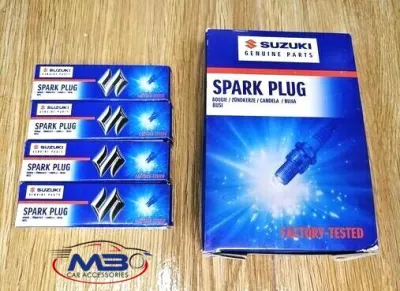
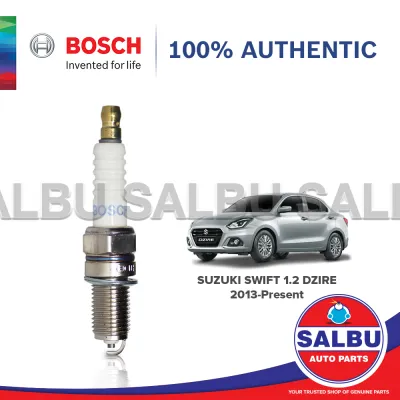
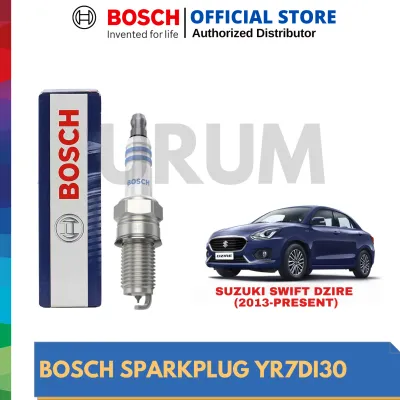
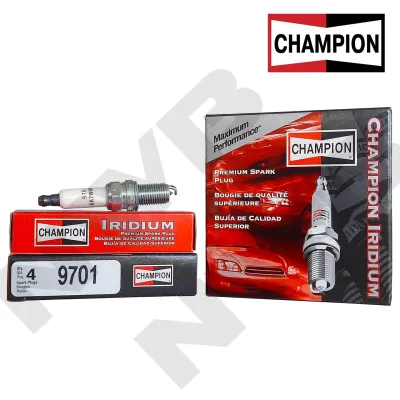
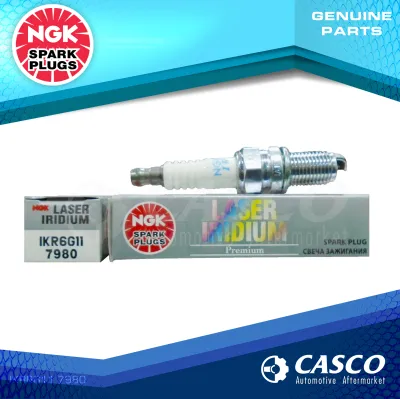
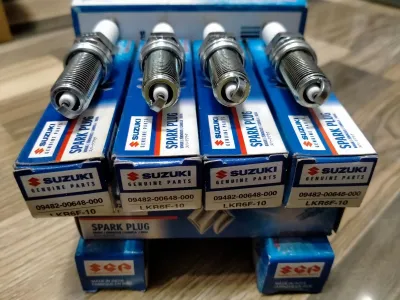
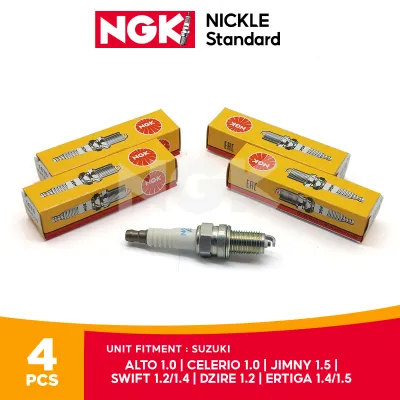
Prices are valid at publication and may change. Please refer to the product page for the latest price.
Copper, Platinum, and Iridium Spark Plugs Explained
To make an informed decision for your Suzuki Dzire, it is crucial to understand the physical differences and material characteristics of the three primary types of spark plugs available on the market. Spark plugs are responsible for delivering the electrical spark that ignites the air-fuel mixture inside the combustion chamber. The material used on the electrode tip directly influences the plug’s durability, electrical resistance, and thermal conductivity.

The Suzuki Dzire relies on a highly efficient, small-displacement engine that operates under high thermal loads, especially during long periods of idling in dense urban traffic. Consequently, the choice of electrode material plays a significant role in how consistently the engine performs over time.
Copper Spark Plugs
Copper spark plugs, often referred to as standard or traditional plugs, feature a solid copper core encased in a nickel alloy outer shell. The primary advantage of copper is its exceptional electrical and thermal conductivity. It allows the plug to run cooler and deliver a strong, reliable spark under standard operating conditions.
However, the outer nickel alloy electrode is relatively soft compared to precious metals. Under the intense heat and pressure of the combustion chamber, the nickel alloy wears down at a rapid rate. This wear increases the gap between the center and ground electrodes over time, requiring more voltage from the ignition system to bridge the gap. As a result, copper plugs have a significantly shorter operational lifespan and require frequent replacement to prevent performance degradation.
Platinum Spark Plugs
Platinum spark plugs are designed to address the rapid wear associated with traditional nickel alloy electrodes. These plugs feature a small platinum disc welded to the tip of the center electrode. Some designs, known as double platinum plugs, also feature a platinum disc on the ground electrode.
Platinum is a precious metal with a significantly higher melting point and greater hardness than nickel alloy. This physical resilience allows the electrode to resist spark erosion and chemical corrosion much more effectively. While platinum does not conduct electricity quite as efficiently as copper, its superior durability allows the plug to maintain a consistent gap over an extended period. This results in a much longer service life and more stable engine performance over time, making it a popular choice for modern passenger vehicles.
Iridium Spark Plugs
Iridium spark plugs represent the premium tier of ignition technology. They feature a center electrode tip made of iridium, an extremely dense, hard, and corrosion-resistant precious metal with a melting point even higher than platinum.
Because iridium is exceptionally strong, manufacturers can design these plugs with an ultra-fine wire center electrode, often measuring just 0.4mm to 0.6mm in diameter. This thin tip concentrates the electrical energy, allowing the spark to jump the gap more easily. Consequently, the ignition system requires less voltage to create a strong, reliable spark, which reduces stress on your ignition coils. This design provides excellent ignition reliability, outstanding wear resistance, and the longest operational lifespan available.
Comparing Performance, Lifespan, and Value
Evaluating copper, platinum, and iridium spark plugs across key performance dimensions helps clarify which option delivers the best return on investment for your Suzuki Dzire. Let us break down how these materials compare in terms of ignition efficiency, durability, and cost-effectiveness.
Ignition Efficiency: The physical design of the electrode plays a major role in how efficiently the air-fuel mixture ignites. Because copper and platinum plugs require thicker center electrodes to prevent rapid wear, they need higher voltage to generate a spark. Iridium’s fine-wire tip concentrates the electrical charge, allowing for a faster, more consistent flame kernel expansion. In real-world driving—such as navigating the stop-and-go traffic of Metro Manila—this increased efficiency can translate to smoother throttle response and more reliable combustion, particularly during hot, humid starts.
Another critical factor in ignition efficiency is the “quenching effect.” When a spark is created, it forms a tiny ball of fire known as a flame kernel. If the electrode tip is large, as seen in copper plugs, it acts as a heat sink, drawing heat away from the flame kernel and potentially slowing down the combustion process. The ultra-fine tip of an iridium plug minimizes this quenching effect, allowing the flame kernel to grow rapidly and burn the air-fuel mixture more completely. This complete combustion helps optimize fuel economy and reduces tailpipe emissions.
Durability and Replacement Intervals: The rate at which the electrode material erodes determines how long the spark plug will last. Copper plugs experience the fastest electrode degradation, resulting in the shortest lifespan of the three types. Platinum plugs offer an extended service life due to the durability of the platinum disc. Iridium plugs provide the maximum lifespan, resisting wear and maintaining the correct gap distance far longer than the other materials. To maintain optimal engine health, you should always consult your Suzuki Dzire owner’s manual for the exact recommended replacement intervals, as driving habits and local environmental conditions can influence wear rates.
Cost vs. Long-Term Value: Upfront pricing and long-term operating costs are crucial considerations. Copper plugs are highly affordable upfront, typically costing a fraction of the price of premium alternatives. However, because they require more frequent replacement, you will face higher cumulative parts and labor costs over the lifespan of your vehicle. Iridium plugs require a much higher initial investment in Philippine Pesos (₱), but their extended replacement intervals mean fewer trips to the mechanic, lower overall labor fees, and more consistent fuel economy. Platinum plugs occupy the middle ground, offering a sensible compromise for drivers who want to avoid frequent maintenance without paying the top price for iridium.
Let us summarize these key differences in the comparison table below:
| Material | Electrode Design | Relative Lifespan | Upfront Cost | Best Use Case |
|---|---|---|---|---|
| Copper | Thick nickel alloy tip with copper core | Shortest | Lowest | Budget-conscious drivers, frequent DIY maintenance |
| Platinum | Medium-sized platinum disc tip | Moderate | Moderate | Balanced value, standard daily driving |
| Iridium | Ultra-fine wire iridium tip | Longest | Highest | Maximum longevity, highway driving, low maintenance |
How to Choose the Right Spark Plug for Your Driving Needs
Selecting the ideal spark plug for your Suzuki Dzire involves matching the material characteristics with your daily driving habits, maintenance preferences, and budget constraints.
Choose Copper if: You operate your vehicle on a tight upfront budget, or you are a hands-on car owner who enjoys performing regular maintenance checks. Copper plugs are also a viable option if your Dzire is primarily used for short, infrequent city trips where the engine rarely runs for extended periods. Because copper conducts heat exceptionally well, it helps prevent fouling in these specific driving scenarios. However, be prepared to inspect and replace these plugs much more frequently to prevent performance degradation.
Choose Platinum if: You want a reliable “set-and-forget” solution without paying the premium price associated with iridium. Platinum plugs are ideal for typical daily commuters who want a stable, long-lasting plug that maintains its gap over thousands of kilometers. This option strikes an excellent balance for drivers who want to minimize maintenance frequency while keeping upfront expenses moderate.
Choose Iridium if: You prioritize maximum reliability, fuel efficiency, and longevity. If your daily routine involves long highway commutes along the North Luzon Expressway (NLEX) or South Luzon Expressway (SLEX), or if you use your Dzire for ride-hailing services where engine uptime is critical, iridium is the superior choice. The reduced strain on your ignition coils and the highly consistent spark help maintain peak fuel economy, which is a major advantage given volatile fuel prices. Additionally, choosing iridium minimizes the frequency of workshop visits, saving you valuable time and labor costs.
Verify First: Regardless of which material you choose, you must ensure compatibility with your specific Suzuki Dzire model. Suzuki has utilized different engine variants across various model years, and installing a spark plug with the incorrect thread pitch, reach, or heat range can cause catastrophic engine damage. Always cross-reference your owner’s manual or consult an authorized Suzuki service center to verify the exact OEM specifications before purchasing new spark plugs. If your vehicle is still under warranty, using non-compliant spark plug specifications could void your coverage.
Replacement Intervals and Installation Safety
Maintaining your Suzuki Dzire’s ignition system requires recognizing the signs of worn spark plugs and adhering to strict safety protocols during the replacement process.
Diagnostic Signals: Worn or fouled spark plugs will manifest in several noticeable ways. You may experience a rough or vibrating idle when stopped at a red light, sluggish acceleration when trying to overtake, or a sudden drop in fuel efficiency. In more severe cases, worn plugs can cause engine misfires, characterized by a jerking sensation during acceleration or the illumination of the check engine light on your dashboard.
When you remove old spark plugs, their physical appearance can provide valuable diagnostic information about your engine’s internal health. A normal, healthy plug will have light tan or gray deposits on the firing tip. If the tip is covered in dry, black soot, this indicates carbon fouling, which can be caused by a rich air-fuel mixture or prolonged low-speed driving. Wet, oily black deposits suggest oil fouling, indicating that engine oil is entering the combustion chamber through worn piston rings or valve guide seals. A blistered white insulator or melted electrodes indicate overheating, which suggests the plug’s heat range is too hot or there is an engine cooling issue.
Specification Matching: When purchasing replacement plugs, you must match the exact heat range and gap specifications recommended for your Dzire’s K-series engine. The heat range refers to the plug’s ability to dissipate heat from its firing tip into the cylinder head. Using a plug that is too hot can lead to pre-ignition and engine damage, while a plug that is too cold will accumulate carbon deposits rapidly, leading to misfires.
Safety Boundaries: While replacing spark plugs is a common DIY task, it carries significant risks if performed incorrectly. Before starting, ensure the engine is completely cool to the touch. You must use a calibrated torque wrench to tighten the new plugs to the exact torque specification detailed in your vehicle’s service manual. Under-tightening can allow hot combustion gases to leak past the threads, while over-tightening can strip the soft aluminum threads of the cylinder head or crack the plug’s ceramic insulator.
Before removing the old plugs, clean the surrounding spark plug wells using compressed air or a soft brush to prevent dirt and debris from falling directly into the cylinders. When installing the new plugs, always thread them in by hand first for several turns. If you encounter any resistance, stop immediately and back the plug out to avoid cross-threading. If the engine bay components appear brittle due to age and high tropical heat, or if you do not possess a calibrated torque wrench, always consult a qualified professional mechanic to perform the installation safely.
Frequently Asked Questions (FAQ)
Can I mix different spark plug materials in my Suzuki Dzire?
No, you should never mix different spark plug materials, brands, or heat ranges in your Suzuki Dzire’s engine. Your engine’s electronic control unit (ECU) monitors combustion across all cylinders based on the assumption of uniform ignition behavior. Mixing materials—such as running copper in two cylinders and iridium in the others—will cause uneven combustion rates, inconsistent power delivery, and potential engine misfires. Always replace spark plugs as a complete, matching set of four to ensure balanced engine performance and long-term reliability.
Do I need to regap iridium spark plugs before installation?
Generally, no. Premium iridium spark plugs are pre-gapped at the factory to match specific engine applications, and they are packaged with protective sleeves to prevent damage during transit. The center electrode of an iridium plug is extremely thin and fragile. Attempting to adjust the gap using traditional coin-style gapping tools can easily bend, chip, or snap the delicate iridium tip, rendering the plug useless. Always check the manufacturer’s packaging; if the gap matches your Suzuki Dzire’s specifications, install them directly. If the gap does not match, return them for the correct part number rather than attempting manual adjustment.
Community discussion
Share your experience or ask a question. Comments are reviewed before publication.