
Finding the right wiper blades for your Suzuki Ertiga in the Philippines requires a balance of precise physical fitment and material resilience. Because the local climate subjects vehicles to intense tropical heat, prolonged ultraviolet (UV) exposure, and sudden torrential downpours during the monsoon season, your choice of wiper blades directly impacts your driving safety. The ideal selection process does not rely on generic “one-size-fits-all” labels; instead, it centers on verifying your vehicle’s specific model year, understanding the physical connector on your wiper arms, and choosing a blade design capable of handling heavy rain and road debris. By taking a systematic approach to verification, you can ensure clear visibility and avoid the common pitfalls of online purchasing.
How to Confirm the Correct Size and Connector Type
To guarantee a perfect sweep without any physical interference, you must first establish the exact dimensions required for your Suzuki Ertiga. While many model years of this popular multi-purpose vehicle (MPV) utilize a 21-inch blade for the driver’s side and a 14-inch blade for the passenger’s side, you should never assume these measurements are universal across all production runs. Suzuki has updated the Ertiga across multiple generations, and minor design changes in the windshield curvature or cowl design can affect how a wiper blade sits. To verify your specific requirements, consult your vehicle’s owner’s manual or physically measure the rubber element of your current original equipment (OE) blades using a standard measuring tape, measuring from end to end along the curve of the rubber.
Beyond the length of the blades, the physical mechanism that attaches the wiper to the arm—known as the connector—is the most critical compatibility factor. The Suzuki Ertiga typically utilizes a standard J-hook wiper arm, which is one of the most common and user-friendly connector types available. To visually confirm this, lift your wiper arm slightly and inspect the tip where it meets the blade; a J-hook arm curves back on itself to form a shape resembling the letter “J.” However, because aftermarket manufacturers sometimes package their blades with multi-fit adapters, you must verify that the product you intend to buy explicitly supports this J-hook interface without requiring complex modifications.
Products mentioned in this guide
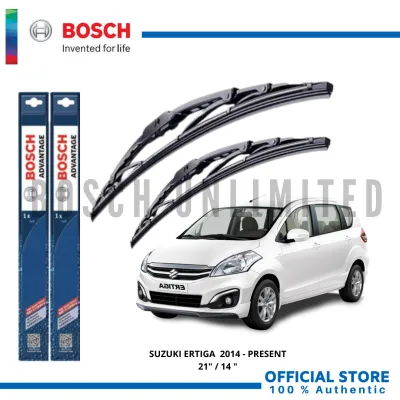
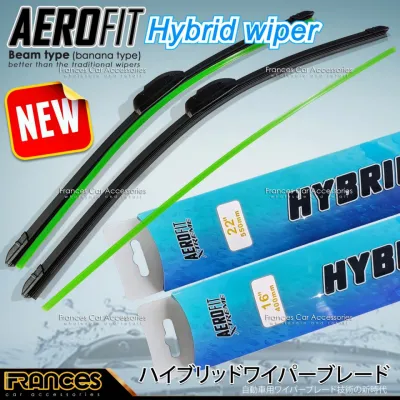
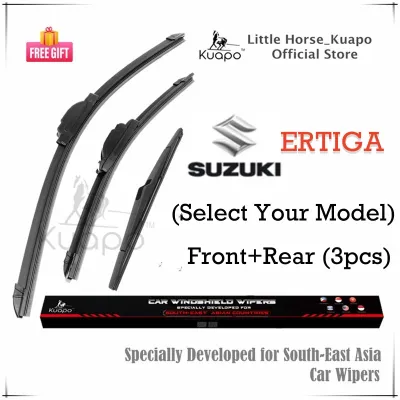
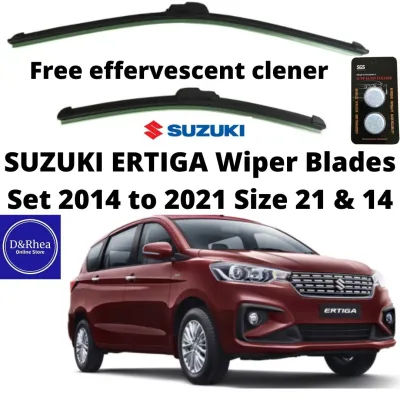
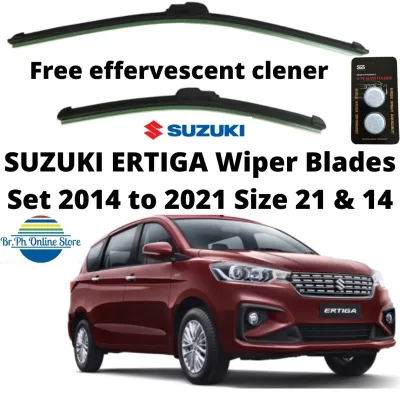
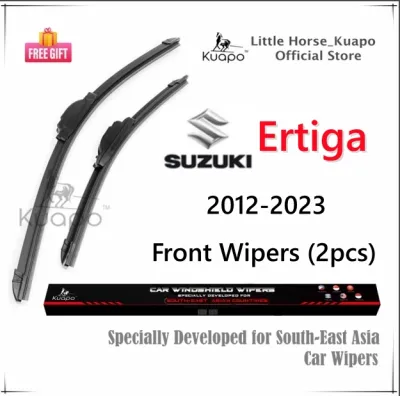
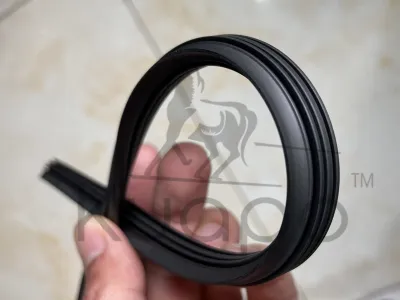
Prices are valid at publication and may change. Please refer to the product page for the latest price.
Assuming uniformity across different model years or trim levels is a frequent mistake that leads to compatibility issues. For instance, an Ertiga from the first generation may have slight differences in arm tension or clearance compared to a second-generation model or the hybrid variants. When browsing replacement options, cross-reference the exact manufacturing year of your vehicle with the manufacturer’s official application guide rather than relying on broad online search terms. Taking these physical measurements and verifying the hook style beforehand eliminates the guesswork and prevents the frustration of receiving parts that cannot be safely mounted to your vehicle.
Comparing Wiper Blade Designs for Your Driving Conditions
Wiper blades are generally categorized into three primary structural designs: conventional bracket, beam (flat), and hybrid. Conventional bracket blades use a metal frame with multiple pressure points to press the rubber against the glass. While these are often the most budget-friendly options, their exposed metal linkages can collect dust, road grime, and debris, which may lead to uneven pressure distribution over time. In contrast, beam blades feature a bracketless, curved steel strip encased in a synthetic rubber housing. This design allows the blade to conform more uniformly to the curved windshield of the Suzuki Ertiga, providing consistent wiping pressure across the entire length of the blade and reducing wind lift at higher highway speeds.

Hybrid wiper blades combine the aerodynamic, fully covered shell of a beam blade with the robust internal structure of a conventional bracket system. This design is highly favored by many MPV owners in the Philippines because it offers excellent debris protection while maintaining strong, even contact with the glass during heavy downpours. When driving through tropical storms, the aerodynamic casing of a hybrid blade prevents wind from lifting the wiper off the glass, ensuring that water is cleared efficiently even during high-speed highway travel.
The material composition of the wiping element is just as important as the structural design. Natural rubber blades are highly flexible and offer quiet, smooth operation when new, but they tend to degrade quickly under the intense heat and UV radiation characteristic of the Philippine climate. Over months of exposure to direct sunlight, natural rubber can dry out, crack, and lose its flexibility. Silicone wiper blades, while generally requiring a higher initial investment, offer superior resistance to UV rays, ozone, and extreme temperatures. Additionally, silicone blades naturally deposit a thin, water-repellent film on the windshield as they operate, causing rainwater to bead up and slide off more easily, which significantly improves visibility during sudden cloudbursts.
E-Commerce Purchasing Checklist to Avoid Fitment Errors
Shopping for automotive consumables on local e-commerce platforms and online marketplaces offers convenience, but it also requires a high level of vigilance to avoid counterfeit products or incorrect fitments. Before adding any wiper blades to your digital cart, make it a priority to verify the seller’s credentials. Look for official brand store badges, authorized distributor designations, or high seller ratings with a substantial history of positive transactions. Reading through customer reviews is particularly valuable; focus on reviews that include actual photos or videos of the packaging and the installed product on a Suzuki Ertiga to confirm that the items delivered match the listing descriptions.
Be cautious of online listings that use vague compatibility claims, such as labeling a product as “universal” without specifying the exact connector types included in the package. A listing should clearly state that it fits a J-hook arm and should explicitly list the compatible vehicle models and years. Avoid listings that bundle unrelated low-value accessories to inflate the price or make the deal seem more attractive than it is. If a seller cannot or will not confirm the exact length and connector compatibility for your specific Ertiga model year in the product description or through direct messaging, it is safer to look for another source.
Finally, always review the online platform’s return policy and the seller’s warranty terms before finalizing your purchase. Even with careful research, there is always a small risk that a product may arrive damaged or with a missing adapter. Ensure that the seller offers a straightforward return or replacement policy for fitment discrepancies. Keep in mind that a reputable seller will stand behind their product’s compatibility and provide clear instructions on how to initiate a return if the wiper blade does not securely lock onto your vehicle’s wiper arm.
Safe Installation Limits and Windshield Protection
Replacing your own wiper blades is a straightforward maintenance task, but it requires careful attention to safety to prevent costly damage to your vehicle. Before you begin, ensure your vehicle is parked on a level surface with the ignition turned off and the wiper switch set to the off position. The most critical safety precaution during this process is protecting your windshield glass. When you remove the old wiper blade, the bare metal wiper arm is held under strong spring tension; if it accidentally snaps back down onto the glass without a blade attached, it can easily crack or shatter the windshield. To prevent this, always place a thick, folded towel or a protective rubber mat directly on the glass underneath the wiper arm before you lift it.
When installing the new blade, carefully align the J-hook of the wiper arm with the connector adapter on the blade. Slide the blade onto the hook until you hear or feel a distinct click, which indicates that the locking tab has engaged securely. If you find yourself having to force the connection, or if the blade feels loose and wobbles after installation, stop immediately. Do not attempt to modify the connector or use adhesives to secure it. A poorly fitted wiper blade can detach while driving, scratching your windshield and creating a severe safety hazard during a rainstorm. If the fitment is not secure, consult the product manual or seek assistance from a qualified automotive technician.
Once both blades are securely installed, remove the protective towel from the windshield. Before driving, thoroughly clean the glass surface with a dedicated glass cleaner to remove any accumulated oils, road film, or old rubber residue that could cause the new blades to streak or chatter. Finally, test the operation of the new wipers by activating your vehicle’s windshield washer fluid system. Observe the sweep pattern to ensure the blades clear the water smoothly and quietly without skipping or leaving streaks, confirming that your Suzuki Ertiga is fully prepared for wet-weather driving.
Frequently Asked Questions (FAQ)
Can I use a slightly longer wiper blade for better coverage?
It is highly recommended to stick strictly to the manufacturer’s specified wiper blade lengths for your Suzuki Ertiga. Attempting to install a longer blade on either the driver or passenger side can cause the blades to overlap or collide during operation, potentially damaging the wiper motor, linkage, or the blades themselves. Additionally, an oversized blade may extend past the edge of the windshield glass, striking the A-pillar or the plastic cowl at the base of the windshield, which can lead to rapid wear of the wiper mechanism and distracting noises while driving.
How do I know when it is time to replace my wiper blades?
You should inspect your wiper blades regularly for physical signs of wear, especially before the onset of the rainy season. Common indicators that your blades need replacement include visible streaking across the glass, skipping or chattering noises during operation, and areas where the blade fails to make contact with the windshield. Physically inspect the rubber squeegee as well; if you notice any tearing, cracking, or hardening of the rubber due to intense tropical heat and UV exposure, it is time to install a new set to maintain optimal visibility.
Do I need to replace both wiper blades at the same time?
Yes, it is best practice to replace both the driver’s side and passenger’s side wiper blades at the same time. Because both blades are exposed to the same environmental conditions, UV radiation, and usage cycles, they tend to wear out at a similar rate. Replacing them as a matched pair ensures consistent wiping performance across your entire field of view and saves you the time and effort of performing the maintenance task twice within a short period.
Community discussion
Share your experience or ask a question. Comments are reviewed before publication.