
Maintaining a motorcycle requires a keen eye for performance changes and access to reliable replacement components, such as those sourced from trusted local suppliers like mr robert suzuki. For Suzuki owners in the Philippines, diagnosing engine issues early can mean the difference between a simple, inexpensive fix and a costly overhaul. Whether you ride a Raider R150, a Smash, or a V-Strom, understanding how to read your engine’s warning signs ensures your machine remains reliable on the road. Sourcing high-quality components from reputable suppliers is the first step toward restoring your motorcycle’s peak performance. This guide provides a detailed diagnostic roadmap to help you identify common engine issues, determine which specific parts require replacement, and decide when to handle the repair yourself or seek professional assistance.
Recognizing Early Warning Signs of Engine Trouble
Before picking up any tools, a rider must learn to observe the subtle clues a motorcycle engine provides when things start to go wrong. Early detection prevents minor component wear from cascading into catastrophic failure. These warning signs generally fall into three distinct categories: visual, auditory, and operational.
- Visual Cues: Keep a close eye on your exhaust emissions. Blue smoke typically indicates that engine oil is bypassing the piston rings or valve guide seals and burning in the combustion chamber. White smoke, on the other hand, often points to coolant entering the combustion chamber—a common issue in liquid-cooled models with a blown head gasket. Thick black smoke usually signals an overly rich fuel mixture, pointing to carburetor or fuel injection issues. Additionally, regularly inspect the exterior of the engine block, cylinder head, and crankcase seals for oil or coolant weeping, which indicates failing gaskets or O-rings.
- Auditory Cues: A healthy Suzuki engine has a consistent, rhythmic mechanical sound. If you notice a sharp, metallic ticking sound from the top of the engine that increases in frequency with the engine speed (RPM), it often indicates excessive valve clearance or a worn cam chain tensioner. A deeper, heavier metallic knocking or thudding sound from the lower portion of the engine is far more serious, frequently pointing to worn crankshaft bearings or connecting rod play. A high-pitched whining or whistling sound can indicate vacuum leaks or failing internal bearings.
- Performance Cues: Pay attention to how the motorcycle behaves during daily operation. Hard starting when the engine is cold, a rough or erratic idle that requires you to keep feathering the throttle, or sudden hesitation and bogging when you accelerate are clear signs of underlying issues. These symptoms often point to fuel delivery restrictions, ignition system weaknesses, or compression loss.
- Low-Risk Observation: At this initial stage, your diagnostic process should remain entirely non-invasive. Avoid the temptation to immediately disassemble the engine. Instead, focus on checking fluid levels, inspecting the spark plug tip color, checking the battery voltage with a multimeter, and listening carefully to the engine at idle. This disciplined approach ensures you gather accurate diagnostic data before making any repair decisions.
Troubleshooting Common Suzuki Engine Issues and Parts to Replace
To help you quickly identify the root cause of your motorcycle’s symptoms, the table below maps common operational issues to their likely causes and the specific replacement parts needed to fix them.
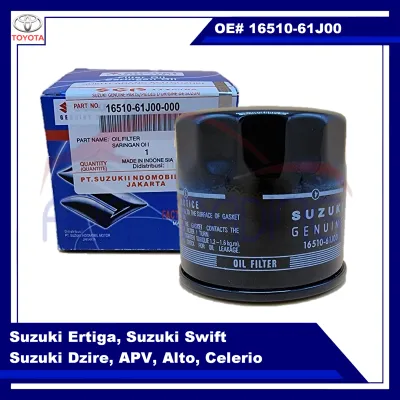
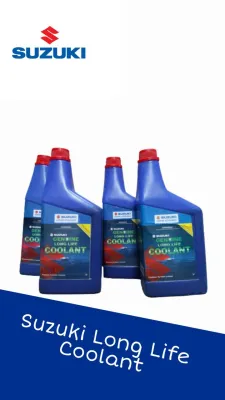
Products mentioned in this guide
![[2 Pcs REAR] Shock Absorber 2014-2018 Suzuki Ertiga GEN1 - KYB Brand](https://img.lazcdn.com/g/p/099e4ba093056bc299244c201eb88ee4.jpg_400x400q80.jpg_.webp)
Prices are valid at publication and may change. Please refer to the product page for the latest price.

| Symptom | Likely Cause | Replacement Part | Estimated Part Cost (PHP) |
|---|---|---|---|
| Engine clicks or fails to crank | Dead battery, faulty starter relay, or worn starter motor | Motorcycle Battery, Starter Relay, or Starter Motor | ₱800 – ₱3,500 |
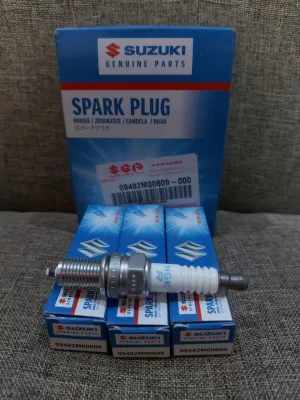
| Hard starting, weak spark | Fouled or worn spark plug, failing ignition coil | Spark Plug (Iridium/Standard), Ignition Coil | ₱150 – ₱1,800 |
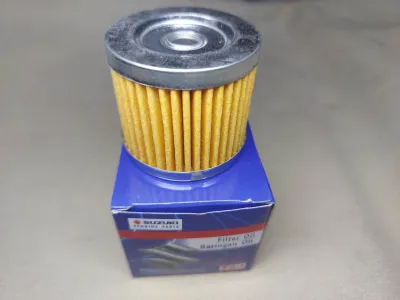
| Engine bogs on acceleration | Clogged fuel filter, dirty injector, or air leak | Fuel Filter, Fuel Injector, or Intake Manifold Boot | ₱300 – ₱2,500 |
| Metallic ticking from top end | Loose valves or stretched timing chain | Valve Shims, Cam Chain, or Tensioner | ₱400 – ₱3,000 |
| Rapid overheating, coolant loss | Stuck thermostat, failing water pump, or clogged radiator | Thermostat, Water Pump Repair Kit, or Radiator | ₱500 – ₱4,500 |
Starting Failures and Electrical Faults
When you press the starter button and hear nothing but a single loud click, or if the engine turns over incredibly slowly before dying, the electrical starting circuit is the primary suspect. This issue is highly common in urban areas where stop-and-go traffic prevents the charging system from fully replenishing the battery.
- Symptoms: The starter motor fails to spin, the instrument cluster lights dim significantly when the starter button is pressed, or you hear a rapid clicking sound from under the seat.
- Likely Causes & Parts: The most common culprit is a weak or discharged lead-acid or lithium battery. Over time, sulfation reduces the battery's capacity to hold a charge, requiring a complete replacement. If the battery tests healthy (above 12.6 volts static), the issue may lie in a faulty starter relay (solenoid) that is failing to bridge the high-amperage current to the starter motor. Additionally, worn copper brushes inside the starter motor itself or a failing stator and regulator-rectifier unit can prevent the battery from charging while riding.
- Actionable Advice: Before purchasing any new parts, clean the battery terminals using a wire brush to remove white corrosion. Tighten the terminal bolts securely, as loose connections mimic a dead battery. Use a digital multimeter to verify that the charging system is outputting between 13.5 and 14.5 volts while the engine is running at 3,000 RPM.
Power Loss, Stalling, and Fuel Delivery Issues
A sudden loss of power, hesitation when opening the throttle, or stalling when idling at traffic lights points directly to an imbalance in the engine’s air-fuel mixture. In the Philippines, fuel quality variations and airborne dust can accelerate fuel system clogging.
- Symptoms: The engine starts but struggles to maintain a steady idle, feels sluggish under load, or cuts out completely when you roll off the throttle.
- Likely Causes & Parts: A clogged fuel filter restricts the flow of fuel from the tank, starving the engine at high RPMs. For fuel-injected Suzuki models, a partially clogged injector nozzle disrupts the fuel spray pattern, while carbureted models suffer from varnish buildup in the pilot and main jets. Cracks in the rubber intake manifold boot (insulator) allow unmetered air to enter the engine, creating a lean condition. A failing throttle position sensor (TPS) can also send incorrect signals to the engine control unit (ECU), causing severe acceleration hesitation.
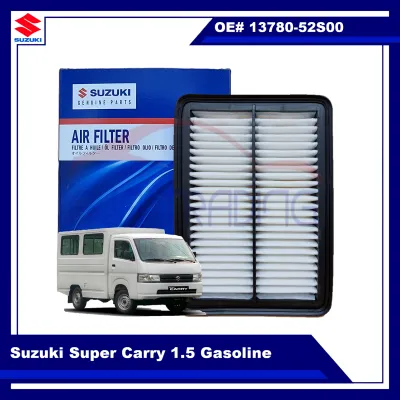
- Actionable Advice: Check for vacuum leaks by spraying a small amount of carburetor cleaner around the rubber intake boot while the engine is idling; if the idle speed changes, the boot is cracked and must be replaced. Inspect the air filter element first, as a heavily dust-clogged filter will choke the engine and cause similar rich-running symptoms.
Unusual Engine Noises and Internal Wear
Mechanical noises that persist or grow louder as the engine warms up indicate physical wear on moving internal components. Ignoring these sounds can lead to catastrophic engine lockups at high speeds.
- Symptoms: A persistent, rapid metallic ticking from the cylinder head, a heavy, rhythmic knocking from the crankcase, or a loud rattling sound on startup that sounds like a loose chain.
- Likely Causes & Parts: A loud rattle on startup often indicates a worn cam chain or a failing automatic cam chain tensioner that can no longer maintain proper tension on the chain guide. Ticking that scales with engine speed typically points to valve clearances that have drifted out of the manufacturer's specified range, requiring new valve shims or adjustment. A deep, heavy knock indicates worn crankshaft main bearings or connecting rod big-end bearings. Excessive exhaust smoke combined with a loss of compression points to worn piston rings or a scored cylinder wall.
- Safety Boundary: Internal engine repairs—such as replacing piston rings, valves, or crankshaft bearings—require precision measuring instruments like micrometers and dial indicators. Always consult the official Suzuki service manual for your specific model's torque specifications and clearance tolerances. If you do not possess these specialized tools and a high-quality torque wrench, do not attempt to disassemble the engine crankcase yourself, as improper assembly can cause immediate engine destruction.
Overheating and Cooling System Failures
Operating a motorcycle in hot, humid tropical conditions puts immense stress on the cooling system. Overheating can quickly warp aluminum cylinder heads and ruin internal engine seals.
- Symptoms: The coolant temperature warning light illuminates on the dashboard, coolant overflows into the expansion tank or leaks onto the ground, or you notice steam rising from the radiator.
- Likely Causes & Parts: Low coolant levels due to external leaks or an internal head gasket failure are primary causes. A stuck-closed thermostat will block coolant from flowing to the radiator, causing rapid overheating within minutes of starting. A worn water pump impeller or a leaking water pump mechanical seal prevents proper coolant circulation. Additionally, bent radiator fins or a buildup of road grime can severely reduce the radiator's heat dissipation efficiency.
- Actionable Advice: Never attempt to open the radiator cap while the engine is hot or warm. The cooling system is highly pressurized, and opening the cap can release boiling coolant and steam, causing severe burns. Allow the engine to cool completely for at least one hour before checking the coolant level or adding a pre-mixed ethylene glycol coolant.
Safe DIY Checks vs. Professional Service: Sourcing with Mr. Robert Suzuki
Deciding whether to tackle a motorcycle repair yourself or hand it over to a professional is a critical decision that affects both your safety and your wallet. Sourcing your components from a reliable provider like mr robert suzuki ensures you have access to high-quality parts, but executing the repair requires an honest assessment of your mechanical skills.
- Safe DIY Operations: Routine maintenance and external component replacements are excellent projects for the home mechanic. Tasks such as checking and topping up engine oil, replacing the spark plug, swapping out a dirty air filter, replacing the battery, and installing a new starter relay require only basic hand tools. Replacing external sensors, such as the engine temperature sensor or throttle position sensor, is also highly manageable if you follow the step-by-step diagnostic procedures outlined in your owner's manual.
- Professional Intervention Criteria: Complex repairs that require opening the engine's pressure boundaries must be left to qualified professionals. This includes replacing the piston, piston rings, valves, cam chains, crankshaft bearings, or repairing a damaged transmission. Additionally, troubleshooting complex electrical wiring harnesses, diagnosing intermittent ECU fault codes, or performing precision cylinder boring require specialized diagnostic computers and machining equipment that are not found in a typical home garage.
- Choosing a Service Provider: When professional intervention is required, always take your motorcycle to an authorized Suzuki service center or a highly reputable local motorcycle specialist. Ensure they use genuine OEM parts or certified high-quality aftermarket components sourced from trusted distributors like mr robert suzuki. Using cheap, unbranded counterfeit parts in critical engine areas is a major safety risk and often leads to premature engine failure.
- Safety & Warranty Boundaries: Attempting to perform advanced internal repairs on your own can immediately void any active manufacturer warranty. Furthermore, bypassing safety switches—such as the clutch safety switch or the side stand switch—compromises rider safety. If a repair step requires specialized Suzuki diagnostic tools, pull back immediately and consult a professional technician to ensure the motorcycle remains road-legal and safe to operate on public roads.
Preventive Maintenance for Suzuki Engine Longevity
The key to avoiding unexpected breakdowns and expensive parts replacements is a disciplined preventive maintenance routine. By protecting your engine from premature wear, you preserve its performance and fuel efficiency for years to come.
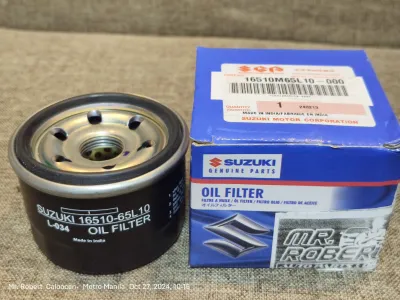
- Fluid Management: Regularly changing your engine oil is the single most important maintenance task you can perform. Engine oil lubricates moving parts, cools internal components, and suspends harmful combustion byproducts. Always adhere to the service intervals specified in your Suzuki owner's manual, and use only the recommended oil viscosity (such as 10W-40 or 10W-50, depending on the model) and API/JASO specifications. Never run the engine with low oil levels, as starvation will destroy the camshafts and crankshaft bearings within minutes.
- Cooling System Care: For liquid-cooled Suzuki models, the cooling system requires periodic maintenance to prevent internal scale buildup and corrosion. Flush the radiator and engine block according to the manufacturer's schedule, typically every two years. Always use a high-quality, pre-mixed ethylene glycol coolant formulated specifically for aluminum motorcycle engines, and avoid using tap water, which contains minerals that can clog the delicate tubes inside the radiator.
- Air Filtration: The air filter is your engine's first line of defense against abrasive dust and road debris. In the highly humid and dusty environments common across the Philippines, air filters can clog much faster than the standard service intervals suggest. Inspect the air filter element every 3,000 kilometers, and clean or replace it immediately if it appears dirty. A clean air filter ensures optimal airflow, preventing an overly rich fuel mixture that can wash oil off the cylinder walls and accelerate piston ring wear.
- Operational Habits: Your riding habits play a massive role in engine longevity. Avoid starting your motorcycle and immediately revving the engine or riding aggressively. Allow the engine to idle for at least 30 to 60 seconds upon cold startup; this brief period allows the oil pump to distribute lubricant to the cylinder head and top-end components. Avoid riding at sustained high RPMs or overloading the motorcycle beyond its rated capacity, as excessive heat is the ultimate enemy of internal engine components.
Community discussion
Share your experience or ask a question. Comments are reviewed before publication.