
Finding the correct engine air filter and cabin air filter for your Suzuki Spresso is essential to maintaining both engine health and interior air quality. Because this compact hatchback is designed for efficient urban commuting and occasional long drives, its filters must handle a variety of environmental challenges, from dusty provincial roads to congested city traffic. To ensure a perfect fit, you must verify the physical dimensions, OEM part numbers, and housing designs specific to your Spresso’s model year and engine variant. Using mismatched filters can lead to unfiltered air bypassing the media, potentially causing engine wear or letting dust and allergens pollute your cabin.
In tropical climates like the Philippines, where high humidity, heavy downpours, and airborne dust are common, filters tend to clog more rapidly. Regularly inspecting and replacing these components not only protects your vehicle’s mechanical systems but also ensures that your air conditioning system operates efficiently. This guide provides a comprehensive framework to help you identify the correct specifications, evaluate online listings, select high-quality materials, and perform safe pre-installation checks.
Identifying the Correct Filter Specifications for Your Spresso
To avoid purchasing the wrong parts, you must first pinpoint the exact Original Equipment Manufacturer (OEM) specifications for your Suzuki Spresso. The Spresso has been produced with slight mechanical updates over the years, such as the transition from the K10B engine to the K10C Dualjet engine in newer model years. These updates can sometimes introduce subtle changes to the engine bay layout, including the shape and size of the air cleaner assembly. Consequently, assuming a single filter fits all model years can lead to compatibility issues.
Products mentioned in this guide
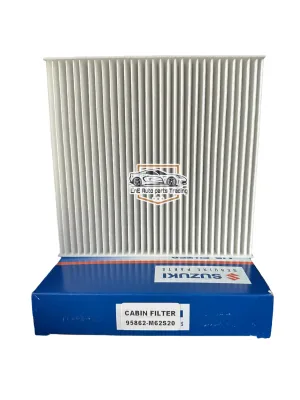
Prices are valid at publication and may change. Please refer to the product page for the latest price.
Your primary source of truth is the vehicle owner’s manual, which lists the recommended part numbers and maintenance specifications. If the manual is unavailable, you can physically inspect the existing filters. The engine air filter is housed in a black plastic box located under the hood, typically secured by metal clips. Removing this filter and checking its plastic frame or rubber gasket will often reveal a stamped OEM part number. Similarly, the cabin air filter is located behind the glove compartment; sliding it out of its slot allows you to check for any printed identification codes or brand markings.
It is crucial to distinguish between the engine air filter and the cabin air filter, as they serve entirely different functions and are not interchangeable. The engine air filter prevents abrasive dust, sand, and debris from entering the engine’s combustion chambers, safeguarding internal components from premature wear. The cabin air filter, on the other hand, purifies the air circulating through your vehicle’s heating, ventilation, and air conditioning (HVAC) system, trapping road dust, pollen, and exhaust soot before they reach the cabin occupants.
When documenting your filter specifications, measure the physical dimensions of your current filters. Note the exact length, width, and height in millimeters. Even a minor discrepancy of two or three millimeters can prevent a replacement filter from seating correctly in its housing. A loose fit allows unfiltered air to bypass the filter media, rendering the replacement ineffective and potentially exposing your engine or cabin to airborne contaminants.
Evaluating Online Listings and Brand-Specific Options
When shopping for replacement filters on ecommerce platforms or specialized automotive sites, you will encounter a vast array of aftermarket options. Navigating these listings requires a systematic verification process to ensure you receive a product that matches your vehicle’s requirements. Many owners search for specific online merchants or terms like danzie store suzuki spresso to locate compatible aftermarket filters, but you must still perform due diligence on the individual product specifications.

Start by cross-referencing the seller’s product descriptions and images with your verified OEM part numbers. Do not rely solely on generic product titles that claim to fit all Suzuki models, as these titles are often optimized for search visibility rather than technical accuracy. Look for listings that display clear, high-resolution photos of the product packaging, the filter media, and the frame. Reliable listings should explicitly state the compatible model years and engine types for the Suzuki Spresso.
Customer reviews and seller return policies are invaluable resources when buying automotive consumables online. Look for reviews specifically written by other Suzuki Spresso owners, paying close attention to feedback regarding fitment, material quality, and ease of installation. If multiple buyers report that a filter was too tight, too loose, or arrived warped, it is wise to consider alternative options. Additionally, ensure the seller offers a clear return or exchange policy in case the filter does not match your vehicle’s housing upon arrival.
Always compare the physical dimensions listed in the online product details against the measurements you took from your old filter. Aftermarket manufacturers may use slightly different molding processes, which can affect the thickness of the outer seal or the rigidity of the frame. If an online listing does not provide precise millimeter measurements, contact the seller directly to request them before finalizing your purchase. Taking these precautions minimizes the risk of receiving an unusable part and ensures a smooth maintenance process.
Selection Criteria for Engine Air Filters
Choosing the right engine air filter requires evaluating the construction quality and materials of the aftermarket options. The primary role of this filter is to balance high filtration efficiency with optimal airflow. A high-quality filter features a dense pleat count; more pleats increase the total surface area of the filter media, allowing it to trap more dust over its lifespan without restricting the air intake. Inspect the pleats to ensure they are evenly spaced and do not collapse easily under light finger pressure.
Frame rigidity and seal quality are equally important factors. The outer frame of the engine air filter must be sturdy enough to maintain its shape under the vacuum pressure generated by the engine. The gasket—typically made of polyurethane or rubber—should be soft, pliable, and free of manufacturing defects. When installed, this gasket must compress slightly to form an airtight seal within the air box. A stiff or cracked gasket will fail to seal properly, allowing dirty air to bypass the filter and enter the engine.
Consider your typical driving environment when choosing between standard paper media and synthetic options. Standard cellulose (paper) filters are highly effective and cost-efficient for daily driving on paved city streets. However, if you frequently travel on unpaved provincial roads or in areas with heavy construction, synthetic or cotton-gauze filters may offer superior dust-holding capacity. Synthetic media is often more resistant to moisture, which is beneficial in high-humidity tropical climates where damp paper filters can degrade or restrict airflow.
Avoid purchasing overly restrictive filters that claim extreme filtration levels at the expense of air permeability. An engine needs a steady supply of oxygen to maintain efficient combustion; a highly restrictive filter can cause the engine to work harder, leading to reduced fuel economy and sluggish throttle response. Look for reputable aftermarket brands that specify a balance between filtration standards and airflow capacity, ensuring your Spresso’s engine remains protected without sacrificing performance.
Selection Criteria for Cabin Air Filters
Selecting a cabin air filter directly impacts the comfort and health of everyone inside your Suzuki Spresso. In tropical regions characterized by high humidity and dense urban traffic, the cabin filter must work efficiently to keep the interior air clean and prevent the air conditioning system from emitting unpleasant odors. The first decision you must make is choosing between a standard particulate filter and an activated carbon variant.
Standard particulate filters are typically made of non-woven synthetic fibers or paper media. They are highly effective at trapping physical particles such as road dust, pollen, and soot, making them a budget-friendly choice for general driving. Activated carbon filters feature an additional layer of treated charcoal embedded within the media. This carbon layer adsorbs harmful gases, exhaust fumes, and airborne odors, providing a much cleaner cabin environment if you frequently commute through heavy traffic or industrial areas. While activated carbon filters generally cost more ₱ than standard options, the improvement in air quality is often worth the investment.
When evaluating cabin filters, verify the presence of clear airflow direction markings. Cabin filters are engineered to trap particles in one direction; installing them upside down can restrict the airflow of your air conditioning blower and cause the filter media to bend or collapse. Look for printed arrows on the side of the filter frame, usually labeled “AIR FLOW” or “UP,” and ensure they match the direction of airflow specified in your vehicle’s HVAC housing.
Finally, ensure the cabin filter’s frame is robust enough to prevent bypass. Flimsy cabin filters can warp or sag inside the housing over time, especially when exposed to high humidity. This warping creates gaps around the edges, allowing dust and mold spores to bypass the filter and accumulate on your air conditioning evaporator core. A dirty evaporator core not only reduces cooling efficiency but can also become a breeding ground for bacteria, leading to musty smells inside your vehicle.
Pre-Installation Checks and Safety Boundaries
Before beginning the replacement process, park your Suzuki Spresso on a flat, level surface, engage the handbrake, turn off the engine, and remove the key from the ignition. If you have recently driven the vehicle, allow the engine bay to cool completely to avoid burns from hot engine components or the radiator. Safety should always be your top priority when performing any DIY vehicle maintenance.
Locate the filter housings and identify the correct tools required for the job. The engine air filter housing on the Spresso is typically secured by quick-release plastic tabs or metal clips that can be opened by hand. The cabin air filter housing is accessed by opening the glove box, gently squeezing the sides inward to release the stop tabs, and lowering the glove box door completely. Behind it, you will find a rectangular plastic cover that clips into place. Avoid using excessive force or improper tools, such as oversized screwdrivers, which can easily crack or strip the delicate plastic fasteners.
Once you open the housings, perform a thorough inspection of the interior chambers before inserting the new filters. Use a clean, damp microfiber cloth to wipe away any accumulated dust, leaves, or moisture inside the housing boxes. Ensure that the housing seals are intact and that there are no signs of water intrusion or debris buildup. If you find standing water or signs of mold inside the cabin filter housing, it may indicate a clogged AC drain line that needs to be cleared before installing the new filter.
Establish clear safety boundaries and know when to seek professional assistance. If any plastic clips, covers, or fasteners resist removal, do not force them, as aged plastic can become brittle and snap easily. If you encounter damaged wiring, signs of rodent nesting, or if your vehicle’s dashboard warning lights illuminate after reassembly, stop the process immediately. Consult a qualified automotive technician or visit an authorized service center to resolve these underlying issues safely.
Frequently Asked Questions (FAQ)
How often should I replace the air and cabin filters on my Suzuki Spresso?
As a general guideline, you should refer to your Suzuki Spresso owner’s manual for the manufacturer’s recommended maintenance intervals. Typically, the engine air filter should be replaced every 20,000 to 40,000 kilometers, while the cabin air filter should be replaced every 10,000 to 15,000 kilometers. However, these intervals should be adjusted based on your local driving conditions. In highly polluted urban areas or dusty provincial regions, filters accumulate debris much faster. Perform a visual inspection of both filters every 5,000 kilometers; if the media appears dark grey, clogged with dirt, or if you notice a drop in AC airflow or engine responsiveness, replace them immediately.
Can I wash and reuse a standard paper engine air filter?
No, you should never attempt to wash or reuse a standard paper or disposable synthetic engine air filter. These filters are designed for single-use filtration, and exposing them to water, soap, or cleaning solvents will destroy the delicate fiber structure of the media. This destruction causes the fibers to swell, tear, or lose their filtration efficiency entirely. Additionally, using compressed air to blow dust out of a paper filter can create microscopic tears that are invisible to the naked eye, allowing abrasive particles to pass directly into your engine. If you prefer a reusable option, you must purchase a specific, manufacturer-approved washable performance filter and clean it using only the designated cleaning kits.

Community discussion
Share your experience or ask a question. Comments are reviewed before publication.