
Finding the ideal bag for a motorcycle rider is not about choosing a universally superior product, but rather matching your luggage to your motorcycle’s physical mounting points, your riding posture, and your specific cargo requirements. The right setup ensures your gear remains secure, dry, and balanced without compromising your control over the machine. Generally, tank bags excel at providing quick access to small essentials, tail bags offer compact and aerodynamic storage for daily commuting, and saddlebags deliver the high-volume capacity needed for long-distance touring. Selecting the right option requires analyzing how each style interacts with your motorcycle’s geometry and your personal riding habits.
Evaluating Your Motorcycle's Mounting Points and Ergonomics
Before comparing the storage capacity or aesthetic appeal of different luggage options, you must determine what your motorcycle can physically and safely support. Not every bike is built to carry every type of bag, and forcing a mismatch can lead to damaged bodywork, compromised handling, or even mechanical failure. Begin by conducting a thorough physical inspection of your motorcycle, starting from the front and working your way to the rear fender.
First, inspect your fuel tank’s material and shape. Metal tanks easily accommodate magnetic mounting systems, which are highly convenient for quick removal. However, if your motorcycle features a plastic fuel tank, carbon fiber panels, or a decorative plastic tank shroud, magnetic bags will not adhere, requiring you to look at strap-based or tank-ring mounting systems instead. Additionally, highly angled or sculpted tanks may limit the footprint of the bag, causing it to sit unevenly or slide during acceleration.
Products mentioned in this guide
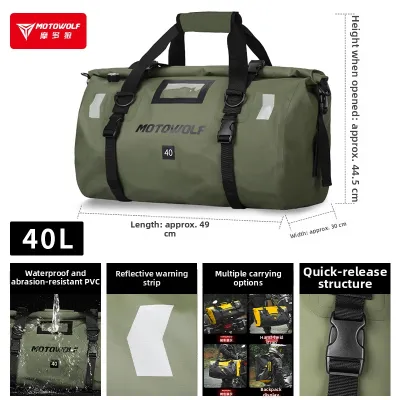
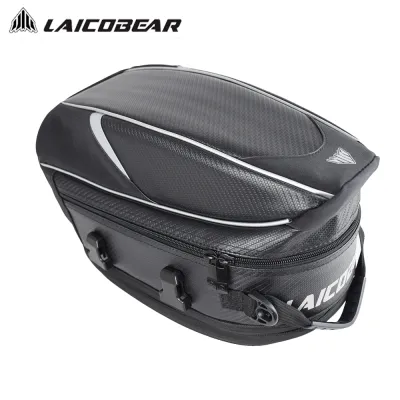
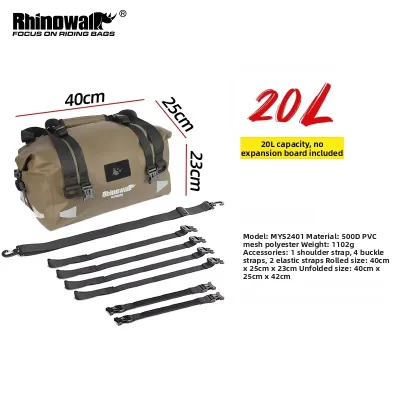
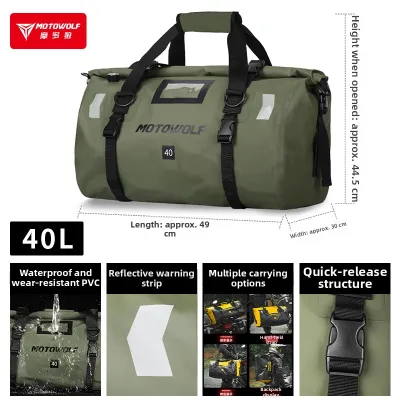
Prices are valid at publication and may change. Please refer to the product page for the latest price.
Next, examine the rear portion of your motorcycle. If you plan to use a tail bag, look closely at the seat contours, the availability of pillion space, and the design of the rear subframe. A flat, wide passenger seat or a dedicated rear luggage rack provides a stable foundation for a tail bag, whereas narrow, sloped pillion seats on sportbikes offer very little surface area. You must also locate secure, non-moving structural points—such as passenger footpeg brackets, subframe rails, or dedicated cargo hooks—where you can safely route mounting straps.
Finally, if you are considering side-mounted luggage, verify the clearance around your rear side panels. You must account for the angle and height of your exhaust pipe, the travel of your rear suspension, and the position of your rear turn signals. Saddlebags that sag or sit too close to the rear wheel can get caught in moving parts, while bags positioned too close to the exhaust can scorch or melt. Ensuring your bike has the physical space and mounting points for these bags is the essential first step before making any purchase.
Tank Bags: Accessibility and Front-End Storage
Tank bags sit directly in front of the rider, making them the most accessible storage solution on a motorcycle. They are designed to keep your most important items—such as your phone, wallet, registration documents, rain gear, and small tools—within arm’s reach. Because they position the weight centrally over the motorcycle’s center of gravity, they have a minimal impact on handling compared to heavy rear-mounted luggage.

When choosing a tank bag, the mounting system is your primary consideration. Magnetic bags use powerful magnets sewn into fabric flaps to cling to steel tanks, offering rapid mounting and removal at the cost of potential paint scratches if dust gets trapped underneath. Strap-on bags are highly secure and universal, but they require routing straps around the headstock and under the seat, which makes refueling more tedious. Tank-ring systems use a mechanical receiver bolted directly to the fuel filler cap ring, allowing the bag to click into place without touching the paint, though they require a model-specific adapter.
Ergonomics and clearance are critical when mounting a bag directly in front of your torso. A tank bag that is too tall or too long can restrict your riding posture, forcing you into an awkward position or preventing you from tucking in on highway rides. More importantly, you must verify that the bag does not interfere with your steering. Turn your handlebars fully from lock to lock; the bag must not pinch your fingers against the tank, restrict your turning radius, or accidentally engage buttons like the horn, starter, or kill switch.
For daily riding in tropical climates, a tank bag is incredibly practical for managing quick-access items. Many models feature clear, touchscreen-compatible top pockets that allow you to view navigation maps or smartphones while keeping them protected from sudden downpours. However, because they sit in a highly visible and exposed area, you should always choose a model that is easy to detach so you can carry your valuables with you when leaving the motorcycle unattended.
Tail Bags: Compact Rear Cargo for Commuting
Tail bags are designed to sit flat on the passenger seat or a rear luggage rack, making them an excellent aerodynamic choice for daily commuters and solo riders. By placing the cargo directly behind the rider’s body, tail bags sit in a low-pressure pocket of air, minimizing wind drag and preserving the motorcycle’s natural handling characteristics. They offer a clean, self-contained storage space that is ideal for carrying a change of clothes, a laptop, or daily groceries.
However, the convenience of a tail bag comes with a clear trade-off regarding passenger space. Because the bag mounts directly to the pillion seat, you generally cannot carry a passenger while using one. If you occasionally ride two-up, you will need a tail bag that can be quickly unclipped or shifted onto an aftermarket rear rack. You must also ensure the bag’s base matches the width of your seat; an oversized tail bag can sag over the sides, leading to instability and potential contact with the rear tire.
Securing a tail bag requires careful planning of the strap routing. You must avoid wrapping straps around moving parts like the swingarm, or placing them near hot exhaust components. Loose, flapping strap ends are a significant safety hazard; they can easily wind around the rear wheel hub or chain, leading to a sudden lockup. Always use the integrated strap keepers or trim and singe excess strap length to ensure everything remains tight and tidy throughout your journey.
Additionally, you must respect the structural limits of your motorcycle’s rear end. Consult your owner’s manual to check the maximum weight capacity of the rear subframe, grab rails, or passenger seat area. Overloading a tail bag, especially when mounted far back on an extended luggage rack, can alter the motorcycle’s weight distribution, making the front wheel feel light and reducing steering precision. Keeping your cargo within the manufacturer’s specified limits ensures a safe and predictable ride.
Saddlebags: High-Volume Luggage for Touring
Saddlebags, also known as panniers, are the definitive choice for long-distance touring, camping trips, or any scenario requiring maximum storage capacity. By splitting the cargo load into two bags positioned on either side of the rear wheel, saddlebags allow you to carry substantial weight while keeping the motorcycle’s center of gravity relatively low. This lateral positioning helps maintain high-speed stability, provided the weight is distributed evenly between both sides.
When exploring saddlebags, you must choose between hard and soft luggage systems. Hard saddlebags, typically constructed from aluminum or heavy-duty plastics, offer superior weatherproofing, structural protection in a tip-over, and lockable security for peace of mind when parked. However, they require rigid, model-specific mounting racks that add permanent weight and width to the motorcycle. Soft saddlebags are lighter, more flexible, and often more affordable, but they require careful strapping and may still need lightweight support racks to keep them from pulling inward toward the rear wheel.
Physical clearance is the most critical safety factor when installing saddlebags. You must verify that the bags do not contact the rear suspension springs throughout their full range of travel. Furthermore, the bags must maintain a safe distance from the exhaust pipe; even heat-resistant materials can degrade or catch fire under prolonged exposure to hot exhaust gases. If your motorcycle has high-mount exhausts, you may need to install dedicated heat shields or opt for specialized, high-clearance saddlebag designs.
Proper packing is essential to preserve your motorcycle’s handling dynamics when using saddlebags. Always place your heaviest items—such as tools, spare parts, or heavy locks—at the very bottom of the bags and as close to the center of the motorcycle as possible. Unequal weight distribution between the left and right bags can cause the motorcycle to pull to one side, making cornering unpredictable and increasing rider fatigue over long distances.
Decision Matrix: Matching the Bag to Your Riding Style
To help you finalize your choice, the following matrix compares the three primary motorcycle bag types across key operational categories. Use this guide to match your specific motorcycle layout and riding habits to the most compatible luggage style.
| Bag Type | Ideal Bike Style | Typical Cargo Volume | Mounting Difficulty | Passenger Compatibility |
|---|---|---|---|---|
| Tank Bag | Sport, Naked, Adventure, Cruiser | 5L to 20L | Low to Medium | Fully Compatible |
| Tail Bag | Commuter, Sport, Adventure, Dual-Sport | 10L to 40L | Low | Incompatible (unless using a rear rack) |
| Saddlebags | Touring, Cruiser, Adventure | 30L to 90L (combined) | Medium to High | Highly Compatible (with proper racks) |
Choose a tank bag if:
- You need immediate access to navigation, toll fees, wallets, or communication devices without getting off the motorcycle.
- You ride a variety of motorcycles and want a highly portable bag that can be transferred between bikes quickly.
- You frequently carry a passenger and cannot afford to lose access to the pillion seat.
Opt for a tail bag if:
- Your daily routine involves solo commuting with a moderate amount of gear, such as a laptop, lunchbox, or rain suit.
- You prefer a streamlined, aerodynamic profile that does not interfere with your steering or front-end ergonomics.
- Your motorcycle has a sturdy rear rack or a flat passenger seat that provides a stable mounting platform.
Select saddlebags if:
- You plan to embark on multi-day touring trips, camping adventures, or long-distance rides requiring extensive gear.
- You need to carry heavy, bulky items that would upset the balance of the motorcycle if placed in a tank or tail bag.
- Your motorcycle is equipped with, or can accommodate, the necessary side racks and exhaust heat shields required for safe mounting.
Pre-Purchase Verification and Safety Checks
Before finalizing your purchase, you must perform a few critical safety and compatibility checks to ensure your selected bag performs reliably on the road. Start by verifying the manufacturer’s maximum weight limits and comparing them to your intended cargo. Never exceed the weight ratings of the bag itself, your motorcycle’s subframe, or your mounting brackets, as overloading can lead to structural failure at highway speeds.
In the Philippines, where sudden tropical downpours are common, pay close attention to waterproofing specifications. Check if the bag is constructed from inherently waterproof materials with welded seams, or if it relies on an external rain cover. If you choose a bag with a rain cover, ensure the cover fits snugly and features a secure drawstring to prevent it from ballooning or blowing off at high speeds.
Prices for motorcycle luggage vary widely depending on materials, mounting hardware, and brand certification. Entry-level strap-on tank bags and soft tail bags typically range from ₱1,500 to ₱5,000, while premium tank-ring systems and heavy-duty soft saddlebags can cost between ₱6,000 and ₱15,000. If you opt for hard panniers, expect to invest ₱15,000 to ₱35,000 or more, factoring in the additional cost of model-specific mounting brackets. Always purchase from authorized dealers to ensure you receive genuine mounting hardware and a valid warranty.
Finally, confirm the retailer’s return policy before checking out. Once your bag arrives, test-fit it on your motorcycle immediately without removing the tags or mounting it permanently. Verify that the bag does not block your view of the instrument cluster, interfere with your handlebar controls, obstruct your rear turn signals, or touch your exhaust. If any safety or clearance issues arise during this initial dry fit, return or exchange the bag for a style better suited to your motorcycle’s layout.
Frequently Asked Questions (FAQ)
Can I use a magnetic tank bag on a plastic fuel tank?
No, magnetic tank bags require a steel or iron surface to adhere securely. If your motorcycle has a plastic fuel tank, carbon fiber panels, or a decorative plastic tank shroud, the magnets will have nothing to cling to, posing a severe safety risk if the bag slides off while riding. For motorcycles with non-metal tanks, you should use a strap-on tank bag or a mechanical tank-ring system that bolts directly to your fuel filler cap.
How do I prevent my tail bag from melting near the exhaust?
To prevent your tail bag from melting, you must maintain a safe physical distance between the bag and your exhaust pipe, typically at least several inches of clear air space. Always check the bag manufacturer’s instructions for specific clearance recommendations and heat-resistance ratings. If your motorcycle’s exhaust sits high or your bag hangs low, install an aftermarket exhaust heat shield or a dedicated metal luggage rack to keep the fabric from contacting hot metal surfaces.
Community discussion
Share your experience or ask a question. Comments are reviewed before publication.