
Selecting the right motorcycle helmet is one of the most critical decisions a rider can make. In the Philippines, where daily commutes involve navigating dense urban traffic, sudden tropical downpours, and varying road conditions, your choice of gear directly impacts both your safety and your riding comfort. Tiger helmets have become a familiar sight on local roads, offering a range of options designed to cater to different budgets and riding preferences. Finding the ideal model requires balancing your financial limits with your specific daily mileage, typical riding speeds, and comfort expectations.
To make a smart investment, you must understand how different helmet designs perform under various riding conditions. A helmet that excels during a short, low-speed city commute might not provide the noise isolation or aerodynamic stability needed for long-distance highway travel. By evaluating your primary riding environments and understanding how helmet features scale across different price points, you can select a model that provides reliable protection without exceeding your budget.
Identify Your Riding Style and Safety Baseline
Your daily riding environment dictates the level of protection and ventilation your helmet must provide. For instance, a daily commuter navigating the congested, slow-moving streets of Metro Manila faces intense engine heat and high humidity. In these conditions, a helmet with multiple adjustable ventilation ports is essential to maintain airflow and prevent the visor from fogging up. Conversely, riders who frequently travel along provincial highways or expressways require a helmet optimized for higher speeds, where aerodynamic stability and wind noise reduction become much more critical. Off-road riders or adventure tourers need a different configuration altogether, prioritizing extended chin clearance and wide eyeports that can accommodate protective goggles.
Products mentioned in this guide
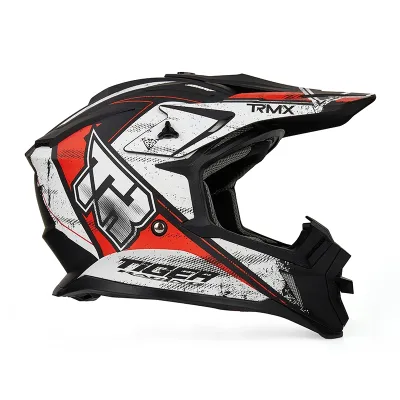
Prices are valid at publication and may change. Please refer to the product page for the latest price.
Before looking at specific features or aesthetics, verifying local and international safety standards is non-negotiable. In the Philippines, every motorcycle helmet used on public roads must carry a valid Import Commodity Clearance (ICC) sticker or a Product Standard (PS) certification mark. These marks indicate that the helmet has undergone rigorous impact and penetration testing to meet local safety regulations. Additionally, look for recognized international certifications such as the United States Department of Transportation (DOT) standard or the Economic Commission for Europe (ECE) standard. These certifications are typically printed or decaled on the rear of the helmet shell and serve as an extra layer of assurance regarding the helmet’s structural integrity.
The physical design of the helmet shell also plays a major role in balancing protection and convenience. Full-face helmets offer the highest level of facial and jaw protection, making them the recommended choice for high-speed riding and long-distance touring. However, some riders find them warm during slow, stop-and-go city traffic. Open-face, or three-quarter, helmets provide excellent ventilation and a wider field of view, which is highly convenient for short urban errands, though they leave the chin and lower face exposed to potential impacts. Modular helmets offer a middle ground, featuring a flip-up chin bar that provides the convenience of an open-face design during stops, while securing into a full-face configuration while riding.
Evaluate Tiger Helmet Tiers by Budget and Features
Understanding how helmet features scale with price helps you make an informed decision without overspending. Entry-level Tiger helmets are designed primarily for budget-conscious riders and short-distance commuters. These models typically feature shells made from standard ABS thermoplastic, which provides reliable impact resistance while keeping manufacturing costs low. While they meet mandatory safety standards, entry-level options usually offer basic ventilation systems with fewer adjustable ports and standard interior padding. They are highly suitable for low-speed city riding where advanced aerodynamics are not a primary concern.

Moving up to the mid-range tier introduces noticeable improvements in material quality and rider comfort. Helmets in this category often utilize refined polycarbonate blends or lighter thermoplastic shells, which help reduce overall weight and minimize neck fatigue during longer rides. You can also expect upgraded interior liners that offer better moisture management, as well as more robust visor mechanisms that provide a tighter seal against wind and rain. This tier is often the sweet spot for daily commuters who spend several hours on the road each week and require a balance of durability, comfort, and affordability.
The premium tier of the lineup is engineered for enthusiasts, long-distance tourers, and high-performance riders. These helmets often feature advanced aerodynamic shapes designed to minimize drag and lift at high speeds, reducing strain on the neck muscles. The interior construction typically incorporates multi-density Expanded Polystyrene (EPS) liners, which are engineered to absorb and distribute impact forces more progressively. Premium models also feature high-quality, quick-release visor systems, integrated sun shields, and superior ventilation layouts that maximize airflow without significantly increasing wind noise.
Because retail pricing can fluctuate due to shipping costs, promotional campaigns, and dealer locations, riders should always verify current ₱ prices directly on official retail tags or authorized store listings. Avoid relying solely on historical price lists or unverified online posts when planning your purchase. Checking with authorized local distributors ensures you receive accurate pricing alongside valid warranty coverage.
Compare Critical Fit and Comfort Specifications
A helmet can only protect you effectively if it fits your head correctly. To find your correct size, do not rely on generic sizing categories like “Medium” or “Large,” as dimensions vary significantly between different manufacturers and models. Instead, use a flexible measuring tape to measure the widest part of your head, keeping the tape about 2.5 centimeters above your eyebrows and just above your ears. Compare this exact measurement in centimeters to the specific size chart provided by the manufacturer for the exact Tiger helmet model you are considering.
When trying on a helmet, pay close attention to how the interior padding contacts your face and head. The helmet should fit snugly all the way around, with even pressure on your crown and forehead. The cheek pads should press firmly against your cheeks without causing pain or forcing you to bite the inside of your mouth. If the helmet moves independently when you gently shake your head from side to side, or if you can easily slide your fingers between your forehead and the comfort liner, the helmet is too large. Conversely, any localized pinching or sharp pain indicates that the helmet is too small or does not match your head shape.
In the hot and humid climate of the Philippines, maintaining helmet hygiene is a constant challenge. Sweat, hair oils, and road dust quickly accumulate in the interior padding, leading to unpleasant odors and potential skin irritation. When selecting a helmet, prioritize models that feature fully removable and washable interior liners. Look for moisture-wicking and hypoallergenic fabrics that help draw sweat away from your skin and dry quickly between rides. Regularly washing these liners not only improves comfort but also extends the overall lifespan of the interior padding.
The visor system is another critical component that directly affects your safety and riding experience. Test the visor ratchet mechanism to ensure it operates smoothly and holds its position at different opening angles. A high-quality visor should seal tightly against the eyeport gasket to prevent rainwater from leaking inside during sudden downpours. Additionally, put on the helmet and check your peripheral vision while assuming your natural riding posture. A wide field of view is essential for spotting vehicles in your blind spots and maintaining situational awareness on busy roads.
Verify Authenticity and Choose a Reliable Retailer
The popularity of motorcycle riding has unfortunately led to an increase in counterfeit riding gear in the market. To ensure your personal safety, always purchase your helmet from authorized physical dealers or official brand storefronts on reputable e-commerce platforms. Avoid buying from unauthorized third-party sellers, online classifieds, or informal roadside stalls where the origin and authenticity of the gear cannot be verified. Authorized retailers not only guarantee genuine products but also provide proper customer service and access to replacement parts like visors and cheek pads.
When inspecting a helmet in person, there are several physical details that can help you verify its authenticity. Genuine helmets feature high-quality paint finishes with crisp, well-aligned graphics and a durable clear coat. Inspect the mandatory safety markings closely; the ICC or PS stickers should be professionally printed, securely adhered, and feature clear holographic elements where applicable. The stitching on the chin strap and interior liners should be uniform and free of loose threads, and the metal hardware, such as the buckle or double D-rings, should feel solid and operate smoothly without catching.
Be alert to common red flags that suggest a helmet may be counterfeit or unsafe. A suspiciously low price that is significantly below the average market rate for that specific model is a primary warning sign. Genuine helmets are packaged in sturdy, brand-specific boxes and are accompanied by an official user manual, a high-quality helmet bag, and protective film over the visor. Flimsy packaging, missing documentation, misaligned brand logos, or a strong chemical smell from the interior plastics are clear indicators that the product is a counterfeit and should not be trusted to protect your head in an impact.
Frequently Asked Questions (FAQ)
How often should I replace my Tiger helmet?
Motorcycle helmets do not last indefinitely, even if they have never been involved in an accident. Over time, the protective Expanded Polystyrene (EPS) liner inside the helmet gradually degrades due to exposure to sweat, hair oils, cosmetics, extreme heat, and UV radiation. Most manufacturers recommend replacing your helmet every three to five years of regular use, or seven years from the date of manufacture, whichever comes first.
However, you must replace your helmet immediately after any significant impact, drop, or crash. The EPS liner is designed to absorb impact energy by compressing and deforming; once this occurs, the liner loses its protective capabilities and cannot safeguard your head in a subsequent impact. This degradation is often invisible from the outside, meaning a helmet that looks perfectly fine after a drop may actually be structurally compromised. Additionally, replace your helmet if you notice the interior liners crumbling, the chin strap fraying, or the visor mechanism failing to lock securely.
Can I install an aftermarket Bluetooth intercom in a Tiger helmet?
Many modern helmets are designed with communication systems in mind, but compatibility depends heavily on the specific model. Before purchasing an aftermarket Bluetooth intercom, inspect your helmet’s interior to see if the EPS liner features factory-cut speaker pockets. These recessed areas allow you to install slim speakers without them pressing painfully against your ears during long rides.
When installing an intercom, you must avoid making any physical modifications to the helmet itself. Never drill holes into the outer shell, cut or compress the EPS liner to make space for components, or use strong chemical solvents and unapproved adhesives that could weaken the shell material. Doing so compromises the structural integrity of the helmet and voids its safety certifications. Always consult the helmet’s user manual or contact the manufacturer to verify if specific clamp-on or adhesive mounts are approved for your helmet’s shell material, and ensure the installation does not interfere with the proper operation of the chin strap or visor.
Community discussion
Share your experience or ask a question. Comments are reviewed before publication.