
Upgrading a motorcycle’s exhaust system is one of the most common modifications riders undertake to optimize performance, durability, and aesthetics. A titanium tip for muffler installations is an aftermarket exhaust component crafted from high-grade titanium alloy, positioned at the very end of the exhaust canister. Riders choose titanium tips primarily for their exceptional strength-to-weight ratio, extreme heat tolerance, and the distinct visual appeal of natural, heat-induced color changes. In tropical, high-humidity environments, titanium also offers superior resistance to rust and atmospheric corrosion compared to standard steel. However, while a titanium tip provides premium material characteristics, a successful upgrade requires careful verification of vehicle compatibility, mounting clearances, and local road regulations.
Performance and Material Benefits of a Titanium Tip for Muffler
Upgrading to a titanium exhaust tip is not merely a cosmetic choice; it is rooted in the unique physical properties of the metal itself. Titanium is renowned across the aerospace and automotive industries for its high tensile strength and low density. When applied to motorcycle exhaust systems, these properties translate directly into tangible performance benefits, structural integrity under thermal stress, and a highly sought-after visual signature.
Weight Reduction and Handling Dynamics
Titanium possesses an exceptional strength-to-weight ratio, being roughly 45% lighter than high-grade stainless steel while maintaining comparable tensile strength. In motorcycle design, reducing weight at the extreme rear of the chassis—often referred to as trailing or unsprung mass—has a noticeable impact on handling dynamics.
Products mentioned in this guide
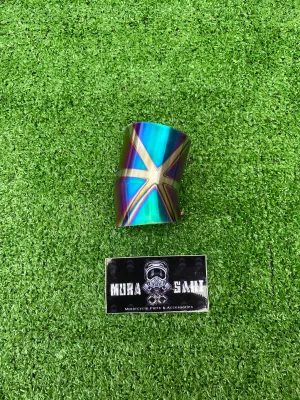
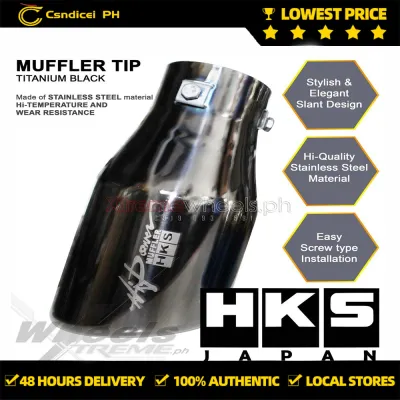
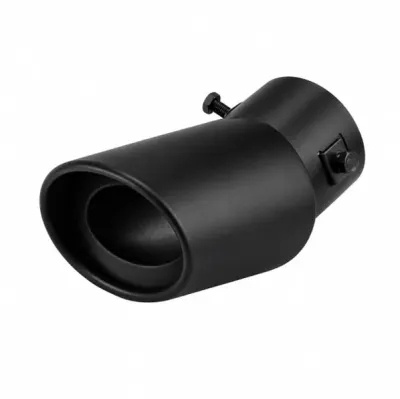
Prices are valid at publication and may change. Please refer to the product page for the latest price.
When a motorcycle navigates a corner or transitions quickly between turns, any heavy component positioned far from the machine’s center of gravity acts as a pendulum, resisting rapid changes in direction. Replacing a heavy steel muffler tip with a lightweight titanium alternative reduces this polar moment of inertia. This weight reduction allows the rear suspension to react more quickly to road imperfections, improving rear-wheel traction and making the motorcycle feel more agile and responsive during quick transitions.
Heat Resistance and Thermal Management
Motorcycle exhaust gases can reach temperatures exceeding 600°C under heavy acceleration or high-load riding conditions. Standard metals can suffer from thermal fatigue, warping, or scaling when subjected to these extreme temperatures over prolonged periods. Titanium has an exceptionally high melting point of approximately 1,660°C, ensuring that the tip remains structurally stable and free from deformation even under the most demanding track or highway conditions.
Furthermore, titanium exhibits lower thermal conductivity than aluminum, meaning it does not transfer heat as rapidly to adjacent non-metallic components. Once the engine is turned off, however, titanium dissipates heat quickly, allowing the exhaust assembly to cool down faster than stainless steel. Despite these favorable thermal properties, riders must always verify manufacturer-specified clearances between the exhaust tip and surrounding plastic fairings, luggage racks, or bodywork to prevent localized heat damage or melting.
Aesthetic Appeal and Heat Discoloration
One of the most celebrated characteristics of a titanium tip for muffler upgrades is its ability to develop a natural, heat-induced color gradient. When titanium is exposed to exhaust temperatures above 350°C, it undergoes an oxidation process that creates a micro-thin, highly stable oxide layer on the metal’s surface.
This oxide layer refracts light in a way that produces vibrant shades of straw-yellow, deep blue, purple, and gold, commonly referred to as a “burnt” or anodized finish. Unlike the destructive rust or oxidation seen on mild steel, this colored oxide layer is chemically stable and serves as a protective barrier for the underlying metal. The exact pattern and intensity of the colors are unique to each rider’s usage patterns, reflecting the thermal history of the motorcycle’s engine.
Longevity and Maintenance in Humid Climates
In tropical regions characterized by high humidity, heavy monsoon seasons, and salt-laden coastal air, material durability is a primary concern for motorcycle owners. Standard steel and lower-grade stainless steel exhausts are highly susceptible to rust, tea staining, and pitting when exposed to moisture and road salt. Over time, this corrosion can weaken mounting brackets, cause exhaust leaks, and ruin the visual appeal of the motorcycle.

Titanium is virtually immune to atmospheric corrosion, saltwater, and organic acids. When exposed to oxygen, titanium instantly forms a passive, self-healing oxide film that prevents moisture from penetrating the metal. This makes a titanium tip exceptionally durable in harsh coastal environments, ensuring that the component will not rust, flake, or degrade over years of exposure to rain and road grime.
To maintain the appearance of a titanium tip and preserve its natural heat patina, riders must follow specific, low-risk cleaning procedures:
- Allow the exhaust to cool completely before attempting any cleaning or maintenance to prevent thermal shock and avoid personal injury.
- Wash the tip using mild dish soap, warm water, and a soft microfiber cloth to remove road grime, dust, and oily residues. Avoid using abrasive sponges or scouring pads.
- Rinse thoroughly with clean water to ensure no soap residue remains, which could bake onto the metal and cause spotting when heated.
- Dry the surface completely with a clean, dry microfiber towel.
- Never use harsh chemical cleaners, acid-based wheel cleaners, steel wool, or aggressive metal polishes (such as chrome or brass polish). These abrasive agents and chemicals can permanently strip away the micro-thin oxide layer, removing the blue-purple color and leaving a dull, silver finish.
- Check the manufacturer's specific care label or documentation before applying any specialized exhaust cleaners, as some aftermarket coatings require unique maintenance steps.
Comparing Titanium with Stainless Steel and Carbon Fiber
Selecting the right material for an aftermarket muffler tip requires balancing weight, thermal properties, durability, and cost. The table below outlines how titanium compares to stainless steel and carbon fiber across key decision dimensions:
| Dimension | Titanium | Stainless Steel | Carbon Fiber |
|---|---|---|---|
| Relative Weight | Extremely Light | Heavy | Lightest |
| Heat Tolerance | Outstanding (Up to 1,600°C+) | Very Good (Up to 800°C) | Moderate (Resin degrades over 250°C) |
| Corrosion Resistance | Exceptional (Immune to rust) | Good (Can develop surface rust) | Excellent (Non-metallic) |
| Aesthetic Evolution | Develops blue/purple patina | Turns straw-yellow/amber | Remains matte or glossy black |
| General Cost Tier | Premium (₱₱₱₱) | Budget to Mid-Range (₱₱ – ₱₱₱) | Premium (₱₱₱₱) |
Each material serves a distinct riding profile and set of priorities:
- Stainless steel remains the practical baseline for daily commuters and budget-conscious riders. It offers excellent structural durability and moderate heat resistance at an accessible price point, though it adds significant weight to the rear of the motorcycle and lacks the vibrant visual evolution of titanium.
- Carbon fiber is highly favored by racers seeking the absolute maximum weight savings. It remains relatively cool to the touch, reducing the risk of accidental burns. However, carbon fiber relies on polymer resins to bind the carbon sheets together; over time, intense exhaust heat, vibration, and UV exposure can cause the resin to yellow, crack, or degrade, requiring careful heat shielding and eventual replacement.
- Titanium represents the premium middle ground, combining the extreme weight savings of carbon fiber with the structural permanence and high heat tolerance of stainless steel. While it carries a higher initial cost, its immunity to environmental corrosion and its unique aesthetic evolution make it a highly durable, long-term investment.
Fitment, Compliance, and Buying Considerations
Before purchasing a titanium tip for your muffler, several practical, legal, and mechanical checks must be conducted to ensure a safe, compliant, and successful installation.
Fitment and Compatibility
Exhaust components are highly vehicle-specific. You must verify your motorcycle’s exact model year, exhaust pipe outer diameter, and the inlet diameter of the replacement tip. Mounting styles vary widely, including slip-on clamps, spring-retained sleeves, bolt-on flanges, and fully welded connections.
Ensure there is adequate physical clearance between the exhaust tip and the swingarm, rear tire, brake caliper, and turn signals, particularly when the rear suspension is fully compressed. Always refer to your motorcycle’s original-equipment manufacturer (OEM) manual and the aftermarket exhaust documentation. If you are unsure of the compatibility or lack the specialized tools required for installation, seek assistance from a qualified motorcycle mechanic to ensure a secure, leak-free fit.
Legal and Noise Regulations
In the Philippines, aftermarket exhaust modifications are subject to strict regulatory oversight to control noise pollution and emissions. The Land Transportation Office (LTO) and local government units (LGUs) enforce strict decibel limits, typically capping motorcycle exhaust noise at 99 decibels (dB) when tested at a specific distance and engine RPM.
Changing only the muffler tip rarely alters the overall sound level of the motorcycle, as noise suppression is primarily handled by the internal baffles, catalytic converter, and silencer core of the muffler. However, if the titanium tip is part of an unbaffled “screamer” pipe or a modified canister that lacks a proper dB-killer, it can easily exceed legal noise limits. Non-compliant exhausts can result in heavy fines, confiscation of the exhaust component, or failure during the annual vehicle registration renewal process. Always ensure your exhaust setup complies with local environmental and noise standards before riding on public roads.
Cost vs. Value
High-quality titanium components carry a premium price tag, with slip-on tips and muffler assemblies often ranging from several thousand pesos to tens of thousands of pesos depending on the brand and manufacturing complexity.
For daily commuters navigating low-speed city traffic, the marginal weight savings of a titanium tip may not yield a noticeable performance improvement. However, for long-distance touring riders, track-day enthusiasts, and custom bike builders, the investment is highly justified. The long-term savings from titanium’s immunity to rust, combined with its resistance to thermal fatigue and its premium styling, make it a valuable upgrade that outlasts cheaper steel alternatives.
Frequently Asked Questions (FAQ)
Does a titanium muffler tip change the exhaust sound?
A titanium tip alone has a negligible effect on the overall sound profile of your motorcycle. The exhaust note, volume, and pitch are primarily determined by the engine configuration, the internal baffling of the muffler, the presence of a silencer or dB-killer, and the overall pipe diameter, rather than the material of the very end tip.
How do I clean a titanium exhaust tip without ruining the color?
To protect the natural blue-purple heat patina, clean the tip only when it is completely cool using mild dish soap, warm water, and a soft microfiber cloth. Avoid using steel wool, wire brushes, abrasive scouring pads, or harsh chemical metal polishes, as these will permanently strip away the micro-thin oxide layer responsible for the color.
Is a titanium tip worth the extra cost over stainless steel?
Yes, a titanium tip is worth the premium for riders who prioritize maximum weight reduction, long-term durability in humid or coastal climates, and high-end aesthetics. For riders seeking basic functionality and daily durability on a budget, stainless steel remains a highly reliable and cost-effective alternative.
Community discussion
Share your experience or ask a question. Comments are reviewed before publication.