
Selecting the best e-bike seat cover for daily commuting in the Philippines requires balancing three critical performance factors: reliable waterproofing to survive sudden monsoon downpours, effective heat dissipation to handle the intense tropical sun, and robust shock absorption to cushion the impact of uneven roads and potholes. Commuters must match their cover choice to their specific saddle shape and daily parking conditions to ensure long-term comfort and safety.
While many riders focus on battery range or motor power when purchasing an electric bicycle, the saddle is the primary contact point that determines whether a daily commute is a comfortable ride or a grueling chore. A standard factory saddle is rarely designed to withstand the unique environmental and infrastructural challenges of local roads. Upgrading with a specialized seat cover is a highly cost-effective way to protect your investment, improve your daily riding posture, and prevent physical fatigue.
Why Your Daily Commute Demands a Better E-Bike Seat Cover
The tropical climate of the Philippines subjects outdoor vehicles to intense environmental stress. During the dry season, e-bikes parked in open areas are exposed to harsh ultraviolet (UV) radiation. This continuous sun exposure degrades the plasticizers in standard vinyl saddles, causing the material to harden, crack, and peel. A cracked saddle allows moisture to seep directly into the underlying foam, which quickly ruins the seat’s structural integrity.
Products mentioned in this guide
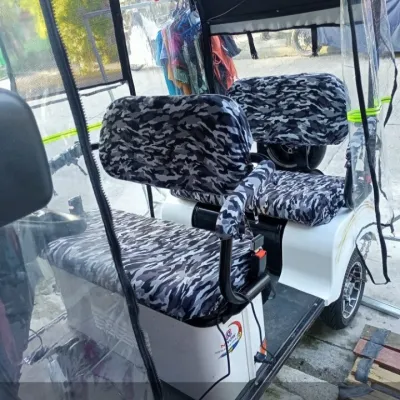
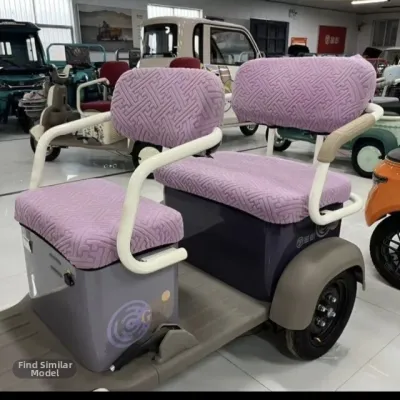
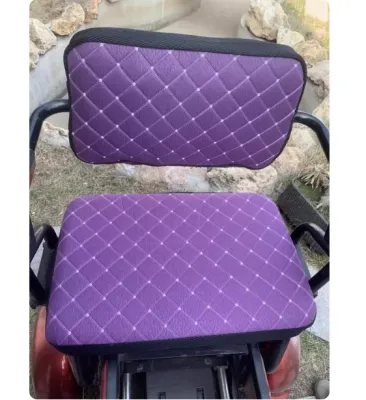
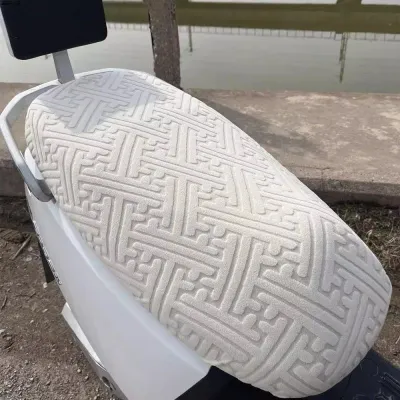
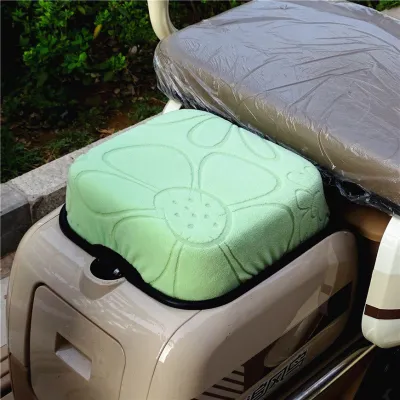
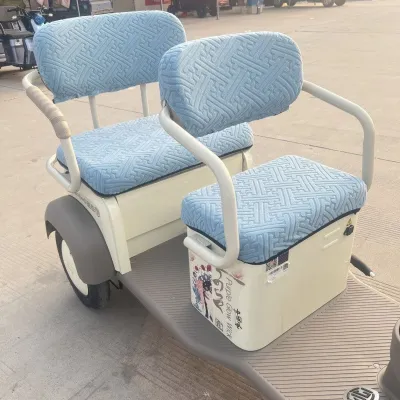
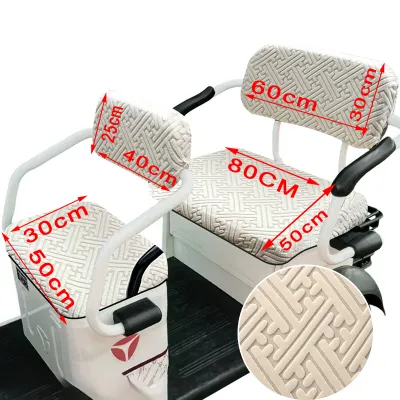
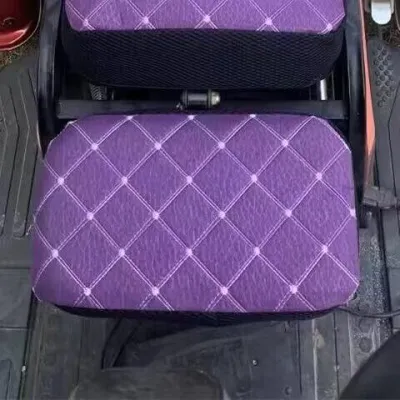
Prices are valid at publication and may change. Please refer to the product page for the latest price.
During the wet season, sudden and heavy downpours can completely saturate an unprotected saddle within minutes. Standard factory seats often feature stitched seams that are not fully sealed. Once water penetrates these seams, the internal foam acts like a sponge, retaining moisture for days. Sitting on a waterlogged seat not only ruins work attire but also creates a breeding ground for mold, mildew, and unpleasant odors that are incredibly difficult to eliminate.
Local road conditions present another compelling reason to upgrade your saddle protection. Daily commutes often involve navigating uneven concrete joints, asphalt patches, gravel shoulders, and deep potholes. Because many commuter e-bikes feature basic, high-tension suspension systems and smaller wheels, they transmit high-frequency road vibrations directly to the rider’s pelvis and lower back. Over time, this constant jarring leads to muscle fatigue, soreness, and spinal discomfort.
Using a high-quality seat cover acts as an affordable, sacrificial barrier that absorbs daily wear and tear. Instead of subjecting your expensive factory saddle to friction, dust, bird droppings, and accidental scratches, the cover takes the abuse. Replacing a worn-out seat cover is simple and inexpensive, whereas replacing or professionally reupholstering an integrated e-bike saddle requires significant time, tools, and expense.
Essential Features to Evaluate Before Buying
Weather Resistance
When browsing online marketplaces or visiting local accessory shops, prioritize materials that offer verified weather protection. Look for covers constructed from high-density fabrics, such as 210D to 600D Oxford cloth, which feature an internal polyurethane (PU) or polyvinyl chloride (PVC) backing. These coatings prevent water molecules from passing through the fabric weave. Additionally, check if the product description specifies UV-resistant treatments, which help reflect solar radiation and prevent the material from fading or becoming brittle.

Cushioning Materials
Different cushioning materials serve distinct ergonomic purposes, and understanding their characteristics will help you make an informed choice:
- Standard Polyurethane Foam: This is lightweight and highly affordable, but it tends to compress permanently under continuous daily use, losing its supportive qualities within a few months.
- Memory Foam: Viscoelastic foam conforms precisely to your body shape by responding to body heat and pressure, providing excellent customized support. However, it naturally retains heat, which can feel uncomfortably warm during hot midday commutes, and it loses its supportive structure if it becomes wet.
- Silicone Gel Inserts: Gel pads excel at absorbing high-frequency road vibrations and distributing weight evenly across the sit bones. They maintain their elasticity in hot weather and do not pack down over time. However, gel covers are noticeably heavier and must feature high-quality encapsulation to prevent the gel from leaking under pressure.
Surface Grip and Base
A seat cover is only effective if it remains firmly in place. Look for covers that feature a non-slip bottom surface, typically consisting of textured silicone traction dots or a rubberized mesh pattern. This friction layer prevents the cover from sliding forward or backward during sudden braking and acceleration. Furthermore, evaluate the fastening system; adjustable drawstrings with heavy-duty plastic toggles or wide, cross-over Velcro straps provide a much tighter, more secure fit than simple elasticized hems.
Breathability
To prevent heat buildup and excessive sweating during sunny daytime rides, excellent airflow is mandatory. Look for covers that utilize a 3D spacer fabric or open-cell mesh structure. These designs create a physical gap of several millimeters between your body and the saddle, allowing air to circulate freely and dissipate body heat. Moisture-wicking top layers also help draw sweat away from your skin, keeping you dry and comfortable during long crawls through metropolitan traffic.
Top E-Bike Seat Cover Types for Local Commuting Needs
To find the right seat cover, focus on your primary daily commuting pain points. Different designs excel in specific weather conditions and riding scenarios. Rather than relying on temporary brand rankings or stock listings, evaluate covers based on their material specifications, construction quality, and functional design.
Heavy-Duty Waterproof Covers for the Rainy Season
For riders who must commute regardless of the weather, a dedicated waterproof cover is an indispensable accessory. These covers are typically made from thick, non-porous materials like PVC, heavy-duty nylon, or TPU-coated fabrics. The most critical detail to verify is the seam construction; standard stitched seams will leak under the pressure of a rider sitting on them, so look for covers with heat-welded or internally taped seams that completely block water penetration.
Ensure the cover features a robust fastening system, such as an adjustable drawstring combined with an under-seat buckle. This prevents wind lift during higher-speed travel and keeps water from pooling in loose fabric folds when the e-bike is parked. While these covers provide absolute protection against rain, their non-porous nature means they lack breathability. During hot, dry days, they can trap body heat and sweat, making them less comfortable for long-distance riding without an additional breathable layer.
Gel or Memory Foam Cushions for Long, Bumpy Rides
If your daily route is filled with potholes, speed bumps, and rough pavement, a thick, ergonomic cushion cover is the best choice. These covers focus on pressure relief, utilizing contoured designs that feature a central relief channel to reduce pressure on sensitive soft tissues. High-quality options combine a base layer of high-density support foam with a top layer of shock-absorbing silicone gel, which dampens the sharp jolts transmitted through the e-bike frame.
Before purchasing a thick cushion cover, consider the safety and ergonomic trade-offs. Adding a cushion that is 3 to 5 centimeters thick will raise your riding height. For shorter riders, this added height can make it difficult to touch the ground comfortably with both feet when stopped at traffic lights, potentially compromising balance. Always verify the exact dimensions of the cushion and ensure you can adjust your e-bike’s seat post downward to compensate for the added thickness if necessary.
Breathable and UV-Resistant Covers for Sunny Commutes
For riders who primarily commute during dry, sunny weather and frequently park their e-bikes outdoors, a 3D air mesh cover is highly recommended. These covers are constructed from a multi-layered polyester mesh that does not absorb heat, keeping the seating surface remarkably cool even after hours of exposure to direct sunlight. The open-mesh design allows breeze to pass directly beneath the rider, eliminating the sticky, sweaty discomfort associated with standard vinyl seats.
When choosing a mesh cover, look for UV-treated polyester fibers that resist degradation from solar exposure. Keep in mind that while these covers are exceptional at heat management, they are completely porous. Rainwater will pass straight through the mesh to the saddle underneath. Therefore, commuters should either remove the mesh cover during rainy weather or pair it with a lightweight, packable waterproof shell that can be quickly slipped over the mesh when a sudden storm hits.
Universal vs. Custom-Fit Covers: Making the Right Choice
When shopping for a seat cover, you will generally choose between universal-fit options and model-specific custom covers. Universal covers are designed with stretchy fabrics, elastic borders, or adjustable straps to accommodate a wide range of saddle sizes. They are highly budget-friendly, typically costing between ₱150 and ₱400, and are incredibly easy to find. However, because they are not tailored to a specific shape, they can wrinkle, bunch up, or slip out of alignment, and loose areas can collect pools of water during rainstorms.
In contrast, custom-fit or model-specific covers are tailored to the exact dimensions of particular e-bike models, which is especially important for the wide, moped-style seats or multi-passenger saddles common on local three-wheeler e-bikes. These covers provide a drum-tight, wrinkle-free fit that looks like professional upholstery and stays perfectly secure during rides. While they offer superior aesthetics and durability, they are more expensive, usually ranging from ₱500 to ₱1,200, and are limited to popular e-bike models.
If your e-bike features a standard, relatively flat bicycle-style saddle, a high-quality universal cover with adjustable straps will serve you well. However, if your e-bike has a highly contoured, split, or extra-wide seat, investing in a custom-tailored cover is highly recommended to prevent slipping and premature wear. When purchasing any cover online, always carefully review the manufacturer’s sizing chart and check the seller’s return policy, as sizing standards can vary significantly between different production batches.
How to Measure, Fit, and Secure Your New Seat Cover
To ensure a successful purchase and safe installation, you must accurately measure your e-bike’s saddle before ordering. Do not rely on generic size labels like “medium” or “large,” as these terms are not standardized. Use a flexible measuring tape to record the three essential dimensions of your seat:
- Length: Measure from the absolute tip of the front nose to the furthest edge of the rear cushion, following the natural curve of the saddle surface.
- Width: Measure the widest part of the rear section of the saddle from one side edge to the other.
- Height: Measure the vertical depth of the saddle cushion from the bottom edge of the plastic seat pan to the highest point of the top padding.
Once your cover arrives, clean the original saddle thoroughly with a damp cloth and allow it to dry completely before installation to prevent trapping dirt or moisture. To install the cover, slip the front nose pocket over the front of the saddle first, then pull the cover firmly back and stretch it over the rear corners. Pull the drawstrings or fasten the Velcro straps underneath the seat pan, ensuring the cover is pulled completely taut. Any wrinkles or loose spots can cause friction, accelerate wear, and trap water.
After securing the cover, perform a mandatory safety check before riding. Verify that the cover and its fastening straps do not obscure your e-bike’s tail lights, rear reflectors, turn signals, or license plate. Ensure that any excess drawstring cord is neatly tucked away and secured so it cannot dangle and become caught in the rear wheel, chain, or motor assembly. Finally, sit on the e-bike and move your legs through a full pedaling motion to confirm that the cover does not slip, pinch, or restrict your physical movement, and verify that you still have full access to under-seat storage compartments or battery locks.
Frequently Asked Questions (FAQ)
Can I use a regular motorcycle seat cover on an e-bike?
While some universal motorcycle seat covers can fit larger, moped-style e-bikes, they are generally not suitable for standard bicycle-style or compact electric scooters. E-bike saddles often have distinct, wider shapes, shorter nose profiles, and different mounting points compared to traditional underbone or scooter seats. Using an improperly sized motorcycle cover can lead to severe slipping, bunching, and loose fabric that can trap water or interfere with your riding balance. Always compare the exact physical dimensions of your e-bike saddle against the cover’s specifications rather than relying on generic motorcycle labels.
How do I clean and maintain my e-bike seat cover?
To maximize the lifespan of your seat cover and preserve its protective coatings, always consult the manufacturer’s care label first. For waterproof PVC or Oxford cloth covers, wipe them down regularly with a soft, damp cloth and a mild soap solution; avoid using harsh chemical detergents, bleach, or high-pressure washers, which can strip away water-repellent and UV-resistant coatings. For breathable 3D mesh covers, remove them periodically and hand-wash them gently in cool water with mild detergent, then allow them to air-dry completely in a shaded area. Never put gel or memory foam covers into a washing machine or tumble dryer, as the mechanical agitation and heat will destroy the internal cushioning structure.
Community discussion
Share your experience or ask a question. Comments are reviewed before publication.