
When navigating the congested, stop-and-go streets of Philippine cities, choosing the right brekpad for motor is one of the most critical maintenance decisions you can make. The “best” brake pad brand is not a one-size-fits-all answer; instead, it depends heavily on your specific motorcycle model, caliper design, and budget. For the vast majority of daily urban commuters, high-quality Original Equipment Manufacturer (OEM) replacements or reputable standard aftermarket brands—such as Bendix or standard Elig ceramic compounds—provide the most reliable balance of initial bite, durability, and value.
While high-performance sintered or racing pads might seem like an appealing upgrade, they are generally impractical for daily city commuting. These premium compounds require significant heat to reach their optimal operating temperature. In typical slow-moving city traffic, they remain cold, which can lead to a wooden, unresponsive lever feel, noisy operation, and accelerated wear on your brake rotors. For a safe and comfortable daily ride, prioritizing compounds designed for immediate low-temperature friction is the key to navigating urban traffic safely.
What Daily Urban Riding Demands from Your Brake Pads
Daily commuting on Philippine roads presents a unique set of challenges that subjects your motorcycle’s braking system to extreme stress. Understanding these demands helps you look past marketing hype and focus on the technical specifications that actually matter for your daily safety.
Products mentioned in this guide
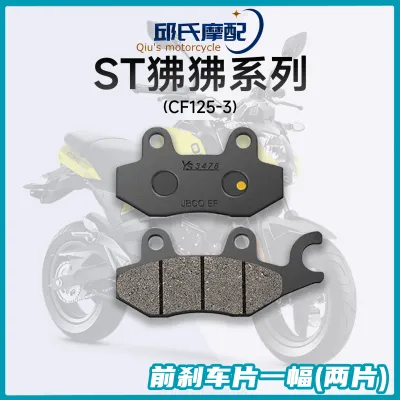
![[Fast Delivery] DISC BRAKE PAD FRONT & REAR EURO SAMURAI 155i](https://img.lazcdn.com/g/p/16848939925fccce49552c2f18bf0073.jpg_400x400q80.jpg_.webp)
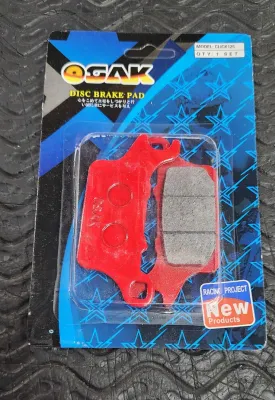
Prices are valid at publication and may change. Please refer to the product page for the latest price.
Stop-and-Go Traffic and Low-Speed Bite
Whether you are filtering through traffic on EDSA, navigating tight barangay streets, or crawling through rush-hour congestion in Metro Manila or Cebu, your brakes are constantly in use. This relentless stop-and-go cycle requires brake pads that offer a strong, predictable initial bite at low speeds and low operating temperatures. You should not have to squeeze the brake lever with excessive force to achieve reliable stopping power. A compound that delivers immediate friction with minimal lever pressure significantly reduces hand fatigue, keeping you alert and comfortable during long, exhausting commutes.
Heat Management in a Tropical Climate
The Philippines’ tropical climate means ambient temperatures regularly exceed 35°C, with asphalt temperatures climbing much higher during the dry season. When you combine this ambient heat with the constant friction of stop-and-go braking, your brake calipers, rotors, and pads generate immense thermal energy. If your brake pads cannot dissipate this heat effectively, you run the risk of experiencing brake fade. Brake fade occurs when the friction material overheats, causing the brake lever to feel spongy and dramatically increasing your stopping distance. A commuter-focused pad must have a stable friction coefficient across a wide thermal range to prevent this dangerous drop in performance.
Wet Weather and Monsoon Resilience
Commuting does not stop when the monsoon season arrives. Heavy downpours, flooded streets, and water-logged roads are common occurrences. When water, road grime, and oil mix on your brake rotors, they form a slick, abrasive barrier. Your brake pads must be capable of quickly clearing this water film to maintain direct contact with the rotor. Compounds with specialized water-clearing grooves or materials that resist water absorption are critical for maintaining consistent stopping power during sudden downpours.
Noise and Dust Suppression
A noisy brake pad is not just annoying; it often indicates excessive vibration and wear. Commuters generally prefer organic or ceramic compounds because they operate quietly, even during light, low-speed braking. Additionally, aggressive metallic pads tend to produce heavy, dark, and highly abrasive brake dust that clings to your wheels, suspension components, and caliper seals. Selecting a low-dust compound helps keep your motorcycle clean and prevents premature wear on surrounding mechanical parts.
Durability and Rotor Longevity
Because a daily commuter applies the brakes thousands of times each week, rapid pad wear can quickly become an expensive inconvenience. You need a compound that offers excellent wear resistance to ensure a long service life. However, this durability must not come at the expense of your brake rotor. Some low-quality or overly hard aftermarket pads achieve long life by being highly abrasive, which quickly wears down or deeply grooves your brake discs. Replacing a worn rotor is far more expensive than replacing brake pads, so finding a pad that is gentle on the rotor is essential for cost-effective maintenance.
Comparing Popular Brands of Brekpad for Motor and Their Categories
The local market is flooded with various options, ranging from genuine dealership parts to specialized aftermarket brands. To help you make an informed choice, let’s break down the most popular categories and brands of brekpad for motor available in the Philippines.

OEM (Original Equipment Manufacturer) Pads
Genuine OEM brake pads from major manufacturers like Honda, Yamaha, Suzuki, and Kawasaki represent the baseline standard for safety and performance. These pads are specifically engineered and tested for the exact weight, speed capability, and caliper design of your specific motorcycle model.
- Pros: OEM pads offer guaranteed, hassle-free fitment without any need for modification. They provide a highly predictable, linear braking feel that is exceptionally easy to modulate. Furthermore, they are designed to be quiet, produce minimal dust, and are engineered to maximize the lifespan of your stock brake rotors.
- Cons: The primary drawback of genuine OEM parts is their cost. They are typically sold at a premium through authorized flagship dealerships. For high-mileage riders or commercial delivery drivers, the frequent replacement of OEM pads can become a significant operating expense.
Reputable Aftermarket Brands (e.g., Bendix, Elig, EBC)
For riders looking to balance performance, longevity, and cost, reputable aftermarket brands offer excellent alternatives. These brands spend heavily on research and development to provide compounds tailored to specific riding styles.
- Bendix: Bendix is a highly trusted global name in automotive braking that has established a powerful presence in the Philippine motorcycle market. Their motorcycle brake pads are widely praised for offering dependable, consistent stopping power in both wet and dry conditions at a very competitive price point (typically ranging from ₱150 to ₱500 depending on the model). They are easily found in almost every local auto and motorcycle supply shop, making them an incredibly convenient choice for popular scooters and underbones like the Honda Click, Yamaha Mio, and Suzuki Smash.
- Elig: Elig has earned a stellar reputation among Filipino riders, particularly for their advanced ceramic-organic compounds. Elig's standard ceramic pads are specifically formulated to offer a noticeable upgrade in initial bite and heat tolerance over standard OEM pads. They are exceptionally quiet, produce virtually no dark dust, and are designed to be incredibly gentle on brake rotors. This makes them a highly popular choice for daily commuters who want premium braking performance without the high price tag of European imports.
- EBC Brakes: EBC is a premium UK-based brand renowned worldwide for high-performance braking systems. For daily commuting, EBC’s organic and carbon-organic series provide a smooth, progressive feel and quiet operation. However, riders should exercise caution when considering EBC’s famous Double-H (HH) sintered pads. While these sintered pads offer unmatched stopping power for high-displacement sportbikes and fast highway riding, they are generally overkill for small-displacement commuter scooters. They run hot, can be noisy when cold, and will rapidly wear down standard, non-hardened commuter rotors.
Budget and Unbranded Options
When browsing online marketplaces or budget roadside shops, you will inevitably encounter unbranded, suspiciously cheap, or counterfeit brake pads. While a price tag of under ₱100 might seem tempting, these products pose a severe threat to your personal safety.
- The Risks: Budget and counterfeit pads often use low-grade friction materials bound together with cheap resins that cannot withstand thermal stress. Under heavy or continuous braking, the friction material can completely detach from the metal backing plate, resulting in instant and catastrophic brake failure. Additionally, these substandard pads often use highly abrasive metal shavings that will quickly score, warp, or ruin your brake rotors, turning a cheap repair into an expensive mechanical overhaul. Brakes are your primary safety system on a motorcycle; saving a few pesos is never worth risking your life on the road.
Decision Framework: How to Choose the Right Pads for Your Ride
Choosing the right brake pads does not have to be complicated. By analyzing your specific motorcycle type, daily route, and budget, you can easily identify the ideal compound for your needs.
Choose OEM Pads If:
- You ride a standard, unmodified scooter or underbone primarily for relaxed daily commuting.
- You prefer a hassle-free, plug-and-play replacement with guaranteed compatibility.
- You value a smooth, highly predictable brake feel and want to maximize the lifespan of your factory brake rotors.
Choose Reputable Aftermarket Pads (e.g., Bendix, Elig Ceramic) If:
- You want excellent stopping power and durability at a more affordable price than dealership OEM parts.
- You frequently ride in heavy traffic and want a slightly stronger initial bite to reduce hand lever fatigue.
- Your local dealership is out of stock of genuine parts, and you need a high-quality, widely available alternative.
Choose Sintered or Performance Pads If:
- You ride a larger displacement motorcycle (400cc and above) and regularly commute on expressways or high-speed routes.
- You frequently carry heavy pillion passengers, transport large cargo loads, or operate a commercial sidecar.
- Your daily commute involves navigating steep, mountainous terrain (such as the highlands of Benguet, Antipolo, or Tagaytay) where continuous downhill braking is required. Keep in mind that these pads may require a brief warm-up period to reach their full braking potential.
Always Verify Caliper Compatibility First
Before purchasing any brake pads, you must verify the exact caliper model installed on your motorcycle. Brake pads are highly specific to the design and dimensions of the brake caliper, not just the general model name or manufacturing year of your bike. Even within the same model year, manufacturers sometimes change caliper suppliers or offer different trim levels with distinct braking systems. Always check your motorcycle’s owner’s manual, physically inspect the shape and dimensions of your existing pads, or consult a trusted professional mechanic before making a purchase.
Installation, Bedding-In, and Safety Reminders
Installing new brake pads is only the first step in ensuring your motorcycle’s stopping power. Proper installation, a careful break-in period, and ongoing maintenance are vital to your safety on the road.
Prioritize Professional Installation
Your motorcycle’s braking system is a critical safety assembly. Improperly installed brake pads can lead to brake failure, wheel lockup, loss of control, and severe accidents. If you do not possess the proper tools (such as a calibrated torque wrench), specialized cleaning solvents, and the necessary mechanical knowledge, always have a qualified, professional mechanic perform the installation. Never attempt to guess torque specifications or skip critical safety checks.
The Essential Bedding-In Process
New brake pads and rotors do not immediately deliver their maximum stopping power. They must undergo a bedding-in (or burnishing) process to establish optimal contact. During the first 100 to 200 kilometers of riding, avoid hard, sudden emergency stops and do not drag your brake levers continuously. Instead, perform gentle, progressive stops from moderate speeds (around 40 to 50 km/h) down to a slow crawl. This gradual friction transfers a microscopic, uniform layer of friction material from the pad onto the rotor surface. Skipping this process can cause the pads to glaze over, permanently reducing their braking efficiency and causing chronic squeaking.
Perform a Comprehensive System Check
Replacing worn brake pads on a compromised braking system is highly dangerous and inefficient. Whenever you replace your pads, perform a thorough inspection of the entire system:
- Brake Fluid Check: Inspect the fluid level and color in the reservoir. Dark, cloudy, or amber-colored fluid indicates moisture contamination and requires a complete flush and replacement with fresh fluid of the DOT rating specified on your reservoir cap.
- Rotor Inspection: Check your brake rotor for deep grooves, scoring, warping, or wear that exceeds the minimum thickness limit (which is typically stamped on the rotor itself). Installing new pads on a damaged or thin rotor will result in poor contact, rapid pad wear, and reduced stopping power.
- Caliper Maintenance: Clean the caliper assembly thoroughly using a dedicated, label-authorized brake cleaner to remove accumulated road grime and old brake dust. Never use gasoline, kerosene, or petroleum-based solvents, as they will destroy the delicate rubber piston seals. Inspect the caliper slide pins and lubricate them with a thin layer of high-temperature silicone-based grease to ensure the caliper slides smoothly and prevents the brakes from dragging.
Frequently Asked Questions (FAQ)
How often should I replace my motorcycle brake pads?
There is no fixed mileage or time limit for replacing brake pads, as wear rates vary wildly based on your riding style, daily payload, and local traffic conditions. Instead, you should perform a visual inspection of your brake calipers every few weeks. Most modern brake pads feature a built-in wear indicator groove cut into the friction material. If this groove is no longer visible, or if the remaining friction material has worn down to less than 2mm, it is time to replace the pads immediately. Never allow the pads to wear down to the metal backing plate, as this will instantly destroy your brake rotor and cause sudden, dangerous brake failure.
Can I use sintered brake pads on my small daily scooter?
While sintered brake pads might physically fit into the caliper of a small-displacement scooter, they are generally not recommended for daily urban commuting. Sintered compounds are designed for high-speed, high-heat environments. In typical stop-and-go city traffic, they rarely reach their optimal operating temperature, which can result in a cold, wooden lever feel and poor initial bite. Furthermore, sintered pads are highly abrasive and will rapidly wear down the softer, non-hardened steel rotors typically found on small scooters, while also producing annoying squeaks and heavy brake dust. Standard organic or ceramic compounds are far better suited for daily scooter commutes.
Why are my new brake pads squeaking?
Squeaking is a common post-installation issue that is usually caused by minor maintenance oversights rather than a defective product. The most frequent causes include failing to thoroughly clean the brake rotor of old dust and road grime during installation, skipping the essential bedding-in process, or neglecting to lubricate the caliper slide pins and pad contact points. To resolve this, ensure your rotors are cleaned with a dedicated brake cleaner. Verify that any original anti-squeal shims were reinstalled on the back of the new pads, and apply a very thin film of high-temperature brake grease to the metal-on-metal contact points behind the pad—taking extreme care to never get grease on the friction material or rotor surface.
Community discussion
Share your experience or ask a question. Comments are reviewed before publication.