
On the classic Toyota 4AFE engine, the distributor cap and rotor typically require replacement every 20,000 to 40,000 kilometers, while standard copper spark plugs should be changed every 15,000 to 20,000 kilometers. If you use high-durability platinum or iridium spark plugs, their operational lifespan can extend from 50,000 to over 100,000 kilometers, though the mechanical distributor components will still wear out at their usual intervals. Regularly maintaining the distributor toyota 4afe setup is vital to keep this robust engine running smoothly, especially in humid tropical climates where moisture can easily disrupt delicate electrical pathways.
Failing to replace these ignition components on time leads to poor fuel economy, rough idling, and sudden starting failures that can leave you stranded. Fortunately, the 4AFE is a highly accessible engine, allowing vehicle owners to perform visual inspections and basic component swaps with standard hand tools. Budgeting for high-quality replacement parts is relatively inexpensive, with reputable OEM-equivalent caps, rotors, and spark plugs generally ranging from ₱1,500 to ₱4,000 as a complete set at local auto parts stores, making regular replacement a highly cost-effective preventative measure.
Understanding the Distributor Toyota 4AFE Setup and Ignition Components
Unlike modern vehicles that use distributor-less, coil-on-plug ignition systems, the classic Toyota 4AFE engine relies on a centralized mechanical distributor to manage its ignition timing. This classic 1.6-liter, 16-valve dual-overhead-cam engine—frequently found in legendary models like the Toyota Corolla “Big Body” and “Love Life” generations—uses a single ignition coil to generate the high-voltage electrical charge needed for combustion. Because there is only one coil for all four cylinders, the distributor must work continuously to route this electrical energy to each cylinder in a precise, rapid sequence.
Products mentioned in this guide
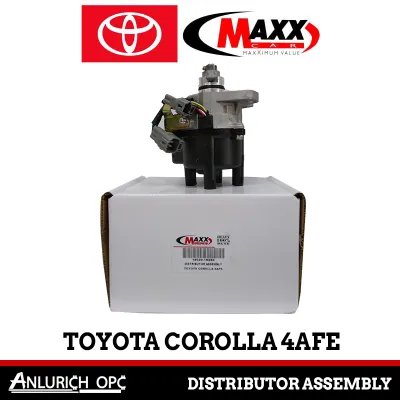
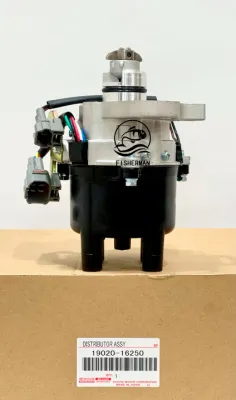
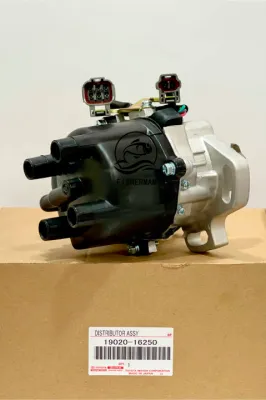
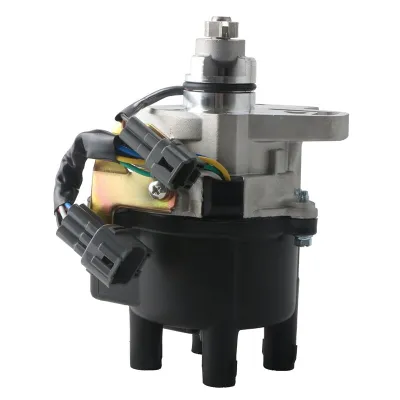
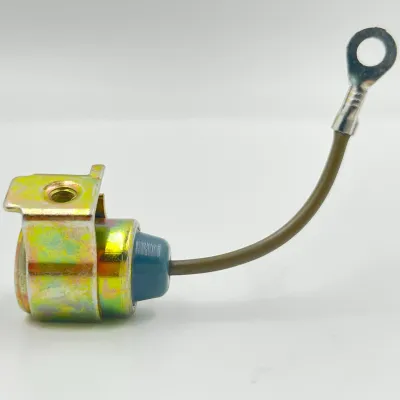
Prices are valid at publication and may change. Please refer to the product page for the latest price.
The core ignition system consists of four primary components working in harmony: the distributor cap, the rotor, the high-tension ignition wires, and the spark plugs. The distributor cap acts as a protective housing and contains four internal metal terminals, each connected to a spark plug wire. Inside the cap, the rotor is mounted directly onto the distributor shaft, which is driven mechanically by the engine’s camshaft. As the engine runs, the rotor spins at high speed, sweeping past the internal terminals of the cap to distribute the high-voltage charge.
This mechanical rotation allows the electrical current to jump a tiny physical gap from the spinning rotor to the individual cap terminals. From there, the current travels down the heavily insulated high-tension ignition wires to the spark plugs, which are threaded directly into the cylinder head. The spark plugs then generate the physical spark that ignites the compressed air-fuel mixture inside the combustion chambers. Because this entire process relies on physical movement and high-voltage electrical arcing, these components are subject to constant friction, heat, and electrical erosion.
Real-World Factors That Accelerate Ignition Wear
While manufacturers provide baseline replacement intervals, real-world driving conditions heavily influence how quickly your 4AFE ignition components degrade. In tropical climates like the Philippines, high atmospheric humidity and intense seasonal rainfall are major catalysts for ignition wear. When a warm engine cools down in a highly humid environment, moisture can condense inside the distributor cap. This moisture mixes with microscopic debris to create conductive pathways, leading to a phenomenon known as carbon tracking, where high-voltage electricity bypasses the spark plug wires and arcs directly to the engine block.

Your daily driving patterns also dictate the lifespan of these electrical components. Heavy, stop-and-go city traffic—such as navigating daily gridlock in Metro Manila—forces the engine to spend prolonged periods at idle. Low-speed idling prevents the spark plugs from reaching their optimal self-cleaning temperature, which is necessary to burn off carbon deposits. This leads to carbon fouling, which insulates the spark plug electrodes and weakens the spark. Conversely, steady highway driving allows the engine to run hotter and cleaner, extending the usable life of the plugs.
Fuel and oil quality play an equally significant role in the degradation of your ignition system. Lower-quality fuels with inconsistent additive packages can leave heavy combustion deposits on the spark plug tips, accelerating electrode wear. Furthermore, as the 4AFE engine ages, the rubber valve cover gasket and spark plug tube seals tend to harden and shrink. This allows engine oil to slowly seep into the spark plug wells, submerging the spark plug boots in oil, which softens the rubber insulation and causes the ignition spark to ground out prematurely.
Finally, thermal cycling gradually destroys the structural integrity of the distributor assembly over time. The plastic and bakelite materials used to construct the distributor cap and rotor expand and contract every time the engine heats up and cools down. Over years of operation, this continuous thermal stress makes the plastic brittle, leading to microscopic hairline cracks. These cracks allow external dirt, road grime, and moisture to penetrate the distributor housing, rapidly accelerating the failure of the internal electrical contacts.
Symptoms of Failing Spark Plugs and Distributor Parts
Recognizing the early warning signs of ignition wear allows you to address issues before they result in a complete engine stall or a non-starting vehicle. One of the most common early symptoms is hard starting, particularly on damp mornings or during the rainy season. If your 4AFE cranks repeatedly but struggles to catch, or if it runs roughly for the first few minutes after a heavy downpour, moisture has likely penetrated the distributor cap or bypassed worn, brittle ignition wire insulation.
Once the engine is running, a failing distributor cap, rotor, or spark plug will manifest as a rough idle or persistent engine misfires. You may feel the vehicle shudder or vibrate excessively while waiting at a red light. During acceleration, you might experience a distinct hesitation, stumbling, or a “coughing” sensation from the engine bay. This occurs because the weakened electrical spark is unable to consistently ignite the fuel mixture under the increased cylinder pressure that occurs when you step on the gas pedal.
A noticeable drop in fuel economy is another clear indicator that your ignition components require attention. When spark plug electrodes wear down, the gap between them widens, requiring a much higher voltage to bridge. If the ignition system cannot deliver this increased voltage, the resulting spark will be weak and inconsistent, leading to incomplete combustion. This means unburned fuel is pushed directly into the exhaust system, causing your kilometers-per-liter average to plummet and producing a strong smell of raw gasoline from the tailpipe.
In some cases, you can use your senses to diagnose ignition leaks directly in your driveway. If you open the hood in a dark area while the engine is idling, you may see faint blue electrical arcs jumping from the ignition wires or the distributor cap to nearby metal components. This visual leak is often accompanied by a distinct snapping or clicking sound, which confirms that high-voltage electricity is escaping the system before it can ever reach the spark plugs.
Step-by-Step Visual Inspection and Safety Boundaries
Performing a physical inspection is the most reliable way to determine if your distributor cap, rotor, and spark plugs need immediate replacement. Before performing any work, review your vehicle’s original service manual and safety documentation. Always prioritize safety by adhering to the following boundaries:
- Disconnect the Battery: Always disconnect the negative battery terminal before touching any electrical or ignition components to eliminate the risk of accidental engine cranking or high-voltage shock.
- Cool the Engine: Ensure the engine has been turned off for at least one hour; ignition components and cylinder heads retain intense heat that can cause severe burns.
- Work Methodically: Label or photograph the spark plug wires before removal to ensure they are reinstalled in the correct firing order (1-3-4-2 for the 4AFE).
To inspect the distributor cap, use an 8mm socket or a Phillips screwdriver to loosen the mounting screws securing the cap to the distributor housing. Gently pull the cap away and clean both the interior and exterior surfaces with a dry, lint-free microfiber cloth. Inspect the plastic body under a bright light, looking closely for hairline cracks, a chalky white powdery residue (which indicates aluminum oxidation on the terminals), or dark, spiderweb-like carbon tracking lines. If any cracks or carbon paths are present, the cap must be replaced immediately.
Next, examine the distributor rotor, which sits exposed on the distributor shaft once the cap is removed. Pull the rotor straight off the shaft; on some 4AFE models, it may be secured by a small retaining screw that must be backed out first. Inspect the metal contact tip at the end of the rotor arm. If the metal is heavily pitted, eroded, or covered in black carbon buildup, it will no longer transfer current efficiently. Gently wiggle the distributor shaft side-to-side; any significant mechanical play indicates worn internal distributor bearings, which requires replacing the entire distributor assembly.
To inspect the spark plugs, use a dedicated 5/8-inch spark plug socket equipped with a rubber retaining insert to carefully unscrew each plug. Examine the firing tip of each plug to diagnose the engine’s combustion health:
- Normal Wear: The insulator tip is a light tan or gray color with minimal electrode erosion, indicating a healthy engine.
- Carbon Fouling: The tip is covered in dry, fluffy black soot, pointing to an overly rich fuel mixture, a clogged air filter, or excessive idling.
- Oil Fouling: The tip is coated in wet, black engine oil, indicating failed spark plug tube seals or worn piston rings.
Finally, use a wire-type spark plug gapping tool to measure the distance between the center and ground electrodes. Compare this measurement against the official specification listed on your vehicle’s under-hood emissions control sticker, which is typically between 0.8mm and 1.1mm (0.031 to 0.043 inches). If the gap has widened beyond the maximum limit due to electrode wear, or if the electrodes are visibly rounded, replace the spark plugs as a complete set.
Maintenance Habits to Maximize Ignition Lifespan
To get the longest possible service life out of your Toyota 4AFE ignition system, integrate a few simple preventative habits into your regular maintenance routine. First, protect the system from moisture intrusion by applying a thin layer of high-quality dielectric grease inside the boots of your spark plug wires and onto the male terminals of the distributor cap. This specialized silicone-based grease does not conduct electricity; instead, it seals out moisture, prevents the rubber boots from fusing to the ceramic spark plugs, and stops voltage leaks.
Second, address engine fluid leaks immediately. If you notice engine oil pooling around the base of the distributor or inside the spark plug wells during your routine oil changes, replace the distributor O-ring and the valve cover gasket set without delay. Allowing these components to sit in engine oil degrades the rubber insulation of the wires and can ruin the internal electronics of the distributor, leading to expensive repairs that could have been avoided with a low-cost gasket replacement.
Third, always match your replacement components precisely to the manufacturer’s specifications. When purchasing spark plugs, ensure they match the exact heat range recommended by Toyota for the 4AFE engine. Installing a plug with an incorrect heat range can cause pre-ignition (knocking) or rapid carbon fouling. Additionally, avoid mixing old and new parts; when you replace a worn distributor cap and rotor, it is highly beneficial to install a fresh set of high-tension ignition wires at the same time to ensure uniform electrical resistance across the entire system.
Frequently Asked Questions (FAQ)
Can I upgrade the 4AFE to a distributor-less electronic ignition?
Upgrading a Toyota 4AFE to a modern distributor-less ignition system, such as a coil-on-plug (COP) setup, is technically possible but highly complex and expensive. This modification requires removing the mechanical distributor, installing individual ignition coils, mounting a custom crankshaft position sensor, replacing the factory engine control unit (ECU) with an aftermarket standalone system, and completely rewiring the engine bay. Because this conversion alters the vehicle’s electrical architecture and emissions profile, it requires professional installation and tuning to ensure engine safety and road legality. For the vast majority of daily-driven vehicles, maintaining the original distributor system with high-quality OEM parts remains the most practical and reliable choice.
Should I replace the ignition wires when changing the cap and rotor?
While it is not strictly mandatory to replace your high-tension ignition wires with every cap and rotor change, doing so is highly recommended. Over years of exposure to extreme engine bay heat, the internal carbon cores of ignition wires degrade, which increases electrical resistance and forces the ignition coil to work harder to bridge the gap. Furthermore, the outer silicone insulation can develop microscopic cracks that allow electricity to leak to the engine block. Replacing the ignition wires as a complete set alongside a new distributor cap, rotor, and spark plugs ensures that the entire ignition system operates at peak efficiency, preventing old wires from prematurely wearing out your newly installed components.
Community discussion
Share your experience or ask a question. Comments are reviewed before publication.