
Deciding between the Toyota AE92 and the AE101 Corolla for a restoration project in the Philippines comes down to a choice between two distinct eras of automotive engineering. The AE92, produced globally from the late 1980s into the early 1990s, represents the peak of lightweight, analog front-wheel-drive design. In contrast, the AE101, which debuted in the early 1990s, introduced a larger, more structurally rigid chassis that prioritized passenger comfort, cabin refinement, and modern safety standards. Both models have earned legendary status on local roads, but they appeal to very different types of enthusiasts.
Your choice between these two iconic platforms should depend on how you plan to use the finished vehicle. If your goal is to build an agile, highly communicative weekend toy or a period-correct 1980s Japanese Domestic Market (JDM) tribute, the AE92 is the more rewarding starting point. However, if you prefer a comfortable, retro-styled daily driver with a smoother ride, better air conditioning integration, and superior structural rigidity, the AE101 is the more practical candidate. Understanding the mechanical differences, parts availability, and restoration challenges of each generation will help you make an informed investment.
Driving Dynamics and Chassis Characteristics
The generational shift from the AE92 to the AE101 brought significant changes to how these cars behave on the road. The AE92 features a shorter wheelbase and a lighter curb weight, which translates to highly responsive, analog steering feedback. You feel the road directly through the steering wheel, making it a favorite for drivers who enjoy a connected, mechanical driving experience. However, this lightweight construction means the cabin transmits more road noise, vibration, and harshness than its successor.
Products mentioned in this guide
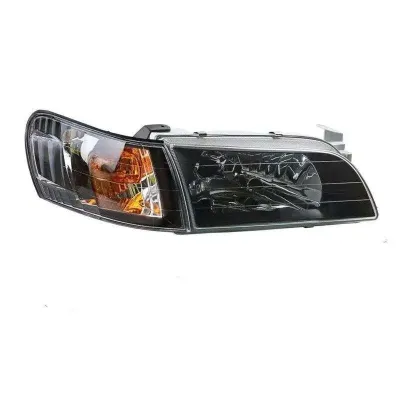
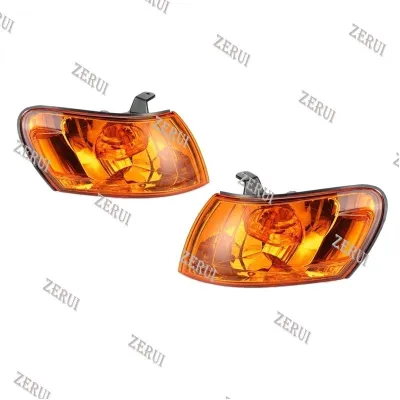
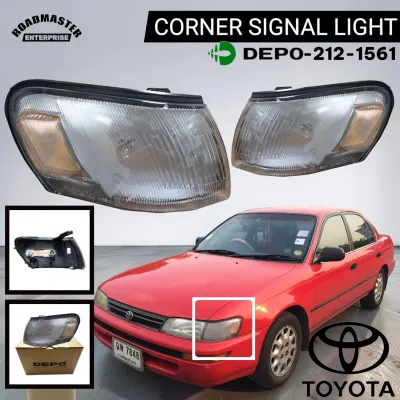
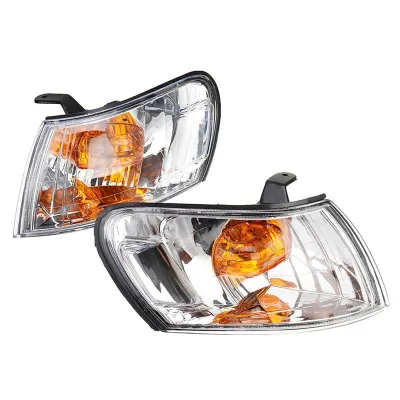
83 Lazada user ratings
Item already received and find good well wrap and no damage.
ok po umg item salmat po..ang blis po dumatimg
Great value for the price,
Prices are valid at publication and may change. Please refer to the product page for the latest price.
The AE101 addressed these refinement issues with a stiffer chassis, a wider track, and redesigned suspension mounting points. This generation offers a much more composed and stable ride, especially at highway speeds, making it feel like a larger, more modern vehicle. The trade-off is a slightly more insulated driving sensation, as the power steering and heavier body damp some of the raw feedback that makes the AE92 so engaging on twisty roads.
Under the hood, the engine options reflect this evolutionary step. The AE92 originally came equipped with older A-series engine configurations, including carbureted variants like the 1.6-liter 16-valve 4A-F or early fuel-injected 16-valve 4A-GE engines. The AE101 modernized the lineup by standardizing fuel injection across most trims in the local market, featuring the highly reliable 1.6-liter 16-valve 4A-FE and, in some markets, the larger 1.8-liter 7A-FE. These newer powerplants offer smoother power delivery, better fuel efficiency, and more straightforward diagnostic procedures for modern mechanics.
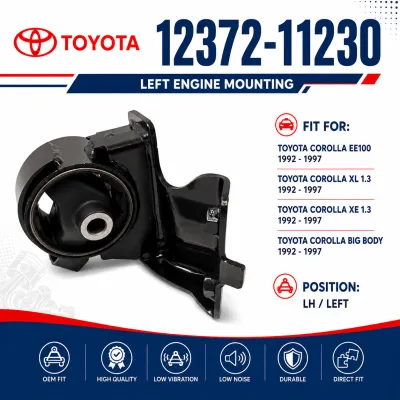
Before purchasing either model, a thorough physical inspection of the chassis and suspension is critical. Look for signs of chassis fatigue, such as hairline cracks near the front strut towers, and inspect the rubber suspension bushings for dry rot or cracking. Check the steering rack for excessive play or fluid leaks, as worn steering components severely compromise safety and handling. Because steering, suspension, and braking systems directly impact vehicle safety, always consult a qualified technician to perform a pre-purchase inspection and handle any subsequent suspension overhauls or modifications.
Parts Availability and Maintenance in the Philippines
Sourcing parts is one of the most critical factors in any restoration project, and here the two generations present different challenges. Mechanically, both the AE92 and AE101 are relatively easy to keep running because they rely on the ubiquitous Toyota A-series engine family. Consumables such as spark plugs, filters, belts, water pumps, and basic brake pads are widely available at local auto parts stores across the Philippines. You will rarely find yourself stranded due to a lack of basic engine or drivetrain components.

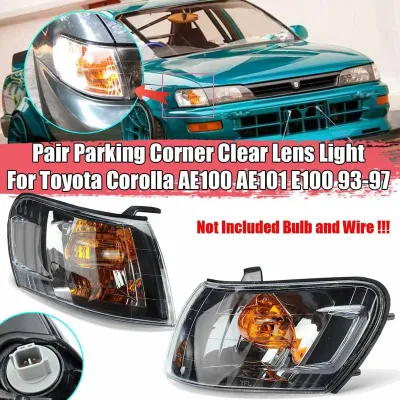
The difficulty arises when sourcing body panels, exterior trim, and interior plastics. Because the AE92 is older, finding original, undamaged exterior trim pieces, headlights, grille assemblies, and interior dashboard components has become exceptionally difficult. Many of these parts must be sourced from specialized enthusiast groups, online marketplaces, or imported directly from overseas salvage yards. If you purchase a heavily stripped AE92, expect to spend a significant amount of time and money hunting down rare cosmetic items.
The AE101 enjoys a slightly better supply of cosmetic and structural parts. Due to its massive popularity in the 1990s and longer production run, local surplus shops and automotive salvage yards still carry a reasonable inventory of AE101 doors, fenders, glass, and interior trim. However, high-quality original parts are still depleting, and pristine interior components are becoming premium items.
Before committing to a purchase, verify the availability of generation-specific parts through local supplier networks and enthusiast clubs. Joining local owner groups can provide invaluable leads on where to find rare trim pieces or donor cars. If a project car is missing crucial interior panels or unique exterior trim, calculate the potential sourcing costs beforehand, as these cosmetic details often cost more to restore than the mechanical systems.
Collector Value and Restoration Potential
The collector market views these two Corollas through different lenses, which affects their long-term value retention. The AE92 has firmly established itself as a classic JDM icon, drawing strong interest from motorsport enthusiasts and purists who appreciate its late-80s aesthetic. Well-preserved or faithfully restored AE92 models, especially those featuring period-correct modifications or high-performance engine swaps, command a premium among collectors who value the raw, analog heritage of the era.
The AE101 is rapidly entering the classic category, appealing to a younger generation of enthusiasts driven by 90s nostalgia. Its clean, rounded lines and comfortable cabin make it an appealing choice for those who want a retro aesthetic without sacrificing modern conveniences like reliable air conditioning and power windows. While its collector value is generally lower than that of a pristine AE92, clean, unmodified AE101 examples are steadily rising in value as they become rarer.
When evaluating a potential project car, look closely for signs of previous botched restorations or poorly executed modifications. Check the wiring harness for amateur splices, electrical tape patches, or non-standard routing, which can lead to persistent electrical gremlins or safety hazards. Inspect the body panels for thick layers of body filler, which often hide poor rust repairs or structural damage. Always prioritize cars with straight frames and complete, original interiors, as restoring a butchered cabin or correcting structural misalignment is incredibly difficult and costly.
Decision Framework: Choosing Your Corolla Project
To choose the right Corolla project for your garage, align your restoration goals with the inherent strengths of each chassis.
Choose the AE92 if you prioritize:
- A lightweight, highly communicative driving experience with direct steering feedback.
- Classic, angular late-1980s JDM styling that stands out at local car meets.
- A project dedicated to weekend spirited drives, track days, or period-correct motorsport builds.
Choose the AE101 if you prioritize:
- A comfortable, refined ride with superior cabin insulation and structural rigidity.
- A retro daily driver that easily accommodates modern air conditioning and power amenities.
- A more straightforward cosmetic restoration process due to better local availability of salvage parts.
Regardless of the model you select, never purchase a heavily degraded or incomplete car without first securing a reliable source for generation-specific body panels, glass, and interior trim. Taking the time to verify parts availability and inspecting the vehicle’s structural integrity beforehand will save you from a stalled project and ensure a successful, rewarding restoration journey.
Frequently Asked Questions (FAQ)
Can I swap AE101 engine components into an AE92 chassis?
Yes, swapping engine components or entire engines between these generations is a common practice because both chassis utilize the Toyota A-series engine mounting architecture. For example, many builders swap the fuel-injected 4A-FE or high-performance 20-valve 4A-GE engines from the AE101 era into the lighter AE92 chassis. However, this modification is not a simple drop-in procedure; it requires modifying the engine mounts, adapting the wiring harness, and installing the correct electronic control unit (ECU) and fuel delivery system. Because electrical and fuel system modifications carry safety risks, always consult a professional automotive electrician or a specialized shop to ensure the swap is performed safely and complies with local road safety regulations.
Which generation is more prone to severe rust issues?
Both generations are highly susceptible to rust due to their age and the humid tropical climate of the Philippines, but they tend to rust in different areas. The AE92 frequently suffers from severe rust along the rear wheel arches, the lower sections of the doors, the spare tire well, and the windshield cowl where water tends to pool. The AE101 is particularly vulnerable to rust around the rear strut towers, the trunk floor, and under the rubber weather stripping of the doors and windows. Before purchasing either vehicle, perform a physical inspection using a flashlight to check the undercarriage, and consider using a digital paint thickness gauge to identify areas where rust has been covered up with body filler.
Community discussion
Share your experience or ask a question. Comments are reviewed before publication.