
Upgrading the shift knob in your Toyota Fortuner is one of the most immediate ways to enhance your vehicle’s interior aesthetics and improve your daily driving tactile feedback. However, finding the perfect match is not a one-size-fits-all process. Compatibility depends entirely on your Fortuner’s specific model year, transmission type (manual versus automatic), and the exact thread pitch of the shift lever.
For drivers in the tropical climate of the Philippines, material selection requires careful consideration of thermal properties. Leather offers temperature-neutral comfort that remains touch-safe even after hours of parking under direct sunlight. Aluminum provides a solid, weighted mechanical feel that manual shifting enthusiasts appreciate, though it highly conducts heat. Carbon fiber delivers a modern, high-end look with moderate temperature resistance but requires protection from intense ultraviolet (UV) rays. Before making any purchase, verifying your exact shift rod dimensions, thread specifications, and transmission lockout requirements is a mandatory safety step.
How to Verify Shift Knob Fitment for Your Fortuner
To avoid purchasing an incompatible accessory or compromising your vehicle’s safety, you must perform several precise fitment checks. The Toyota Fortuner has spanned multiple generations since its introduction, with significant interior and mechanical revisions between the first generation (2005–2015) and the second generation (2016–present). These generational shifts introduce variations in shift rod diameters, thread pitches, and boot attachment mechanisms.
Products mentioned in this guide
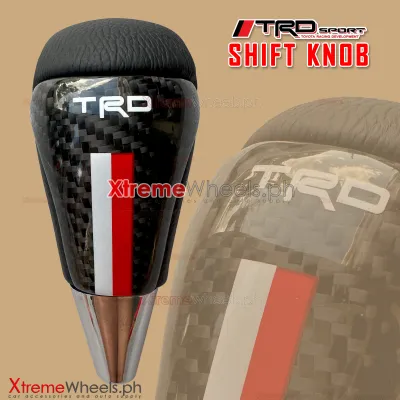
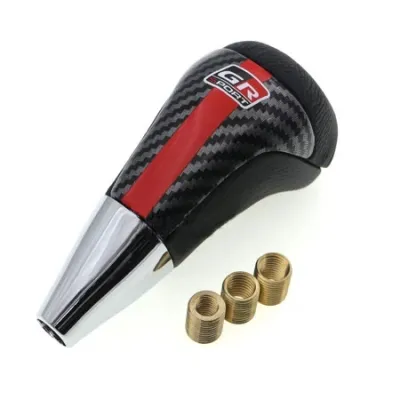
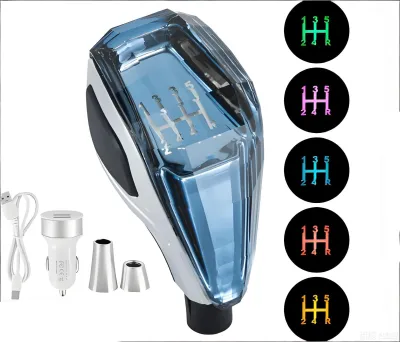
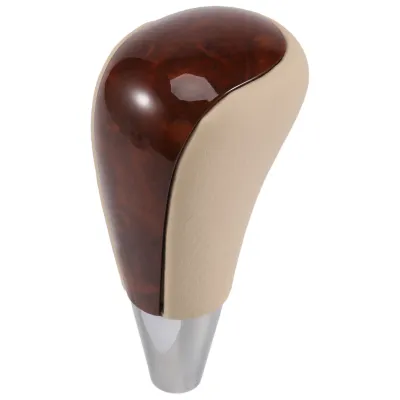
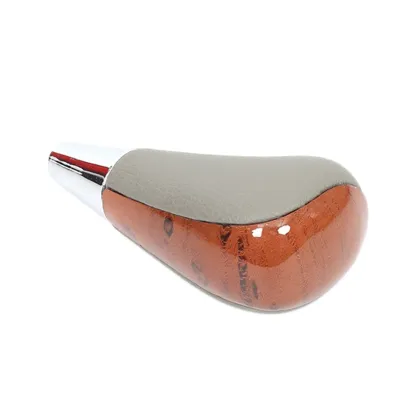
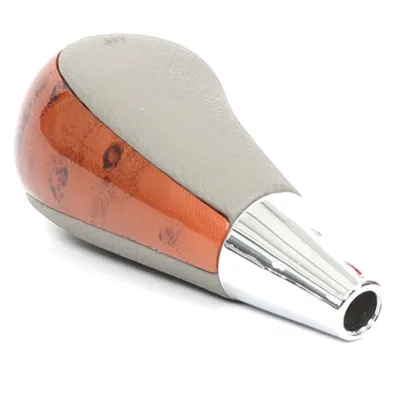
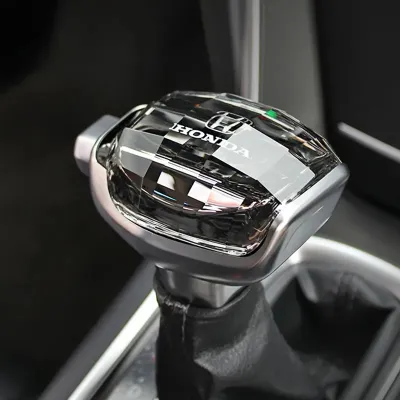
Prices are valid at publication and may change. Please refer to the product page for the latest price.
Thread Pitch and Diameter
Most Toyota manual and gated automatic shift levers utilize a threaded design, allowing the knob to screw directly onto the metal shift rod. The standard thread specification for a wide range of Toyota passenger vehicles and SUVs is M12x1.25, meaning a 12mm thread diameter with a 1.25mm thread pitch. However, certain model years, trim levels, or regional variants may feature different specifications, such as M10x1.25 or M10x1.5.
Before purchasing an aftermarket shift knob, check the product’s label and your vehicle manufacturer’s technical documentation to confirm the exact thread dimensions. You can verify your shift rod’s thread pitch by using a thread pitch gauge or by carefully testing a known M12x1.25 bolt on the rod. Never attempt to force a shift knob with mismatched threads onto the rod, as doing so will permanently strip the threads and require an expensive replacement of the entire shift lever assembly.
Transmission Type Differences
The distinction between manual transmission (MT) and automatic transmission (AT) Fortuner models dictates the structural design of the shift knob you can use. Manual Fortuner models feature a straightforward threaded rod, but those equipped with a reverse lockout mechanism require a shift knob with a recessed cavity at the base. This recess allows the lockout collar to slide upward into the knob when engaging reverse gear; without this cavity, the knob will block the collar, preventing you from shifting into reverse.
Automatic Fortuner models present a more complex compatibility challenge. Older models and specific trims utilize a gated shifter path where the lever moves through a zigzag pattern without a physical button. These gated setups can often accept standard threaded knobs, provided the knob’s weight and shape do not interfere with the shifting path. Conversely, automatic models featuring a straight-line shifter often rely on a mechanical shift lock release button. If your Fortuner has this button, you cannot install a standard manual knob. Doing so would disable the safety lockouts, potentially allowing the vehicle to be accidentally knocked into Neutral, Reverse, or Park while driving, or preventing you from shifting out of Park altogether. For these models, you must select a specialized, button-integrated aftermarket knob designed specifically for Toyota automatic lockouts.
Adapters and Universal Knobs
Many aftermarket manufacturers offer universal shift knobs packaged with plastic, rubber, or brass threaded adapter sleeves to fit various rod diameters. While these universal options expand your design choices, they introduce several trade-offs. The use of adapter sleeves often increases the overall height of the shifter, which alters the leverage and shifting ergonomics designed by the factory.
Furthermore, universal knobs that secure to the adapter using small hex set screws (grub screws) present a long-term reliability risk. Under the repeated physical force of daily shifting, these set screws can gradually loosen due to cabin vibrations and temperature changes. If a set screw backs out, the shift knob can suddenly spin or detach entirely during a gear change, creating a severe safety hazard. For maximum security, prioritize vehicle-specific threaded knobs that match your Fortuner’s thread pitch exactly without the need for adapters.
Comparing Shift Knob Materials: Leather, Aluminum, and Carbon Fiber
Selecting the right material involves balancing aesthetic preferences with practical cabin conditions. Because the shift knob is a primary touchpoint, its material directly influences your driving comfort, control, and cabin maintenance routine.

Leather and Synthetic Wraps: Comfort and Daily Usability
Leather and high-quality synthetic polyurethane (PU) wraps represent the standard for daily driving comfort and utility. The primary advantage of leather is its exceptional temperature neutrality. In the Philippines, where outdoor parking spaces often expose vehicle cabins to intense solar heat, interior surfaces can reach scorching temperatures. Unlike metal or bare plastic, leather does not absorb or retain heat to a degree that causes discomfort or skin burns, making it immediately usable the moment you step into the vehicle.
In addition to thermal comfort, leather provides a natural, high-friction grip that prevents your hand from slipping, even if your palms are damp. The material also offers a subtle cushioning effect that dampens minor drivetrain vibrations, leading to a smoother feel during long commutes.
However, maintaining leather in hot, humid environments requires consistent care. Human sweat, skin oils, and high ambient humidity can break down the protective topcoat of genuine leather over time, leading to peeling, cracking, or discoloration. To prevent this degradation, clean the knob periodically with a mild, pH-balanced leather cleaner and apply a quality leather conditioner to preserve its moisture barrier. Avoid using alcohol-based hand sanitizers immediately before driving, as alcohol acts as a solvent that rapidly strips the natural oils and protective finishes from leather surfaces.
Aluminum and Weighted Metals: Durability and Shifting Feel
Solid aluminum and other weighted metal shift knobs are highly popular among drivers seeking a performance-oriented, mechanical connection to their vehicle. Many of these knobs are engineered with a heavy steel or brass core, often weighing between 300 and 500 grams. This added mass acts as a counterweight at the top of the shift lever, utilizing kinetic energy to smooth out the gear throw. The weight helps push the transmission linkage into gear with less manual effort, resulting in a positive, notch-free shifting experience.
In terms of longevity, solid metal knobs are virtually indestructible. They are highly resistant to scratching, chipping, cracking, and the typical surface wear that degrades leather or plastic over years of use. An aluminum knob maintains its structural integrity indefinitely, making it a highly durable investment.
Despite these benefits, the high thermal conductivity of aluminum is a significant drawback in tropical regions. When your Fortuner is parked under the sun, a solid metal knob absorbs heat rapidly, acting as a heat sink. The surface temperature can easily rise to painful levels, forcing you to cover the knob with a cloth or wait for the vehicle’s air conditioning system to cool the cabin before you can safely drive. Conversely, during heavy rainstorms with the air conditioning running at high capacity, the metal can feel uncomfortably cold to the touch. This extreme temperature fluctuation is a primary trade-off that drivers must accept when choosing metal.
Carbon Fiber and Composites: Aesthetics and Temperature Control
Carbon fiber shift knobs are highly sought after for their modern, motorsport-inspired aesthetic. True carbon fiber is composed of woven carbon filaments bound together by a cured epoxy resin. This construction creates a material that is exceptionally strong yet incredibly lightweight, though many aftermarket carbon fiber knobs feature an internal metal weight to provide a more substantial shifting feel.
From a functional standpoint, carbon fiber offers much lower thermal conductivity than solid aluminum. While it will warm up when exposed to direct sunlight, it rarely reaches the scorching, untouchable temperatures characteristic of bare metals. This makes it a highly practical alternative for drivers who want a sporty look without the thermal penalties of solid aluminum.
However, carbon fiber is not without its vulnerabilities. The clear coat resin layer applied over the carbon weave is highly sensitive to ultraviolet (UV) radiation. Prolonged, unprotected exposure to the harsh tropical sun can cause the clear coat to yellow, cloud, crack, or delaminate over time. To protect your investment, look for high-grade carbon fiber knobs treated with UV-resistant clear coats, and utilize a reflective windshield sunshade whenever parking outdoors. Additionally, avoid wearing rings or carrying hard objects that could scratch or chip the clear resin coating, as deep scratches can expose the underlying carbon fibers to moisture and accelerate degradation.
How to Choose the Right Material for Your Driving Style
To determine which shift knob material best aligns with your daily driving habits and vehicle configuration, evaluate your priorities using this structured decision framework:
- Choose Leather or Synthetic Wraps if:
- Your Fortuner is a daily commuter driven primarily in heavy, stop-and-go urban traffic.
- You prioritize immediate comfort and do not want to worry about a hot shifting surface after parking outdoors.
- You prefer a classic, understated interior look that matches the factory upholstery and steering wheel trim.
- You are willing to perform basic leather maintenance every few months to prevent wear from humidity and hand oils.
- Choose Aluminum or Weighted Metals if:
- You drive a manual transmission Fortuner and want to improve your shifting precision with a heavier, more mechanical gear throw.
- You prioritize maximum physical durability and want a component that will never wear out, peel, or crack.
- You are prepared to manage temperature fluctuations by using a shift knob cover, parking in shaded areas, or utilizing a windshield sunshade.
- Choose Carbon Fiber or Composites if:
- You want to modernize your Fortuner's interior with a premium, high-tech aesthetic.
- You desire a sporty look but want a material that remains significantly cooler to the touch than solid metal.
- You have a higher budget to invest in genuine, UV-resistant carbon fiber components.
- You are diligent about protecting your vehicle's interior from direct solar exposure to prevent resin yellowing.
- Verify Your Transmission Lockout First:
- If your automatic Fortuner features a straight-line shifter with a mechanical lockout button, your material choices are strictly limited. You must avoid standard round manual knobs and instead seek specialized, button-compatible aftermarket replacements or high-end OEM leather upgrades designed specifically for your shifter assembly.
Installation Tips and Safety Boundaries
Installing an aftermarket shift knob is generally a straightforward, reversible process. However, because the shift lever is a critical control interface, improper installation can lead to mechanical failure or unsafe driving conditions. Always read the specific product’s label and your vehicle’s manufacturer instructions before starting. If you encounter conflicting instructions, or if you are uncomfortable working with mechanical lockouts, stop and consult a qualified professional technician.
To perform a basic installation safely, follow these essential steps:
- Secure the Vehicle: Park your Fortuner on a flat, level surface. Engage the handbrake fully, turn off the engine, and ensure the transmission is securely in Park (for automatics) or Neutral (for manuals).
- Remove the Original Knob: For standard threaded knobs, grasp the base firmly and turn it counterclockwise to unscrew it. If your vehicle features a shift boot that clips directly to the bottom of the knob, carefully unclip or depress the retaining collar first to avoid tearing the leather or plastic boot material.
- Clean the Threads: Once the old knob is removed, inspect the metal shift rod. Use a soft brush or a clean microfiber cloth to remove any accumulated dirt, debris, or old thread-locking compound from the threads.
- Test Fit the New Knob: Gently thread the new shift knob clockwise onto the rod by hand. It should spin on smoothly without resistance. If you feel any binding or cross-threading, stop immediately. Forcing a mismatched knob will permanently ruin the shift rod's threads.
- Secure the Fitment:
For Direct-Fit Threaded Knobs:* Tighten the knob clockwise until it is snug and properly aligned (with the gear pattern facing forward). Do not over-tighten, as you can strip the internal threads of the knob, especially if they are made of plastic or soft aluminum.
For Universal Set-Screw Knobs:* Slide the correct adapter sleeve over the rod, thread the outer collar, and tighten the small hex set screws evenly using the provided Allen key. Apply a small drop of medium-strength, removable thread-locking fluid (such as blue threadlocker) to the set screw threads to prevent them from vibrating loose over time. Never use permanent red threadlocker, as this will prevent you from ever removing the knob without damaging the shift rod. - Verify Safety Functions: Before starting the engine, thoroughly test the shifter. For manual models, ensure the reverse lockout collar moves freely and engages correctly. For automatic models, verify that the shift lock button operates smoothly, locking the transmission in Park and Reverse as intended, and that the knob does not interfere with any part of the console trim.
Frequently Asked Questions (FAQ)
Will an aftermarket shift knob void my Fortuner's warranty?
Installing a simple, non-electrical aftermarket shift knob will not void your overall vehicle warranty. Under standard automotive warranty guidelines, a manufacturer cannot void your entire warranty simply because an aftermarket accessory is installed. However, any damage directly caused by the installation process or the accessory itself is not covered. For example, if you strip the shift rod threads by forcing an incorrect thread pitch, break the shift boot retaining clips, or damage the automatic shift lock solenoid during installation, those specific repairs must be paid for out of pocket.
Do I need to replace the shift boot when upgrading the knob?
In most cases, you do not need to replace your Fortuner’s factory shift boot when upgrading the shift knob. The shift boot is a separate interior component that remains attached to the center console trim. However, many aftermarket shift knobs do not feature the specific integrated plastic collar designed to clip onto the top of the factory boot. This can result in an unsightly gap where the shift boot sags, exposing the bare metal shift rod. To resolve this aesthetic issue, you can purchase a simple, inexpensive aftermarket shift boot retainer clip or collar adapter that bridges the gap and holds the boot neatly against the base of your new shift knob.
Community discussion
Share your experience or ask a question. Comments are reviewed before publication.