
The Short Answer: Do You Really Need Toyota OEM Washer Fluid?
Maintaining clear visibility during sudden tropical downpours is a critical safety priority for drivers in the Philippines. When it comes to replenishing your windshield reservoir, deciding between official Toyota OEM washer fluid and aftermarket alternatives comes down to a balance of component safety, sensor compatibility, and budget. While Toyota OEM (Original Equipment Manufacturer) fluid guarantees chemical compatibility and total peace of mind, high-quality aftermarket fluids can offer comparable cleaning performance at a lower cost.
The ideal choice depends on your specific vehicle age, driving conditions, and risk tolerance. If you drive a newer Toyota equipped with advanced camera-based safety systems, the factory fluid offers the safest route to prevent optical interference. For older models, premium aftermarket options represent a highly practical alternative. Ultimately, the decision should be guided by the quality of the aftermarket brand you choose rather than a simple assumption that all non-OEM products perform equally.
Key Comparison Dimensions for Your Toyota Washer Fluid
Windshield washer fluid must do far more than simply wet the glass to clear away dust. Evaluating a fluid requires looking at how its chemical formulation interacts with your vehicle’s exterior components, paintwork, and electrical systems over years of exposure.
Products mentioned in this guide
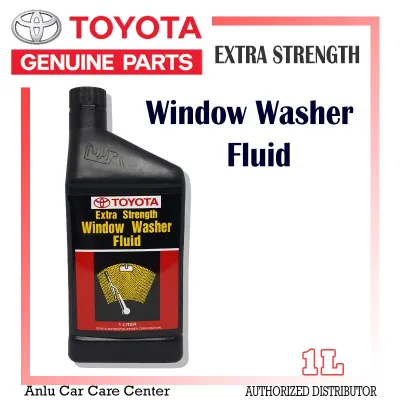
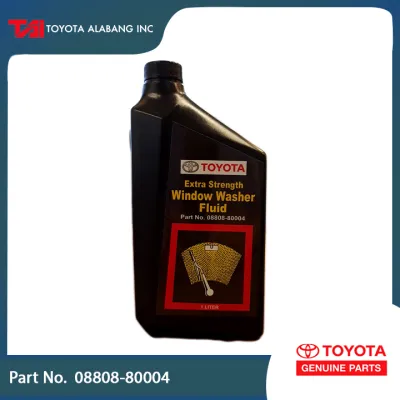
![Toyota Extra Strength Window Washer Fluid [1 liter]](https://img.lazcdn.com/g/p/27c2b059255ad5cf4d49f18d28bea1e2.png_400x400q80.png_.webp)
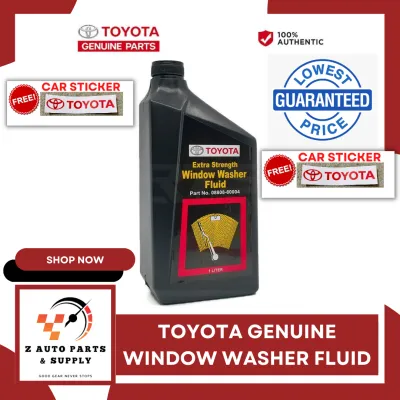
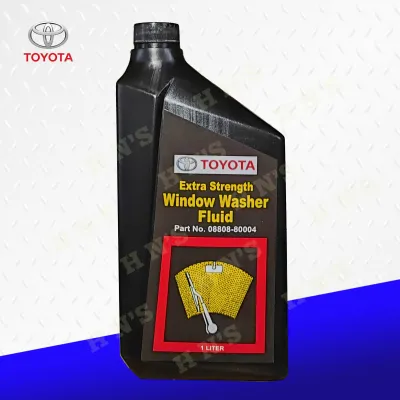
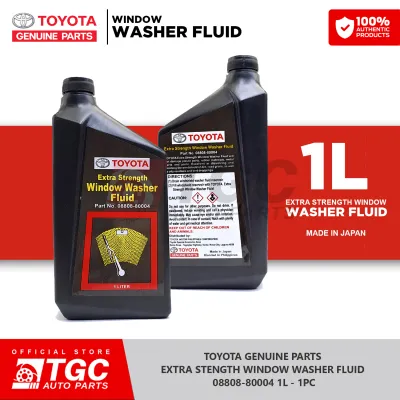
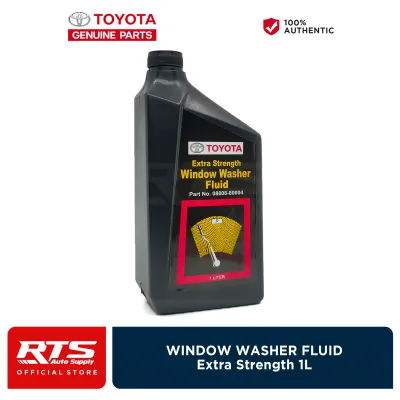
Prices are valid at publication and may change. Please refer to the product page for the latest price.

To make an informed choice, you must evaluate both OEM and aftermarket options across three primary areas: cleaning efficacy, material safety, and climate adaptation. A failure in any of these categories can lead to poor visibility, accelerated wear on your vehicle, or costly repairs to advanced driver-assistance sensors.
Cleaning Power and Streak-Free Visibility
Daily driving in urban areas like Metro Manila exposes windshields to a challenging mix of road grime, soot from diesel exhaust, insect residue, and oily films. Toyota OEM washer fluid is specifically formulated to meet the brand’s stringent visibility and anti-smear standards, ensuring that wipers can clear the glass in a single swipe without leaving a greasy haze.
Aftermarket brands vary significantly in their cleaning capabilities. Premium aftermarket formulations utilize advanced surfactants that actively break down organic matter and oily films, allowing the wiper blades to glide smoothly. Conversely, bargain-basement alternatives are often little more than water mixed with cheap blue dye and basic detergents. These lower-tier fluids frequently leave a cloudy residue or a white film that can temporarily blind you when facing oncoming headlights during night driving.
When shopping for aftermarket options, look closely at the product labels. Choose fluids that explicitly state they target road film, grease, and organic grime rather than relying solely on generic marketing claims.
Safety for Wiper Blades, Paint, and Sensors
Your windshield is surrounded by sensitive materials, including rubber weatherstripping, wiper squeegees, clear-coated paint, and polycarbonate headlight covers on models equipped with headlight washers. Toyota OEM fluids undergo rigorous laboratory testing to ensure they are chemically inert when in contact with these specific materials, preventing premature degradation.
Some aggressive aftermarket fluids contain harsh solvents, such as high concentrations of ammonia or unregulated alcohols. Ammonia is highly destructive to rubber, causing your wiper blades to dry out, crack, and chatter across the glass. These harsh chemicals can also strip the protective clear coat from your hood, stain plastic trim, and cause micro-cracking (crazing) in polycarbonate headlight lenses over time.
Furthermore, modern Toyota vehicles utilize camera-based safety systems, such as Toyota Safety Sense (TSS), which are mounted behind the upper windshield. If a washer fluid leaves a persistent film, micro-scratches, or a chemical residue in the camera’s field of view, it can trigger system faults or degrade the accuracy of pre-collision and lane-keeping systems. Always verify that aftermarket labels explicitly state they are safe for rubber, automotive paint, and polycarbonate plastics before pouring them into your reservoir.
Climate Suitability for the Philippines
Unlike cold regions where washer fluids must contain high concentrations of antifreeze agents like methanol to prevent freezing, the tropical climate of the Philippines demands a completely different chemical focus. Here, the primary challenges are high ambient temperatures, intense UV exposure, and biological growth.
The warm, humid environment inside a vehicle’s engine bay can turn a washer reservoir filled with plain water or low-quality fluid into a breeding ground for algae, mold, and bacteria. Toyota OEM fluids distributed in tropical regions are formulated with specific biocide properties to prevent this biological buildup without relying on aggressive solvents.
When choosing an aftermarket alternative, avoid winter-grade or sub-zero formulas imported from cold climates. These winterized fluids contain volatile alcohols that evaporate almost instantly on a hot windshield in the Philippine heat. This rapid evaporation leaves behind concentrated chemical residues that smear the glass and impair vision. Instead, select tropicalized formulations that emphasize high-temperature stability, anti-fungal properties, and water-beading additives that complement the natural action of your wipers during heavy monsoon rains.
Cost, Availability, and Convenience
Acquiring genuine Toyota OEM washer fluid typically requires a trip to an authorized dealership service center or an official parts counter. This fluid is often sold as a highly concentrated formula, with prices generally ranging from ₱500 to ₱1,200 depending on the bottle size. While this upfront cost is higher than most alternatives, the concentrate is designed to be diluted with distilled water, which can lower the actual cost per liter of the working solution.
Aftermarket options offer unmatched convenience and a wide price spectrum. You can find them at local auto supply shops, DIY hardware stores, and online marketplaces. Basic ready-to-use formulas can cost as little as ₱100 for a large jug, while premium imported concentrates from established car-care brands range from ₱300 to ₱600.
To evaluate the true economic value, always calculate the cost per liter of the final, diluted mixture rather than comparing the initial bottle prices. A highly concentrated OEM fluid that dilutes at a 1:10 or 1:20 ratio can end up costing a similar amount per liter as a mid-tier, ready-to-use aftermarket product.
Be highly cautious of counterfeit OEM fluids sold through unauthorized online channels. Because Toyota is a highly trusted brand, counterfeiters frequently package cheap, dyed tap water in bottles that mimic official packaging. These fake products lack proper surfactants and can introduce minerals that clog your spray nozzles or chemicals that damage your paint. To ensure safety, purchase genuine OEM products only from authorized Toyota dealerships or verified, reputable automotive retail outlets.
How to Choose the Right Washer Fluid for Your Toyota
To determine the best path forward for your vehicle, use this conditional decision framework based on your vehicle’s technology, usage patterns, and maintenance preferences.
Choose Toyota OEM if:
- You drive a newer Toyota model equipped with Toyota Safety Sense (TSS) or other windshield-mounted camera arrays, where maintaining perfect optical clarity is vital for system calibration.
- You prefer the convenience of having your washer system topped up with factory-approved fluids during your regular preventive maintenance service (PMS) at the dealership.
- You want a guaranteed, risk-free chemical match that will not affect your vehicle's paint warranty, rubber seals, or headlight washers.
Choose Premium Aftermarket if:
- You drive an older Toyota model without windshield-mounted safety cameras, where minor chemical residues pose no risk to driver-assist technologies.
- You are looking for a highly cost-effective solution for a high-mileage vehicle, such as a fleet car or a transport-network vehicle service (TNVS) unit, where fluid consumption is exceptionally high.
- You select a well-known, reputable global brand that explicitly certifies its fluid is safe for automotive paint, rubber squeegees, and polycarbonate plastics.
- You require specialized cleaning characteristics, such as heavy-duty insect removers for frequent long-distance provincial driving on expressways.
Verify first if:
- You are considering a highly concentrated aftermarket formula. Always check the manufacturer's recommended dilution ratio on the label, as over-concentrating the mixture can lead to a soapy residue that clogs the washer pump.
- You are looking at an unbranded or exceptionally cheap alternative. Inspect the physical liquid inside the bottle before buying; if you observe any sediment, cloudiness, chemical separation, or a strong, pungent ammonia odor, do not use it in your vehicle.
Best Practices for Refilling and Maintaining Your Washer System
Properly maintaining your windshield washer system ensures consistent performance and prevents costly mechanical issues. Before performing any maintenance, consult your Toyota owner’s manual to locate the correct reservoir cap, which is typically yellow or blue and embossed with a windshield wiper spray symbol. Ensure you do not confuse it with the engine coolant reservoir or the brake fluid reservoir, as adding washer fluid to those systems can cause severe engine or braking system damage.
When refilling the reservoir, strongly avoid mixing different brands or chemical formulas of washer fluid. For example, mixing an OEM alcohol-free formula with an aftermarket silicone-based rain-repellent fluid can trigger a chemical reaction. This often results in coagulation, creating a thick, jelly-like sludge that clogs the internal filter, pump, and fine spray nozzles, while causing severe, greasy smearing across the windshield when sprayed.
If you decide to switch from an unknown or low-quality fluid to a premium aftermarket or OEM fluid, perform a system flush first. Spray or drain the remaining old fluid completely, fill the reservoir with a small amount of clean, distilled water, flush it through the system briefly, and then fill the reservoir with your new chosen fluid. Always use distilled water rather than tap water for dilution, as tap water contains minerals like calcium that precipitate out over time and permanently clog the spray nozzles.
Finally, remember that even the highest-quality washer fluid cannot compensate for worn-out wiper blades. Inspect your wiper squeegees regularly for tears, cracks, or stiffness. Clean the rubber blades periodically using a soft microfiber cloth dampened with water to remove accumulated road grime and oil, ensuring a clean, streak-free sweep every time.
Frequently Asked Questions (FAQ)
Can I use plain water instead of washer fluid in my Toyota?
While plain water can serve as a temporary emergency substitute, it should not be used as a permanent replacement. Plain water lacks the necessary surfactants to break down road oils, grease, and organic grime, resulting in smearing rather than cleaning. Furthermore, untreated water—especially tap water—contains minerals like calcium and magnesium that precipitate out over time, forming scale deposits that permanently clog the tiny washer nozzles and strain the washer pump. In the warm, humid climate of the Philippines, plain water in the reservoir also promotes the rapid growth of algae, mold, and bacteria, which can create a foul odor and clog the entire plumbing system.
Will using aftermarket washer fluid void my Toyota warranty?
Using a reputable aftermarket windshield washer fluid will not void your overall Toyota vehicle warranty. Under standard consumer protection principles, a manufacturer cannot void a warranty simply because an aftermarket consumable was used, provided the fluid meets basic functional requirements. However, if a low-quality or incorrect aftermarket fluid causes direct, provable damage—such as chemically corroding the paint around the nozzles, melting the headlight lenses, or clogging the pump due to coagulation—the repair costs for those specific components will not be covered under the factory warranty. To protect yourself, always stick to well-known, high-quality brands, follow the manufacturer’s dilution instructions precisely, and keep your purchase receipts.
Community discussion
Share your experience or ask a question. Comments are reviewed before publication.