
Toyota pink coolant, officially known as Super Long Life Coolant (SLLC), is highly suitable for the tropical climate of the Philippines, provided it matches your vehicle’s factory specifications. In a country characterized by year-round high ambient temperatures, intense humidity, and severe stop-and-go traffic in metropolitan areas like Metro Manila, the cooling system must operate under extreme thermal stress. This pre-mixed ethylene glycol-based fluid is designed to raise the boiling point of the cooling system and prevent corrosion without requiring additional water dilution, making it a reliable choice for compatible vehicles operating in tropical environments.
Using the correct coolant is essential for protecting your engine from overheating, which can lead to catastrophic mechanical failures. While many drivers focus solely on engine oil, the fluid circulating through your radiator is what keeps operating temperatures within a safe range. Understanding how this specific formulation behaves under tropical conditions will help you make informed maintenance decisions and keep your vehicle running smoothly on local roads.
Understanding Tropical Climate Demands on Engine Coolant
The tropical climate of the Philippines, where ambient temperatures frequently exceed 30°C and can climb much higher during the dry season, places an exceptional load on an internal combustion engine. When combined with prolonged idling in heavy traffic on major thoroughfares, the engine lacks the natural airflow that helps dissipate heat through the radiator. Under these conditions, the cooling system must rely entirely on the thermal properties of the coolant and the mechanical efficiency of the radiator fan to maintain an optimal operating temperature.
Products mentioned in this guide
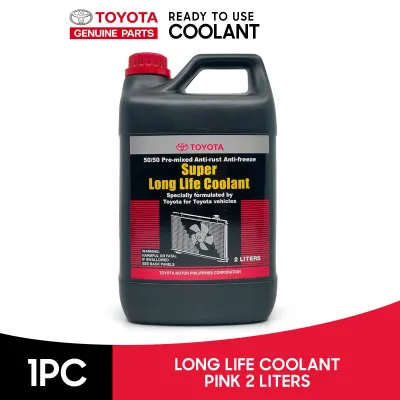
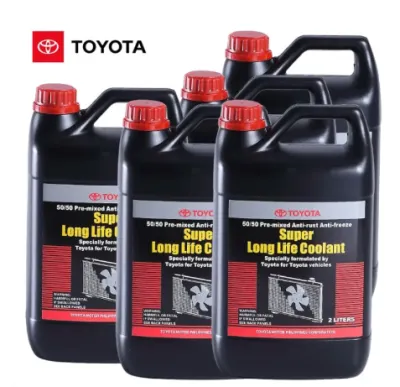
![Toyota Long Life Coolant 1 Liter (Pink) [Ready To Use]](https://img.lazcdn.com/g/p/5460d9af0d35e1556a975577b31c4835.png_400x400q80.png_.webp)
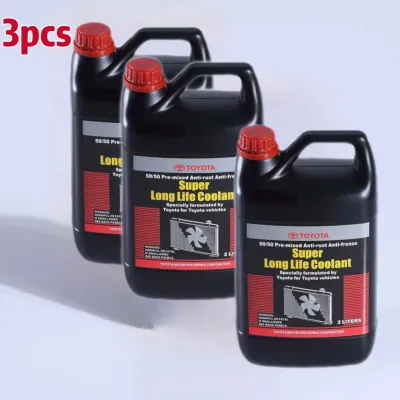
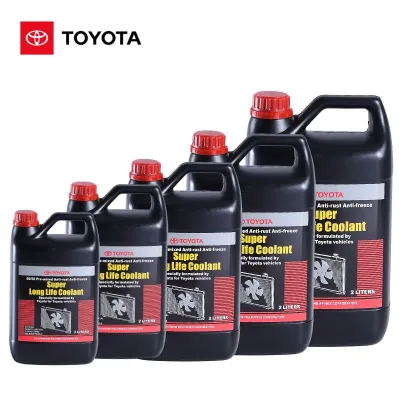
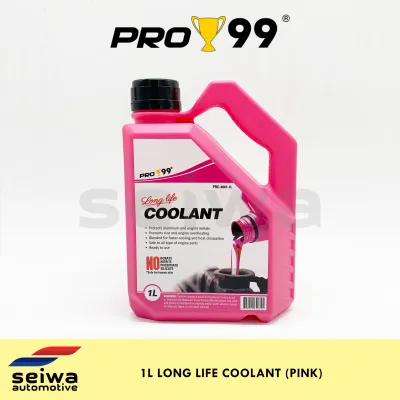
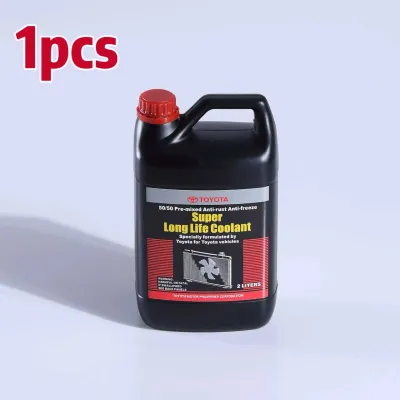
Prices are valid at publication and may change. Please refer to the product page for the latest price.
The primary role of engine coolant in a tropical environment is twofold: elevating the boiling point of the liquid to prevent localized boiling within the engine block, and maximizing heat transfer from the metal components to the radiator. Water has an excellent heat capacity, but it boils at 100°C at sea level and promotes rust and scale buildup. Modern coolants use a blend of ethylene glycol and specialized additives to raise the boiling point significantly under pressure, ensuring the fluid remains liquid even when engine temperatures spike during intense midday driving.
However, relying solely on the chemical composition of a premium fluid is not enough to guarantee engine safety. In tropical climates, cooling system components degrade more rapidly due to constant thermal cycling and high humidity. Hoses can soften, clamps can lose tension, and seals can fail, leading to pressure leaks that lower the effective boiling point of the system. Therefore, maintaining the physical integrity of the entire cooling loop is just as critical as choosing the correct fluid.
Evaluating Toyota Pink Coolant Specifications for Heat Dissipation
To determine if Toyota pink coolant meets the demands of tropical driving, vehicle owners must understand how to read and interpret the product label and technical specifications. Toyota pink coolant is typically sold as a pre-mixed solution containing a 50/50 ratio of ethylene glycol and deionized water. This specific concentration is engineered to provide a balanced compromise between heat transfer capacity and boiling point elevation, which is crucial for preventing boil-overs in high-temperature environments.

When examining the product label, you will notice specifications detailing both freezing and boiling points. While the freezing point is irrelevant for the frost-free climate of the Philippines, the boiling point is highly significant. Under a standard radiator cap pressure, a 50/50 mixture of ethylene glycol coolant can raise the boiling point of the system to approximately 129°C. This thermal ceiling provides a vital safety margin when climbing steep mountain passes or idling in urban traffic jams.
It is essential to distinguish between pre-mixed and concentrated coolant formulations. Concentrated coolant must be mixed with distilled water before use, whereas pre-mixed Toyota pink coolant is ready to pour directly into the reservoir. Adding water to a pre-mixed formula dilutes the glycol and additive concentration, lowering the boiling point and reducing the fluid’s ability to protect against corrosion. Conversely, using pure concentrate without water severely reduces heat transfer efficiency, as glycol alone cannot dissipate heat as effectively as a water-glycol mix.
Beyond temperature regulation, the additive package in Toyota pink coolant plays a vital role in protecting internal engine components. It utilizes Organic Acid Technology (OAT), which provides long-lasting corrosion protection for aluminum, cast iron, copper, and brass components within the cooling loop. Additionally, these additives lubricate the water pump bearing and seal, preventing premature wear and mechanical failure caused by the friction of continuous operation in high-heat environments.
How to Verify Compatibility with Your Specific Toyota Model
Before purchasing or adding any coolant to your vehicle, you must verify that Toyota pink coolant is compatible with your specific model and year. Automotive cooling systems are designed around specific chemical formulations, and using the wrong fluid can lead to severe engine damage. The most reliable way to confirm compatibility is by consulting your vehicle owner’s manual, which lists the exact fluid specifications, chemical requirements, and recommended service intervals.
In addition to the manual, you should inspect the physical components of your vehicle’s cooling system. The coolant reservoir tank cap or the radiator cap itself often features embossed warnings or labels indicating the required fluid type. For many modern Toyota vehicles, the cap or reservoir will explicitly state the required specification or specify a pink-colored fluid. If your vehicle originally came filled with Toyota Red Coolant, which is a different formulation, you must verify if your system can transition to the pink version, as they require different maintenance intervals and have distinct chemical properties.
Mixing different coolant chemistries is a critical mistake that can lead to cooling system failure. Toyota pink coolant is an Organic Acid Technology (OAT) fluid, while other coolants may use Inorganic Acid Technology (IAT) or Hybrid Organic Acid Technology (HOAT). If these incompatible chemistries are mixed, they can react chemically to form a thick, gelatinous sludge. This sludge clogs the narrow passages of the radiator and heater core, restricts coolant flow, and can cause rapid engine overheating and water pump failure.
If you suspect that an incorrect or mixed fluid is present in your cooling system, do not simply top it off. The safest course of action is to perform a complete system flush using distilled water to remove all traces of the old fluid before refilling the system with the manufacturer-approved Toyota pink coolant. Always refer to the original vehicle instructions and, if you are uncomfortable performing a system flush yourself, seek qualified professional assistance at an authorized service center.
Maintenance and Inspection Practices for Tropical Conditions
Operating a vehicle in a tropical climate requires a proactive approach to cooling system maintenance. Regular visual inspections are the first line of defense against overheating. At least once a month, check the coolant level in the translucent plastic reservoir tank when the engine is completely cold. The fluid level should sit comfortably between the low and full markings. If the level is consistently dropping, it indicates a leak that must be diagnosed and repaired immediately.
During your visual inspection, observe the color and clarity of the coolant. Fresh Toyota pink coolant should exhibit a bright, translucent pink hue. If the fluid appears cloudy, dark brown, or contains floating debris, it has become contaminated or degraded. This discoloration indicates that the protective additives have broken down, leaving the engine vulnerable to corrosion and scale buildup. In such cases, a professional flush and refill are necessary to restore system protection.
Inspect the physical hardware of the cooling system for signs of heat-related wear. The intense heat of the engine bay, combined with high ambient humidity, accelerates the degradation of rubber hoses and metal clamps. Squeeze the radiator hoses when the engine is cold; they should feel firm but pliable. If they feel excessively soft, spongy, or show visible cracks and bulging, they are at risk of bursting under pressure and must be replaced. Additionally, check the radiator cap gasket for cracks or tears, as a faulty cap cannot maintain the pressure required to keep the coolant’s boiling point elevated.
Adhere strictly to the vehicle manufacturer’s maintenance schedule for coolant replacement. While Toyota Super Long Life Coolant is designed for extended service intervals, tropical driving conditions—such as frequent short trips, heavy cargo hauling, and prolonged idling—can accelerate fluid degradation. Refer to your owner’s manual for the recommended mileage or time-based flush intervals. When performing a flush, ensure that the old fluid is disposed of safely and that the system is completely purged of air bubbles, as trapped air can create hot spots within the engine block.
Frequently Asked Questions (FAQ)
Can I mix Toyota pink coolant with other coolant colors?
No, you should not mix Toyota pink coolant with other coolant colors or different chemical formulations. Coolant colors often represent distinct chemical technologies, such as Organic Acid Technology (OAT) in the pink coolant and Inorganic Acid Technology (IAT) in traditional green coolants. Mixing them can trigger a chemical reaction that produces a thick sludge, which blocks coolant passages, restricts flow, and leads to severe engine overheating. If you must switch coolant types, always perform a complete system flush first.
Does Toyota pink coolant need to be diluted with water?
Toyota pink coolant is typically sold as a pre-mixed 50/50 solution and does not require any dilution with water. It is formulated to be poured directly into your vehicle’s cooling system. Adding water to a pre-mixed coolant will dilute the ethylene glycol and protective additives, lowering the boiling point and reducing corrosion protection. Always check the product label before use; if you happen to purchase a concentrated version, it must be diluted with distilled water according to the manufacturer’s instructions.

Community discussion
Share your experience or ask a question. Comments are reviewed before publication.